Find the Best Drain Field Repair Companies for Your Business
No obligation • Fast responses • Nationwide coverage

Why you can trust Septic Spot
Septic Spot is a leading United States resource for understanding and comparing septic services. Our editors review providers using consistent criteria and verify key business details. Listings and scores are independent, and companies cannot pay to influence our content.
Search providers near you
Best Drain Field Repair Companies in Louisiana Ranked
A failing drain field is a serious issue for any Louisiana homeowner with a septic system. When this critical component stops absorbing and filtering wastewater, it can lead to soggy yards, foul odors, and significant health hazards. Drain field repair or replacement is a major project governed by state health regulations and requiring licensed expertise. This guide explains the process, costs, and regulations in Louisiana to help you understand your options and connect with qualified local professionals who can assess and resolve your system's issues.
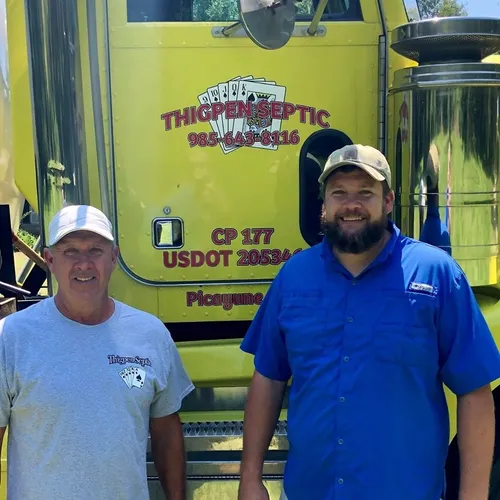
Thigpen Septic Tank Services, LLC
102 Trey Thigpen Rd, Picayune, MS 39466
Thigpen Septic Tank Services, LLC is a family-owned septic company serving New Orleans, LA. Since 1973, they have provided a full range of septic services including tank pumping, system installation, repairs, and drain field replacement. With over 50 years of experience, they handle both residential and commercial septic needs with a focus on quality and attention to detail.
OCR Sewer & Groundwork LLC
1124 Cecil Watkins Rd, Arnaudville, LA 70512
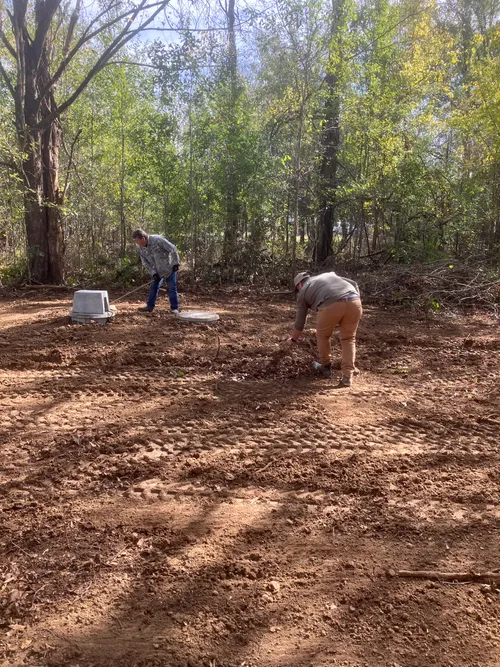
OCR Sewer & Groundwork LLC is a septic tank inspection and repair company based in Lafayette, LA. They provide services including septic pump repair or replacement, drain field repair or replacement, and lift station installations. The company is licensed to service most makes and models and also offers sump pump replacement, aerator rebuild or replacement, and field line replacement.
Understanding Your Drain Field's Role
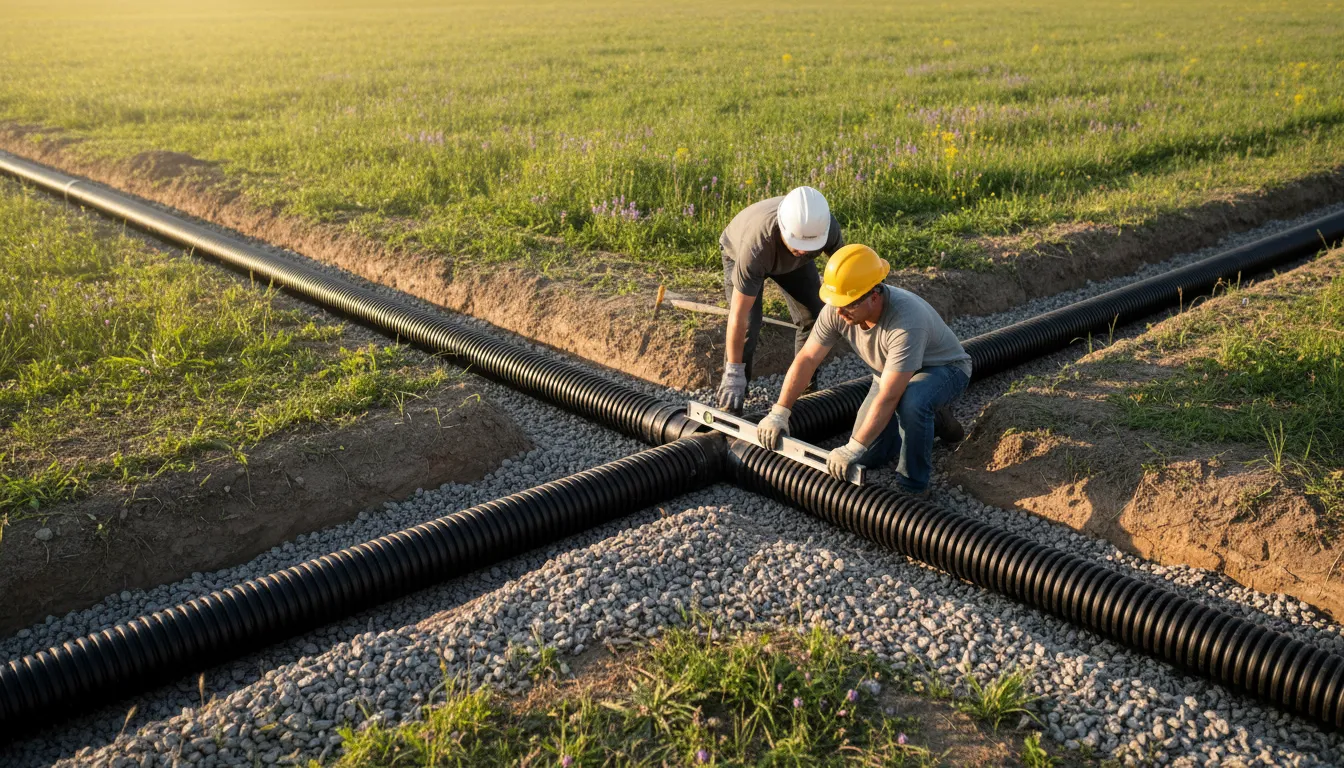
The drain field, also known as a leach field or absorption field, is the final stage of your onsite wastewater treatment system. After solids settle in the septic tank, the liquid effluent flows into a network of perforated pipes buried in trenches filled with gravel. This effluent slowly percolates through the soil, where natural processes provide final treatment before it rejoins the groundwater. A functioning drain field is essential for preventing contamination and protecting public health.
In Louisiana's unique environment-with its high water tables, frequent heavy rains, and varied soil types-drain fields face particular challenges. Systems must be carefully designed and maintained to handle these conditions. Failure often manifests as:
- Sewage odors in the yard or home.
- Soggy, spongy, or standing water over the drain field area.
- Slow-draining or gurgling household fixtures.
- Unusually lush, green grass over the drain field.
Louisiana Regulations for Septic System Work
All significant work on septic systems, including drain field repairs and full replacements, is regulated by the Louisiana Department of Health (LDH), Office of Public Health. Understanding these rules is the first step.
Permits Are Mandatory: You must obtain a permit from the LDH before altering, installing, or replacing any part of an individual sewage system. This ensures the work meets state sanitary code and protects groundwater.
Licensing Requirements: Installations and major repairs must be performed by a licensed wastewater installer 1. However, Louisiana does allow homeowners to become certified to install or maintain their own system, which involves completing state-approved workshops and paying applicable fees (approximately $100 application fee plus $120 for workshops) 2.
System Types and Lot Size: Standard septic systems with conventional drain fields typically require a minimum lot size of 12,000 square feet in Louisiana 3. For properties with smaller lots or poor soil conditions, more advanced and expensive systems like Aerobic Treatment Units (ATUs) may be necessary 4 3.
Abandoning Old Systems: When a drain field is replaced, the old septic tank must be properly abandoned-either pumped out and removed or filled with soil-to prevent collapse or contamination 5.
The Drain Field Repair & Replacement Process
1. Professional Inspection and Diagnosis
Before any work begins, a licensed professional must inspect the system to determine the exact cause of failure. This involves checking the tank, distribution box, and drain field. In some cases, a simple repair like cleaning a clogged distribution line or removing tree roots may suffice. The inspector will often document their findings with a "Certification by Installer" form for the health department.
2. Obtaining the Permit
Your licensed installer will typically handle the permit application process with the local LDH health unit. The application requires detailed plans for the repair or replacement, including soil evaluations and system design. Regulations can vary by parish, so checking with your local health unit is crucial.
3. Repair vs. Replacement
- Minor Repairs: These can address specific issues like broken pipes or a malfunctioning distribution box. Costs vary widely based on the problem.
- Drain Field Replacement: If the soil is permanently clogged (a condition called "biomat" failure) or the system is undersized, a completely new drain field is required. This is a major excavation project. State law mandates replacement upon system failure.
4. Installation and Inspection
The new drain field is constructed according to the permitted plans. Once installed, the system must pass a final inspection by the LDH or its authorized agent before it can be put into service.
Cost of Drain Field Work in Louisiana
Drain field replacement is a significant investment. In Louisiana, costs typically range from $5,000 to $20,000 or more, depending on several factors 6 7:
- System Size and Type: Larger homes require larger systems. Advanced systems like ATUs cost more than conventional fields.
- Soil and Site Conditions: Difficult access, high water tables, or poor soil percolation rates can increase costs.
- Extent of Excavation: Removing an old field and preparing a new site adds labor and disposal fees.
- Local Permit Fees: These vary by parish.
Minor repairs will be less expensive but still require a professional diagnosis and permit for any alteration to the system.
Find the perfect drain field repair companies for your needs
Get personalized recommendations and expert advice
Ongoing Maintenance and Homeowner Responsibility
Louisiana law places perpetual maintenance responsibility on the homeowner for as long as they occupy the property. Proper care can extend the life of a drain field and prevent premature failure.
Recommended Maintenance Schedule:
- Tank Pumping: Every 3 to 5 years, depending on usage and tank size.
- System Inspections: The LDH suggests a professional inspection every three years. Many homeowners benefit from a maintenance contract with a licensed provider.
- Advanced System Care: For mechanical systems (like ATUs), maintenance providers are required to submit reports to the LDH every 6 months for the first 2 years after installation 8 9.
Critical Usage Restrictions to Protect Your Drain Field:
- Never drive or park vehicles or heavy equipment over the drain field area.
- Avoid planting trees or shrubs near the drain field, as roots can invade and clog pipes.
- Do not pour fats, oils, grease, coffee grounds, or harsh chemicals down drains.
- Never flush non-biodegradable items like wipes, diapers, or feminine hygiene products.
- Divect rainwater from roofs and driveways away from the drain field to prevent saturation.
Homeowners must also be vigilant for signs of failure, such as direct discharge of sewage onto the ground surface, which constitutes a public health hazard and requires immediate attention 10.
Choosing a Professional in Louisiana
Selecting the right contractor is critical. Always verify that the professional is licensed by the Louisiana Department of Health to perform wastewater system work. Ask for references, proof of insurance, and a detailed written estimate. A reputable installer will be familiar with local parish regulations and will handle the permitting process. They should also provide clear guidance on long-term care for your new or repaired system.
Frequently asked questions
Sources
Footnotes
-
Wastewater Installers: Definitions and Permit Specifications - https://www.lsuagcenter.com/articles/page1763050885007 ↩
-
HOMEOWNER CERTIFICATION INSTRUCTIONS - https://ldh.la.gov/assets/oph/Center-EH/sanitarian/onsitewastewater/HomeownerInstallorMaintenancePacket03-09-10.pdf ↩
-
Information Packet for Applicants - Louisiana Department of Health - https://ldh.la.gov/assets/oph/Center-EH/sanitarian/onsitewastewater/PlanReMechTreat.pdf ↩ ↩2
-
Information Packet for Applicants - Louisiana Department of Health - https://ldh.la.gov/assets/oph/center-eh/sanitarian/onsitewastewater/plansrepackmectreat.pdf ↩
-
Louisiana Administrative Code - https://ldh.la.gov/assets/oph/Center-EH/sanitarian/onsitewastewater/8145.pdf ↩
-
Onsite Wastewater Program | Louisiana Department of Health - https://ldh.la.gov/bureau-of-sanitarian-services/wastewater ↩
-
Louisiana Septic License & Certification | 2025 Contractor Guide - https://www.servicetitan.com/licensing/septic/louisiana ↩
-
How to Care for Your Mechanical Sewer System - https://www.calcasieu.gov/services/planning-development/sewage-inspection-program/do-s-don-ts ↩
-
Mechanical Sewage System - Minor & Major Repairs - https://www.calcasieu.gov/services/planning-development/sewage-inspection-program/mechanical-sewer-inspection-program ↩
-
Onsite Sewage Treatment System Maintenance, Health and ... - https://www.deq.louisiana.gov/assets/docs/Enviroschool/EnviroschoolOnsiteSewage-web.pdf ↩