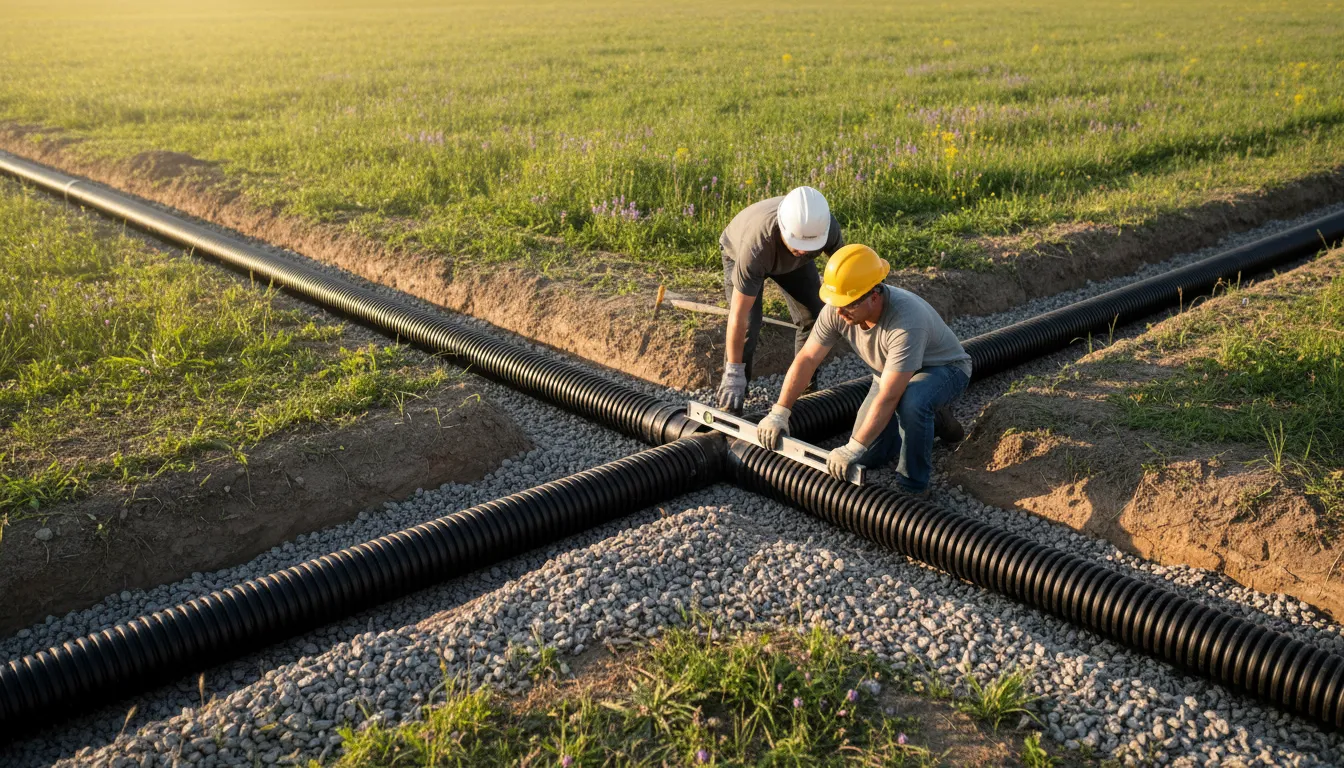
Find the Best Drain Field Repair Companies for Your Business
No obligation • Fast responses • Nationwide coverage

Why you can trust Septic Spot
Septic Spot is a leading United States resource for understanding and comparing septic services. Our editors review providers using consistent criteria and verify key business details. Listings and scores are independent, and companies cannot pay to influence our content.
Search providers near you
Best Drain Field Repair Companies in Oklahoma Ranked
A failing drain field is a serious issue for any Oklahoma homeowner with a septic system. When this critical component stops absorbing and filtering wastewater, it can lead to soggy yards, foul odors, and environmental contamination. Understanding the repair and replacement process, including state regulations and costs, is essential for protecting your property and health. This guide provides clear, practical information to help you navigate finding qualified local professionals for your septic leach field needs.
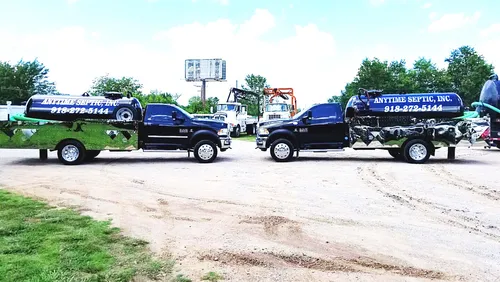
Anytime Septic, Inc.
13800 E 92nd Ct N, Owasso, OK 74055
Anytime Septic, Inc. is a septic service provider located in Tulsa, OK, serving the local community with a range of septic system solutions. They offer septic tank pumping, system repairs, tank installation, and drain field repair or replacement. The company is equipped to handle hydro jetting and maintenance for aerobic and subsurface systems. Anytime Septic is available 24/7, 365 days a year to address septic concerns promptly. They also support their community through charitable initiatives and provide a mobile app for easy service scheduling and record keeping.
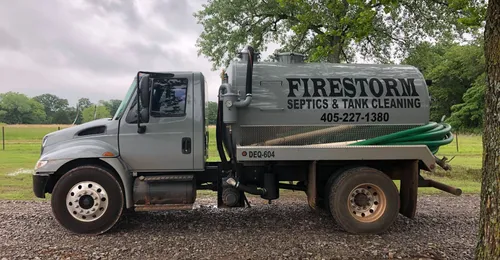
Firestorm Septics & Shelters
6114 US-177, Shawnee, OK 74804
Firestorm Septics & Shelters is a septic system and storm shelter company based in Oklahoma City, OK. They provide septic tank pumping, inspection, repair, installation, and drain field services, along with storm shelter installation. The company is known for handling septic system issues such as lateral line installation and aerobic system repairs. As a locally owned and veteran-owned business, Firestorm Septics & Shelters has built a reputation for thorough work and clear communication. They also offer after-hours service and quick response times, including weekend work when needed.
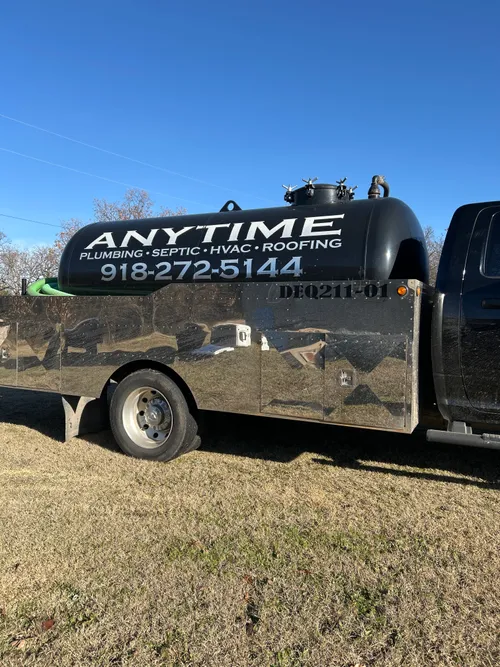
Anytime Septic Inc.
Tulsa, OK
Anytime Septic Inc. provides septic tank pumping, installation, repair, and drain field replacement services in Tulsa, OK. They offer expert diagnosis and treatment for septic issues, including aerobic system repairs and leach line replacement. Their team uses professional tools and techniques to ensure proper septic system function and maintenance. Anytime Septic also supports the local community through various initiatives and offers emergency septic pumping services.
Red Dirt Septic
2018 OK-37, Tuttle, OK 73089
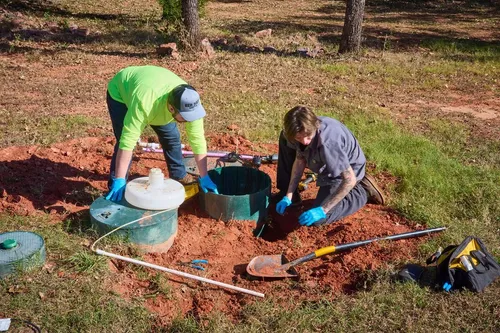
Red Dirt Septic is a full-service septic company based in Oklahoma City, OK, providing septic tank installation, repair, and ongoing maintenance services. They offer tailored septic system solutions including new installations, drain field repairs, and maintenance programs designed to keep systems functioning properly. The company uses remote monitoring technology and provides free on-site property evaluations to determine the most efficient septic solutions. As founding members of the Oklahoma Onsite Wastewater Association, they are committed to industry standards and ethics.
Anytime Septic, Inc. Claremore
AS, 2317 Holly Rd, Claremore, OK 74017
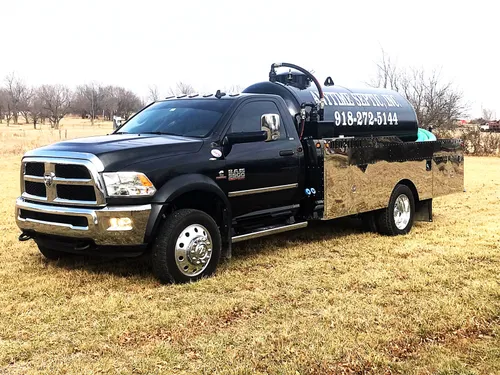
Anytime Septic, Inc. Claremore is a septic services provider based in Tulsa, OK, offering a full range of septic system solutions. Their services include septic tank pumping, system repair, installation, hydro jetting, and drain field repair or replacement. The company has been serving the Claremore community since 1999 and provides 24/7 emergency response for septic issues. They emphasize local expertise and compliance with local codes, supported by a convenient app for scheduling and service management.
Understanding Your Drain Field's Role
The drain field, also known as a leach field or absorption field, is the final and most crucial stage of your onsite wastewater system. After solids settle in the septic tank, the liquid effluent flows into a network of perforated pipes buried in trenches filled with gravel. This effluent then percolates through the soil, where natural processes remove harmful bacteria, viruses, and nutrients before the water rejoins the groundwater.
A properly functioning drain field is invisible. Signs of failure are unmistakable and require immediate attention:
- Soggy Ground or Surfacing Sewage: Wastewater pooling on the ground above the field is a primary sign of failure.
- Foul Odors: Persistent sewage smells in the yard, especially near the field area.
- Slow Drains & Backups: Gurgling plumbing fixtures or sewage backing up into the home.
- Unusually Lush Grass: Patches of grass over the field that are greener and grow faster than the rest of the lawn.
Oklahoma Regulations and Required Permits
In Oklahoma, all work involving the installation, alteration, or major repair of a septic system, including the drain field, is regulated by the Oklahoma Department of Environmental Quality (DEQ). You cannot simply hire a contractor to dig a new field; specific legal steps must be followed.
Permit Requirement: A permit from the DEQ is mandatory before any construction or major repair begins on a septic system 1. The permit application process ensures the proposed solution meets state health and environmental standards. The permit fee is approximately $500.
Professional Certification: Oklahoma law, reinforced by regulations like Senate Bill 111, requires that septic system installations and major repairs be performed by a DEQ-certified installer or another licensed professional. This certification is your assurance that the professional understands state codes and proper construction techniques.
Site Evaluation & Soil Test: A critical first step is a site evaluation, which includes a soil profile analysis (often called a perc test). This test determines the soil's drainage capability and dictates the size and type of system your property can support 2. Soil tests in Oklahoma typically cost between $350 and $550 3.
Replacement Area: Oklahoma regulations often require that a suitable area on your property be designated as a replacement field site. This ensures that if the primary field fails in the future, there is a pre-approved location for a new one.
The Repair vs. Replacement Decision
Not all drain field problems require a full replacement. A certified professional should inspect the system to diagnose the issue accurately.
Potential Repairs: Sometimes, issues are caused by clogged pipes, compacted soil from vehicle traffic, or root intrusion. Techniques like jetting the lines to remove blockages or removing soil compaction might restore function. However, these are often temporary fixes if the underlying soil is truly saturated or the field has reached the end of its lifespan (typically 20-30 years).
Full Replacement: This is necessary when the soil's absorption capacity is permanently exhausted. A failed system cannot be legally replaced before obtaining the proper permit from the DEQ 4. The process involves:
- System Inspection & Permit Application: A DEQ Environmental Specialist or certified installer confirms the failure 5 6. You or your contractor then apply for a replacement permit.
- Design & Excavation: The new field is designed based on the soil test. The old field is taken out of service (often left in place to avoid disturbing more soil) and new trenches are dug in the designated replacement area.
- Installation & Inspection: New piping and gravel are installed, and the system is connected. A final inspection by the DEQ or certified professional is usually required.
Cost Factors for Drain Field Work in Oklahoma
The cost to address drain field issues in Oklahoma varies widely based on the scope of work, system type, and site conditions. Below are typical price ranges based on recent data.
- Soil Test & Permit: $850 - $1,050 ($350-$550 for soil test + ~$500 permit)
- Septic Tank Pumping: $400 - $700 (required every 3-5 years as part of maintenance) 7 8
- Conventional System Installation: $3,000 - $4,000
- Low-Pressure Dose (LPD) System: $4,500 - $5,000
- Aerobic Treatment Unit (ATU) with Spray/Drip Irrigation: $5,500 - $6,000+
Important Notes on Cost:
- These are base costs. The final price can increase significantly due to rocky soil, high groundwater, small lot size, or the need for specialized equipment 9.
- If an Aerobic Treatment Unit (ATU) is installed, Oklahoma law requires the installer to provide a 2-year maintenance contract at no additional cost 10.
- A full system replacement is a major investment. Getting multiple quotes from certified installers is strongly recommended.
Find the perfect drain field repair companies for your needs
Get personalized recommendations and expert advice
Homeowner Responsibilities and Maintenance
Prevention is the best strategy for avoiding a costly drain field replacement. Oklahoma homeowners are legally responsible for ensuring their system does not create a nuisance or contaminate water sources.
Essential Maintenance Rules:
- Pump Regularly: Have your septic tank pumped by a licensed professional every 3 to 5 years to prevent solids from washing out into the drain field and clogging it.
- Protect the Field: Never drive, park, or build structures (sheds, patios) over the drain field. The weight compacts the soil, destroying its ability to absorb water.
- Mind Your Planting: Do not plant trees or deep-rooted shrubs near the field. Roots can infiltrate and clog the pipes.
- Divert Water: Ensure roof drains, sump pumps, and surface runoff are directed away from the drain field area to prevent saturation.
- Conserve Water & Mind What Goes Down the Drain: Excessive water flow is a leading cause of field failure. Avoid using excessive garbage disposals and never flush chemicals, grease, or non-biodegradable items.
Choosing a Qualified Professional in Oklahoma
Selecting the right contractor is the most important decision you'll make. Here's what to look for:
- DEQ Certification: Verify the installer or repair company holds current DEQ certification. You can ask for their certification number.
- Local Experience: Choose a professional familiar with the soil types and regulations in your specific county in Oklahoma.
- Detailed Quotes & Contracts: A reputable provider will offer a written, detailed quote that includes costs for permits, soil testing, labor, materials, and any required maintenance agreements.
- References & Insurance: Ask for local references and proof of liability and workers' compensation insurance.
- Post-Installation Support: Ensure they provide clear documentation (as-built drawings) of your new system and understand the state's maintenance requirements, especially for aerobic systems.
Frequently asked questions
Sources
Footnotes
-
Basic Septic System Rules for Oklahoma - https://pods.okstate.edu/fact-sheets/PSS-2918pod.pdf ↩
-
What Oklahoma Homeowners Need to Know About Senate ... - https://www.cycloneseptics.com/what-oklahoma-homeowners-need-to-know-about-senate-bill-111/ ↩
-
Land Buyers' Septic System Guide for Oklahoma - https://extension.okstate.edu/fact-sheets/land-buyers-septic-system-guide-for-oklahoma.html ↩
-
Final-Onsite-Replacement-Application-2024-002.docx - https://conservation.ok.gov/wp-content/uploads/2025/01/Final-Onsite-Replacement-Application-2024-002.docx ↩
-
Inspection of Septic Systems - Oklahoma State University Extension - https://extension.okstate.edu/fact-sheets/inspection-of-septic-systems.html ↩
-
Inspection of Septic Systems - Oklahoma State University - https://pods.okstate.edu/fact-sheets/PSS-2924.pdf ↩
-
How Much Does a Septic System Cost in Oklahoma? - https://www.cycloneseptics.com/how-much-does-a-septic-system-cost-in-oklahoma/ ↩
-
Basic Septic System Rules for Oklahoma - https://extension.okstate.edu/fact-sheets/basic-septic-system-rules-for-oklahoma.html ↩
-
How Much Does It Cost to Replace a Septic Tank and Drain Field? - https://www.bobvila.com/articles/cost-to-replace-septic-tank-and-drainfield/ ↩
-
Basic Septic System Rules for Oklahoma - https://extension.okstate.edu/fact-sheets/print-publications/pss/basic-septic-system-rules-for-oklahoma-pss-2918.pdf ↩