Find the Best Drain Field Repair Companies for Your Business
No obligation • Fast responses • Nationwide coverage

Why you can trust Septic Spot
Septic Spot is a leading United States resource for understanding and comparing septic services. Our editors review providers using consistent criteria and verify key business details. Listings and scores are independent, and companies cannot pay to influence our content.
Search providers near you
Top Drain Field Repair Companies in Tulsa, Oklahoma Ranked
A failing septic system drain field is a serious issue for any Tulsa homeowner, leading to unpleasant odors, soggy yards, and potential environmental contamination. Drain field repair or replacement is a major project that requires careful diagnosis, adherence to strict local regulations, and professional installation. This guide explains the process, costs, and key considerations for addressing drain field issues in the Tulsa area, helping you understand your options and connect with qualified local specialists.
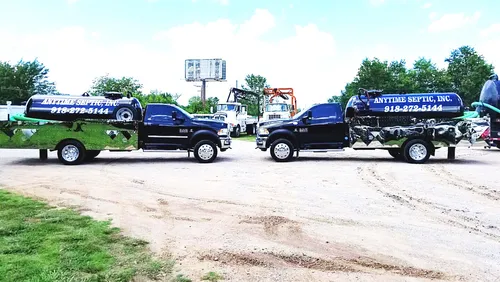
Anytime Septic, Inc.
13800 E 92nd Ct N, Owasso, OK 74055
Anytime Septic, Inc. is a septic service provider located in Tulsa, OK, serving the local community with a range of septic system solutions. They offer septic tank pumping, system repairs, tank installation, and drain field repair or replacement. The company is equipped to handle hydro jetting and maintenance for aerobic and subsurface systems. Anytime Septic is available 24/7, 365 days a year to address septic concerns promptly. They also support their community through charitable initiatives and provide a mobile app for easy service scheduling and record keeping.
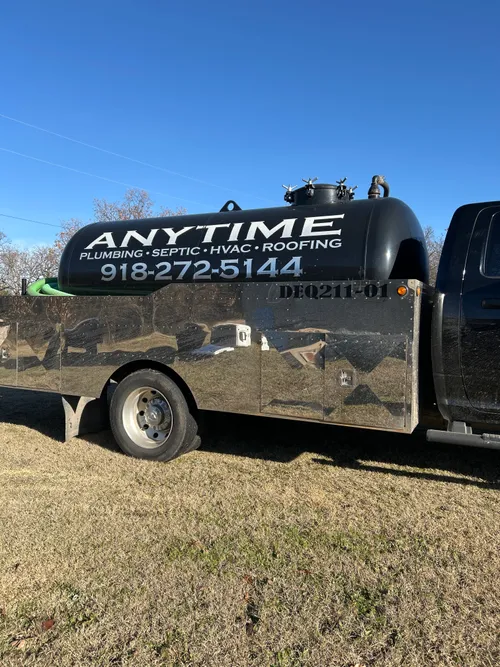
Anytime Septic Inc.
Tulsa, OK
Anytime Septic Inc. provides septic tank pumping, installation, repair, and drain field replacement services in Tulsa, OK. They offer expert diagnosis and treatment for septic issues, including aerobic system repairs and leach line replacement. Their team uses professional tools and techniques to ensure proper septic system function and maintenance. Anytime Septic also supports the local community through various initiatives and offers emergency septic pumping services.
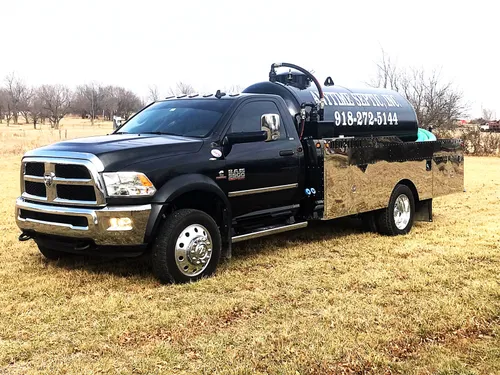
Anytime Septic, Inc. Claremore
AS, 2317 Holly Rd, Claremore, OK 74017
Anytime Septic, Inc. Claremore is a septic services provider based in Tulsa, OK, offering a full range of septic system solutions. Their services include septic tank pumping, system repair, installation, hydro jetting, and drain field repair or replacement. The company has been serving the Claremore community since 1999 and provides 24/7 emergency response for septic issues. They emphasize local expertise and compliance with local codes, supported by a convenient app for scheduling and service management.
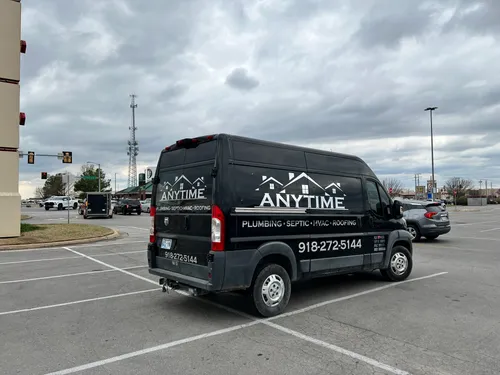
Anytime Septic, Inc.
8912 N 174th Ave E #1, Owasso, OK 74055
Anytime Septic, Inc. is a septic service provider based in Tulsa, OK, offering a range of septic solutions including tank pumping, system repairs, installation, and drain field replacement. The company serves the local community with comprehensive septic maintenance and repair services, including hydro jetting and aerobic system care. They provide 24/7 availability to address septic issues promptly. Anytime Septic, Inc. is committed to supporting the neighborhoods they serve and offers a convenient app for scheduling and service management.
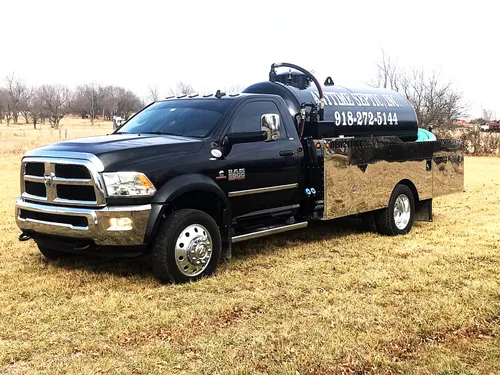
Anytime Septic Inc.
Tulsa, OK
Anytime Septic Inc. provides comprehensive septic services in Tulsa, OK, including septic tank pumping, system repair, installation, and drain field replacement. The company offers a full range of septic solutions such as hydro jetting, aerobic and subsurface systems, and maintenance to ensure optimal system performance. Anytime Septic Inc. supports the local community with 24/7 availability for septic emergencies and uses technology like their Anytime app to streamline service scheduling and history tracking.
Understanding Your Septic System's Drain Field
Often called a leach field or absorption field, the drain field is the final and most critical stage of a conventional septic system. After solids settle in the tank, liquid effluent flows into a network of perforated pipes buried in trenches filled with gravel. This effluent slowly percolates into the surrounding soil, where natural processes filter and treat it before it rejoins the groundwater. When this area fails, untreated wastewater can surface, creating health hazards and violating Oklahoma Department of Environmental Quality (DEQ) regulations.
Common Causes of Drain Field Failure in Tulsa
Several factors can lead to a malfunctioning leach field in our region. Understanding the cause is the first step toward a proper fix.
- Biomat Saturation: A dense layer of organic material, called a biomat, naturally forms at the soil interface in the trenches. Over time, or due to excessive water, this layer can become too thick, preventing effluent from soaking into the soil.
- Soil and Drainage Issues: Tulsa's soil types vary greatly. High clay content can severely limit permeability, while a seasonally high water table can saturate the field, leaving no room for effluent to drain.
- System Neglect: Failing to pump the septic tank regularly allows solids to wash out into the drain field pipes, causing physical clogs and accelerating biomat formation.
- Increased Water Usage: Home renovations that add bathrooms or occupants, or even just persistent leaks, can hydraulically overload a field designed for a smaller volume of water.
The Diagnostic Process: From Symptoms to Solution
Before any repair or replacement begins, a thorough inspection is essential to confirm the problem's source and scope.
- Initial Assessment: A professional will first evaluate your household's water usage and check for plumbing issues inside the home that could be overloading the system.
- Tank Inspection: The septic tank is checked for structural integrity, liquid levels (which can indicate a blocked outlet or failing field), and the condition of inlet/outlet baffles.
- Field Inspection: The specialist will locate the existing lateral lines, check for surfacing effluent or unusually wet, soggy areas in the yard, and may perform tests to evaluate the distribution of water across the field 1. A confirmed failure typically means the field is clogged beyond recovery.
Oklahoma and Tulsa Regulations You Must Know
Any work on a septic system drain field in Tulsa requires compliance with Oklahoma DEQ rules. Ignoring these can result in fines and an unusable system.
- Permit Required: You must obtain a permit from the DEQ before starting any repair or modification to an existing septic system, including drain field work.
- Certified Installers: Most repair and all new installation work must be performed by a DEQ-certified installer.
- Inspections: If a non-certified person performs repairs, the DEQ must inspect the work before the trenches are backfilled.
- Soil Evaluation & System Design: The type and size of your system are legally determined by a professional soil evaluation. This involves digging deep test holes (24-36 inches) to analyze soil texture, color, and identify limiting layers like bedrock or a high water table 2. Finer, clay-heavy soils require a larger drain field area, and some tight soils may mandate an aerobic treatment system instead of a conventional one.
- Setbacks and Protection Areas: Systems within 1,320 feet of a stream, river, or lake fall under Water Body Protection Area rules and may require advanced, nitrate-reducing systems 3 4.
- Repair Area: For new installations and many replacements, the DEQ requires a designated "repair area" on your property-a suitable space reserved for future drain field expansion or replacement 5.
Find the perfect drain field repair companies for your needs
Get personalized recommendations and expert advice
Repair vs. Replacement: Understanding Your Options
The solution depends on the extent of the failure and your property's characteristics.
- Drain Field Repair: Sometimes, issues like a crushed pipe or a localized clog can be fixed without a full replacement. However, most total failures require a new field.
- Drain Field Replacement: This is the most common solution for a failed leach field. It involves designing and constructing a completely new absorption area, often in the designated "repair area" of your property 6. The new design will be based on the mandatory soil evaluation and your home's size.
Cost Estimates for Drain Field Work in Tulsa
Costs can vary widely based on soil conditions, system type, and property accessibility. Here are general estimates based on local data:
- Drain Field Replacement: For the field alone, costs can average around $7,0007.
- New Conventional System (Tank & Field): For a standard 3-bedroom home, installing a complete new conventional system typically ranges from $6,100 to $7,2508.
- Aerobic Treatment System: These more complex systems, often required for poor soils, generally cost between $5,500 and $8,000 9.
- Advanced System Upgrades: Systems like Evapotranspiration/Absorption (ET/A) beds, used in challenging sites, can exceed $10,00010.
The Professional Installation Process
Working with a certified professional ensures the job is done legally and correctly. The process typically follows these steps:
- Site Evaluation & Permit Application: The installer conducts the official soil evaluation and designs the system, then submits the plans to the DEQ for a permit 11 12.
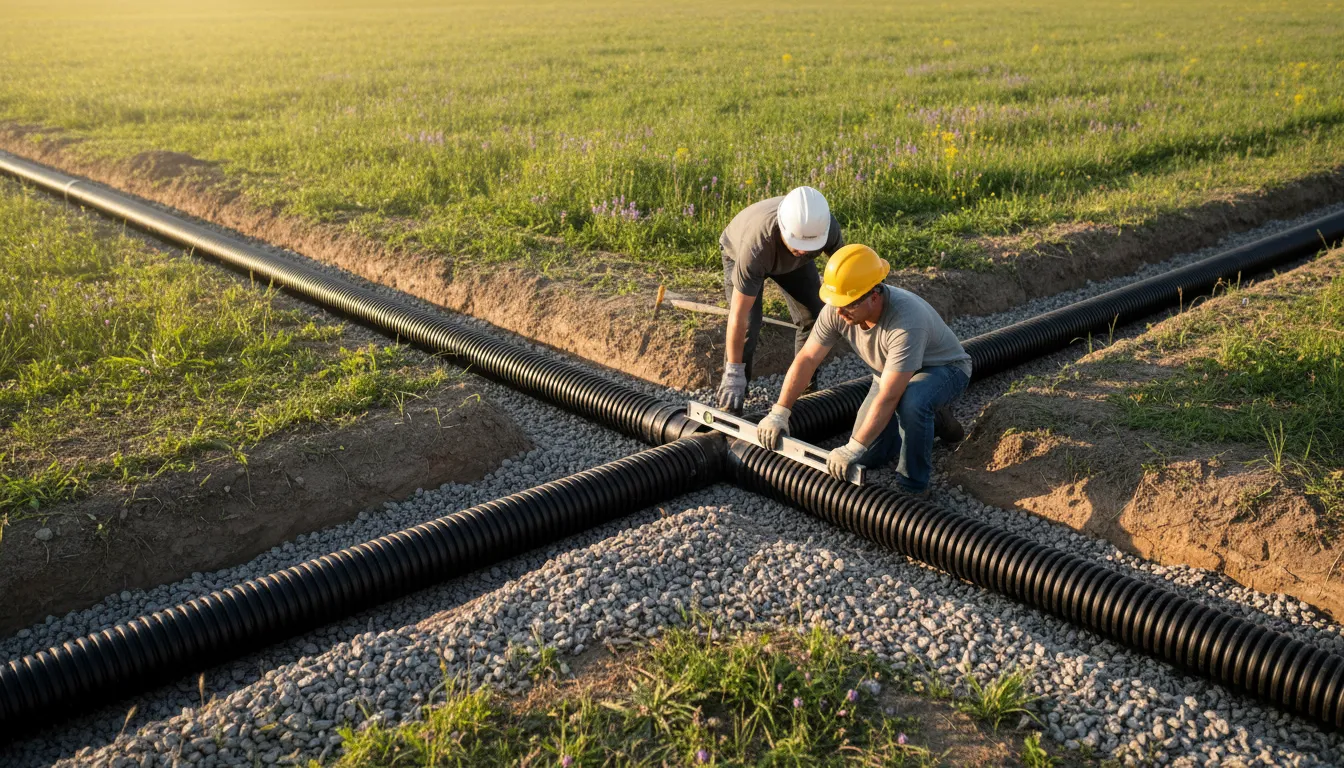
- Excavation: Once permitted, the new drain field area and trench lines are excavated.
- Installation: Perforated pipes are laid in gravel-filled trenches, connected to a distribution box, and covered with more gravel and soil.
- Final Inspection: The certified installer will ensure the system meets code, and a DEQ inspection may be required before the site is fully restored 13.
Maintaining Your New or Repaired Drain Field
Protect your investment with proper care: pump your septic tank every 3-5 years, conserve water, avoid driving or building over the field, and divert rainwater runoff away from it.
Frequently asked questions
Sources
Footnotes
-
Inspection of Septic Systems | Oklahoma State University - https://extension.okstate.edu/fact-sheets/inspection-of-septic-systems.html ↩
-
Statewide Septic Program info - Oklahoma Conservation Commission - https://conservation.ok.gov/wp-content/uploads/2025/02/Statewide-Septic-Program-info-2.pdf ↩
-
Basic Septic System Rules for Oklahoma - https://pods.okstate.edu/fact-sheets/PSS-2918pod.pdf ↩
-
252:641-1-2. Definitions - Oklahoma.gov - https://oklahoma.gov/content/dam/ok/en/deq/documents/executive-offices/events/641-Text-Permanent-Rules.pdf ↩
-
Basic Septic System Rules for Oklahoma - https://extension.okstate.edu/fact-sheets/print-publications/pss/basic-septic-system-rules-for-oklahoma-pss-2918.pdf ↩
-
Buying Acreage in Black Forest: Wells, Septic, Zoning - https://johnsonteamworks.com/blog/buying-acreage-in-black-forest-wells-septic-zoning ↩
-
Cost to Replace Septic Tank and Drain Field [2026 Data] | Angi - https://www.angi.com/articles/how-much-new-drain-fields-foot.htm ↩
-
Land Buyers' Septic System Guide for Oklahoma - https://extension.okstate.edu/fact-sheets/land-buyers-septic-system-guide-for-oklahoma.html ↩
-
Tulsa Septic Systems Costs & Prices - ProMatcher Cost Report - https://septic-systems.promatcher.com/cost/tulsa-ok-septic-systems-costs-prices.aspx ↩
-
Land Buyers' Septic System Guide for Oklahoma - OSU Extension - https://extension.okstate.edu/fact-sheets/print-publications/l/land-buyers-septic-system-guide-for-oklahoma-l-430.pdf ↩
-
Septic System Basics for Realtors | Oklahoma State University - https://extension.okstate.edu/fact-sheets/septic-system-basics-for-realtors.html ↩
-
Soil-Based Septic System Decisions in Oklahoma - https://extension.okstate.edu/fact-sheets/soil-based-septic-system-decisions-in-oklahoma.html ↩
-
Basic Septic System Rules for Oklahoma - https://extension.okstate.edu/fact-sheets/basic-septic-system-rules-for-oklahoma.html ↩