Find the Best Drain Field Repair Companies for Your Business
No obligation • Fast responses • Nationwide coverage

Why you can trust Septic Spot
Septic Spot is a leading United States resource for understanding and comparing septic services. Our editors review providers using consistent criteria and verify key business details. Listings and scores are independent, and companies cannot pay to influence our content.
Search providers near you
Top Drain Field Repair Companies in Beaverton, Oregon Ranked
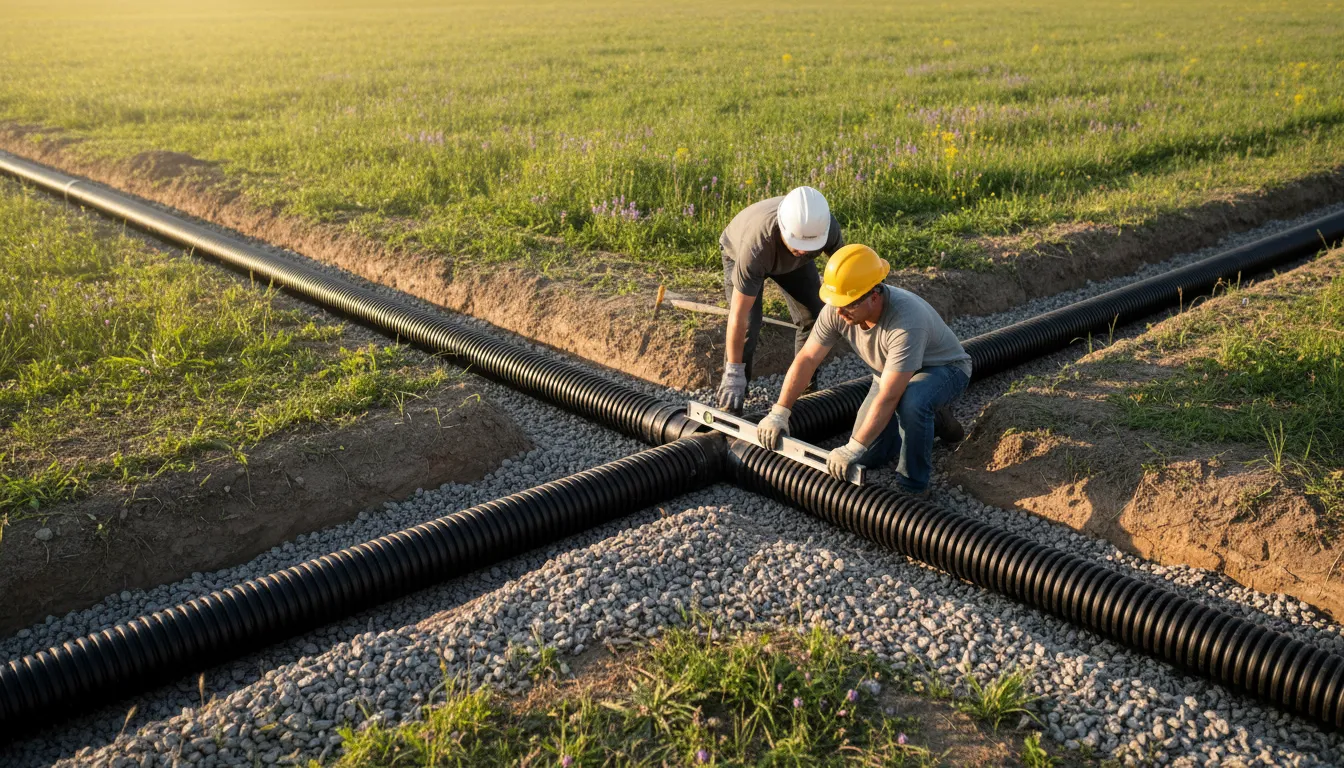
A failing drain field, also known as a leach field or soil absorption system, is a serious issue for any home with a septic system. When this critical component stops properly filtering and dispersing wastewater, it can lead to soggy yards, foul odors, and environmental contamination. In Beaverton, navigating the repair or replacement process involves specific local regulations and environmental considerations. This guide explains the key steps, costs, and requirements to help you understand your options and connect with qualified local professionals for your septic system needs.

Byers Septic Tank Service
Portland, OR
Byers Septic Tank Service is a septic tank pumping and installation company based in Portland, OR. They provide septic tank pumping, new septic system installation, and drain field repair or replacement. The company offers same-day service in most cases and does not charge extra for mileage or after-hours work. Byers Septic Tank Service emphasizes honest and affordable septic services backed by years of experience.
American On Site
Portland, OR
American On Site is a full-service septic provider based in Portland, OR, serving residential, commercial, and civil clients. They offer a wide range of septic services including inspections, pumping, installation, maintenance, and repairs such as drain field replacement and septic pump servicing. The company is experienced in handling all aspects of septic systems, using quality components to ensure proper function and longevity. Since 2003, American On Site has been serving the greater Willamette Valley area, providing expertise in septic system installation and maintenance. They cover multiple counties in Oregon and focus on delivering comprehensive septic solutions to their customers.
Understanding Drain Field Failure in Beaverton
A septic system's drain field is its final stage of treatment, where pre-treated effluent from the tank percolates into the soil. Failure occurs when the soil can no longer absorb liquid, often due to compaction, biomat buildup, hydraulic overloading, or root intrusion. In Beaverton's climate and geology, the seasonal high water table is a common culprit; if the drain field is installed too close to this saturated zone, it cannot function properly. Signs of failure include sewage odors, unusually lush grass over the field, soggy ground, or even wastewater backing up into the home.
Addressing a failed leach field is not a DIY project. Washington County, which encompasses Beaverton, requires all septic system repairs to be permitted and performed by licensed professionals to protect public health and groundwater 1. The process begins with a professional diagnosis to confirm the issue is with the absorption area and not a simpler problem like a clogged pipe.
The Permit Process: Working with Washington County Environmental Health
Any repair to a septic system component, especially the soil absorption field, requires a Repair Construction Installation Permit from the Washington County Environmental Health Program. This regulatory oversight ensures all work meets Oregon Department of Environmental Quality (DEQ) standards.
The process typically follows these steps:
- Site Evaluation: Before any repair design, a new site evaluation is usually required. A county Environmental Health Specialist will visit your property to analyze soil conditions through deep test pits (often 8+ feet), determine the seasonal high water table depth, and assess available space. This evaluation dictates what type of replacement system your property can support.
- System Design & Permit Application: A DEQ-licensed designer or installer uses the site evaluation findings to create a repair plan. This plan, including a detailed plot plan, is submitted to the county for review and approval.
- Permit Issuance: Once the design is approved, Washington County issues the repair permit, authorizing the licensed installer to begin construction.
- Pre-Cover Inspection: This is a critical mandatory inspection. After the new drain field is constructed but before it is covered with soil, a county inspector must examine the work to ensure it matches the approved plans 2.
- Final Approval: Only after passing the pre-cover inspection can the system be buried and put into use.
Key Local Requirements for Beaverton Properties
Beaverton's specific requirements are designed for the region's environmental conditions. Key factors include:
- Soil Depth and Water Table: The system's design is heavily dependent on having adequate depth of suitable soil above bedrock and the seasonal high water table. The required separation distance varies by system type.
- Slope and Setbacks: The installation area must have an appropriate slope (often a minimum of 3% for certain systems) to facilitate distribution without erosion 3. Strict setbacks from property lines, wells, streams, and buildings must be maintained 4.
- Replacement Area: Oregon law often requires that a designated "set-aside" or replacement area be identified on your property plan. This space must be preserved for a future system if the new one eventually fails 5 6.
Types of Drain Field Repairs
Not all issues require a full leach field replacement. Licensed professionals will determine the appropriate scope:
- Minor Repair: This may involve replacing clogged or broken distribution pipes, repairing a damaged distribution box, or addressing issues with the septic tank itself. These repairs generally involve a simpler permit process.
- Major Repair/Replacement: This refers to the complete replacement of the failed soil absorption system. This is a major construction project and requires the full site evaluation and permitting process outlined above 7. The new system may be a standard trench system or, if site conditions are poor, a more complex specialized system like a sand filter or pressure distribution system.
Find the perfect drain field repair companies for your needs
Get personalized recommendations and expert advice
Cost Considerations for Drain Field Projects
The cost for drain field repair or replacement in Beaverton varies widely based on the system's complexity and site conditions. For a major leach field replacement, homeowners can typically expect a total project cost ranging from $5,000 to over $12,000 8. Several factors influence this range:
- System Type: A conventional gravity-fed trench system is generally the most affordable option. If your site requires an advanced treatment system (like a sand filter, mound, or pressure distribution system) due to poor soil or a high water table, costs will be significantly higher 9.
- Extent of Excavation: The size of the new field and the amount of soil that needs to be moved directly impact labor and equipment costs.
- Permitting and Design Fees: These include county fees for the site evaluation, permit application, and inspections, as well as potential fees for professional design services.
- Landscaping Restoration: After installation, you'll need to budget for restoring your yard, which can add to the overall expense.
It's crucial to get detailed, written estimates from multiple licensed installers that break down all these components.
Choosing a Licensed Professional in Beaverton
Selecting the right contractor is paramount. Always verify that any professional you contact holds a current Oregon DEQ License for Onsite System Installation. They should be intimately familiar with Washington County's specific procedures and forms. A reputable installer will:
- Handle or guide you through the county permitting process.
- Provide a clear, detailed contract and estimate.
- Obtain all necessary inspections.
- Offer guidance on proper system maintenance after installation.
Proper maintenance, including regular septic tank pumping and water conservation, is the best way to extend the life of your new drain field 10.
Frequently asked questions
Sources
Footnotes
-
Onsite Sewage | Washington County, OR - https://www.washingtoncountyor.gov/environmental-health/onsite-sewage ↩
-
REPAIR PERMIT FOR A SEPTIC SYSTEM PROCEDURE ... - https://www.washingtoncountyor.gov/so/media/49126/download?inline ↩
-
OAR 340-071-0220 - Standard Subsurface Systems - OregonLaws - https://oregon.public.law/rules/oar_340-071-0220 ↩
-
REPAIR PERMIT FOR A SEPTIC SYSTEM PROCEDURE & CRITERIA - https://www.washingtoncountyor.gov/hhs/documents/repair-permit-pack/download?inline ↩
-
SITE EVALUATION FOR A SEPTIC SYSTEM ... - https://www.washingtoncountyor.gov/hhs/documents/site-eval-packet/download?inline ↩
-
About Septic Systems : Residential Resources - Oregon.gov - https://www.oregon.gov/deq/residential/pages/onsite-about.aspx ↩
-
Repair Permit Guide for Septic Systems - Oregon.gov - https://www.oregon.gov/deq/FilterDocs/os-RepairPermit.pdf ↩
-
Cost to Replace Septic Tank and Drain Field [2026 Data] | Angi - https://www.angi.com/articles/how-much-new-drain-fields-foot.htm ↩
-
Oregon Septic System Requirements - Greenbar Excavation - https://greenbarexcavation.com/oregon-septic-system-requirements/ ↩
-
Septic System DO's and DON'Ts - Oregon.gov - https://www.oregon.gov/deq/FilterDocs/SepticDoDont.pdf ↩