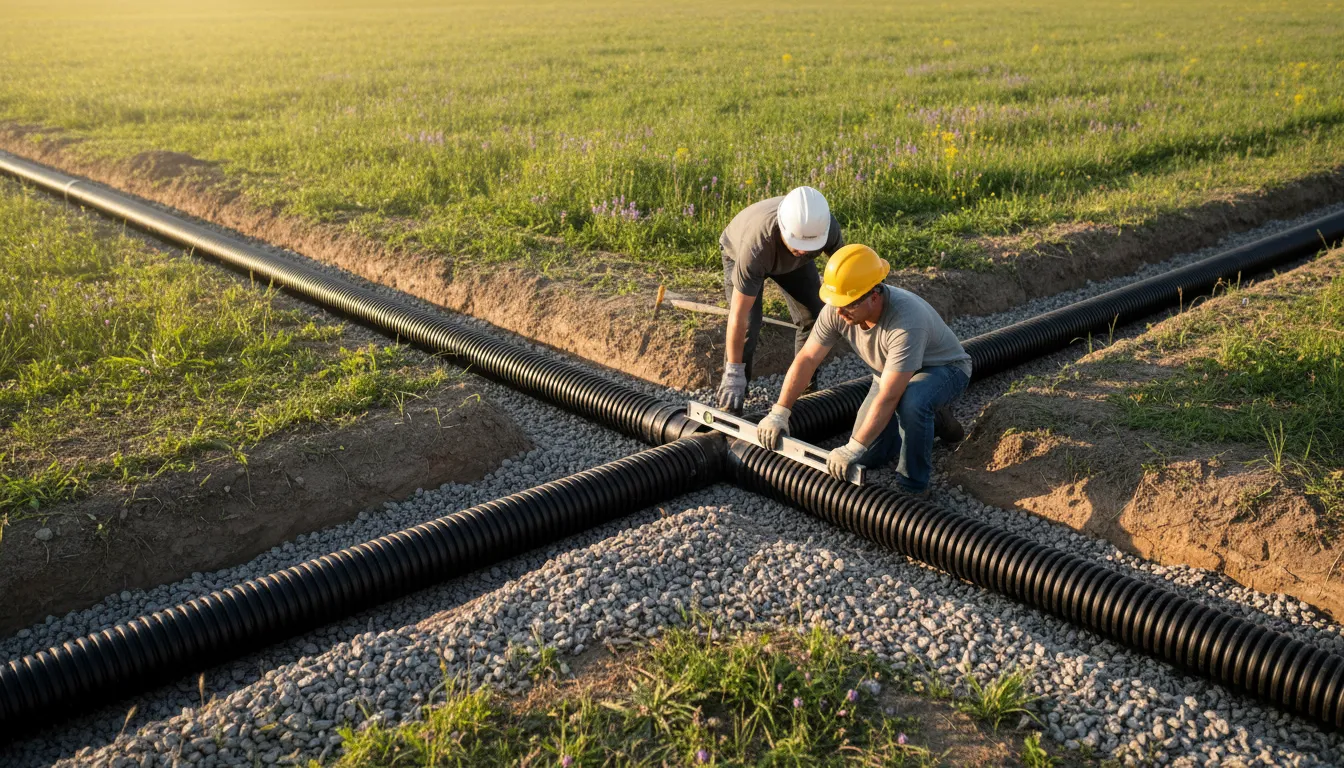
Find the Best Drain Field Repair Companies for Your Business
No obligation • Fast responses • Nationwide coverage

Why you can trust Septic Spot
Septic Spot is a leading United States resource for understanding and comparing septic services. Our editors review providers using consistent criteria and verify key business details. Listings and scores are independent, and companies cannot pay to influence our content.
Search providers near you
Top Drain Field Repair Companies in Tigard, Oregon Ranked
A failing septic system drain field is a serious issue for any Tigard homeowner, often signaled by soggy patches in the yard, unpleasant odors, or slow-draining fixtures. Drain field repair and replacement is the specialized process of diagnosing and fixing the soil absorption area of your septic system, which is critical for safely dispersing treated wastewater. This guide explains the local regulations, procedures, and key considerations for managing a failing leach field in Washington County, helping you understand the steps to restore your property's essential wastewater infrastructure.
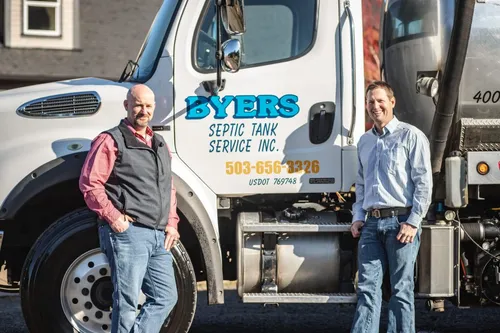
Byers Septic Tank Service
Portland, OR
Byers Septic Tank Service is a septic tank pumping and installation company based in Portland, OR. They provide septic tank pumping, new septic system installation, and drain field repair or replacement. The company offers same-day service in most cases and does not charge extra for mileage or after-hours work. Byers Septic Tank Service emphasizes honest and affordable septic services backed by years of experience.
Mr. Rooter Plumbing of Salem - Keizer Office
8030 Wheatland Rd N, Keizer, OR 97303
Mr. Rooter Plumbing of Salem - Keizer Office provides a range of plumbing services in Salem, OR, including septic tank inspections, septic system repairs, and drain field maintenance. They use advanced tools such as HydroScrub Drain Jetting and sewer camera inspections to diagnose and address sewer and drain issues efficiently. Their services also include trenchless sewer line replacements to minimize property disruption. The company offers comprehensive septic system care to help prevent backups and leaks, ensuring system longevity. Additionally, they provide emergency plumbing services to handle urgent situations promptly.
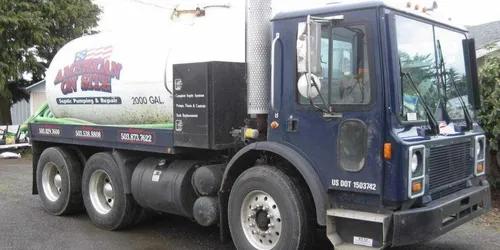
American On Site
Portland, OR
American On Site is a full-service septic provider based in Portland, OR, serving residential, commercial, and civil clients. They offer a wide range of septic services including inspections, pumping, installation, maintenance, and repairs such as drain field replacement and septic pump servicing. The company is experienced in handling all aspects of septic systems, using quality components to ensure proper function and longevity. Since 2003, American On Site has been serving the greater Willamette Valley area, providing expertise in septic system installation and maintenance. They cover multiple counties in Oregon and focus on delivering comprehensive septic solutions to their customers.
Understanding Your Septic System's Drain Field
Often called a leach field or soil absorption field, the drain field is the final and most crucial stage of a conventional septic system. After solids settle in the tank, liquid effluent flows into a network of perforated pipes buried in trenches filled with gravel. This effluent slowly percolates into the soil, where natural biological processes provide the final treatment before it rejoins the groundwater. When this area fails, untreated wastewater can surface, creating health hazards and environmental contamination. In Tigard, all work on this component is regulated by Washington County Environmental Health under Oregon Department of Environmental Quality (DEQ) standards 1.
Signs You Need Drain Field Repairs
Recognizing early warning signs can prevent a complete system failure and more costly repairs. Be alert for these common indicators:
- Soggy Ground or Surfacing Effluent: The most direct sign is standing water or persistently wet, spongy soil over the drain field area, especially when it hasn't rained.
- Sewage Odors: Unpleasant smells emanating from the yard or near the septic tank and drain field.
- Slow Drains and Backups: Gurgling pipes, slow-draining sinks and toilets, or sewage backing up into household drains.
- Unusually Green Grass: Patches of grass over the drain field that are much lusher and grow faster than the rest of the lawn, indicating a nutrient overload from effluent.
- Failed System Inspection: A routine septic inspection may reveal high liquid levels in the tank or other evidence of absorption field failure.
If you notice any of these signs, it's time to contact a licensed professional for an evaluation. Ignoring them can lead to property damage, permit violations, and significant environmental health risks.
The Tigard and Washington County Permit Process
Virtually any repair involving the soil absorption facility in Washington County requires a Major Repair Permit. You cannot simply hire a contractor to dig up and replace a leach field without going through the official county approval process. Here's a step-by-step overview:
- Initial Evaluation and Application: A DEQ-licensed installer or the homeowner must identify the failure and apply for a System Repair Evaluation (SRE) or a Major Repair Permit with Washington County Environmental Health. This application includes details about the property and the proposed repair area.
- Site Evaluation and Soil Testing: This is the cornerstone of the process. A Site Evaluation Report, assessing soil conditions and water table depth, must be completed before a repair permit can be issued. A county Environmental Health Specialist will visit to examine the site, but critical data comes from test pits. A minimum of two test pits (approximately 75 feet apart) must be dug in the proposed repair area to determine soil texture, structure, depth to bedrock, and seasonal high-water table.
- Permit Design and Issuance: Based on the site evaluation, a new drain field design is created to meet the specific soil conditions of your property. Once the design is approved, the county issues the Major Repair Permit. This permit is valid for one year from the date of issue 2.
- Construction and Mandatory Inspection: The actual repair or replacement work must be done by a DEQ-licensed installer or the homeowner. Before the new drain field is covered with soil, a "pre-cover" inspection by the county is mandatory to ensure the construction matches the permitted design. This inspection cannot be skipped unless formally waived by the county 3.
Key Factors Influencing Drain Field Design and Cost
Several site-specific factors determined during the evaluation will directly impact the repair approach and overall project cost.
- Soil Type: Soil is the natural filter for your system. Ideal soil has a balanced texture-not too dense like clay (which prevents percolation) and not too loose like gravel or sand (which allows untreated effluent to pass through too quickly) 4. The soil analysis from your test pits dictates the size and type of drain field needed.
- Water Table and Slope: The seasonal high-water table level is critical. The bottom of the drain field trenches must be placed well above this level to function. Similarly, the slope of your property affects system design and may require specialized construction like a mound system.
- Setback Requirements: Oregon law mandates minimum distances (setbacks) between drain fields and other features. For example, drain fields must typically be at least 100 feet from any water well and specific distances from property lines, streams, and buildings 5 6. Your repair area must comply with all current setbacks.
- Replacement Area: A crucial long-term requirement is that your property must have a designated, protected area suitable for a full future system replacement. This ensures that when the newly repaired field eventually fails, there is a legal space to install a completely new system 7.
Find the perfect drain field repair companies for your needs
Get personalized recommendations and expert advice
Repair vs. Complete Replacement
The scope of work can vary significantly. A repair might involve replacing a clogged section of pipe, re-leveling distribution boxes, or adding additional lateral lines to an existing field. A full replacement means abandoning the old leach field and constructing an entirely new soil absorption system in a different, approved location on your property. The county's site evaluation will determine which option is viable. Often, if the original field has failed due to soil compaction or long-term biomat buildup, a full replacement in a new reserve area is the only permanent solution.
Understanding the Costs Involved
Drain field work is a significant investment. While minor septic tank repairs are less expensive, a major drain field repair or full replacement can cost several thousand dollars. Costs are influenced by:
- Permit and Fees: Washington County charges fees for the site evaluation and the Major Repair Permit itself. These fees are subject to change, so checking the county's current fee schedule is essential 8.
- Professional Services: You will likely need to pay for a licensed installer or engineer to conduct soil tests (test pits), design the system, and pull the permit. In some complex cases, a professional soil scientist or geologist may be required 9 10.
- Excavation and Materials: The bulk of the cost comes from excavation work, gravel, piping, geotextile fabric, and other construction materials. The size and depth of the required field, as dictated by your soil, are the biggest cost drivers.
- System Type: A standard trench system is generally less expensive than alternative systems like mounds, sand filters, or pressurized drip irrigation, which may be required for challenging sites with poor soil or high water tables.
It's worth noting that there may be no fee for an initial System Repair Evaluation (SRE) if your system is in active failure, but subsequent permit and inspection fees will apply 11 12.
Choosing a Licensed Professional in Tigard
Given the regulatory complexity, working with a DEQ-licensed septic installer is highly recommended. These professionals understand the local Washington County procedures, can perform the required soil evaluations, prepare the correct permit paperwork, and ensure the construction passes the final inspection. They can also help you explore all possible options, including newer, more compact technologies that might be suitable for smaller lots. Always verify a contractor's license with the Oregon DEQ and ask for references from recent drain field projects in the area.
Maintaining Your New Drain Field
Once your new leach field is installed, proper maintenance is key to ensuring its longevity. This includes regular septic tank pumping (typically every 3-5 years), conserving water to avoid hydronic overload, avoiding planting trees near the field, and never driving or parking heavy vehicles over the absorption area. Protecting your investment starts the day the new system is activated.
Frequently asked questions
Sources
Footnotes
-
Site Evaluation for a Septic System Procedure & Criteria - https://www.washingtoncountyor.gov/environmental-health/documents/site-evalutaion-procedures-criteria-spetic-system-approval-04-22pdf/download?inline ↩
-
Repair Permit for a Septic System Procedure and Criteria - https://www.washingtoncountyor.gov/hhs/documents/repair-procedure-and-criteria/download?inline ↩
-
REPAIR PERMIT FOR A SEPTIC SYSTEM PROCEDURE ... - https://www.washingtoncountyor.gov/hhs/documents/repair-permit-pack/download?inline ↩
-
Soil Types & Their Impact on Septic Systems - Bio-Sol - https://bio-sol.ca/en/blog/soils-types-impact-on-septic-systems/ ↩
-
Private Wells Should Be Sited Far from Septic Tanks and Field Lines - https://www.apecwater.com/blogs/water-quality/j8-08-private-water-wells-sited-from-septic-tanks-fieldlines ↩
-
Soil Testing For Septic Systems | Septic Perc Testing | BC Testing And Cost - https://groundstone.ca/2018/08/soil-testing-for-septic-systems/ ↩
-
Repair Permit for a Septic System Procedure and Criteria - https://www.washingtoncountyor.gov/hhs/documents/repair-procedure-and-criteria/download?inline ↩
-
REPAIR PERMIT FOR A SEPTIC SYSTEM PROCEDURE ... - https://www.washingtoncountyor.gov/hhs/documents/repair-permit-pack/download?inline ↩
-
Installing Septics Procedures - Oregon.gov - https://www.oregon.gov/deq/FilterDocs/newsysinstprocs.pdf ↩
-
Oregon Septic System Requirements - Greenbar Excavation - https://greenbarexcavation.com/oregon-septic-system-requirements/ ↩
-
Septic Frequently Asked Questions - Clackamas County - https://www.clackamas.us/septic/faq.html ↩
-
Repair Permit Guide for Septic Systems - Oregon.gov - https://www.oregon.gov/deq/FilterDocs/os-RepairPermit.pdf ↩