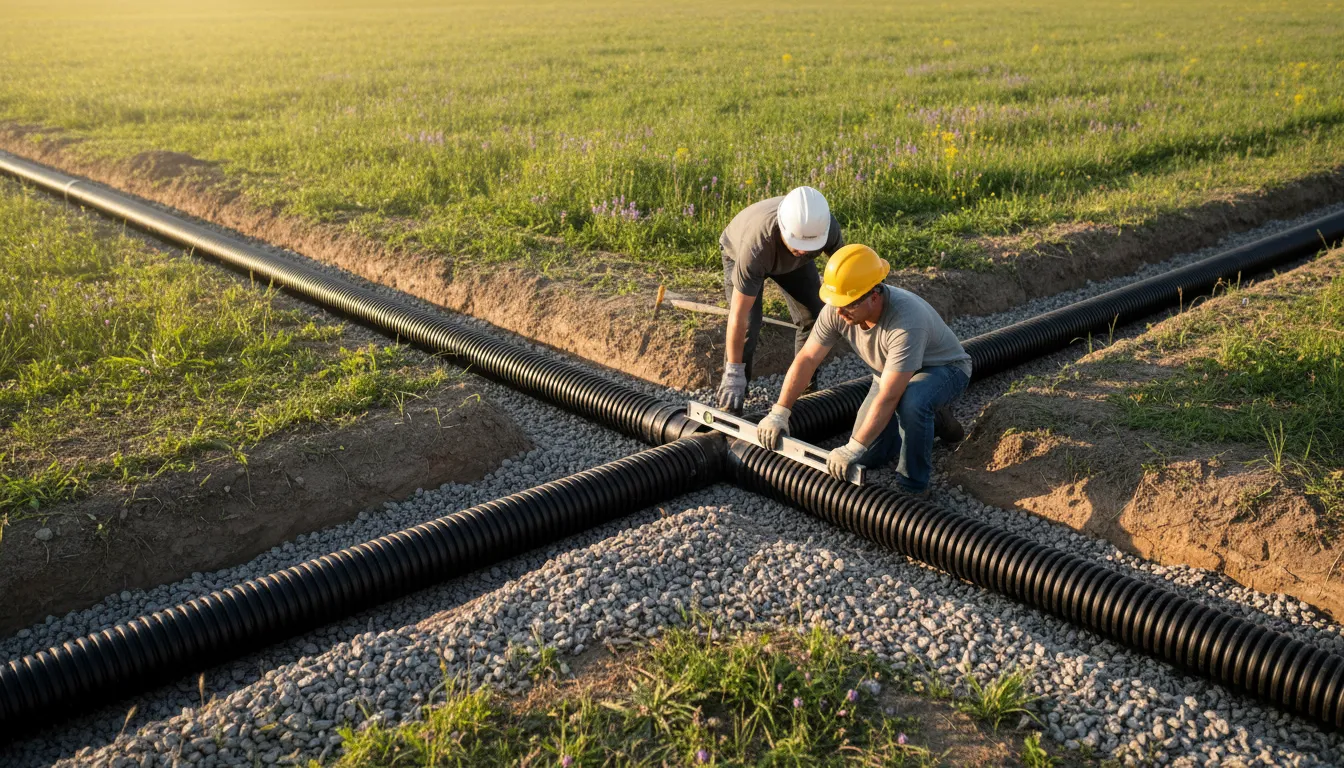
Find the Best Drain Field Repair Companies for Your Business
No obligation • Fast responses • Nationwide coverage

Why you can trust Septic Spot
Septic Spot is a leading United States resource for understanding and comparing septic services. Our editors review providers using consistent criteria and verify key business details. Listings and scores are independent, and companies cannot pay to influence our content.
Search providers near you
Top Drain Field Repair Companies in Columbia, South Carolina Ranked
A failing drain field is a serious issue for any Columbia homeowner with a septic system. This critical component, also known as a leach field or absorption field, is responsible for safely filtering and dispersing treated wastewater into the soil. When it malfunctions, you may face sewage backups, soggy lawns, and unpleasant odors. Understanding the local regulations, repair process, and costs is essential for protecting your property and health. This guide provides the information you need to navigate drain field issues, connect with qualified local professionals, and ensure your system is restored to proper working order.
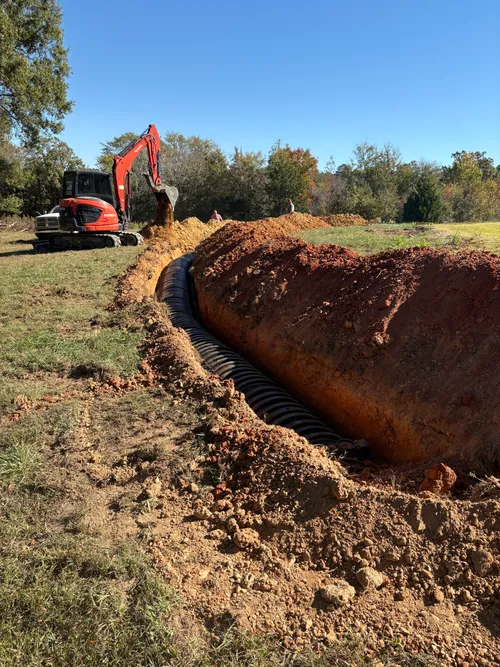
Skipper's Septic Service LLC
444 Clinton Church Rd, Salley, SC 29137
Skipper's Septic Service LLC provides septic system installation, maintenance, repair, and inspections for residential and commercial properties in Augusta, GA. Their services include septic tank pumping, drain field repair and replacement, grease trap installation and cleaning, and well installation. The company handles everything from site evaluation to final installation, ensuring compliance with local and state regulations. They also offer septic system inspections for home buyers and sellers. Skipper's Septic Service LLC has years of experience and provides emergency septic services.
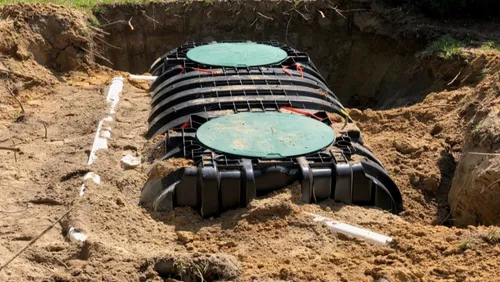
C.E. Taylor & Son Inc
128 Taylor Ln, Lexington, SC 29073
C.E. Taylor & Son Inc is a full-service septic tank company serving Augusta, GA. They provide residential and commercial septic tank pumping, inspection, repair, installation, and maintenance. Their services include drain field repair or replacement, grease trap pumping, high-pressure jetting, and sewer line repairs. With decades of experience, they use current techniques and quality products to address various septic system issues. The company is also available for emergency septic tank services.
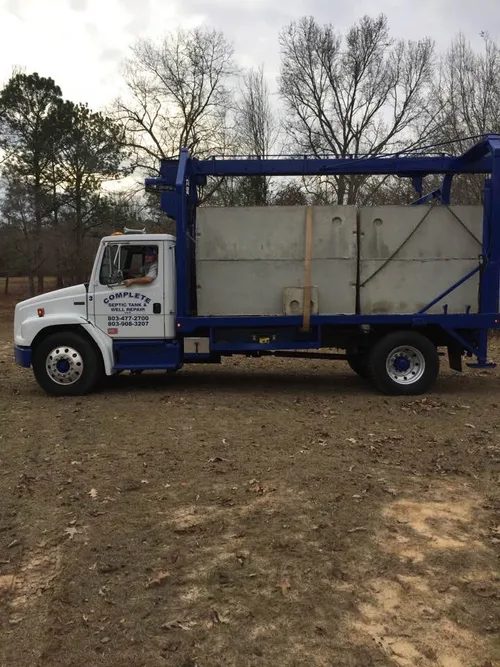
Complete Septic Tank LLC
1543 Swansea Rd, Pelion, SC 29123
Complete Septic Tank LLC is a full-service septic system provider based in Augusta, GA. They offer residential and commercial septic tank pumping, installation, repairs, and inspections, including grease trap pump-outs for restaurants and well services such as installation and repair. The company also provides septic tank and well inspection letters for home buyers and sellers. Their services cover issues like septic tank pump-outs and drain field repairs, using advanced technology to support conservation and cost reduction.
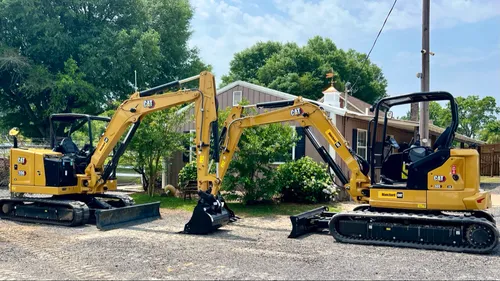
Sharpe's Septic Tank & Well Drilling Service LLC
3660 Fish Hatchery Rd, Gaston, SC 29053
Sharpe's Septic Tank & Well Drilling Service LLC provides septic system installation, inspection, pumping, repair, and maintenance services in Augusta, GA. The company also handles grease interceptors, sewer lift stations, and drain field repairs. With over 50 years of experience since 1966, Sharpe's follows state specifications and offers a range of services including septic system installation, pump repair, and septic inspections. The business is licensed, bonded, and insured, serving both residential and commercial clients in the area.
Understanding Your Septic System's Drain Field
The drain field is the final stage of your onsite wastewater treatment system. After solids settle in the septic tank, the liquid effluent flows out into a network of perforated pipes buried in trenches filled with gravel. This effluent slowly percolates through the soil, where natural processes remove harmful bacteria, viruses, and nutrients before the water rejoins the groundwater. A healthy drain field relies on specific soil conditions to function properly. Over time, however, biomat buildup, compaction, root intrusion, or hydraulic overloading can cause the field to fail, necessitating repair or a full replacement.
South Carolina and Columbia Area Regulations
In South Carolina, all septic system work, including drain field repair and replacement, is regulated by the South Carolina Department of Environmental Services (SCDES), formerly known as DHEC 1 2. Homeowners are legally responsible for maintaining their systems and for the cost of any repairs if a failure occurs. Crucially, any repair, alteration, or installation must be performed by a state-licensed contractor 1.
The Permit Process
Before any work can begin, you or your contractor must obtain a "Permit to Construct" from SCDES. This permit application requires a site survey or plat and is submitted to your local Environmental Affairs Office. The permit ensures that the proposed repair or new leach field design meets all state health and environmental standards. SCDES will also conduct a final inspection of the installation before the trenches are covered with soil.
Local Inspection Ordinances
While South Carolina state law does not mandate regular inspections for all existing systems, it's important to note that some local municipalities in the Columbia area have passed ordinances requiring periodic inspection of septic systems 3. These local rules are designed to identify failing systems before they become public health hazards. Checking with your local county health department is a prudent step for any homeowner.
The Site Evaluation: Soil and Location Are Key
A successful drain field installation depends entirely on the site's characteristics. An SCDES inspector or an approved professional will conduct a thorough site evaluation, which includes taking soil borings, to determine suitability. Key factors they assess include:
- Soil Color and Texture: Soil color is a primary indicator of the seasonal high-water table. Red or brown soils typically indicate good aeration, while gray or mottled soils signal a high water table that can interfere with drainage 4. Soil texture is equally important; clay-heavy soils require a larger drain field area due to slow percolation, while sandy soils allow for faster absorption.
- Slope and Topography: The site must have a suitable slope to allow for drainage but cannot be in a steep gully or ravine where runoff could saturate the field.
- Required Setbacks: State law mandates minimum distances (setbacks) between a new or replacement drain field and features like private wells, property lines, buildings, and surface water 5. These rules protect water sources from contamination.
- Repair Area: South Carolina regulations require that a suitable 50% repair area be available on your property for a new or replacement system 6 7. This is a designated space where a future drain field can be installed if the current one fails, providing a long-term solution.
Find the perfect drain field repair companies for your needs
Get personalized recommendations and expert advice
The Step-by-Step Repair and Replacement Process
Facing a drain field problem can feel overwhelming, but following the proper sequence simplifies the process.
- Professional Assessment: Contact a licensed septic contractor in Columbia. They will evaluate your entire system to confirm the drain field is the source of failure, looking for signs like sewage backups, surfacing effluent, or persistently soggy ground.
- Site Evaluation and Soil Testing: Your contractor will coordinate the official site evaluation and soil testing with SCDES or an approved professional to determine the best course of action 8.
- System Design and Permit Application: Based on the soil evaluation, a new system layout will be designed if a full replacement is needed. Your contractor will then handle the "Permit to Construct" application with SCDES on your behalf 9.
- Installation: Once the permit is approved, the licensed contractor will excavate and install the new drain field or perform the approved repair. This work must adhere precisely to the permitted design.
- Final Inspection: Before the new trenches are backfilled, an SCDES inspector must visit the site to approve the installation. Only after passing this inspection can the system be covered and put into use.
Understanding the Costs Involved
The cost of drain field work in Columbia varies significantly based on the scope. It's one of the most expensive septic system repairs a homeowner can face.
- Permitting Fees: SCDES determines the fees for the repair permit, which are generally paid at the time of application 10.
- Localized Repairs: In some cases, only a portion of the drain field may need attention. Specific South Carolina assistance programs have noted localized fixes for around $800, but this is highly situation-dependent and not the norm for a complete failure 11.
- Full Drain Field Replacement: This is typically the costliest option. Prices depend on the size of the field required by the soil evaluation, the complexity of excavation, and local material and labor rates. Replacing associated components like pumps or alarms can add $800 to $2,000 to the total 12.
- System Upgrades: If your existing system is outdated or the site conditions have changed, you may need to upgrade to a more advanced treatment system, which will increase costs.
It is important to know that SCDES does not provide funding or financing options for individual home septic repairs 13. Homeowners are responsible for all costs. Some contractors may offer payment plans, and it's worth exploring if personal loans or home equity lines of credit are an option for you.
Maintaining Your New or Repaired Drain Field
Protecting your investment is crucial. Proper maintenance can extend the life of your new drain field for decades. Key practices include:
- Regular Pumping: Have your septic tank pumped every 3-5 years by a licensed pumper to prevent solids from escaping into and clogging the drain field.
- Water Conservation: Spread out laundry loads and fix leaky fixtures to avoid hydraulically overloading the system.
- Mind What You Flush: Only human waste and toilet paper should go down the drain. Avoid chemicals, grease, wipes, and other non-biodegradables.
- Protect the Area: Never drive or park vehicles over the drain field, and avoid planting trees or deep-rooted shrubs nearby.
Frequently asked questions
Sources
Footnotes
-
Be Septic Safe - Clemson University - https://www.clemson.edu/extension/water/resources/be-septic-safe.html ↩ ↩2
-
4/21/2024 1 septic tank inspections and maintenance - https://www.masc.sc/sites/default/files/uploads/affiliated-associations/for-web-septic-tank-inspections-and-maintenance-presentation-for-2q-scasm.pdf ↩
-
Septic Tanks - Frequently Asked Questions | South Carolina ... - https://des.sc.gov/permits-regulations/septic-tanks/homeowner-resources/septic-tanks-frequently-asked-questions ↩
-
Before You Buy Land | South Carolina Department of Environmental ... - https://des.sc.gov/permits-regulations/septic-tanks/homeowner-resources/you-buy-land ↩
-
Minimum Site Conditions for Onsite Wastewater Systems - https://www.law.cornell.edu/regulations/south-carolina/R-61-56.200 ↩
-
Site Inspections | South Carolina Department of ... - https://des.sc.gov/permits-regulations/septic-tanks/homeowner-resources/site-inspections ↩
-
Septic Tanks - Residential, Single Home Builder - https://des.sc.gov/permits-regulations/septic-tanks/permits-licenses/septic-tanks-residential-single-home-builder ↩
-
Site Inspections | South Carolina Department of ... - https://des.sc.gov/permits-regulations/septic-tanks/homeowner-resources/site-inspections ↩
-
Septic Services - WeCo Rooter | Columbia, SC - https://wecorooter.com/septic-services/ ↩
-
Septic Tanks - Residential Subdivision Builder - https://des.sc.gov/permits-regulations/septic-tanks/permits-licenses/septic-tanks-residential-subdivision-builder ↩
-
Basics for Septic Systems in Upstate SC - https://carolinacountrysideproperties.com/septic-systems-in-upstate-sc/ ↩
-
South Carolina Septic Tank Regulations - https://www.septicconnection.com/south-carolina-septic-tank-regulations ↩
-
Backups, Leaks and Odors | South Carolina Department of ... - https://des.sc.gov/permits-regulations/septic-tanks/homeowner-resources/backups-leaks-and-odors ↩