Find the Best Drain Field Repair Companies for Your Business
No obligation • Fast responses • Nationwide coverage

Why you can trust Septic Spot
Septic Spot is a leading United States resource for understanding and comparing septic services. Our editors review providers using consistent criteria and verify key business details. Listings and scores are independent, and companies cannot pay to influence our content.
Search providers near you
Top Drain Field Repair Companies in Mount Pleasant, South Carolina Ranked
A failing drain field, also known as a leach field, is a serious issue for any home with a septic system. It's the final, critical stage where treated wastewater is dispersed into the soil. When it fails, it can lead to soggy yards, foul odors, and even sewage backups into your home. In Mount Pleasant, managing this component is especially important due to the local coastal environment. This guide explains the process, regulations, and key considerations for leach field repair or replacement, helping you connect with qualified local professionals to restore your system's function.
Understanding Your Septic System's Drain Field
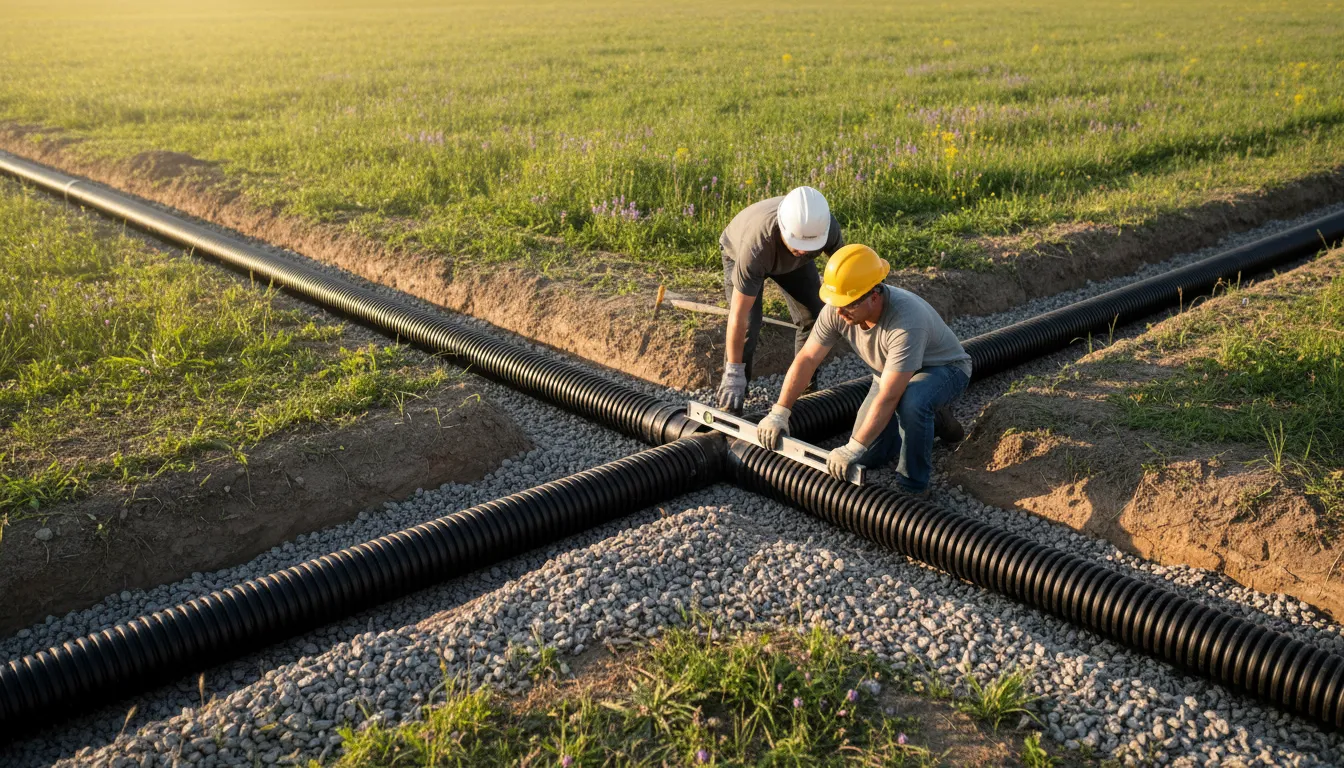
The drain field is the unsung hero of your onsite wastewater treatment system. After solids settle in the septic tank, the liquid effluent flows out to a network of perforated pipes buried in trenches filled with gravel or other aggregate. This area is designed to allow the effluent to slowly percolate into the soil, where natural processes provide final treatment by removing harmful bacteria, viruses, and nutrients. A healthy leach field is essential for protecting both your property and the local groundwater, which is a shared resource in our community.
Why Drain Fields Fail in Mount Pleasant
Several factors common to the Lowcountry can accelerate leach field problems. Understanding these can help with prevention and diagnosis.
- High Water Table: Mount Pleasant's coastal geography means the seasonal high groundwater level can be very close to the surface. If a drain field is installed too shallowly or the water table rises, it can saturate the soil, preventing proper effluent absorption and causing system failure.
- Soil Composition: The area features sandy soils, which allow for rapid drainage. While this can reduce the required size of the field, it may also allow wastewater to pass through too quickly before it's fully treated. Conversely, pockets of soil with high clay content can prevent percolation altogether, leading to ponding and failure.
- System Age and Overload: Like any component, drain fields have a finite lifespan, typically 20-30 years. Excessive water use from large households, leaking fixtures, or improper disposal of grease and non-biodegradable materials can clog the soil pores and pipes, leading to premature failure.
- Physical Damage: Driving heavy vehicles or equipment over the drain field area can crush pipes or compact the soil, destroying its ability to absorb water.
The Regulatory Landscape: SCDES Permits and Requirements
All work involving a septic system drain field in South Carolina is strictly regulated by the South Carolina Department of Environmental Services (SCDES). You cannot simply hire a contractor to dig up and replace a failing field. The process is designed to ensure public health and environmental safety.
The Permit to Construct is Mandatory Any repair that involves replacing the drain field requires a Permit to Construct from your local SCDES office. This applies if you are enlarging the system, moving its location, or installing a completely new leach field. Minor repairs to existing distribution lines may have different requirements, but a professional assessment is needed first.
Working with Licensed Professionals State law requires that the installation, repair, or alteration of a septic system be performed by an SCDES-licensed contractor 1. These professionals understand the local codes, can properly file the necessary paperwork, and ensure the system is built to last.
The Critical "Repair Area" Requirement A key regulation is the designation of a repair or replacement area on your property. This is a suitable space, separate from the original drain field, that is reserved for future use if the first field fails. For a single-family home, this area must be at least 50% the size of the original system's drain field 2. This ensures there is a viable location for a new system without requiring a major redesign of your property.
Connection to Public Sewer is Priority It's important to note Mount Pleasant Town Code § 155.053, which states that if a public sewer line is available within 500 feet of your property line, you are generally required to connect to it 3. Before investing in a major drain field replacement, verify with Mount Pleasant Waterworks (MPW) whether sewer service is accessible to your home.
The Step-by-Step Process for Repair or Replacement
Navigating a drain field project involves multiple stages, from diagnosis to final approval.
- Professional System Inspection: The first step is to have a licensed professional conduct a thorough inspection to confirm the drain field is the source of the problem, and not a clogged pipe or full septic tank. This diagnostic service typically costs between $800 and $2,000.
- Site Evaluation & Soil Analysis: If replacement is needed, your contractor will apply for a Permit to Construct. An SCDES inspector will then visit your property to evaluate the site. They will examine soil type, color, and texture through deep soil borings to determine its suitability and size requirements for a new leach field 4 5. Homeowners are usually responsible for having the site prepared (cleared, staked) and providing a plot plan for this evaluation.
- Design and Permit Approval: Based on the soil evaluation and your home's size (number of bedrooms), a system is designed. The SCDES reviews the application (which includes a $150 fee) and, if everything is in order, issues the Permit to Construct 6 7.
- Installation by Licensed Contractor: Your chosen contractor will install the new leach field according to the approved design, ensuring proper depth, setbacks from property lines and wells, and the use of approved materials 8.
- Final Inspection: Before the new drain field is covered with soil, it must pass a final inspection by SCDES or a certified self-inspector 9. Only after this approval can the installation be completed.
Find the perfect drain field repair companies for your needs
Get personalized recommendations and expert advice
Cost Considerations for Drain Field Projects
The cost of addressing a failing leach field in Mount Pleasant can vary widely based on the scope of work and site conditions.
- Minor Repairs: Fixing a clogged or broken distribution line is generally less expensive, but costs depend on the extent of the excavation needed.
- Complete Drain Field Replacement: This is a significant investment. For a full leach field replacement, homeowners can expect costs to typically range from $8,000 to over $20,000 10. The final price depends heavily on:
- Home Size: The number of bedrooms dictates the required capacity and size of the drain field.
- Soil Conditions: Challenging soils (like heavy clay) or a very high water table may require a larger field or more advanced (and costly) system technology.
- System Type: Alternatives to traditional gravel trenches, such as gravel-less systems or advanced treatment units, can affect the price.
- Access and Landscaping: Difficult site access or the need to remove decks, patios, or mature landscaping can add considerable expense.
Maintenance and Prevention Programs
Proactive care is the best way to extend the life of your drain field. This includes conserving water, avoiding pouring fats or chemicals down the drain, and having your septic tank pumped regularly (every 3-5 years).
Notably, Mount Pleasant Waterworks (MPW) offers a voluntary Septic System Maintenance Program for its residential customers 11. This program can include a baseline inspection and, depending on the plan, may offer some coverage for repairs. Contacting MPW to understand the benefits of this local program is a wise step for any septic system owner.
Choosing the Right Professional in Mount Pleasant
Selecting a qualified contractor is the most important decision you'll make. Look for a professional who is:
- SCDES-Licensed: This is non-negotiable for obtaining permits and ensuring legal work.
- Local Experience: Familiarity with Mount Pleasant's specific soil conditions, water table issues, and municipal requirements is invaluable.
- Transparent and Detailed: They should provide a clear, written estimate that breaks down costs for diagnostics, permit fees, installation, and any optional services.
- Well-Reviewed: Seek out references and read reviews from local homeowners who have undergone similar projects.
Frequently asked questions
Sources
Footnotes
-
Site Inspections | South Carolina Department of ... - https://des.sc.gov/permits-regulations/septic-tanks/homeowner-resources/site-inspections ↩
-
Minimum Site Conditions for Onsite Wastewater Systems - https://www.law.cornell.edu/regulations/south-carolina/R-61-56.200 ↩
-
§ 155.053 SEWER AND WATER SUPPLY. - https://codelibrary.amlegal.com/codes/mtpleasantsc/latest/mpleasant_sc/0-0-0-125645 ↩
-
Site Inspections | South Carolina Department of ... - https://des.sc.gov/permits-regulations/septic-tanks/homeowner-resources/site-inspections ↩
-
How Do You Repair a Septic Drain Field? - KRK Enterprises - https://www.krkservices.com/how-do-you-repair-a-septic-drain-field/ ↩
-
Septic Tanks - Residential, Single Home Builder - https://des.sc.gov/permits-regulations/septic-tanks/permits-licenses/septic-tanks-residential-single-home-builder ↩
-
Be Septic Safe: How to Apply for a South Carolina Septic Permit - https://hgic.clemson.edu/factsheet/be-septic-safe-how-to-apply-for-a-south-carolina-septic-permit/ ↩
-
Before You Buy Land | South Carolina Department of Environmental ... - https://des.sc.gov/permits-regulations/septic-tanks/homeowner-resources/you-buy-land ↩
-
Septic Tanks - Residential, Single Home Builder - https://des.sc.gov/permits-regulations/septic-tanks/permits-licenses/septic-tanks-residential-single-home-builder ↩
-
Cost to Replace Septic Tank and Drain Field [2026 Data] | Angi - https://www.angi.com/articles/how-much-new-drain-fields-foot.htm ↩
-
Policy No.: 7.07 Septic System Maintenance - https://cms7files1.revize.com/mountpleasantww/Document_center/About%20Us/How%20We%20Operate/Financial/7.07%20Septic%20System%20Maintenance.pdf ↩