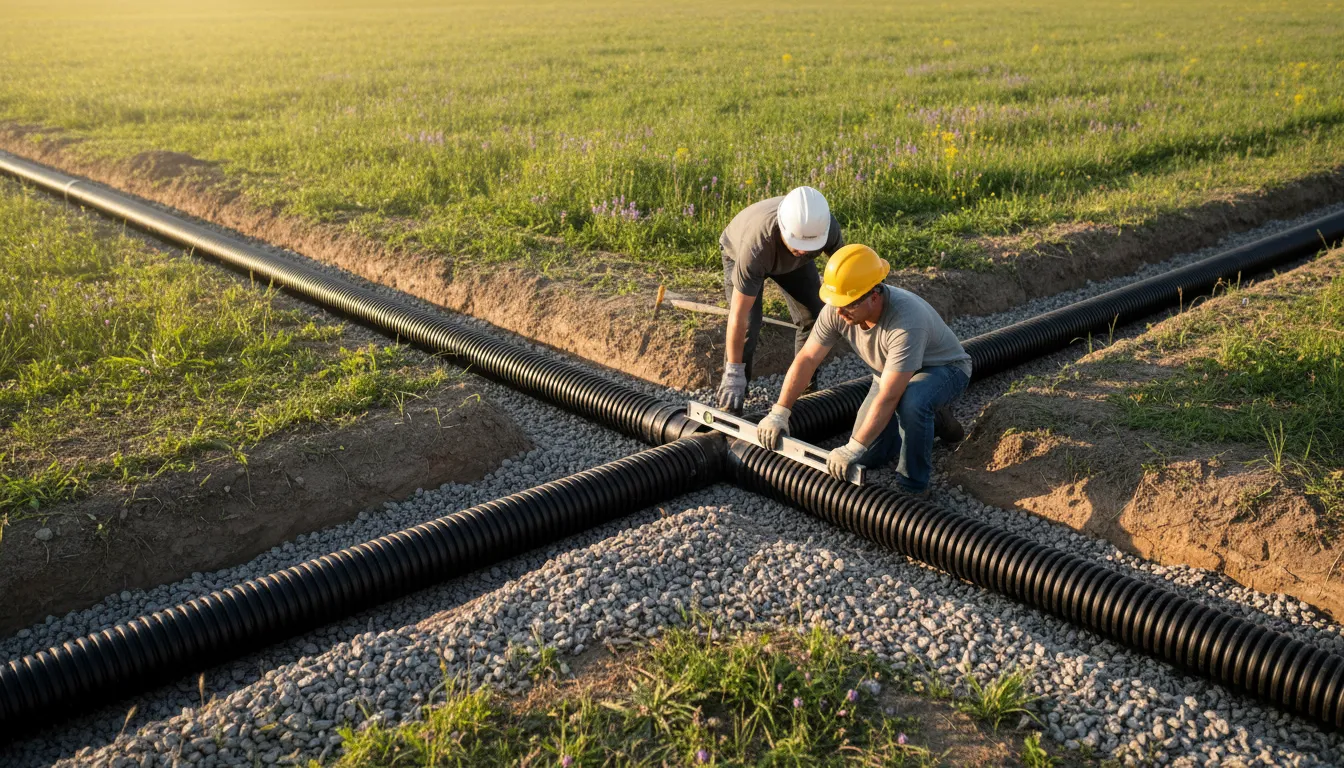
Find the Best Drain Field Repair Companies for Your Business
No obligation • Fast responses • Nationwide coverage

Why you can trust Septic Spot
Septic Spot is a leading United States resource for understanding and comparing septic services. Our editors review providers using consistent criteria and verify key business details. Listings and scores are independent, and companies cannot pay to influence our content.
Search providers near you
Top Drain Field Repair Companies in Rock Hill, South Carolina Ranked
A failing drain field, also known as a leach field or absorption area, is a serious issue for any home with a septic system. It's the final and most critical stage of wastewater treatment, where effluent is dispersed into the soil for final purification. When it fails, it can lead to sewage backups, soggy yards, and environmental contamination. In Rock Hill, all repair and replacement work is strictly regulated by state and county authorities. This guide explains the local process, costs, and regulations to help you navigate finding qualified professionals for your leach field or soil absorption system needs.
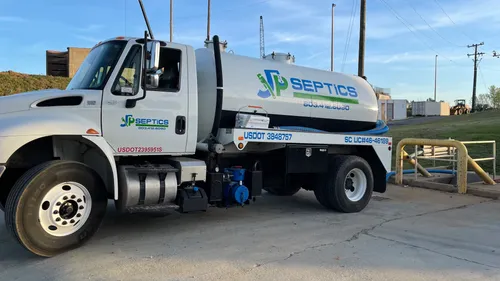
JP Septics
Charlotte, NC
JP Septics is a Native-American owned septic service provider based in Charlotte, NC. They offer comprehensive septic system services including pumping, inspection, repair, installation, and drain field repair or replacement. The company emphasizes proper maintenance to prevent costly failures and uses quality materials to ensure long-lasting septic systems. JP Septics is available 24/7 for emergency septic repairs and has received over 600 five-star reviews for their work.
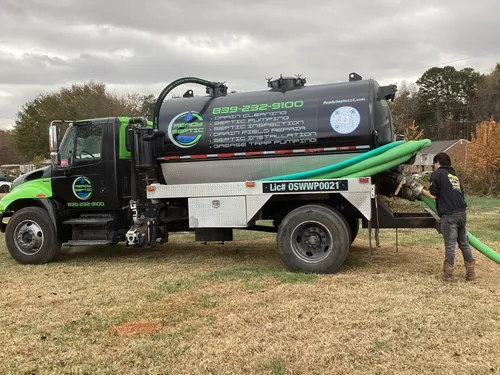
Ready Septic
3925 Woodlawn St, Sharon, SC 29742
Ready Septic is a septic service company based in Charlotte, NC, specializing in residential and commercial sewer and septic system services. They serve York County, SC, and surrounding areas including Greenville, Spartanburg, and Columbia. Their offerings include septic tank pumping, installation, inspection, drain cleaning, hydro jetting, sewer repair, and sump pump services. Ready Septic uses advanced diagnostic tools and high-capacity vacuum technology to maintain and repair septic systems, ensuring compliance with local health codes. With over 30 years of combined industry experience, they provide solutions tailored to local soil and topographic conditions.
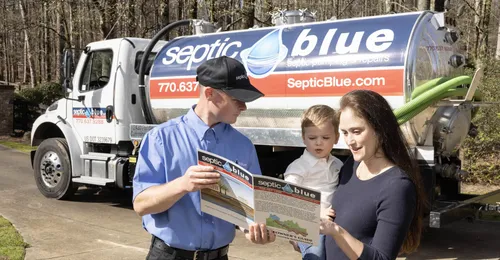
Septic Blue of Rock Hill
103 Schoolside Dr #135, Rock Hill, SC 29730
Septic Blue of Rock Hill provides septic system services including pumping, inspection, and repair for homeowners in Charlotte, NC. They specialize in septic tank cleaning and drain field repairs, using specialized equipment to remove solid waste and maintain system function. The company offers emergency septic tank cleaning available at any hour, ensuring prompt attention when needed. Septic Blue is known for clear upfront pricing and thorough communication during service visits.
Septic Pumping Service
Charlotte, NC
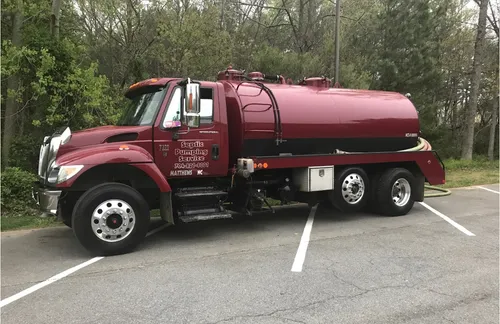
Septic Pumping Service is a locally owned and operated company serving Charlotte, NC, and surrounding areas including Indian Trail, Matthews, Mint Hill, Stallings, and Union County. With over 20 years of experience, they provide a full range of septic services such as septic tank cleaning, pump repairs and replacements, float and alarm replacements, and drain field replacement. Their team uses modern equipment to ensure effective and efficient service for residential septic systems.

Autry's Backhoe & Septic Service
1309 Culp Rd, Pineville, NC 28134
Autry's Backhoe & Septic Service is a licensed septic tank company serving Charlotte, NC, and surrounding South Carolina communities. Established in 1929, the company offers a wide range of septic services including tank installations, inspections, repairs, pumping, maintenance, and drain field replacement. Their team uses advanced technology for troubleshooting, camera locating, sewer line jetting, and backhoe services. With nearly a century of experience, Autry's specializes in efficient, code-compliant septic systems designed for low maintenance and optimal performance. Emergency services are also available.
Understanding Your Drain Field's Role
The drain field is the unsung hero of your onsite wastewater system. After solids settle in the septic tank, the liquid effluent flows out to the drain field. Here, it percolates through a series of perforated pipes buried in gravel-filled trenches. The soil acts as a natural filter, removing harmful bacteria, viruses, and nutrients before the water rejoins the groundwater table. A properly functioning leach field is essential for protecting both your property and the local environment, including nearby creeks and the Catawba River watershed.
Signs Your Rock Hill Drain Field Needs Attention
Catching problems early can mean the difference between a minor repair and a full, costly replacement. Be on the lookout for these warning signs of a failing absorption area:
- Soggy Soil or Surfacing Effluent: Wet, spongy ground or standing water over the drain field area, especially when it hasn't rained.
- Unpleasant Odors: Sewage smells emanating from your yard, particularly near the drain field.
- Lush, Fast-Growing Grass: Patches of grass over the drain field that are noticeably greener and grow faster than the rest of the lawn, indicating a nutrient overload.
- Slow Drains and Backups: Gurgling pipes, slow-draining sinks and toilets, or sewage backups in the home, which can signal that the drain field is saturated and not accepting water.
- Failed Inspection: A mandatory inspection during a property transfer or complaint investigation may reveal a system failure, requiring corrective action 1.
If you notice any of these issues, the next step is a professional inspection to diagnose the problem.
The Inspection and Diagnosis Process
Before any repair can be planned, a licensed septic contractor must inspect the entire system. This involves:
- Locating the System: Finding the tank and the layout of the drain field lines.
- Tank Inspection: Pumping the tank to check sludge levels, structural integrity, and the condition of inlet/outlet baffles.
- Drain Field Inspection: Visually assessing the field for the signs mentioned above and often performing a "push test" or water load test to see if the soil is accepting liquid2 3 4.
- Soil Evaluation: In many cases, especially for a replacement, a professional soil scientist may need to evaluate the soil's percolation rate and suitability.
The inspection will determine if the issue is a minor clog or broken pipe or a complete biological failure of the soil absorption area.
Rock Hill and York County Regulations You Must Follow
All drain field repair and replacement in Rock Hill falls under the jurisdiction of the South Carolina Department of Environmental Services (SCDES) and York County Building & Codes. You cannot legally begin work without the proper permits.
Key Regulatory Requirements:
- Permit to Construct: A SCDES "Permit to Construct" is required for any repair, alteration, or replacement of a drain field5 6.
- Licensed Contractor: All work must be performed by a contractor licensed by SCDES. It is illegal for a homeowner to install or repair their own septic system drain field7.
- The Application Process: Your licensed contractor will typically handle this, submitting an Onsite Wastewater System Application (Form D-1740) along with a property plat or deed to SCDES 8. The SCDES inspector will then evaluate the site.
- Repair Area: It is strongly recommended (and often required for new installations) to have a designated, undisturbed repair area set aside. This area should be at least 50% of the size of the original system to accommodate future repairs or expansion9 10.
- Final Inspection: Once work is complete, a final inspection must be conducted by SCDES or a self-inspection by an authorized Tier 3 installer within two days 11.
Critical Site and Setback Requirements
Your property's characteristics heavily influence what repair or replacement options are feasible. SCDES inspectors will evaluate:
- Soil Type: Clay-heavy soils common in parts of the Piedmont have a slow percolation rate and may require a larger drain field or a more advanced system than sandy soils.
- Setback Distances: The new or repaired drain field must be located specific distances from features on your property:
- Building Foundations: 5 feet
- Property Lines: 5 feet
- Private Wells: 75 feet
- Surface Water (streams, ponds): 75 feet
- Drainage Ditches: 25 feet
- Topography and Wet Soil: The slope of your lot and the seasonal water table are critical. If the soil is too wet during inspection, the evaluation may be delayed until it dries, affecting your project timeline 12.
Find the perfect drain field repair companies for your needs
Get personalized recommendations and expert advice
Repair vs. Full Replacement: Options and Costs
The solution depends on the extent of the failure.
Minor Repairs: Issues like a clogged distribution box, a crushed pipe, or a malfunctioning effluent filter may be fixable for a few hundred to a few thousand dollars.
Full Drain Field Replacement: When the soil is permanently clogged (a condition called "biomat" failure), a new leach field must be installed. This is a major excavation project. Costs in Rock Hill typically range from $15,000 to $40,000 or more13 14. The high end of the range applies if:
- Poor soil conditions require an engineered alternative system (like a mound, drip irrigation, or aerobic treatment unit).
- The designated repair area is difficult to access.
- Existing landscaping, driveways, or structures must be moved.
Important Financial Note: Standard homeowner's insurance policies almost never cover septic system repair or replacement costs. It's an out-of-pocket expense, so getting multiple quotes from licensed contractors is essential.
The Permit and Project Timeline
Understanding the steps helps set realistic expectations:
- Initial Inspection & Diagnosis: (1-2 days)
- Contractor Selection & Design: Your chosen pro designs the repair/replacement.
- Permit Application Submission: Contractor submits to SCDES.
- SCDES Site Evaluation: An inspector visits your property. This can be scheduled within a few weeks, but may be delayed by wet soil conditions15.
- Permit Issuance: Once approved, a "Permit to Construct" is issued to the contractor. This permit is valid for five years.
- Construction: The contractor performs the work.
- Final Inspection: Conducted within 2 days of completion16.
You can check the status of applications online via the SCDES ePermitting portal.
Choosing a Licensed Professional in Rock Hill
This is the most important decision you'll make. Look for:
- SCDES License: Verify their license is current and in good standing.
- Local Experience: Knowledge of York County and Rock Hill soil types and inspectors is invaluable.
- Detailed Quotes: Quotes should itemize costs for excavation, materials, permit fees (~$150 application fee), and any required engineering17 18.
- References & Insurance: Ask for local references and proof of liability insurance.
Frequently asked questions
Sources
Footnotes
-
Septic Tanks - Frequently Asked Questions - https://des.sc.gov/permits-regulations/septic-tanks/homeowner-resources/septic-tanks-frequently-asked-questions ↩
-
Septic Tanks - Frequently Asked Questions - https://des.sc.gov/permits-regulations/septic-tanks/homeowner-resources/septic-tanks-frequently-asked-questions ↩
-
Septic Inspection Explained: What Homeowners Can Expect - https://www.townesseptic.com/blog/what-happens-during-a-septic-inspection ↩
-
Buying Acreage in Black Forest: Wells, Septic, Zoning - https://johnsonteamworks.com/blog/buying-acreage-in-black-forest-wells-septic-zoning ↩
-
Septic Tanks - Residential, Single Home Builder - https://des.sc.gov/permits-regulations/septic-tanks/permits-licenses/septic-tanks-residential-single-home-builder ↩
-
Septic Tanks - Regulation, Forms, Fact Sheets | South Carolina ... - https://des.sc.gov/permits-regulations/septic-tanks/septic-tanks-regulation-forms-fact-sheets ↩
-
South Carolina Septic Tank Regulations - https://www.septicconnection.com/south-carolina-septic-tank-regulations ↩
-
Septic Tanks - Commercial Builder | South Carolina Department of ... - https://des.sc.gov/permits-regulations/septic-tanks/permits-licenses/septic-tanks-commercial-builder ↩
-
Septic Tanks - Residential, Single Home Builder - https://des.sc.gov/permits-regulations/septic-tanks/permits-licenses/septic-tanks-residential-single-home-builder ↩
-
Frequently Asked Questions - CivicPlus.CMS.FAQ - York County - https://www.yorkcountygov.com/faq.aspx?TID=84 ↩
-
Be Septic Safe - Clemson University - https://www.clemson.edu/extension/water/resources/be-septic-safe.html ↩
-
Before You Buy Land | South Carolina Department of Environmental ... - https://des.sc.gov/permits-regulations/septic-tanks/homeowner-resources/you-buy-land ↩
-
Septic System Information For Home Buyers In South Carolina - https://www.primeseptic.com/septic-system-information-for-home-buyers-in-indiana/ ↩
-
Cost of program - SORA - https://www.soraus.com/wp-content/uploads/2017/09/Cost-for-Soil-Evaluator-Cert..pdf ↩
-
Site Inspections | South Carolina Department of ... - https://des.sc.gov/permits-regulations/septic-tanks/homeowner-resources/site-inspections ↩
-
Septic Tanks - Regulation, Forms, Fact Sheets - https://des.sc.gov/permits-regulations/septic-tanks/septic-tanks-regulation-forms-fact-sheets ↩
-
Septic Tanks - Residential, Single Home Builder - https://des.sc.gov/permits-regulations/septic-tanks/permits-licenses/septic-tanks-residential-single-home-builder ↩
-
ePermitting Training - Septic Tanks - https://des.sc.gov/permits-regulations/permit-central/epermitting/epermitting-training/epermitting-training-septic-tanks ↩