Find the Best Drain Field Repair Companies for Your Business
No obligation • Fast responses • Nationwide coverage

Why you can trust Septic Spot
Septic Spot is a leading United States resource for understanding and comparing septic services. Our editors review providers using consistent criteria and verify key business details. Listings and scores are independent, and companies cannot pay to influence our content.
Search providers near you
Top Drain Field Repair Companies in Summerville, South Carolina Ranked
A failing drain field is a serious issue for any home with a septic system, leading to soggy yards, foul odors, and potential environmental contamination. In Summerville, the unique Lowcountry landscape makes proper repair and replacement especially critical. This guide explains the local process, regulations, and considerations for addressing drain field issues, helping you connect with qualified, licensed professionals to restore your system's function.
Understanding Your Drain Field in the Lowcountry
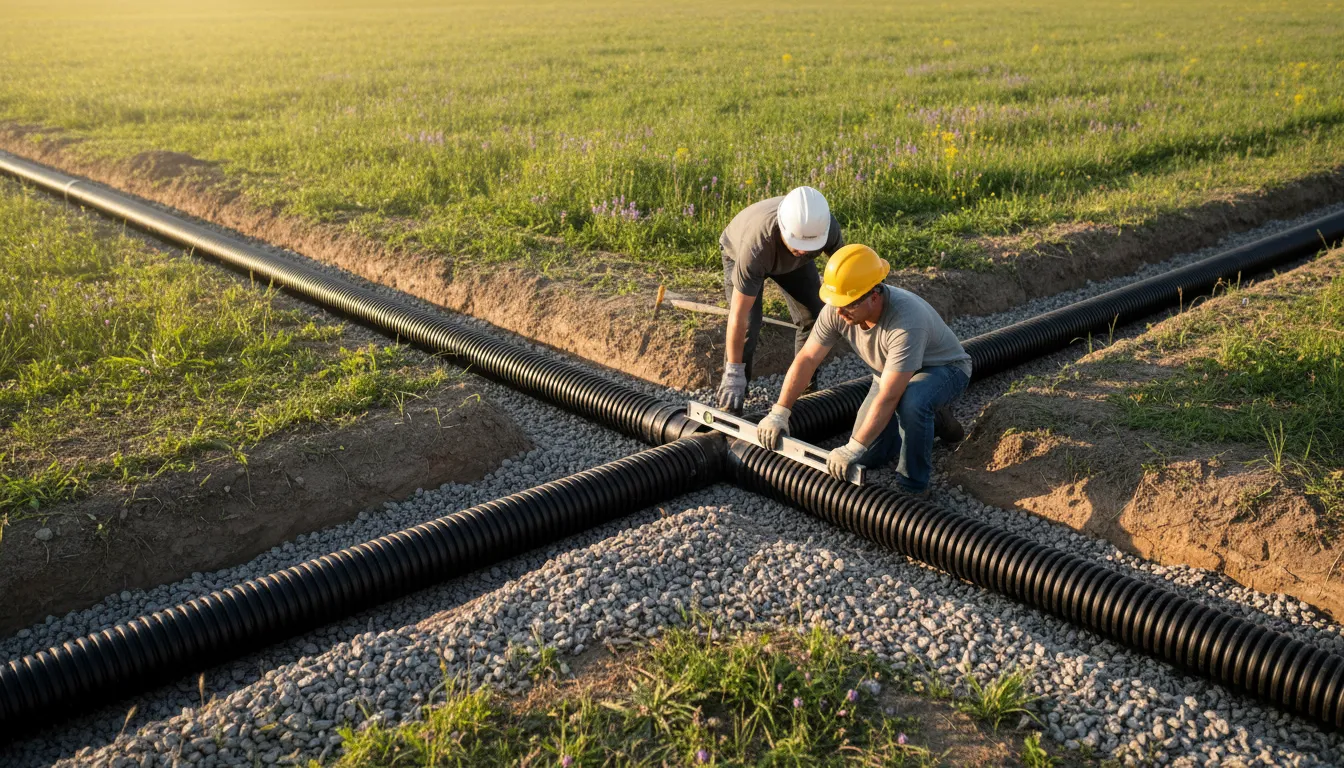
The drain field, also known as a leach field or absorption field, is the final and most crucial stage of your onsite wastewater system. After solids settle in the septic tank, liquid effluent flows into a network of perforated pipes buried in trenches filled with gravel. This effluent slowly percolates through the soil, where natural processes filter and treat it before it rejoins the groundwater.
In Summerville and the broader Coastal Plain, this process faces significant challenges. The area is characterized by a high water table and soils with significant clay content. These conditions limit the soil's ability to absorb and treat wastewater, often necessitating specialized system designs for repairs. Understanding these local constraints is the first step toward an effective and compliant solution.
When is Drain Field Repair or Replacement Needed?
Recognizing the signs of a failing absorption field can prevent more extensive damage and regulatory action. Common indicators include:
- Soggy Ground or Surfacing Effluent: Puddles or persistently wet, spongy soil over the drain field area, especially when it hasn't rained.
- Sewage Odors: Unpleasant smells emanating from the yard near the drain field or even inside the home.
- Slow Drains and Backups: Gurgling pipes, slow-draining sinks and toilets, or sewage backups can indicate that the drain field is saturated and not accepting water from the tank.
- Unusually Green Grass: Patches of grass over the drain field that are much lusher and greener than the rest of the lawn, indicating a nutrient overload from effluent.
- Failed Inspection: A routine septic inspection or a mandated inspection during a property sale may reveal hydraulic failure or other system defects.
Under South Carolina Regulation 61-56, if a complaint is filed about a failing system, the homeowner is legally required to repair it 1. Proactive assessment and repair are always preferable.
The Regulatory Landscape: SCDES and County Oversight
All septic system work in South Carolina is regulated by the South Carolina Department of Environmental Services (SCDES), formerly known as DHEC. In Summerville, local oversight may fall under Dorchester County or Berkeley County, depending on your specific location.
The cornerstone of the regulatory process is the "Permit to Construct," which must be obtained from SCDES before any local county building permit is issued and before any repair or replacement work begins 2. This permit is generally valid for five years 3. Crucially, all construction must be performed by an SCDES-licensed Onsite Wastewater System Installer2.
Key SCDES Setback Requirements
To protect public health and water sources, your septic system must maintain minimum distances from other features:
- 5 feet from buildings and property lines.
- 75 feet from private water supply wells.
- 25 feet from drainage ditches.
The Step-by-Step Process for Repair or Replacement
Navigating the permit and construction process is essential for a legal and functional system.
1. Application and Site Plan: The process begins by submitting an Onsite Wastewater System Application (Form D-1740) online via the SCDES ePermitting portal, accompanied by a detailed site plan or property plat 4.
2. Site Inspection and Soil Evaluation: An SCDES inspector (or a licensed private engineer) will visit the property to evaluate site suitability. In the Coastal Plain around Summerville, a backhoe pit evaluation is typically not required, but the inspector will assess soil texture (noting clay content) and soil color, which indicates the seasonal high water table level. This evaluation determines if the soil can adequately treat wastewater. High water tables, common in the area, can delay testing and installation 5.
3. Permit Issuance: If the proposed system design is approved, SCDES will issue the Permit to Construct.
4. System Construction: A licensed installer will construct the new or repaired drain field. Designs often need to be specialized for Summerville's conditions, such as shallow placement systems or more complex engineered systems 6.
Find the perfect drain field repair companies for your needs
Get personalized recommendations and expert advice
5. Mandatory Inspection Before Covering: This is a critical step. The newly constructed system must be inspected by SCDES before the trenches are backfilled and covered7 8.
6. Final Approval: Following the passed inspection, the installer must submit a final inspection form (DES 4432) to SCDES within two business days of installation 9.
Cost Considerations for Drain Field Work
Septic system repairs are a significant investment and are typically not covered by standard homeowners insurance policies. Homeowners are responsible for all costs, as SCDES does not provide funding for repairs 10.
Costs can vary widely based on the extent of the failure and the required system type:
- SCDES Permit Application Fee: A standard fee of $150 is required 11.
- Drain Field Replacement: This is the most substantial cost, typically ranging from $5,000 to over $15,000+. A standard trench system for a suitable site will be on the lower end, while complex engineered systems needed for difficult soils or high water tables can drive costs much higher 12 13.
- Associated Repairs: If the issue stems from a failed pump or alarm in a pumped system, replacement of those components can cost between $800 and $2,00014.
- Professional Inspection: Hiring a private inspector for a pre-purchase evaluation or system troubleshooting is a recommended upfront cost that can prevent far more expensive surprises later.
Choosing a Licensed Professional in Summerville
Given the regulatory and technical complexity, selecting the right contractor is paramount. Always verify that any installer you contact holds a current SCDES Onsite Wastewater System Installer license. They should be intimately familiar with local county procedures (Dorchester or Berkeley) and the specific soil challenges of the Lowcountry. A reputable professional will handle the permit application, design a system appropriate for your property's evaluation, and schedule the mandatory SCDES inspections.
Important Contacts
- SCDES Environmental Affairs (General): 803-898-3432
- SCDES Permitting Helpline: 1-855-731-2504
- Dorchester County Building Services: 500 N. Main St., Summerville, SC 29483 15
- Berkeley County Water & Sanitation: (If applicable) 16
Frequently asked questions
Sources
Footnotes
-
Septic - South Carolina Department of Environmental Services - https://des.sc.gov/taxonomy/term/561 ↩
-
Septic Tanks - Residential, Single Home Builder - https://des.sc.gov/permits-regulations/septic-tanks/permits-licenses/septic-tanks-residential-single-home-builder ↩ ↩2
-
South Carolina Septic Tank Regulations - https://www.septicconnection.com/south-carolina-septic-tank-regulations ↩
-
Septic Tanks - Residential, Single Home Builder - https://des.sc.gov/permits-regulations/septic-tanks/permits-licenses/septic-tanks-residential-single-home-builder ↩
-
Before You Buy Land | South Carolina Department of Environmental ... - https://des.sc.gov/permits-regulations/septic-tanks/homeowner-resources/you-buy-land ↩
-
Site Inspections | South Carolina Department of Environmental ... - https://des.sc.gov/permits-regulations/septic-tanks/homeowner-resources/site-inspections ↩
-
Site Inspections | South Carolina Department of ... - https://des.sc.gov/permits-regulations/septic-tanks/homeowner-resources/site-inspections ↩
-
South Carolina Septic Tank Regulations - https://www.septicconnection.com/south-carolina-septic-tank-regulations ↩
-
Septic Tanks - Regulation, Forms, Fact Sheets - https://des.sc.gov/permits-regulations/septic-tanks/septic-tanks-regulation-forms-fact-sheets ↩
-
Backups, Leaks and Odors | South Carolina Department of ... - https://des.sc.gov/permits-regulations/septic-tanks/homeowner-resources/backups-leaks-and-odors ↩
-
Septic Tanks - Residential, Single Home Builder - https://des.sc.gov/permits-regulations/septic-tanks/permits-licenses/septic-tanks-residential-single-home-builder ↩
-
Septic System Information For Home Buyers In South Carolina - https://www.primeseptic.com/septic-system-information-for-home-buyers-in-indiana/ ↩
-
Basics for Septic Systems in Upstate SC - https://carolinacountrysideproperties.com/septic-systems-in-upstate-sc/ ↩
-
Septic System Care, Regulations, and Water Safety - https://nfmplumbing.com/septic-drain-field-failure-prevention-lee-county/ ↩
-
Submittal Process | Dorchester County, SC website - https://www.dorchestercountysc.gov/government/building-services/submittal-process ↩
-
Requirements for Septic Systems - Berkeley County Government - https://berkeleycountysc.gov/dept/planning/requirements-for-septic-systems/ ↩