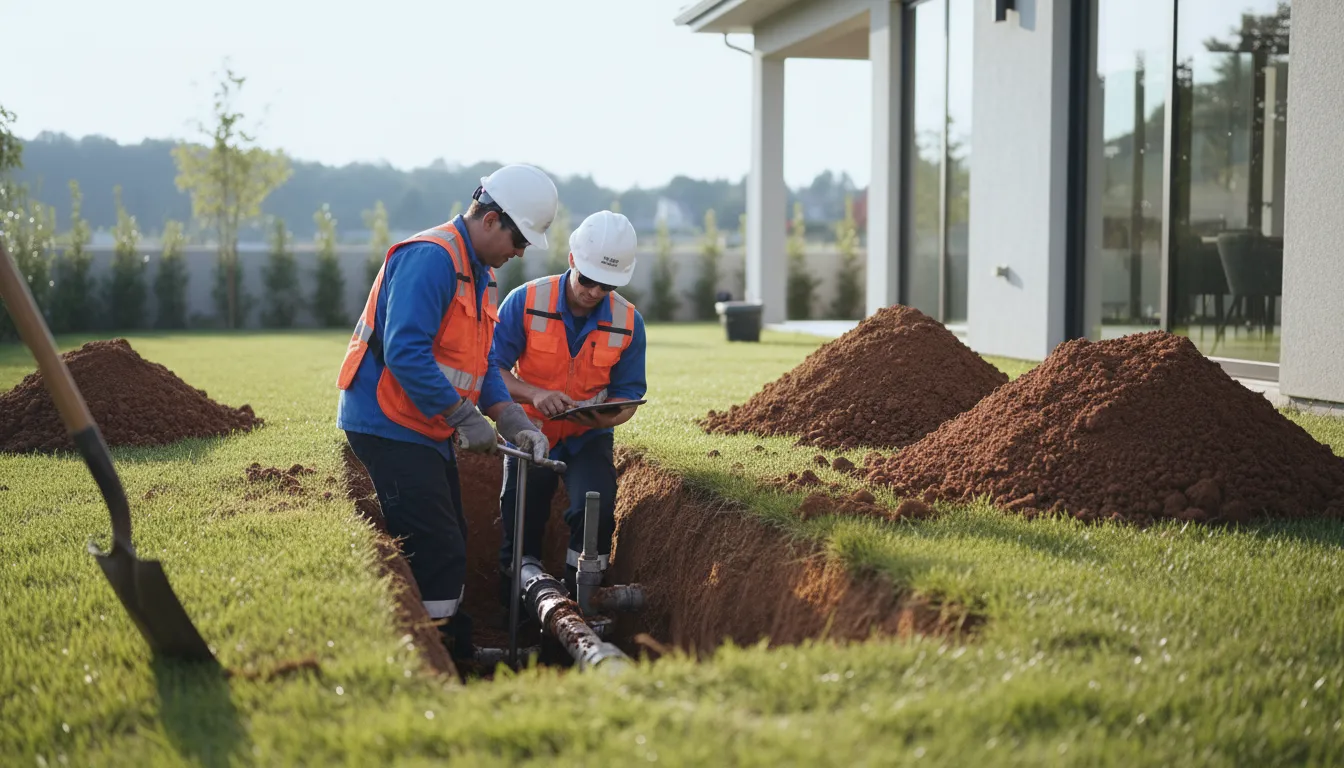
Find the Best Septic System Repair Companies for Your Business
No obligation • Fast responses • Nationwide coverage

Why you can trust Septic Spot
Septic Spot is a leading United States resource for understanding and comparing septic services. Our editors review providers using consistent criteria and verify key business details. Listings and scores are independent, and companies cannot pay to influence our content.
Search providers near you
Top Septic System Repair Companies in Chandler, Arizona Ranked
When your home's onsite wastewater treatment system fails, it's more than an inconvenience-it's a pressing environmental and health concern that requires immediate, professional attention. Septic system repair in Chandler involves diagnosing and fixing issues with your tank, drainfield, or connecting components to restore proper function and comply with strict local regulations. This guide will help you understand the common repair needs, the regulatory process managed by Maricopa County, and how to connect with qualified local specialists to address your system's problems efficiently and correctly.
Macho Contracting
6424 E Greenway Pkwy #100, Scottsdale, AZ 85254
Macho Contracting is a family-owned plumbing and septic company serving Phoenix, AZ, and the surrounding Valley since 2016. They specialize in septic tank pumping, inspections, system repairs, and pump replacement services, with over 25 years of combined experience in onsite wastewater management. Their expertise includes handling underground systems, sewer line repairs, and complex septic system designs tailored to Arizona soil conditions. The company is fully licensed, NAWT-certified, and OSHA-trained, emphasizing safety and compliance in all projects.
Macho Contracting
1974 E Deer Valley Dr, Phoenix, AZ 85024
Macho Contracting is a family-owned plumbing and septic company based in Phoenix, AZ, serving the Valley and surrounding areas. They specialize in septic tank pumping, inspections, system repairs, and pump replacements, with over 25 years of experience in onsite wastewater management. Their services include handling underground systems, sewer line repairs, and complex septic system designs tailored to Arizona soil conditions. Since 2016, Macho Contracting has provided licensed and certified plumbing and septic solutions, including pump and lift station services, with a focus on innovative and quality workmanship.
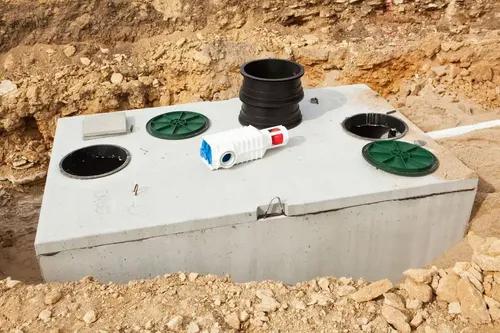
Simply Rooter and Septic Mesa
236 S Alma School Rd, Mesa, AZ 85210
Simply Rooter and Septic Mesa is a family-owned company providing septic system installation, repair, pumping, and inspection services in Phoenix, AZ, and the surrounding areas including Maricopa and Mesa. With over 25 years of experience, they specialize in advanced septic system solutions tailored to local environmental and regulatory conditions. Their services include emergency septic repairs available 24/7, using precise engineering and diagnostic methods to ensure long-term system performance and environmental responsibility.
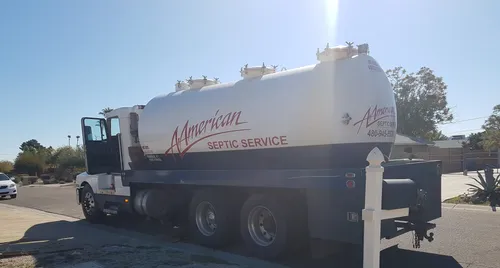
A-American Septic Service
1737 E Jackson St, Phoenix, AZ 85034
A-American Septic Service provides residential and commercial septic tank services in Phoenix, AZ. Their offerings include septic tank inspections, pumping, cleaning, maintenance, repair, installation, and design. The company also handles grease trap cleaning and preventative maintenance. A-American Septic Service works directly with clients to assess and address their septic system needs.
Arizona Pumping
Phoenix, AZ
Arizona Pumping is a septic tank pumping, installation, and repair company serving Phoenix, AZ, and surrounding areas including Apache Junction. Owned and operated by Cade, who has over 30 years of experience, the company offers comprehensive septic services for both residential and commercial clients. Their capabilities include septic system installations, maintenance, repairs, sewer taps, and septic tank excavating. Arizona Pumping focuses on providing personalized, hands-on service with attention to detail, ensuring septic systems operate efficiently and reliably.
Understanding Your Septic System and Common Failures
A standard septic system is a self-contained wastewater treatment plant for your property. It consists of a watertight tank where solids settle and begin to decompose, and a drainfield (or leach field) where the clarified liquid effluent is dispersed into the soil for final treatment. When any part of this system malfunctions, it can lead to sewage backups, foul odors, or contaminated groundwater.
In Chandler's arid climate, system failures often stem from age, lack of maintenance, or soil saturation. Common signs you may need septic repairs include:
- Slow-draining sinks and toilets.
- Gurgling sounds in your plumbing.
- Sewage odors in your yard or home.
- Exceptionally lush, green grass over the drainfield.
- Standing water or soggy soil in the yard.
The Regulatory Landscape: Maricopa County Permits and Inspections
All septic system work in Chandler is regulated by the Maricopa County Environmental Services Department (MCESD), which enforces rules set by the Arizona Department of Environmental Quality (ADEQ). Understanding this process is crucial, as unpermitted repairs can lead to fines and complicate property sales.
When is a Permit Required? Any repair that involves structural changes to the tank or alterations to the drainfield requires a county permit. This is formally called a "Notice of Intent to Discharge/Alteration" or falls under a "Minor Plan Review" application 1. Examples include:
- Replacing a septic tank.
- Repairing or adding a new drainfield.
- Installing or replacing a distribution box.
- Making structural repairs to the tank itself.
Routine maintenance like pumping the tank typically does not require a permit, but it's always best to confirm with your service provider or the county.
The Inspection Mandate A critical step in the repair process is the county inspection. Work must be inspected and approved by an MCESD inspector before the system is backfilled and covered 2. This ensures the repair meets all health and safety codes. Your contractor will coordinate this inspection.
Special Rules for Property Transfer Arizona law has specific requirements when a home with a septic system is sold. A qualified inspector must complete an inspection within six months prior to the transfer 3. The buyer must then submit a "Notice of Transfer" to the county within 15 days of the sale 4. If this inspection deems the system "Not Functional," state law generally requires the seller to repair or replace it, with costs often capped at 1% of the purchase price, though this can be negotiated between buyer and seller 5 6.
Common Types of Septic Repairs in Chandler
Professional septic contractors in Chandler address a wide range of issues. Here are some of the most frequent repairs:
1. Tank Baffle Repair or Replacement The inlet and outlet baffles (or T-shaped pipes) inside your tank are crucial. They prevent floating scum and settled sludge from exiting the tank and clogging the drainfield. Over time, these can corrode or break off. Replacing damaged baffles is a common and vital repair to protect your entire system.
2. Riser Installation Many older systems have tank lids buried deep underground, making inspection and pumping difficult and expensive. Installing risers-concrete or plastic access ports that bring the lid to ground level-is a popular upgrade that simplifies all future maintenance 7.
3. Drainfield Rehabilitation A failing drainfield is a serious issue. Signs include surfacing effluent and soggy ground. While a completely failed field may require replacement, sometimes rehabilitation is possible. Techniques can include shock treatment with specialized bacteria, installing additional drain lines, or using systems to aerate the soil 8.
4. Pipe Repair This includes repairing or replacing broken, crushed, or clogged pipes that run from your house to the tank or from the tank to the distribution box and drainfield. Tree root intrusion or ground shifting can cause these problems 9.
5. Pump and Float Switch Replacement If your home has an alternative or engineered system (common in areas with high groundwater or poor soil), it likely includes a pump to move effluent. Electrical failures or pump burnouts require prompt repair by a specialist 10.
6. Full System Replacement When the tank is structurally compromised (cracked, collapsed) or the drainfield has irreversibly failed, a complete new system must be designed and installed. This is the most extensive and costly repair scenario.
Find the perfect septic system repair companies for your needs
Get personalized recommendations and expert advice
The Professional Inspection: What to Expect
Before any repair is diagnosed, a thorough inspection is essential. A professional septic inspection in Chandler typically follows these steps 11 12 13:
- Record Review & Interview: The inspector will ask about the system's age, last pumping, and any current problems.
- Locating & Uncovering: Using probes and records, the tank and drainfield are located. The manhole covers are then carefully excavated and opened.
- Sludge and Scum Measurement: A long tool is used to measure the depth of sludge (at the bottom) and scum (at the top). This determines if pumping is urgently needed.
- Tank and Baffle Inspection: The inspector checks the tank's interior and exterior for cracks, leaks, and the condition of the baffles.
- Hydraulic Load Test (Dye Test): Water is run through the household plumbing, often with a non-staining dye, to check if the drainfield is properly absorbing effluent. This test can reveal drainage failures.
- Reporting: A formal "Report of Inspection" (ROI) is provided, detailing the system's condition, any deficiencies found, and recommended actions 14.
Understanding Repair and Maintenance Costs
Costs for septic services in Chandler vary widely based on the problem's complexity and the system's size and accessibility 15 16.
- Inspection Fee: Generally ranges from $250 to over $1,000 for a comprehensive evaluation, including a dye test.
- Septic Tank Pumping: Costs between $150 and $1,000, influenced by tank size and how easily it can be accessed.
- Minor Repairs: Fixing a baffle or a section of pipe can cost from a few hundred dollars to around $1,500.
- Major Repairs or Full Replacement: This is a significant investment, typically ranging from $3,000 to $10,000 or more, depending on soil conditions, system type, and permit fees.
Proactive Maintenance is the Best "Repair"
The most cost-effective strategy is to prevent major failures through regular care. Industry and county recommendations for Arizona homes suggest 17 18 19:
- Inspecting your system every 1-3 years.
- Pumping the tank every 3-5 years, or as indicated by inspections.
- Conserving water and fixing leaky fixtures to avoid overloading the drainfield.
- Avoiding flushing chemicals, grease, wipes, or other non-biodegradable items.
For specific questions or to report a suspected system failure, you can contact the Maricopa County Environmental Services Department directly or visit their online Permit Center for resources and forms 20 21.
Frequently asked questions
Sources
Footnotes
-
Chapter 2 Section 8 - Onsite Wastewater Treatment Facilities - https://www.maricopa.gov/DocumentCenter/View/5446/Chapter-2-Section-8---Onsite-Wastewater-Treatment-Facilities-PDF ↩
-
Chapter 2 Section 8 - Onsite Wastewater Treatment Facilities - https://www.maricopa.gov/DocumentCenter/View/5446/Chapter-2-Section-8---Onsite-Wastewater-Treatment-Facilities-PDF ↩
-
Onsite Wastewater (Septic Systems) - Ownership Transfer - https://www.maricopa.gov/2491/Onsite-Wastewater-Ownership-Transfer ↩
-
Onsite Wastewater Treatment Facilities | Pima County, AZ - https://www.pima.gov/433/Onsite-Wastewater-Treatment-Facilities ↩
-
ADEQ Septic Inspections:15 FAQ'S - Priority Pumping - https://prioritypumpingaz.com/adeq-septic-inspections15-faqs/ ↩
-
WQD | Permit | OSWW Type 4.02 - 4.23 GP - ADEQ - http://azdeq.gov/wqd-permit-osww-type-402-423-gp ↩
-
Septic Tank & Component Repair - Rooter Ranger - https://www.rooterranger.com/sewer-services/septic-tank-services/ ↩
-
Announcement from the Onsite Septic and Solid Waste Program - https://content.govdelivery.com/accounts/AZMARIC/bulletins/3fffb6c ↩
-
Professional Septic Inspection in Southern Arizona - https://www.grossseptic.com/blog/professional-septic-inspection-in-southern-arizona/ ↩
-
Septic Repair Experts You Can Trust - https://azsepticservices.com/our-services/septic-repair/ ↩
-
Inspecting Your Household Septic System - https://extension.arizona.edu/publication/inspecting-your-household-septic-system ↩
-
What to Expect During a Septic System Inspection - https://www.ableplumbingsolutions.com/what-to-expect-during-a-septic-system-inspection/ ↩
-
What Arizona Homebuyers Should Know About Septic Inspections - https://tucsonsepticsystems.com/septic/what-arizona-homebuyers-should-know-about-septic-inspections/ ↩
-
Operation & Maintenance Recommendations For an Onsite ... - https://www.maricopa.gov/DocumentCenter/View/7466/Operations-and-Maintenance-Recommendations-for-Septic-Systems-PDF ↩
-
Inspecting Your Household Septic System | UA Cooperative Extension - https://extension.arizona.edu/publication/inspecting-your-household-septic-system ↩
-
Septic System Inspections - Curtis Plumbing - https://curtisplumbing.net/tucson-septic-service/septic-system-inspections-what-you-need-to-know/ ↩
-
Septic System Repairs: Guidelines and Limitations - Graham.az.gov - https://www.graham.az.gov/DocumentCenter/View/763/Septic-System-Repairs---Guidelines-and-Limitations-PDF ↩
-
Septic System 101 - Homeowners Manual - Mohave County - https://www.mohave.gov/departments/development-services/environmental-qualitywaste-disposal/documents/septic-system-101-homeowners-manual/ ↩
-
Septic Systems - Cochise County - https://www.cochise.az.gov/898 ↩
-
MINOR PLAN REVIEW OF AN EXISTING ON-SITE WASTEWATER ... - https://www.maricopa.gov/DocumentCenter/View/7432/Minor-Plan-Review-Instructions-PDF ↩
-
Homeowners' Guide to Septic Systems - Yavapai County - https://www.yavapaiaz.gov/Resident-Services/Flood-Control/Stormwater-Management-Program/Homeowners-Guide-to-Septic-Systems ↩