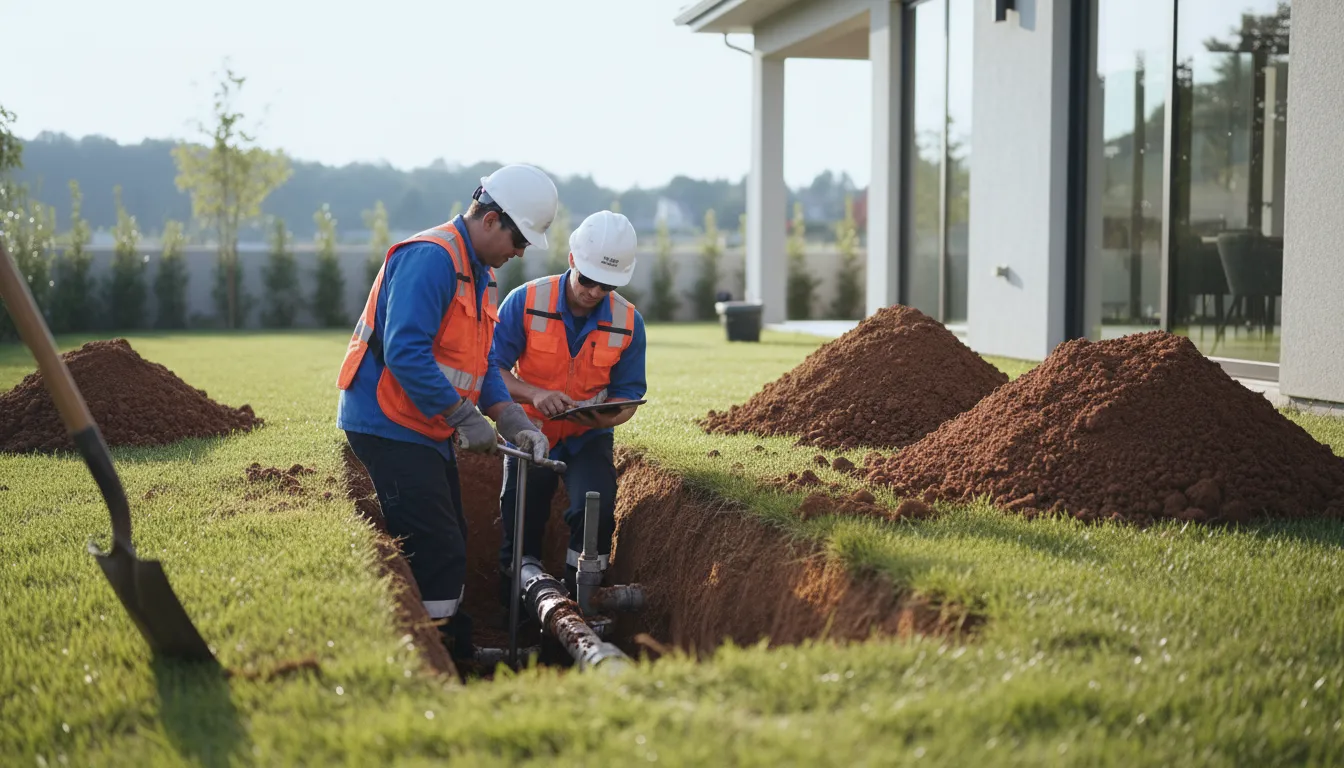
Find the Best Septic System Repair Companies for Your Business
No obligation • Fast responses • Nationwide coverage

Why you can trust Septic Spot
Septic Spot is a leading United States resource for understanding and comparing septic services. Our editors review providers using consistent criteria and verify key business details. Listings and scores are independent, and companies cannot pay to influence our content.
Search providers near you
Top Septic System Repair Companies in Glendale, Arizona Ranked
Maintaining a functional septic system is a critical responsibility for homeowners in Glendale. When components fail, timely and proper septic system repair is essential to protect your property, your health, and the local environment. This guide explains the common issues that require remediation, the local regulations you must follow, and how to connect with qualified local professionals who can diagnose and fix your onsite wastewater system.
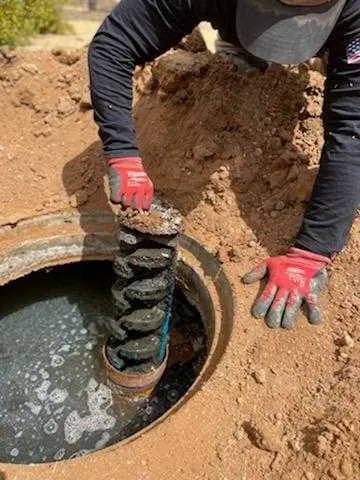
Macho Contracting
6424 E Greenway Pkwy #100, Scottsdale, AZ 85254
Macho Contracting is a family-owned plumbing and septic company serving Phoenix, AZ, and the surrounding Valley since 2016. They specialize in septic tank pumping, inspections, system repairs, and pump replacement services, with over 25 years of combined experience in onsite wastewater management. Their expertise includes handling underground systems, sewer line repairs, and complex septic system designs tailored to Arizona soil conditions. The company is fully licensed, NAWT-certified, and OSHA-trained, emphasizing safety and compliance in all projects.
Macho Contracting
1974 E Deer Valley Dr, Phoenix, AZ 85024
Macho Contracting is a family-owned plumbing and septic company based in Phoenix, AZ, serving the Valley and surrounding areas. They specialize in septic tank pumping, inspections, system repairs, and pump replacements, with over 25 years of experience in onsite wastewater management. Their services include handling underground systems, sewer line repairs, and complex septic system designs tailored to Arizona soil conditions. Since 2016, Macho Contracting has provided licensed and certified plumbing and septic solutions, including pump and lift station services, with a focus on innovative and quality workmanship.
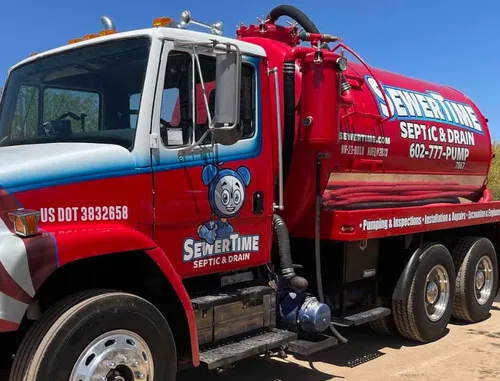
Sewer Time Septic & Drain
33645 N Cave Creek Rd, Cave Creek, AZ 85331
Sewer Time Septic & Drain is a licensed septic and plumbing contractor serving the Phoenix, AZ area. They provide a range of services including septic tank pumping, inspections, system repairs, and full installations for residential and commercial properties. Their certified technicians handle soil and percolation testing, system design, permitting, grease trap cleaning, and lift station maintenance. Sewer Time offers same-day service and 24/7 plumbing support for emergencies and new construction projects.
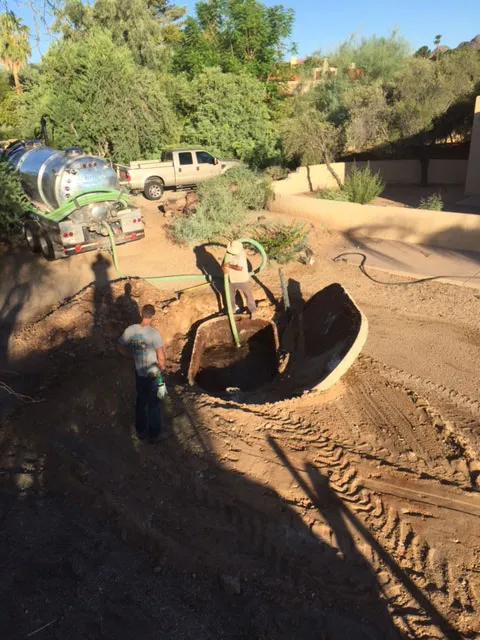
Septic Technologies, Inc.
Phoenix, AZ
Septic Technologies, Inc. is a family-owned septic service company based in Phoenix, AZ, serving a wide range of nearby communities including Buckeye, Scottsdale, and Glendale. They offer comprehensive septic system services such as pumping, inspection, and repair, with certified technicians experienced in on-site wastewater treatment. The company has nearly three decades of experience and provides thorough ADEQ inspection reports to assist with property transactions. Septic Technologies, Inc. is fully licensed, bonded, and insured, focusing on routine maintenance to keep septic systems functioning properly.
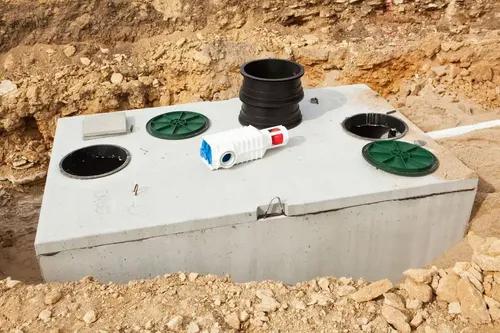
Simply Rooter and Septic Mesa
236 S Alma School Rd, Mesa, AZ 85210
Simply Rooter and Septic Mesa is a family-owned company providing septic system installation, repair, pumping, and inspection services in Phoenix, AZ, and the surrounding areas including Maricopa and Mesa. With over 25 years of experience, they specialize in advanced septic system solutions tailored to local environmental and regulatory conditions. Their services include emergency septic repairs available 24/7, using precise engineering and diagnostic methods to ensure long-term system performance and environmental responsibility.
Understanding Your Septic System and Common Failures
A standard septic system is comprised of two main parts: a watertight tank and a soil treatment area, often called a drainfield or leach field. Wastewater from your home flows into the tank, where solids settle and begin to decompose. The clarified liquid then exits into the drainfield, where it percolates through the soil for final treatment. A failure in any part of this process necessitates professional septic repair.
Common signs that your system needs attention include:
- Slow drains or sewage backups in your home.
- Foul odors around the tank or drainfield area.
- Unusually lush, green grass or standing water over the drainfield.
- Gurgling sounds in your plumbing.
Ignoring these signs can lead to more extensive damage, environmental contamination, and costly system replacement.
Glendale and Maricopa County Repair Regulations
All septic system maintenance and remediation in Glendale falls under the jurisdiction of the Maricopa County Environmental Services Department and the Arizona Department of Environmental Quality (ADEQ). These agencies have strict rules to ensure repairs protect public health and groundwater.
Key regulatory points for homeowners:
- Licensed Contractors Only: Any substantial septic system repair must be performed by a state-licensed installer or qualified professional 1. Hiring an unlicensed individual can result in improper work and code violations.
- Permits Are Required: For major fixes, a Notice of Intent to Discharge and a Repair Review Application must be submitted and approved before work begins. This process ensures the planned repair complies with current standards.
- The Critical Transfer Inspection: Arizona law mandates a Transfer of Ownership Inspection by a certified inspector for any property sale involving a septic system. This inspection must be completed no more than six months before the property transfer 2. The inspector files a report with ADEQ classifying the system as "Functional," "Functional with Concerns," or "Not Functional," which can significantly impact a real estate transaction 3 4.
Types of Septic System Repairs
The scope and cost of remediation work can vary widely, from minor component replacements to a full system overhaul.
1. Tank Repairs and Maintenance
The septic tank itself can develop issues that require fixing.
- Baffle Repair: The inlet and outlet baffles inside the tank are crucial for controlling flow. If they are broken or missing, they must be replaced to prevent solids from escaping into the drainfield.
- Effluent Filter Cleaning/Replacement: Many modern tanks have filters on the outlet. These require regular cleaning and may need replacement if damaged.
- Tank Pumping: While not a repair, regular pumping (typically every 3-5 years) is preventative maintenance that can avoid more serious problems like drainfield failure 5. Pumping costs in Glendale typically range from $150 to $1,000, depending on tank size and access.
2. Drainfield Restoration
The soil treatment area is often where the most serious failures occur. Repair options can be limited once a drainfield is clogged or saturated.
- Minor Restoration: Sometimes, issues are caused by hydraulic overloading (using too much water) or a clogged outlet. Fixing the source of the overload and allowing the field to rest may restore function.
- Major Repairs: For a failing drainfield, repairs may involve excavating and replacing the clogged soil or installing a completely new drainfield in a different location. This is a major construction project that requires new permits and design 6.
3. Complete System Replacement
When repairs are no longer viable or cost-effective, a full septic system replacement is necessary. This involves designing and installing a new tank and drainfield that meet current ADEQ standards. This is the most expensive option, with costs in the Glendale area often ranging from $3,000 to over $10,000, depending on soil conditions, system size, and site accessibility 7.
Find the perfect septic system repair companies for your needs
Get personalized recommendations and expert advice
The Professional Inspection and Repair Process
Before any repair is planned, a thorough professional inspection is the essential first step. A proper inspection for repair diagnostics or a property transfer is comprehensive 8 9:
- Locating & Pumping: The inspector locates all system components and pumps the tank to evaluate its contents and condition.
- Tank Assessment: The liquid level, baffles, tank walls (for cracks), and the effluent filter are inspected.
- Drainfield Evaluation: The soil treatment area is checked for signs of failure, such as pooling wastewater, soggy soil, or unpleasant odors.
- Reporting: For official inspections, a final report with a sketch of the system ("as-built") is submitted to ADEQ 10. This report will detail any needed repairs.
Based on the inspection findings, a licensed professional can recommend a course of action. Minor repairs like replacing a baffle may be approved quickly. For a failing system, the contractor will guide you through the permit application process for a major repair or new installation 11.
Cost Considerations for Septic Repairs
Budgeting for septic work requires understanding the variables involved. Beyond the repair work itself, consider these costs:
- Inspection Fees: A standard inspection may cost $200-$400, while a comprehensive inspection that includes pumping for a property transfer can run $400-$650 or more 12.
- Permit Fees: Maricopa County charges fees for reviewing and approving repair and installation permits.
- Repair vs. Replacement: Always get a detailed diagnosis. Investing in a $1,500 repair can sometimes extend the life of a system for years, while repeatedly patching a failing system may be more expensive in the long run than a replacement.
Remember, as a Glendale property owner, you are ultimately responsible for the maintenance and proper function of your onsite wastewater system. Proactive care and addressing problems early with qualified help is the most cost-effective strategy.
Frequently asked questions
Sources
Footnotes
-
Arizona Septic License & Certification | 2024 Contractor Guide - https://www.servicetitan.com/licensing/septic/arizona ↩
-
What You Should Know When You're Having Your Septic ... - https://extension.arizona.edu/sites/extension.arizona.edu/files/attachment/az1554-12-12-11_TransferOfOwnershipInspection_revised_2-24-12.pdf ↩
-
Arizona Septic Tank Requirements | Onsite Wastewater Management System - https://www.ntotank.com/blog/arizona-septic-tank-requirements ↩
-
ADEQ Septic Inspections:15 FAQ'S - HomeField East Valley - https://www.homefieldonsite.com/east-valley/adeq-septic-inspections15-faqs/ ↩
-
Operation & Maintenance Recommendations For an Onsite ... - https://www.maricopa.gov/DocumentCenter/View/7466/Operations-and-Maintenance-Recommendations-for-Septic-Systems-PDF ↩
-
Septic System Repairs: Guidelines and Limitations - https://www.graham.az.gov/DocumentCenter/View/763/Septic-System-Repairs---Guidelines-and-Limitations-PDF ↩
-
Inspecting Your Household Septic System | UA Cooperative Extension - https://extension.arizona.edu/publication/inspecting-your-household-septic-system ↩
-
Inspecting Your Household Septic System - UA Cooperative Extension - https://www.extension.arizona.edu/sites/default/files/2024-09/az1159-2018_Inspecting%20Your%20Household%20Septic%20System.pdf ↩
-
Septic System Repair: Essential Guidelines for Homeowners - https://smartsepticpros.com/blog/septic-system-repair-guidelines/ ↩
-
What You Should Know When You're Having Your Septic System ... - https://extension.arizona.edu/publication/what-you-should-know-when-youre-having-your-septic-system-inspected-transfer-ownership ↩
-
Septic System Regulations: Navigating Compliance for Homeowners - https://www.justindorseyplumbing.com/septic-system-regulations-navigating-compliance-for-homeowners/ ↩
-
How Much Does a Septic Inspection Cost in Arizona? - https://www.advantageairmechanical.com/blog/septic-inspection-cost-arizona ↩