
Find the Best Septic System Repair Companies for Your Business
No obligation • Fast responses • Nationwide coverage

Why you can trust Septic Spot
Septic Spot is a leading United States resource for understanding and comparing septic services. Our editors review providers using consistent criteria and verify key business details. Listings and scores are independent, and companies cannot pay to influence our content.
Search providers near you
Top Septic System Repair Companies in Tempe, Arizona Ranked
Maintaining a functional septic system is crucial for the health, safety, and value of your Tempe home. When components fail, prompt and professional repair is essential to prevent environmental contamination, costly property damage, and regulatory violations. This guide explains the local requirements, common repair types, and how to find qualified professionals to restore your onsite wastewater system to proper working order.
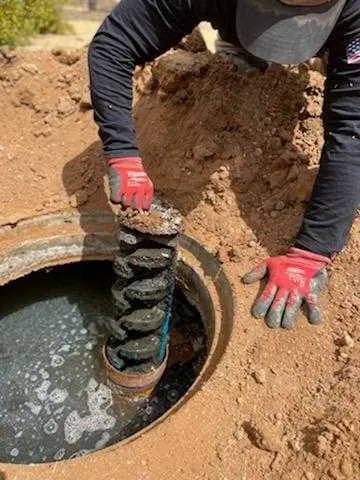
Macho Contracting
6424 E Greenway Pkwy #100, Scottsdale, AZ 85254
Macho Contracting is a family-owned plumbing and septic company serving Phoenix, AZ, and the surrounding Valley since 2016. They specialize in septic tank pumping, inspections, system repairs, and pump replacement services, with over 25 years of combined experience in onsite wastewater management. Their expertise includes handling underground systems, sewer line repairs, and complex septic system designs tailored to Arizona soil conditions. The company is fully licensed, NAWT-certified, and OSHA-trained, emphasizing safety and compliance in all projects.
Macho Contracting
1974 E Deer Valley Dr, Phoenix, AZ 85024
Macho Contracting is a family-owned plumbing and septic company based in Phoenix, AZ, serving the Valley and surrounding areas. They specialize in septic tank pumping, inspections, system repairs, and pump replacements, with over 25 years of experience in onsite wastewater management. Their services include handling underground systems, sewer line repairs, and complex septic system designs tailored to Arizona soil conditions. Since 2016, Macho Contracting has provided licensed and certified plumbing and septic solutions, including pump and lift station services, with a focus on innovative and quality workmanship.
Sewer Time Septic & Drain
33645 N Cave Creek Rd, Cave Creek, AZ 85331
Sewer Time Septic & Drain is a licensed septic and plumbing contractor serving the Phoenix, AZ area. They provide a range of services including septic tank pumping, inspections, system repairs, and full installations for residential and commercial properties. Their certified technicians handle soil and percolation testing, system design, permitting, grease trap cleaning, and lift station maintenance. Sewer Time offers same-day service and 24/7 plumbing support for emergencies and new construction projects.
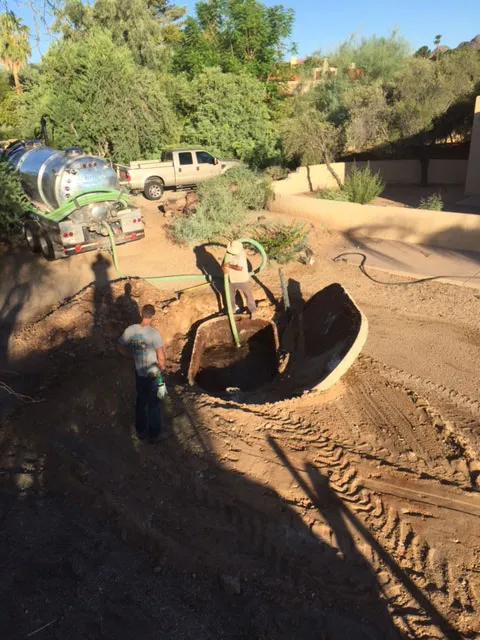
Septic Technologies, Inc.
Phoenix, AZ
Septic Technologies, Inc. is a family-owned septic service company based in Phoenix, AZ, serving a wide range of nearby communities including Buckeye, Scottsdale, and Glendale. They offer comprehensive septic system services such as pumping, inspection, and repair, with certified technicians experienced in on-site wastewater treatment. The company has nearly three decades of experience and provides thorough ADEQ inspection reports to assist with property transactions. Septic Technologies, Inc. is fully licensed, bonded, and insured, focusing on routine maintenance to keep septic systems functioning properly.
Simply Rooter and Septic Mesa
236 S Alma School Rd, Mesa, AZ 85210
Simply Rooter and Septic Mesa is a family-owned company providing septic system installation, repair, pumping, and inspection services in Phoenix, AZ, and the surrounding areas including Maricopa and Mesa. With over 25 years of experience, they specialize in advanced septic system solutions tailored to local environmental and regulatory conditions. Their services include emergency septic repairs available 24/7, using precise engineering and diagnostic methods to ensure long-term system performance and environmental responsibility.
Understanding Septic System Regulations in Maricopa County
All septic system maintenance and repair work in Tempe is regulated by the Maricopa County Environmental Services Department (MCESD), which enforces state codes found in the Arizona Administrative Code (AAC) 1. A fundamental rule is that any material alteration, repair, or addition to an existing system requires a county-issued permit, typically a "Permit to Install" or "Approval to Construct" 2. This ensures all work meets current health and safety standards. Furthermore, Arizona law mandates that only state-licensed septic or plumbing contractors can legally perform this work. Attempting a DIY fix or hiring an unlicensed individual can lead to fines and an unpermitted, unsafe system.
Another critical regulation involves property sales. Arizona requires a formal transfer process when a home with a septic system is sold. This includes a Report of Inspection (ROI) completed by a qualified inspector licensed under A.A.C. R18-9-A316, which is submitted as part of a "Notice of Transfer" 3. This inspection often uncovers needed repairs that must be addressed before the sale can proceed.
Common Types of Septic Repairs and Maintenance
Not all system issues require a full replacement. Many problems can be resolved with targeted repairs. Understanding the scope of work helps in communicating with contractors and budgeting appropriately.
Tank Repairs and Component Upgrades
The septic tank itself can develop issues over time. Common tank-related fixes include:
- Pumping and Cleaning: While routine maintenance, it's often the first step in diagnosing problems. Experts recommend pumping every 3-5 years.
- Baffle or Tee Replacement: These internal components prevent solids from exiting the tank into the drain field. If damaged or missing, they must be replaced.
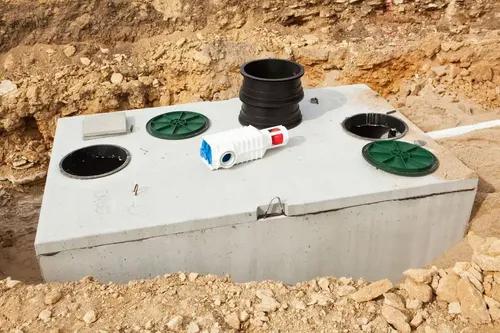
- Installing Access Risers: Adding risers from the tank lids to the surface is a common upgrade that provides easy access for future pumping and inspection, saving time and money.
- Sealing Leaks: Repairing cracks in concrete tanks or fixing compromised seals to prevent groundwater infiltration or sewage leakage.
Drain Field (Leach Field) Rehabilitation
The soil treatment area, or drain field, is where final effluent disposal occurs. Signs of failure include soggy ground, foul odors, or sewage backing up into the home.
- Jet Cleaning: High-pressure water jetting can clear minor clogs and bio-mat buildup in the distribution pipes.
- Pipe Repair: Excavating to replace broken, crushed, or root-intruded sections of perforated pipe.
- System Additives: In some cases, professional-grade bacterial or enzyme treatments may be used to help restore biological balance, though they are not a cure for physical failures.
System Component Repairs and Replacements
Between the tank and the field are critical components that may need attention:
- Distribution Box (D-Box): This box evenly splits effluent to multiple drain field lines. It can become clogged or damaged and may need to be cleaned, leveled, or replaced 4.
- Effluent Filter: Installed on the tank outlet, this filter provides an extra layer of protection for the drain field. It requires periodic cleaning and eventual replacement 5.
- Pump Systems: For systems with a pump tank (e.g., mound systems or those with elevation changes), pump repair or replacement is a specialized task.
Full System Replacement
When the drain field has completely failed and cannot be rehabilitated, a full system replacement is necessary. This is a major project requiring new design, extensive permitting, and excavation. Options may include a new conventional field or an Advanced Treatment Unit (ATU), which provides a higher level of treatment and can be used in sites with challenging soil conditions 6. In Maricopa County, the minimum tank size is 1,000 gallons, but new systems are sized based on current bedroom count and soil analysis 7.
Find the perfect septic system repair companies for your needs
Get personalized recommendations and expert advice
The Septic System Inspection Process
Whether for a real estate transfer or to diagnose a problem, a professional inspection is the foundation for any repair plan. Here's what to expect:
- Locating and Excavating: The inspector will locate the tank, distribution box, and drain field lines, which may require some digging to uncover access lids.
- Pumping and Tank Inspection: The tank is pumped out to allow for a thorough internal inspection of walls, baffles, and the outlet structure for cracks or damage 8.
- Component Evaluation: The condition of the effluent filter, risers, and distribution box is assessed.
- Drain Field Assessment: The inspector evaluates the soil absorption area for signs of failure, such as standing effluent or overly saturated soil 9 10.
- Reporting: A detailed Report of Inspection (ROI) is provided, outlining the system's condition and any recommended repairs or maintenance needed to bring it into compliance 11 12.
Cost Considerations for Septic Repairs in Tempe
Repair costs vary widely based on the problem's complexity and the system's accessibility.
- Inspection & Pumping: Typically ranges from $150 to $1,000, serving as both maintenance and a diagnostic tool 13.
- Minor Repairs: Replacing baffles, adding risers, or fixing a small component often costs in the hundreds to low thousands of dollars 14.
- Major Drain Field Repairs or Full Replacement: This is a significant investment, generally ranging from $3,000 to $10,000 or more, depending on system size, soil conditions, and the technology required 15. For large, unexpected projects, it's worth asking local contractors if they offer financing options.
The most cost-effective strategy is consistent maintenance. Regular pumping and inspections can identify small issues before they escalate into catastrophic failures requiring a full system replacement 16.
Choosing a Licensed Repair Professional in Tempe
Given the regulatory and technical complexity, selecting the right contractor is paramount.
- Verify Arizona State License: Always confirm the contractor holds a current license from the state of Arizona for septic system work 17.
- Check for County Experience: Choose a provider familiar with MCESD permit processes and inspectors. They can navigate the paperwork efficiently.
- Get Detailed Estimates: Reputable companies will provide a written, detailed estimate that breaks down labor, materials, and permit fees.
- Ask About Warranties: Inquire about warranties on both parts and labor for the repair work performed.
- Review the Process: A good contractor will clearly explain the repair plan, the required county permits, and the inspection timeline.
For the most current and official regulations, always contact the Maricopa County Environmental Services Department directly 18.
Frequently asked questions
Sources
Footnotes
-
Arizona Septic Tank Requirements - https://www.ntotank.com/blog/arizona-septic-tank-requirements ↩
-
Chapter 2 Section 8 - Onsite Wastewater Treatment Facilities - https://www.maricopa.gov/DocumentCenter/View/5446/Chapter-2-Section-8---Onsite-Wastewater-Treatment-Facilities-PDF ↩
-
Onsite Wastewater (Septic Systems) - Ownership Transfer - https://www.maricopa.gov/2491/Onsite-Wastewater-Ownership-Transfer ↩
-
Homeowners' Guide to Septic Systems - Yavapai County - https://www.yavapaiaz.gov/Resident-Services/Flood-Control/Stormwater-Management-Program/Homeowners-Guide-to-Septic-Systems ↩
-
Operation & Maintenance Recommendations For an Onsite ... - https://www.maricopa.gov/DocumentCenter/View/7466/Operations-and-Maintenance-Recommendations-for-Septic-Systems-PDF ↩
-
Septic System Installation & Alterations - Priority Pumping - https://prioritypumpingaz.com/septic-system-installations-alterations/ ↩
-
Septic Tank Sizing Per Bedroom - HomeField East Valley - https://www.homefieldonsite.com/east-valley/septic-tank-sizing-per-bedroom/ ↩
-
TOP 10 BEST Septic Services in Tempe, AZ - Updated 2026 - Yelp - https://m.yelp.com/search?find_desc=Septic+Services&find_loc=Tempe%2C+AZ ↩
-
What You Should Know When You're Having Your Septic System ... - https://www.lapaz.gov/DocumentCenter/View/8750/Transfer_Info_Document_az1554___March_2012?bidId= ↩
-
Inspecting Your Household Septic System - UA Cooperative Extension - https://www.extension.arizona.edu/sites/default/files/2024-09/az1159-2018_Inspecting%20Your%20Household%20Septic%20System.pdf ↩
-
WQD | Permit | OSWW Type 4.02 - 4.23 GP - ADEQ - http://azdeq.gov/wqd-permit-osww-type-402-423-gp ↩
-
What to Expect During a Septic System Inspection | Able Plumbing - https://www.ableplumbingsolutions.com/what-to-expect-during-a-septic-system-inspection/ ↩
-
Inspecting Your Household Septic System | UA Cooperative Extension - https://extension.arizona.edu/publication/inspecting-your-household-septic-system ↩
-
How to Tell If Your Septic System Needs Repair - https://www.grossseptic.com/blog/how-to-tell-if-your-septic-system-needs-repair/ ↩
-
Septic Services in Tempe - https://septicservicetempe.com/ ↩
-
What to Do if Your Septic System Fails - https://www.wrenvironmental.com/blog/2025/september/failed-septic-system-here-s-what-you-should-do-/ ↩
-
Septic Systems in Arizona: A Comprehensive Overview. - https://blackmountainsepticservices.com/septic-systems-in-arizona-a-comprehensive-overview/ ↩
-
Frequently Asked Questions - CivicPlus.CMS.FAQ - https://www.maricopa.gov/2564/Onsite-Wastewater-Septic-Systems-FAQs ↩