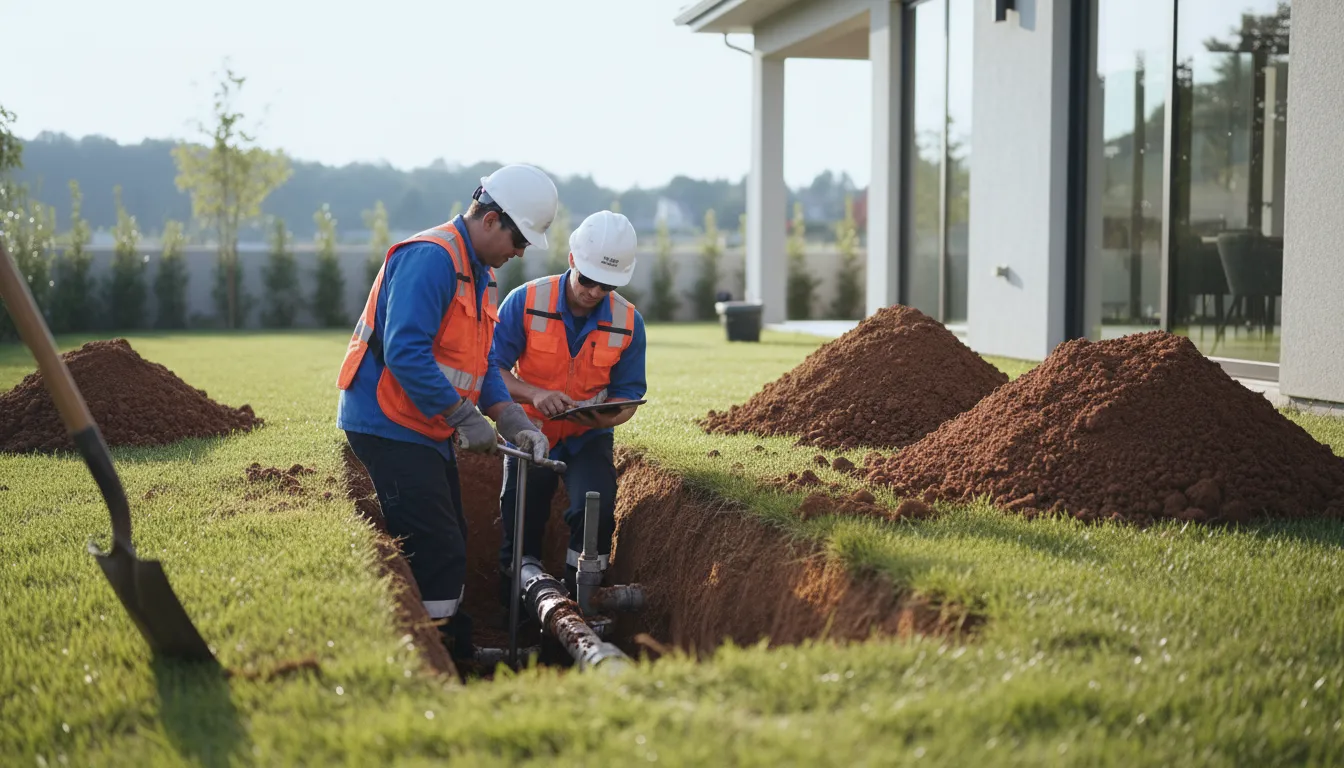
Find the Best Septic System Repair Companies for Your Business
No obligation • Fast responses • Nationwide coverage

Why you can trust Septic Spot
Septic Spot is a leading United States resource for understanding and comparing septic services. Our editors review providers using consistent criteria and verify key business details. Listings and scores are independent, and companies cannot pay to influence our content.
Search providers near you
Top Septic System Repair Companies in Beaumont, California Ranked
When your septic system shows signs of trouble-like slow drains, soggy patches in the yard, or unpleasant odors-prompt and proper repair is essential to protect your property, your health, and California's environment. Septic system repair involves diagnosing and fixing issues with the tank, pipes, or drainfield to restore safe wastewater treatment. This guide explains the critical regulations, common problems, and cost considerations for septic repairs in California, helping you understand the process and connect with qualified local professionals for your specific needs.
Generations Plumbing Co
37262 Harvest Dr, Murrieta, CA 92563
Generations Plumbing Co is a septic system repair company serving Temecula, CA. They provide a full range of plumbing services including installations, repairs, preventative maintenance, and emergency plumbing solutions. Their team is skilled in handling both residential and commercial plumbing needs, including sewage system repairs. With many years of experience, Generations Plumbing Co is known for using commercial-grade tools and high-quality components to ensure lasting results.
Benjamin's Plumbing & Drain Cleaning
5639 Durango Rd, Riverside, CA 92506
Benjamin's Plumbing & Drain Cleaning is a plumbing and septic service provider based in Riverside, CA. They offer a wide range of services including septic tank pumping and repair, sewer and drain cleaning, hydro jetting, trenchless sewer line repair, and commercial plumbing solutions. Their expertise includes sewer and drain video inspections to accurately diagnose issues and trenchless technology to minimize property disruption during repairs. Serving Riverside and surrounding Inland Empire areas, they provide services for residential, commercial, and industrial clients.
Mr. Rooter Plumbing of San Bernardino
410 W Valley Blvd, Colton, CA 92324
Mr. Rooter Plumbing of San Bernardino offers a wide range of plumbing services including septic tank pumping, repair, and installation in Riverside, CA. The company serves San Bernardino and surrounding areas with expertise in plumbing repairs, drain cleaning, sewer line services, and septic system solutions. They use advanced tools such as trenchless technology and video camera inspections to address plumbing issues efficiently. Mr. Rooter Plumbing provides 24/7 emergency plumbing services backed by the Neighborly Done Right Promise®, ensuring quality workmanship and customer satisfaction.
Payless 4 Plumbing
2016 N Mt Vernon Ave, San Bernardino, CA 92411
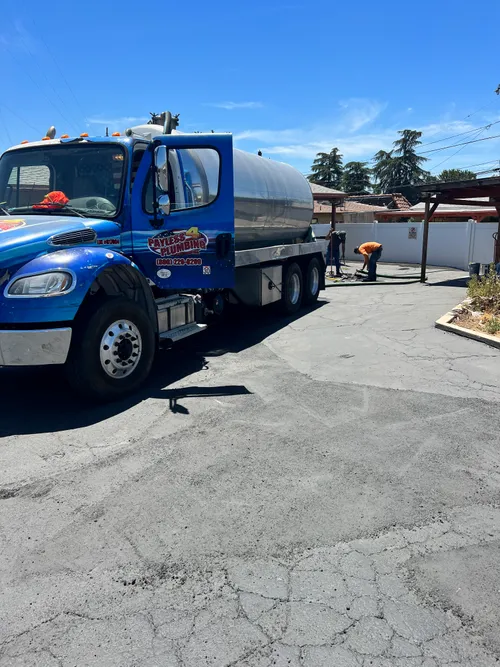
Payless 4 Plumbing is a family-owned plumbing company serving Fontana, CA, and the broader Southern California area. They specialize in septic tank pumping and septic system repair, along with seepage pit services including installation, maintenance, and repairs to help manage wastewater effectively. With nearly 30 years of experience since 2001, Payless 4 Plumbing has built a reputation for clear communication and careful workmanship. Their services cover residential and commercial plumbing needs throughout the Inland Empire and Southern California.
Rightway Septic Tank Pumping
653 W Minthorn St, Lake Elsinore, CA 92530
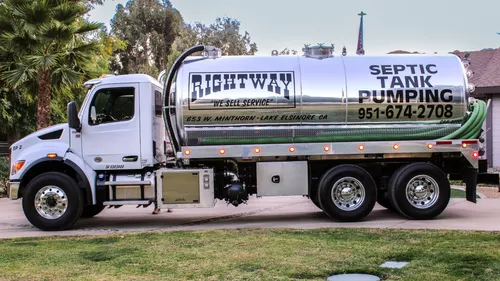
Rightway Septic Tank Pumping is a family-owned septic service provider based in Lake Elsinore, serving the Inland Empire area including Los Angeles, CA. They offer a range of services such as septic tank pumping, repairs, installations, wastewater treatment maintenance, seepage pit drilling, and septic system locating for both residential and commercial properties. With over 75 years of experience, Rightway is C-42 certified, ensuring compliance with industry standards and regulations. Their capabilities include septic tank pumping and maintenance using advanced equipment and techniques to maintain system efficiency.
Understanding California's Septic Repair Regulations
Repairing a septic system in California is a regulated process designed to protect groundwater and public health. Unlike simple maintenance tasks, most repairs require official oversight.
Permits Are Mandatory: Before any repair work begins, a permit must be obtained from your local Department of Environmental Health (DEH) or equivalent county environmental health agency. This ensures the repair complies with both state and local standards, which are often managed under a Local Agency Management Program (LAMP) 1. You cannot use a repair project to increase the system's capacity, such as to accommodate an addition to your home 2.
Licensed Professionals Required: All repair work must be performed by a licensed contractor. In California, this typically means a contractor holding a Type A (General Engineering) license, or specific classifications like C-36 (Plumbing) or C-42 (Sanitation System). Hiring a licensed professional is not just a legal requirement; it guarantees the work meets the technical standards necessary for approval.
Key Technical Standards for Repairs
California's repair standards focus on ensuring the system functions without contaminating soil or water. Key factors your contractor and the local agency will evaluate include:
- Groundwater Separation: State rules require a minimum of 5 feet of vertical separation between the bottom of the drainfield trenches and the highest seasonal groundwater level. This buffer is critical for filtering pathogens before water reaches the aquifer.
- Soil Percolation: The soil's ability to absorb water, measured by a percolation test, must not be slower than 120 minutes per inch (min/in). Slow-draining soils can cause system failure and may require alternative repair solutions.
- Setback Distances: Repaired components must maintain minimum distances from wells, streams, property lines, and structures. For example, systems are often required to be at least 100 feet from water wells and streams 3.
- Site Evaluation: For significant repairs, especially to the drainfield, the county may require a new site evaluation, including a soil profile analysis (test pit) and percolation testing 4.
Common Septic Repairs and Their Costs
Repair costs in California vary widely based on the problem's severity, system type, and local permitting and labor rates. Below is a breakdown of common issues and their associated cost ranges.
Minor Repairs ($300 - $4,000)
These are typically contained issues that don't require major excavation or replacement of the drainfield.
- Baffle Repair/Replacement: The baffles inside the tank that control inlet and outlet flow can deteriorate. This is a common and relatively cost-effective fix.
- Pipe Repair/Replacement: Repairing or replacing clogged or broken pipes connecting the house to the tank or the tank to the drainfield is a frequent need, especially for older systems.
Major Component Replacement ($1,000 - $15,000+)
When key components fail, costs increase significantly.
- Tank Repair or Replacement: While minor cracks can sometimes be patched, a severely compromised tank may need full replacement, which involves major excavation 5.
- Drainfield Repairs: This is often the most expensive repair. Partial fixes like cleaning pipes or adding new trenches may be possible, but a complete drainfield failure usually requires a full replacement in a new location on your property 6.
Diagnostics and Inspections ($275 - $1,800)
Before any repair, a professional diagnosis is needed. This may involve tank pumping, camera inspections of lines, and a detailed assessment to identify the root cause, which is a separate cost from the repair work itself 7 8.
Find the perfect septic system repair companies for your needs
Get personalized recommendations and expert advice
The Repair Process: From Failure to Function
Navigating a septic repair involves several clear steps. Understanding this process can help you manage the project smoothly.
- Recognize the Signs: Early warning signs include drains gurgling or emptying slowly, sewage backups, soggy or bright green grass over the drainfield, and foul odors near the tank or drainfield.
- Contact a Licensed Professional: Do not attempt to excavate or repair the system yourself. Contact a licensed septic repair contractor for a diagnosis.
- Diagnosis and Permit Application: The contractor will diagnose the issue and, for repairs beyond minor fixes, will typically handle the permit application process with the local health department on your behalf 9 10.
- Approval and Repair: Once the permit is approved, the contractor will complete the repair according to the submitted plans and local codes.
- Final Inspection: The local health department inspector will visit the site to approve the completed work before the excavation is backfilled, ensuring it meets all standards 11.
Special Considerations for Alternative Systems
Many homes, especially in areas with challenging soil or high groundwater, use alternative (or "non-standard") septic systems. These may include pumps, sand filters, or aerobic treatment units (ATUs). Repairing these systems requires specialized knowledge and often more frequent maintenance 12 13. Costs for parts and service for these advanced systems can be higher than for conventional systems. Always ensure your repair contractor is experienced with your specific system type.
Planning and Financing a Major Repair
A major drainfield replacement is a significant home investment. Planning ahead is crucial.
- Get Multiple Estimates: Always obtain detailed written estimates from 2-3 licensed contractors.
- Understand the Quote: Ensure the estimate includes costs for permits, inspections, excavation, materials, labor, and site restoration (landscaping).
- Explore Financing: Some counties offer low-interest loan programs for septic repairs, especially if the existing system is creating a public health hazard. Check with your local environmental health department for potential resources.
Maintaining a functional septic system is a key responsibility for California homeowners. By understanding the regulatory landscape, common problems, and realistic costs, you can make informed decisions and ensure repairs are done correctly, protecting your investment and the environment for years to come.
Frequently asked questions
Sources
Footnotes
-
Onsite Wastewater Treatment Systems (OWTS) | Mono County California - https://www.monohealth.com/environmental-health/page/onsite-wastewater-treatment-systems-owts ↩
-
Rebuilding a Home with an Existing Septic System - https://recovery.lacounty.gov/rebuilding/septic-systems/ ↩
-
Septic Installation in San Diego vs Other Regions: Key Differences - Mineo Bros Septic - https://www.mineobrosseptic.com/news/septic-installation-in-san-diego-vs-other-regions-key-differences/ ↩
-
Septic Systems - https://permitsonoma.org/divisions/engineeringandconstruction/wellandsepticsystems/septicsystems ↩
-
Understanding the Costs of Septic Tank Installation and Repair - https://mathisandsonsseptic.com/mathis-sons-septic-blog-orlando-fl/understanding-the-costs-of-septic-tank-installation-and-repair/ ↩
-
How Much Does It Cost to Repair a Septic Tank? - https://www.wepumpitsepticservice.com/how-much-does-it-cost-to-repair-septic-tank ↩
-
How Much Does Septic System Repair Really Cost in California - https://www.lanikseptic.com/septic-repair-cost/ ↩
-
Common Septic Tank Repairs In California (& What They Cost) - https://cacciaplumbing.com/blog/common-septic-tank-repairs-in-california/ ↩
-
Santa Clara County Onsite Systems Manual - California Water Boards - https://www.waterboards.ca.gov/sanfranciscobay/board_info/agendas/2016/January/SantaClaraOWTS/SCC_OWTS_B_Onsite_Systems_Manual.pdf ↩
-
Septic System | Nevada County, CA - https://www.nevadacountyca.gov/2520/Septic-System ↩
-
Humboldt County LAMP and Technical Standards Manual - https://www.waterboards.ca.gov/northcoast/water_issues/programs/owts/190415/Humboldt%20Co.-OWTS-Regulations-and-Technical-Manual-PDF.pdf ↩
-
The Californian's Guide To Septic Tanks - https://cacciaplumbing.com/blog/california-septic-tank-guide/ ↩
-
Septic Repair Cost in California: Complete Breakdown of Pricing Factors and Variations - https://www.lanikseptic.com/septic-repair-cost/ ↩