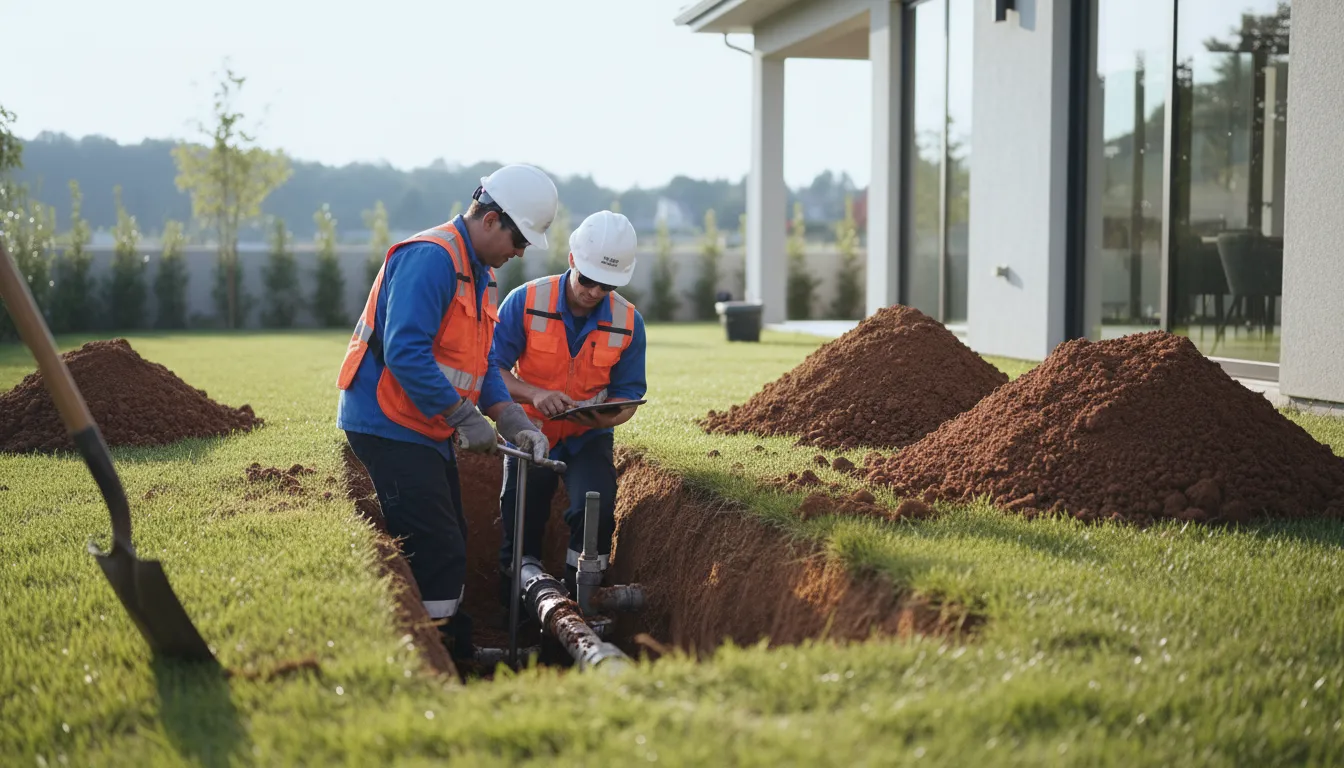
Find the Best Septic System Repair Companies for Your Business
No obligation • Fast responses • Nationwide coverage

Why you can trust Septic Spot
Septic Spot is a leading United States resource for understanding and comparing septic services. Our editors review providers using consistent criteria and verify key business details. Listings and scores are independent, and companies cannot pay to influence our content.
Search providers near you
Top Septic System Repair Companies in Long Beach, California Ranked
If your home relies on a septic system, maintaining its health is crucial for your property's sanitation and value. Septic system repair involves diagnosing and fixing issues with the tank, pipes, or drainfield to ensure safe wastewater treatment. In Long Beach, these repairs are strictly regulated, and finding a qualified local professional is key to navigating permits and ensuring a lasting solution. This guide will help you understand the repair process, local requirements, and how to connect with trusted specialists in your area.
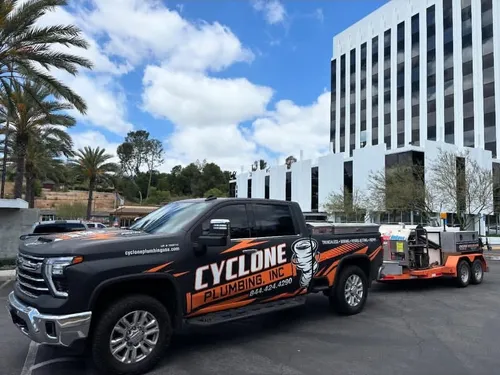
Cyclone Plumbing USA
1440 N Harbor Blvd suite 840, Fullerton, CA 92835
Cyclone Plumbing USA is a plumbing company based in Fullerton, CA, serving homes and businesses throughout Orange County. They offer a wide range of plumbing services, including septic tank inspection and septic system repair, as well as drain cleaning, hydro jetting, water heater installation, and leak detection. The company uses advanced equipment such as sewer cameras to diagnose issues and provides same-day repairs when needed. Cyclone Plumbing USA operates 24/7, offering emergency plumbing services at any time. The team at Cyclone Plumbing USA consists of licensed and insured professionals with years of hands-on experience. They emphasize transparency and fair pricing while delivering quality workmanship. Their commitment to customer satisfaction and comprehensive maintenance plans helps prevent costly repairs and ensures plumbing systems function efficiently.

High Speed Rooter & Plumbing
3831 Arden Dr, El Monte, CA 91731
High Speed Rooter & Plumbing is a septic tank pumping and repair company based in Los Angeles, CA. They provide comprehensive septic system services, including routine maintenance and complex repairs, using advanced technology and certified master plumbers. Their fully stocked trucks and state-of-the-art equipment enable efficient service delivery. The company also offers professional gas line installation and repair. High Speed Rooter & Plumbing provides 24/7 emergency services to address urgent plumbing and septic issues promptly.
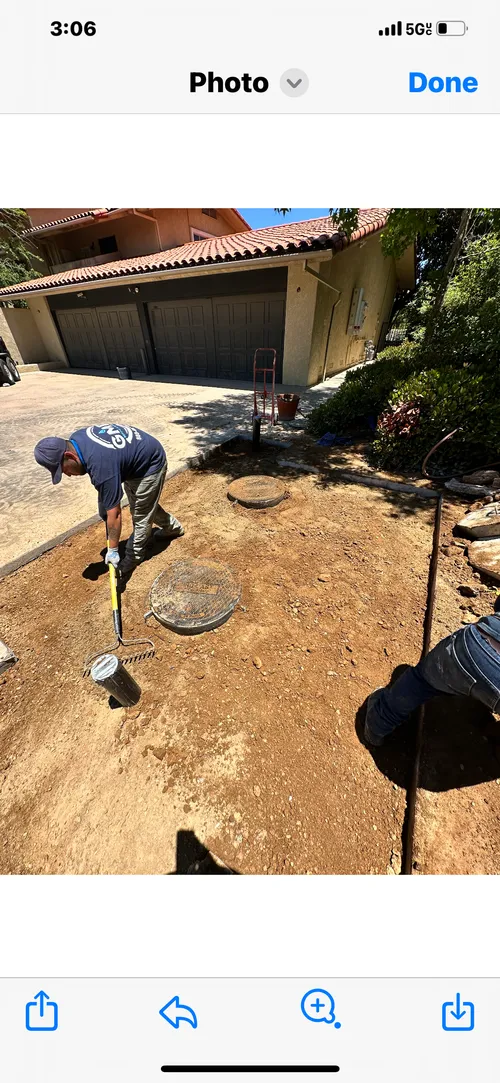
GMP Septic And Sewer
20 Surrey Ln, Rancho Palos Verdes, CA 90275
GMP Septic And Sewer provides a full range of septic services in Los Angeles, CA, including septic tank pumping, cleaning, inspections, repairs, installations, and system upgrades. They handle new construction, remodels, and replacements, ensuring systems are tailored to property needs. The company offers 24/7 emergency services for urgent septic system repairs. Their expertise covers diagnosing leaks, replacing damaged components, and maintaining system performance through regular maintenance and thorough inspections.
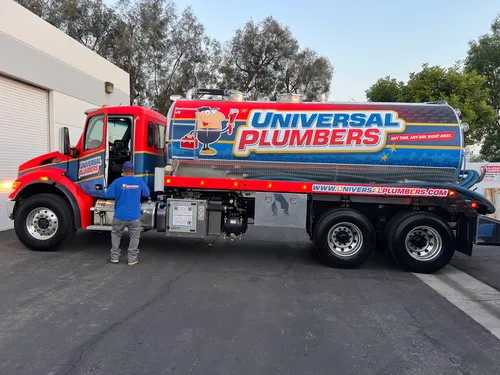
Universal Plumbers
3315 Glendale Blvd #10, Los Angeles, CA 90039
Universal Plumbers is a septic tank pumping, inspection, and repair company serving Los Angeles, CA. With over 30 years of experience in the plumbing industry and more than 30,000 residential and commercial jobs completed, they offer a wide range of plumbing services including emergency plumbing and sewer system maintenance. The company provides 24/7 emergency plumbing services, ensuring help is available at any time for urgent issues such as leaks, clogs, and sewer repairs. Established in 2008, Universal Plumbers combines extensive industry knowledge with around-the-clock availability to address plumbing needs efficiently.
Carter Sanitation Sewer & Septic
4266 Elton St, Baldwin Park, CA 91706
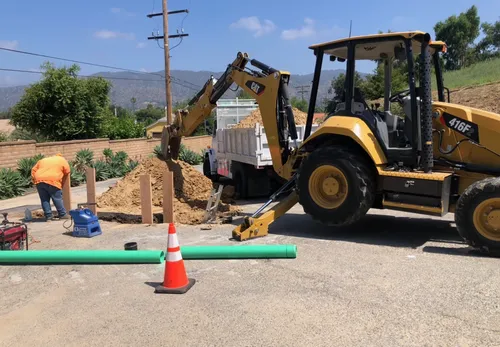
Carter Sanitation Sewer & Septic provides septic and sewer services in Los Angeles, CA, with a focus on the San Gabriel Valley. The company offers septic system installation, pumping, repair, sewer line services, trenchless sewer solutions, street excavation, and drain cleaning for residential, commercial, industrial, and municipal properties. Established in 1969, Carter Sanitation brings over 50 years of experience to its work, emphasizing environmental responsibility and customer satisfaction.
Understanding Septic Systems and Local Regulations
While the majority of residential properties in the City of Long Beach are connected to the municipal sewer system, older homes and some properties in less developed areas may still utilize onsite wastewater treatment systems (OWTS) 1. For these homes, a functioning septic system is essential. These systems are private wastewater treatment plants, typically consisting of a tank where solids settle and a drainfield where liquid effluent is filtered through the soil.
All construction, reconstruction, or repair work on a septic system in Long Beach falls under the jurisdiction of the Los Angeles County Department of Public Health, Environmental Health Division. A critical local rule is that if a public sewer line is available within 200-300 feet of your property, the county may require you to connect to it instead of repairing your existing septic system. This makes an initial assessment with the county a vital first step before committing to any repair project.
Common Signs You Need Septic System Repairs
Recognizing early warning signs can prevent minor issues from becoming major, costly failures. A system is officially considered failing if it shows evidence of not properly treating wastewater, posing a public health risk 2 3. Be on the lookout for these indicators:
- Sewage Backups: The most alarming sign is sewage backing up into household drains or toilets.
- Surface Failure: Puddles of standing water or soggy soil over the drainfield, especially with a foul odor.
- Unusually Lush Vegetation: Grass over the drainfield that is greener and grows faster than the rest of the yard can signal a nutrient-rich leak.
- Slow Drains: Gurgling pipes and drains that empty slowly throughout the house.
- Persistent Odors: The smell of sewage around the tank or drainfield area.
If you notice any of these signs, it's important to contact a professional for an inspection immediately to assess the need for septic tank repair or broader system servicing.
The Professional Repair Process: From Inspection to Completion
A thorough, professional repair follows a structured process to ensure the problem is correctly identified and permanently resolved in compliance with local codes.
- Comprehensive Site Inspection: A licensed professional will first conduct a detailed evaluation. This includes locating and inspecting the tank for sludge levels, structural integrity, and leaks. They will also assess the drainfield for signs of saturation or failure 4 5.
- Diagnosis and Testing: For issues related to the drainfield, further testing like soil analysis and percolation tests may be required to determine if the soil can still properly absorb effluent 6. This step is crucial for designing an effective repair or replacement.
- Permit Acquisition: Before any work begins, your contractor should help you obtain the necessary permit from the LA County Department of Public Health. This ensures the planned repair meets all health and safety standards.
- System Design (If Needed): For significant repairs or replacements, a new system design by a civil engineer or specialist is often required 7. This design must be submitted as part of the permit application.
- Execution of Repairs: With permits in hand, the licensed crew will perform the agreed-upon repairs, which could range from replacing a component to installing a new drainfield.
Find the perfect septic system repair companies for your needs
Get personalized recommendations and expert advice
Types of Septic System Repairs and Associated Costs
The scope and cost of fixing your onsite wastewater system depend entirely on which component has failed. Here's a breakdown of common repair types and their typical cost ranges in the Long Beach area, based on industry standards.
Minor Component Repairs ($300 - $1,000)
These are fixes that address specific parts without major excavation or system overhaul.
- Baffle or Filter Repair/Replacement: The baffles in your tank prevent scum and solids from exiting into the drainfield. Cleaning or replacing these is a common minor repair.
- Minor Pipe Repairs: Fixing a broken or blocked pipe leading from the house to the tank or from the tank to the distribution box.
Moderate System Repairs ($1,200 - $10,000)
This category involves more substantial work on key system components.
- Major Pipe or Distribution Box Repair: Replacing long sections of damaged piping or repairing the distribution box that channels effluent to the drainfield lines can cost between $1,200 and $4,000.
- Tank Repair or Replacement: Fixing a cracked tank or, more commonly, replacing a failing tank typically falls in the $3,000 to $10,000 range.
Major Drainfield Repairs ($5,000 - $15,000+)
The drainfield (or leach field) is often the most expensive part to fix, as it requires significant excavation.
- Drainfield Repair: Sometimes, only a portion of the field is clogged or saturated. Repairing a section can cost between $5,000 and $15,000.
- Full Drainfield Replacement: If the entire field has failed, a complete replacement is necessary, with costs starting around $5,000 and often exceeding $15,000 depending on size and soil conditions.
Full System Replacement ($8,000 - $22,000+)
When both the tank and drainfield have failed, or the system is too old to repair effectively, a full septic system installation is required. This is a major project involving new tank placement, comprehensive drainfield construction, and all new piping, with costs typically ranging from $8,000 to over $22,000 8 9.
Choosing a Licensed Contractor in Long Beach
Given the technical and regulatory complexity of septic work, selecting the right contractor is paramount. In Los Angeles County, professionals performing septic system repair or installation must hold specific licenses. Look for contractors with a Class A (General Engineering) license, a C-42 (Sanitation System) license, or a C-36 (Plumbing) license. Always verify their license status online and ask for proof of insurance. A reputable contractor will be familiar with the LA County permit process, offer a detailed written estimate, and provide references from past septic repair projects.
Maintaining Your System to Avoid Future Repairs
Proactive maintenance is the most cost-effective strategy. Regular pumping (typically every 3-5 years, at a cost of $200-$400 for combined inspection and pumping) prevents sludge overload, which is a common cause of drainfield failure 10. Be mindful of what goes down your drains-avoid flushing chemicals, grease, and non-biodegradable items-and practice water conservation to reduce strain on the system. An annual inspection, which can cost between $50 and $150, can catch small problems before they escalate into major repairs 10.
Frequently asked questions
Sources
Footnotes
-
How Sewer and Septic Systems Work in Long Beach, CA - https://www.mrfixitplumbing.com/sewer-septic-systems-work-long-beach-ca/ ↩
-
Onsite Wastewater Treatment System in Los Angeles County - http://www.publichealth.lacounty.gov/eh/business/septic-systems.htm ↩
-
Rebuilding a Home with an Existing Septic System - https://recovery.lacounty.gov/rebuilding/septic-systems/ ↩
-
The Californian's Guide To Septic Tanks - https://cacciaplumbing.com/blog/california-septic-tank-guide/ ↩
-
Essential Septic System Inspection Guide for Homeowners - https://smartsepticpros.com/blog/septic-system-inspection-for-homeowners/ ↩
-
California Septic Tank Requirements | Onsite Wastewater ... - https://www.ntotank.com/blog/california-septic-tank-requirements ↩
-
The SoCal Guide to Septic Tank Installation - https://www.lanikseptic.com/socal-guide-septic-tank-installation/ ↩
-
Maintaining your Septic System A Guide for Homeowners - https://www.ihs.gov/california/tasks/sites/default/assets/File/SFC-MaintainingYourSepticSystemGuide.pdf ↩
-
Santa Clara County Onsite Systems Manual - California Water Boards - https://www.waterboards.ca.gov/sanfranciscobay/board_info/agendas/2016/January/SantaClaraOWTS/SCC_OWTS_B_Onsite_Systems_Manual.pdf ↩
-
Cost of Septic Maintenance | Annual Expenses Explained | Blog - https://www.blueribbonseptic.com/blog/cost-of-septic-maintenance ↩ ↩2