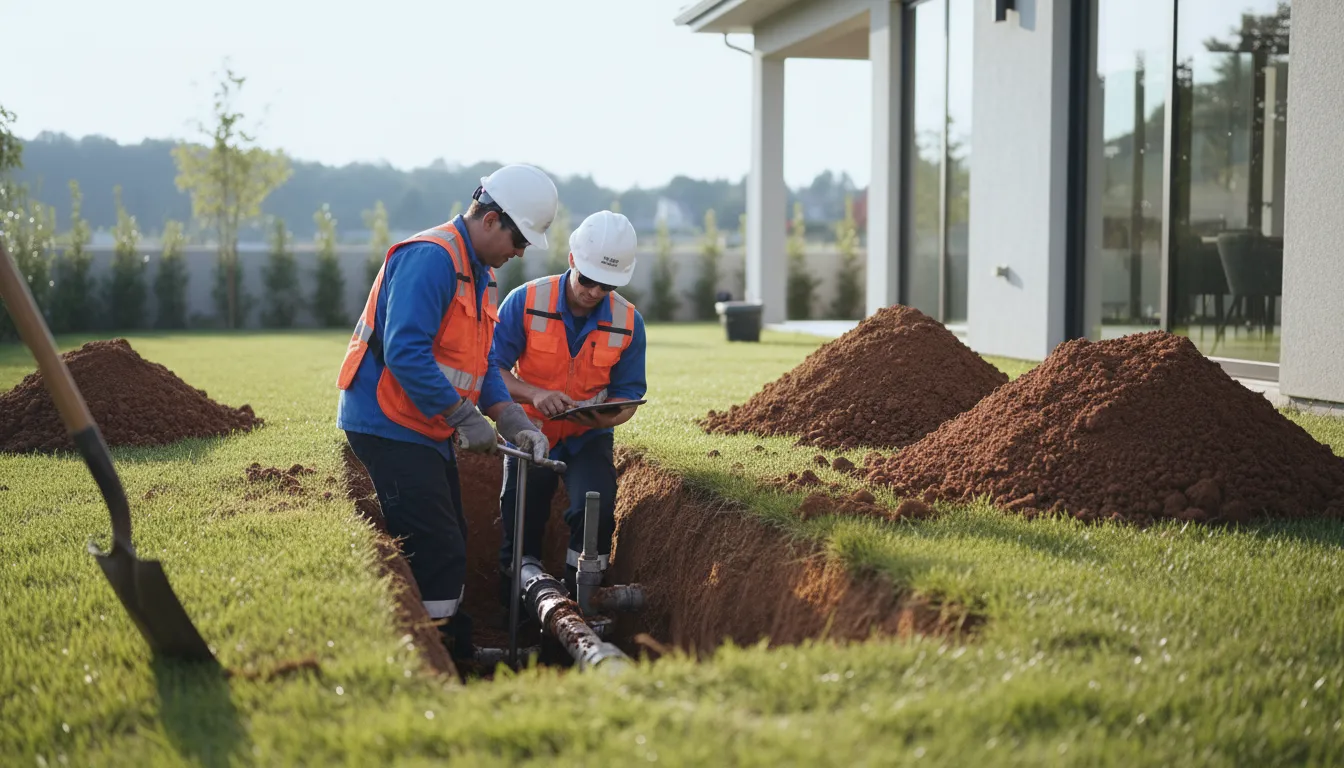
Find the Best Septic System Repair Companies for Your Business
No obligation • Fast responses • Nationwide coverage

Why you can trust Septic Spot
Septic Spot is a leading United States resource for understanding and comparing septic services. Our editors review providers using consistent criteria and verify key business details. Listings and scores are independent, and companies cannot pay to influence our content.
Search providers near you
Top Septic System Repair Companies in San Diego, California Ranked
When your septic system shows signs of trouble-like slow drains, soggy ground, or unpleasant odors-it's a clear signal that professional septic system repair is needed. In San Diego County, addressing these issues is not just about fixing a home system; it's a regulated process that protects public health and local groundwater. This guide explains the local repair landscape, from common problems and costs to the essential regulatory steps, helping you understand your options and connect with qualified local specialists for septic tank repair and wastewater system restoration.
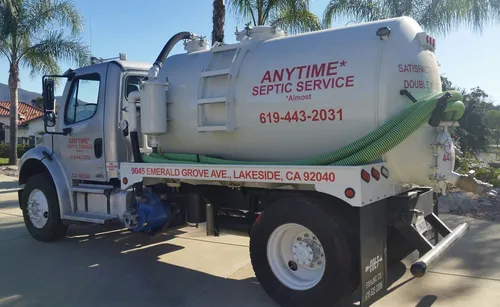
Anytime Septic Service
8867 Gardena Rd, Lakeside, CA 92040
Anytime Septic Service is a family-owned company serving San Diego, CA, with over 55 years of experience in septic system care. They provide septic tank pumping, inspection, repairs, and installation across multiple local communities including El Cajon, Lakeside, La Mesa, and others. The team uses modern techniques and equipment to ensure septic systems function properly, offering thorough visual inspections and detailed explanations of their findings. They also provide after-hours emergency service for urgent septic needs.
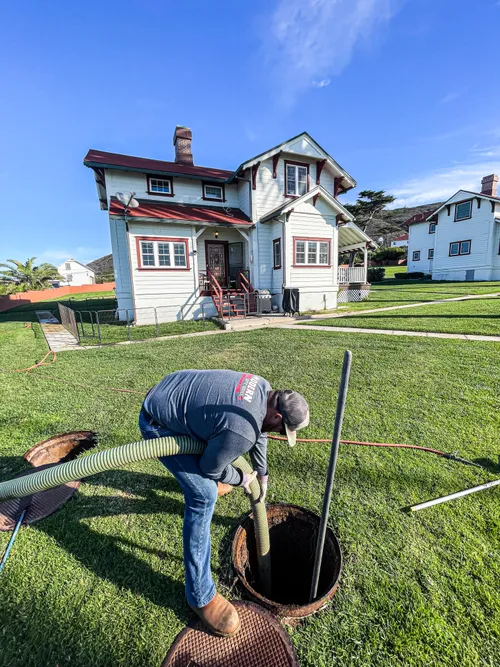
Modern Septic Service
1506 Pioneer Way, El Cajon, CA 92020
Modern Septic Service is a family-owned septic tank pumping, inspection, and repair company serving San Diego, CA. With over 60 years of experience, they provide residential and commercial septic services, including routine pumping, cleaning, troubleshooting, and maintenance. The company specializes in handling large-capacity septic systems for various commercial and municipal clients, offering 24/7 emergency pumping services and supporting public works projects with prevailing wage compliance. Founded in 1960, Modern Septic Service has grown through three generations, expanding its fleet and capabilities to meet diverse septic system needs across San Diego County.
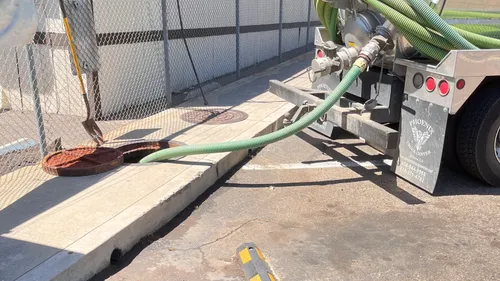
Dr. Septic
San Diego, CA
Dr. Septic is a septic tank pumping, inspection, and repair company based in San Diego, CA. They provide services including septic tank pumping, certification, and drain field repair or replacement. Known for attention to detail, Dr. Septic handles complex issues such as clogged septic systems and leach field replacements. Customers have noted their thorough approach and willingness to accommodate urgent needs, including weekend work.
Solid State Septic
Escondido, CA
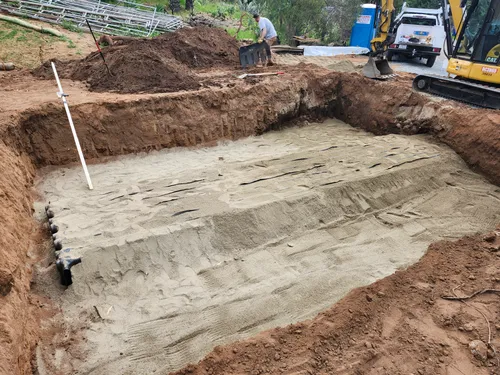
Solid State Septic is a septic system repair and installation company serving Escondido, CA. They provide septic solutions for both homes and businesses throughout San Diego County. Their services include new septic tank installations and repairs, focusing on meeting community needs with reliable septic system care.
North County Backhoe Service
Murrieta, CA
North County Backhoe Service is a septic system repair and installation company serving Murrieta, CA, and surrounding areas. With 50 years of experience, they handle septic tank repairs and installations, addressing issues such as sewage backups and clogs. The company is known for its knowledgeable team and prompt response to septic problems.
Understanding Septic System Failures and Repairs
A failing septic system is more than an inconvenience; it's a potential environmental and health hazard. Problems often start small but can escalate quickly if ignored. Common warning signs include sewage backups in household drains, pooling water or lush green grass over the drain field, and persistent foul odors around the tank or drain field area. In San Diego's diverse landscapes, from coastal basins to inland hills, the causes of failure can vary widely but often include age, lack of maintenance, hydraulic overloading, or soil compaction.
The repair process is fundamentally diagnostic. A licensed septic contractor must first investigate to pinpoint the exact cause of failure. This isn't a guessing game; it involves inspecting the tank, checking the distribution box, and assessing the drain field's absorption capacity. The solution could be as simple as replacing a broken baffle or as complex as a full system redesign. Understanding this diagnostic approach is the first step toward a compliant and lasting fix for your onsite wastewater treatment system.
The San Diego County Regulatory Framework
All septic system repairs in San Diego County require explicit authorization from the Department of Environmental Health and Quality (DEHQ) before any work begins. This isn't mere bureaucracy-it's a safeguard. The DEHQ ensures that repairs meet current design and public health standards, preventing contamination of soil and groundwater, which is crucial in our region.
The journey to approval starts with your licensed contractor. They will submit a Septic Repair Authorization Application to the DEHQ, detailing the proposed repair plan. An Environmental Health Specialist reviews this plan for compliance with the county's Septic System Design Criteria1. For instance, systems must be sized for one additional bedroom beyond the current count, and a minimum 1,000-gallon tank is required for 1-3 bedroom homes 1. If a repair cannot strictly comply with current codes, the contractor may need to apply for a variance, explaining why standard compliance isn't feasible.
Finally, the DEHQ must inspect and approve the completed repair before the site is backfilled. This final inspection leads to a Certificate of Operation, your official record that the system is functioning properly. Navigating this process with a contractor experienced in San Diego's specific requirements is essential for a smooth project.
Common Types of Septic Repairs
Repairs range from minor component fixes to major excavation and replacement. Here's a breakdown of common interventions performed by septic service professionals:
- Minor Component Repairs: These are often the most straightforward and cost-effective fixes. They include replacing broken inlet or outlet baffles, repairing damaged tank lids, or cleaning clogged effluent filters 2 3. Installing risers for easier future access is also a common upgrade that falls under this category.
- Pump and Electrical System Fixes: For systems with pumps (like mound systems or those with uphill drain fields), repairs may involve replacing a failed effluent pump, malfunctioning float switches, or the electrical control panel.
- Drain Field Rehabilitation or Replacement: This is a major repair. If the soil absorption field (leach field) has failed due to clogging, compaction, or hydraulic overload, it may need partial or complete replacement. This involves excavating and installing new perforated pipes and gravel in clean soil.
- System Upgrades and Alternative Technologies: When a conventional drain field repair isn't possible due to poor soil or limited space, the solution may be an alternative system. This can include installing a mound system or an advanced treatment unit that provides additional wastewater treatment before dispersal.
Find the perfect septic system repair companies for your needs
Get personalized recommendations and expert advice
What to Expect: The Repair Process from Start to Finish
Knowing the step-by-step process can demystify septic system restoration and help you manage expectations.
- Professional Diagnosis: It all begins with a thorough inspection by a licensed septic contractor. They will likely pump the tank to inspect its interior, check all components, and perform tests (like a percolation test or soil evaluation) on the drain field to determine the extent and cause of the failure.
- Plan Development and DEHQ Submission: Based on the diagnosis, your contractor will develop a repair plan. They will handle the preparation and submission of the required Septic Repair Authorization Application to the DEHQ, including any necessary site plans and soil data 4.
- Authorization and Permitting: Once the DEHQ authorizes the repair plan, any necessary building or excavation permits from the city or county can be secured. Your contractor should manage this permitting process.
- Field Work and Construction: The physical repair work begins. This phase can last from a single day for minor repairs to several weeks for a full drain field replacement, depending on weather, soil conditions, and system complexity.
- Final Inspection and Approval: After construction, the contractor will request a final inspection from the DEHQ. The inspector will verify that the work matches the approved plan and meets all standards. Only after passing this inspection can the system be covered and put back into service.
Cost Considerations for Septic Repairs in San Diego
The cost of septic system repair is highly variable, driven by the type of repair, site accessibility, soil conditions, and local permitting fees. It's important to view the following figures as general ranges, as your specific situation may differ.
- Minor Repairs and Maintenance: Replacing a baffle or component might cost between $500 and $2,500, while a routine inspection and pump (which can prevent major repairs) typically ranges from $300 to $600.
- Conventional Drain Field Repair: Repairing or replacing a standard leach field is a significant investment, often ranging from $5,000 to $12,000.
- Alternative System Repair: For mound systems or other engineered solutions, repair costs are higher due to increased materials and complexity, generally between $8,000 and $20,000.
- Advanced Treatment System Installation: When soil conditions demand a high-tech solution like an aerobic treatment unit (ATU), costs can range from $15,000 to over $30,0005 6.
Disclaimer: These costs are estimates. A detailed, site-specific evaluation from a licensed contractor is the only way to get an accurate quote for your septic system fix.
Maintaining Your System Post-Repair
A successful repair is a new beginning for your wastewater system. Protecting that investment requires a consistent maintenance plan. The DEHQ recommends that all systems have a formal Operation and Maintenance Plan on file 7. Key maintenance tasks include having the tank pumped regularly (every 3-5 years for most households), conserving water to avoid overloading the system, and avoiding flushing harmful chemicals or non-biodegradable materials 8. Proper maintenance is the most effective strategy to avoid another costly septic system failure down the line.
Frequently asked questions
Sources
Footnotes
-
Septic System Design Criteria - County of San Diego - https://www.sandiegocounty.gov/content/dam/sdc/deh/lwqd/Septic_System_Design_Criteria_3-22-10.pdf ↩ ↩2
-
Septic Systems - County of San Diego - https://www.sandiegocounty.gov/content/sdc/deh/lwqd/lu_septic_systems.html ↩
-
Septic System Repairs: Expert Diagnostics and Repairs - https://superiorsepticsandiego.com/services/septic-system-repairs/ ↩
-
Septic Repair Authorization Application - County of San Diego - https://www.sandiegocounty.gov/content/dam/sdc/deh/lwqd/Septic_Repair_Authorization_FILLABLE.pdf ↩
-
Maintaining your Septic System A Guide for Homeowners - https://www.ihs.gov/california/tasks/sites/default/assets/File/SFC-MaintainingYourSepticSystemGuide.pdf ↩
-
How Much Does Septic System Repair Really Cost in California - https://www.lanikseptic.com/septic-repair-cost/ ↩
-
standard septic system operation and maintenance plan - https://www.sandiegocounty.gov/content/dam/sdc/deh/lwqd/Standard_Operation_and_Maintenance_Plan_Template_FILLABLE.pdf ↩
-
Septic System 101 - Homeowners Manual - https://www.mohave.gov/departments/development-services/environmental-qualitywaste-disposal/documents/septic-system-101-homeowners-manual/ ↩