Find the Best Septic System Repair Companies for Your Business
No obligation • Fast responses • Nationwide coverage

Why you can trust Septic Spot
Septic Spot is a leading United States resource for understanding and comparing septic services. Our editors review providers using consistent criteria and verify key business details. Listings and scores are independent, and companies cannot pay to influence our content.
Search providers near you
Top Septic System Repair Companies in Chula Vista, California Ranked
When your home's onsite wastewater treatment system fails, it's more than an inconvenience-it's a potential health hazard and environmental concern. Septic system repair in Chula Vista involves diagnosing and fixing issues with your tank, pipes, or drainfield to restore proper function and ensure compliance with local regulations. This guide explains the common types of repairs, the regulatory process managed by San Diego County, and typical costs, helping you understand what to expect and how to connect with qualified local professionals for your septic service needs.
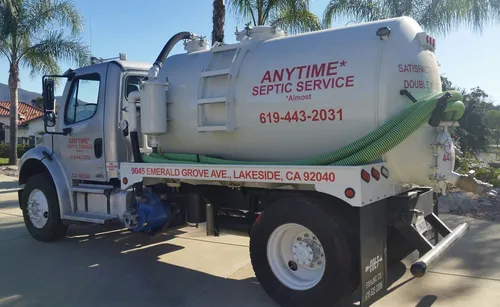
Anytime Septic Service
8867 Gardena Rd, Lakeside, CA 92040
Anytime Septic Service is a family-owned company serving San Diego, CA, with over 55 years of experience in septic system care. They provide septic tank pumping, inspection, repairs, and installation across multiple local communities including El Cajon, Lakeside, La Mesa, and others. The team uses modern techniques and equipment to ensure septic systems function properly, offering thorough visual inspections and detailed explanations of their findings. They also provide after-hours emergency service for urgent septic needs.
Modern Septic Service
1506 Pioneer Way, El Cajon, CA 92020
Modern Septic Service is a family-owned septic tank pumping, inspection, and repair company serving San Diego, CA. With over 60 years of experience, they provide residential and commercial septic services, including routine pumping, cleaning, troubleshooting, and maintenance. The company specializes in handling large-capacity septic systems for various commercial and municipal clients, offering 24/7 emergency pumping services and supporting public works projects with prevailing wage compliance. Founded in 1960, Modern Septic Service has grown through three generations, expanding its fleet and capabilities to meet diverse septic system needs across San Diego County.
Dr. Septic
San Diego, CA
Dr. Septic is a septic tank pumping, inspection, and repair company based in San Diego, CA. They provide services including septic tank pumping, certification, and drain field repair or replacement. Known for attention to detail, Dr. Septic handles complex issues such as clogged septic systems and leach field replacements. Customers have noted their thorough approach and willingness to accommodate urgent needs, including weekend work.
Solid State Septic
Escondido, CA
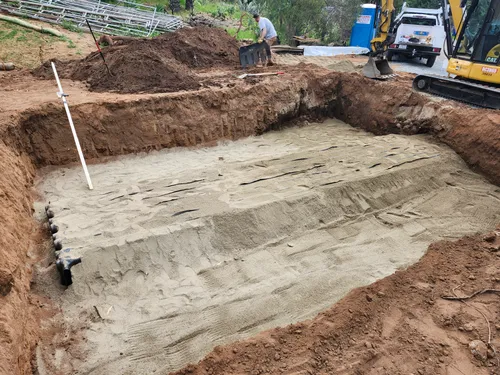
Solid State Septic is a septic system repair and installation company serving Escondido, CA. They provide septic solutions for both homes and businesses throughout San Diego County. Their services include new septic tank installations and repairs, focusing on meeting community needs with reliable septic system care.
North County Backhoe Service
Murrieta, CA
North County Backhoe Service is a septic system repair and installation company serving Murrieta, CA, and surrounding areas. With 50 years of experience, they handle septic tank repairs and installations, addressing issues such as sewage backups and clogs. The company is known for its knowledgeable team and prompt response to septic problems.
Understanding Septic System Failures
A failing septic system can manifest in several ways. Common signs include slow-draining sinks and toilets, foul odors around the tank or drainfield area, sewage backing up into household drains, or unusually lush, soggy grass over the leach field. These symptoms indicate that the system is not properly treating and dispersing wastewater, which requires immediate attention. In Chula Vista, the underlying causes often involve aging infrastructure, lack of routine maintenance (like regular pumping), root intrusion, or soil compaction over the drainfield. Identifying the root cause is the first critical step performed by a professional during a site evaluation, which often includes a camera inspection of the lines.
San Diego County Regulations and Permits
All septic system work in Chula Vista falls under the jurisdiction of the San Diego County Department of Environmental Health and Quality (DEHQ), even though Chula Vista is an incorporated city. This means you cannot begin any repair, modification, or replacement without securing the proper county permits. The permit process ensures that all work meets strict standards for public health and environmental protection.
Key regulatory requirements include:
- Mandatory Permits: A permit is required for any installation, modification, or repair of an Onsite Wastewater Treatment System (OWTS) 1 2.
- Approved Equipment: Septic tanks used in repairs or replacements must have IAPMO (International Association of Plumbing and Mechanical Officials) approval and meet DEHQ standards.
- Critical Setbacks: Repairs must adhere to strict separation distances. For example, the septic tank must be at least 5 feet from your home, and the entire system must be a specific distance from property lines, wells, and water sources 3.
- Qualified Contractors: Major repairs and installations must be performed by licensed professionals, typically holding a C-36 (plumbing), C-42 (sanitation system), or a County-specific Class A or Class B contractor's license 4.
Before any shovels hit the ground, your chosen professional will typically handle the permit application, which must be approved by the County. Failure to obtain a permit can result in fines and an order to undo the work.
Common Types of Septic Repairs and Costs
Repair costs in Chula Vista vary widely based on the complexity of the job, soil conditions, and accessibility. Here's a breakdown of common septic tank repairs and associated price ranges 5 6 7.
Minor Repairs ($250 - $900)
These are typically above-ground or simple tank-access fixes.
- Riser and Lid Installation: Adding or replacing access risers and lids makes future pumping and inspection much easier and safer.
- Baffle or Filter Replacement: The baffle (or a modern filter) at the tank's outlet prevents solids from escaping into the drainfield. Replacing a damaged one is a common repair.
- Minor Pipe Connection Fixes: Addressing small leaks at the inlet or outlet pipe connections to the tank.
Intermediate Repairs ($1,000 - $4,000)
These repairs often involve excavation and replacement of key components.
- Pipe Repair/Replacement: Fixing or replacing broken, clogged, or collapsed pipes that run from your house to the tank or from the tank to the distribution box and drainfield.
- Distribution Box Repair/Replacement: The "D-box" evenly distributes liquid effluent to the leach lines. If it's cracked or uneven, it must be fixed or replaced.
- Tank Structural Patching: Repairing minor cracks or holes in a concrete tank, though this is often a temporary solution.
Major Repairs and Partial Replacements ($5,000 - $15,000+)
This category involves significant excavation and is often necessary when the drainfield has failed.
- Drainfield Restoration: This can involve techniques like cleaning clogged leach lines with high-pressure jetting or installing new lines in an existing field.
- Drainfield Expansion or Replacement: If the original leach field has completely failed, a new section may be added (if space allows) or the entire field may need to be replaced. This is often the most expensive repair.
- Septic Tank Replacement: If the tank is severely cracked, collapsed, or undersized, it must be excavated and replaced with a new, approved model.
Note: Emergency service calls, especially for backups or surfacing sewage, can significantly increase these costs, sometimes doubling the standard repair price 8. Always factor in county permit fees, which vary based on project scope 9.
Find the perfect septic system repair companies for your needs
Get personalized recommendations and expert advice
The Professional Repair Process: What to Expect
Engaging a licensed professional for your septic system repair ensures the job is done correctly and legally. Here's a typical sequence of events:
- Initial Consultation and Site Evaluation: The contractor will visit your property, discuss the symptoms, and perform a thorough inspection. This often includes checking sludge and scum levels in the tank (which should not exceed one-third of its capacity) and may involve a camera scope to inspect the leach lines and identify blockages or breaks 10 11 12.
- Diagnosis and Proposal: Based on the evaluation, the professional will diagnose the failure's cause and provide a detailed repair proposal, including a cost estimate and an outline of the necessary permit applications.
- Permit Acquisition: The contractor will file the required applications with the San Diego County DEHQ Land Use Duty Desk (858-565-5173) and wait for approval before commencing work.
- Repair Execution: The repair work is performed according to county standards. For major work, this involves careful excavation, component replacement, and system reassembly.
- Final Inspection: Once work is complete, a County inspector will typically visit the site to verify the repair complies with the issued permit and all regulations 13. Passing this inspection is crucial for closing out the permit.
- Site Restoration: The contractor will backfill any excavations and restore your landscaping as agreed upon in the proposal.
Maintaining Your System Post-Repair
After investing in a repair, protecting that investment through proper maintenance is essential. Regular pumping (every 3-5 years for an average household) is the cornerstone of septic care, preventing solids from overflowing into and damaging the drainfield 14. Be mindful of what goes down your drains-avoid flushing non-biodegradable items, chemicals, and excessive grease. Also, manage water usage and avoid driving or placing heavy structures over your drainfield area. A well-maintained system can last for decades, while neglect can lead to another costly failure.
Choosing a knowledgeable local professional who understands both the technical aspects of septic systems and the specific regulatory landscape of San Diego County is the key to a successful, long-lasting repair. They can guide you from diagnosis through permit approval to final inspection, ensuring your Chula Vista home's wastewater system is safe, functional, and compliant.
Frequently asked questions
Sources
Footnotes
-
Septic Systems - County of San Diego - https://www.sandiegocounty.gov/content/sdc/deh/lwqd/lu_septic_systems.html ↩
-
ordinance no. 10136 (ns) - County of San Diego - https://www.sandiegocounty.gov/content/dam/sdc/pds/ceqa/JVR/AdminRecord/IncorporatedByReference/Section-2-5---Geology--Soils-and-Seismicity-References/County%20of%20San%20Diego%202011d_Ord10136.pdf ↩
-
What Septic System Compliances Must Be Met in San Diego County? - https://freemansconstruction.com/septic-systems-san-diego-county-setbacks/ ↩
-
Frequently Asked Questions on Septic Systems - https://www.sandiegocounty.gov/content/sdc/deh/lwqd/lu_septic_systems/lu_septic_faqs_page.html ↩
-
How Much Does Septic System Repair Really Cost in California - https://www.lanikseptic.com/septic-repair-cost/ ↩
-
Get Septic System Repair in Brentwood, CA - https://brentwoodseptic.com/get-septic-system-repair ↩
-
Common Septic Tank Repairs In California (& What They Cost) - https://cacciaplumbing.com/blog/common-septic-tank-repairs-in-california/ ↩
-
How Much Does Septic System Repair Really Cost in California - https://www.lanikseptic.com/septic-repair-cost/ ↩
-
Septic Systems - County of San Diego - https://www.sandiegocounty.gov/content/sdc/deh/lwqd/lu_septic_systems.html ↩
-
Septic Services in Chula Vista - https://septicservicechulavista.com/ ↩
-
Septic System Inspections - InterNACHI - https://www.nachi.org/inspecting-septic-systems.htm ↩
-
How to Get Septic to Pass Inspection - https://www.guardianangelinspections.com/how-to-get-septic-to-pass-inspection ↩
-
Southern California Septic System Regulations: What You Need to ... - https://www.lanikseptic.com/socal-septic-regulations/ ↩
-
Frequent Questions on Septic Systems | US EPA - https://www.epa.gov/septic/frequent-questions-septic-systems ↩