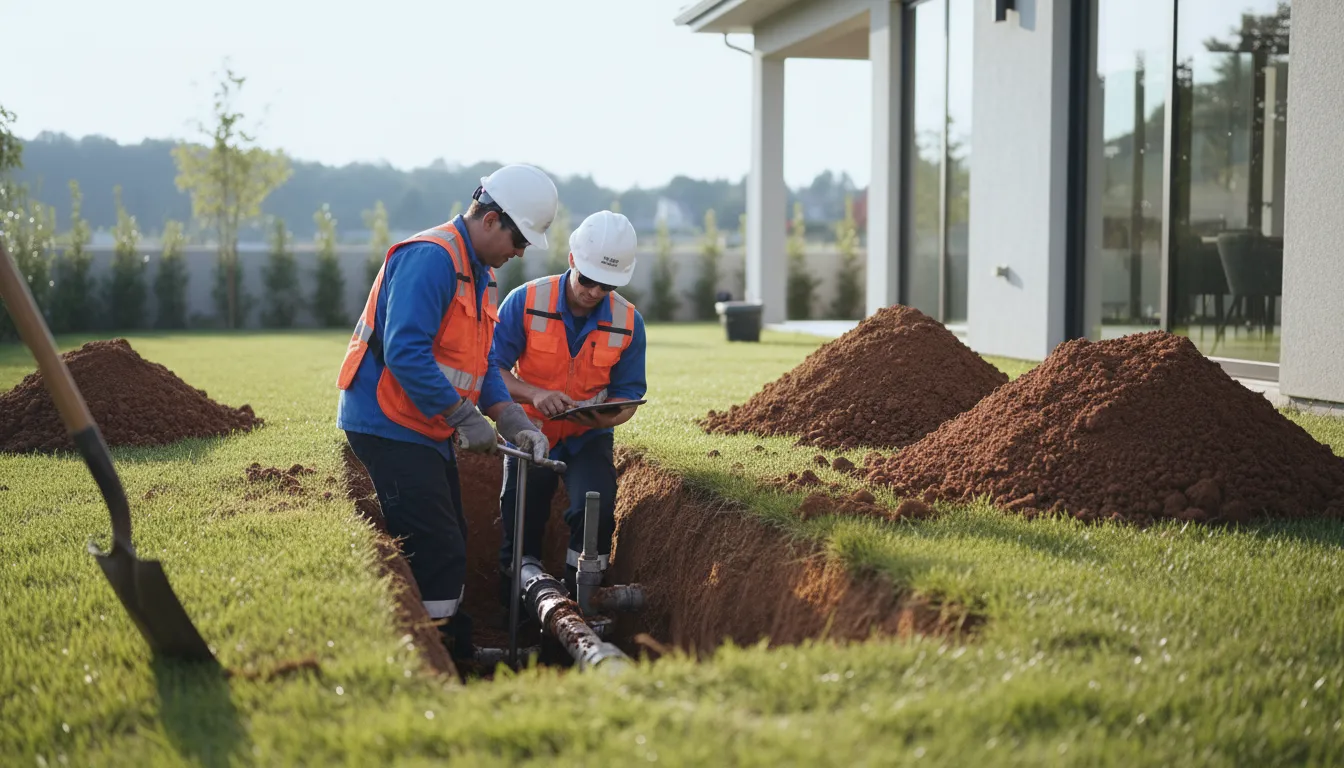
Find the Best Septic System Repair Companies for Your Business
No obligation • Fast responses • Nationwide coverage

Why you can trust Septic Spot
Septic Spot is a leading United States resource for understanding and comparing septic services. Our editors review providers using consistent criteria and verify key business details. Listings and scores are independent, and companies cannot pay to influence our content.
Search providers near you
Top Septic System Repair Companies in Citrus Heights, California Ranked
Maintaining a functional septic system is a critical responsibility for homeowners not connected to a municipal sewer line. When issues arise, timely and professional septic system repair is essential to protect your property, your health, and the local environment. This guide provides a detailed overview of septic repair services in Citrus Heights, from understanding local regulations to recognizing common problems and their solutions. Use this information to identify qualified local professionals who can diagnose issues, navigate Sacramento County's permit process, and restore your system to proper working order.
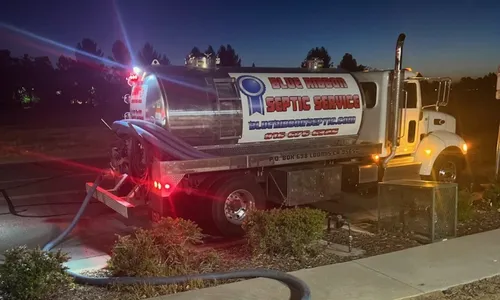
Blue Ribbon Septic LLC
Sacramento, CA
Blue Ribbon Septic LLC provides septic tank pumping, cleaning, inspection, and repair services in Sacramento, CA. With over 30 years of experience, they serve residential and commercial clients in Sacramento and nearby areas including Roseville and Elk Grove. Their capabilities include lift station pumping, septic riser and lid installation, and outlet baffle replacement. They also offer comprehensive real estate septic system inspections with full reports. The company emphasizes reliable septic system maintenance and emergency septic tank pumping when needed.
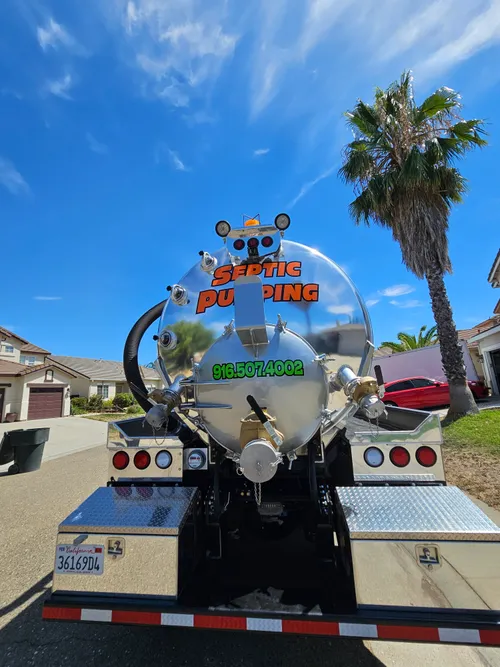
Septic Pumping and Drain Solutions
7901 Doe Trail Way, Antelope, CA 95843
Septic Pumping and Drain Solutions is a septic service provider based in Sacramento, CA, offering residential and commercial septic pumping, inspections, and repairs. They serve Sacramento and surrounding areas including Elk Grove, Roseville, Folsom, Davis, and Rio Linda. The company provides 24/7 emergency septic services, handling issues like backups, overflows, and system failures with advanced diagnostic tools and immediate repairs. Established in 2003, they have over 20 years of experience in septic system maintenance and emergency response.
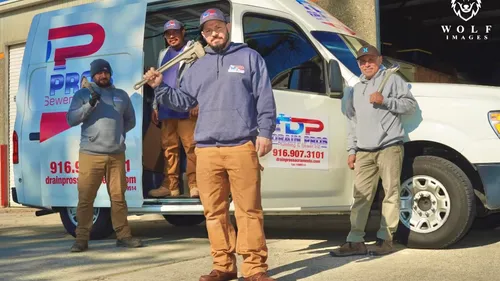
Drain Pros Plumbing and Sewer Inc.
Sacramento, CA
Drain Pros Plumbing and Sewer Inc. is a septic system repair company based in Sacramento, CA. With over 20 years of experience, they provide a wide range of plumbing services including emergency plumbing, sewer and drain backups, water leak detection, water heater repair, and hydro jetting. Their capabilities include professional septic repair and advanced leak detection to help maintain efficient plumbing systems. Drain Pros offers 24/7 emergency plumbing services to customers in Sacramento and surrounding areas.
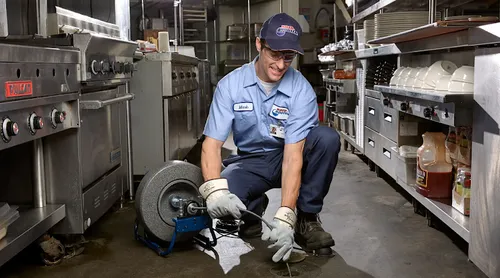
Roto-Rooter Plumbing & Water Cleanup
3961 Pell Cir, Sacramento, CA 95838
Roto-Rooter Plumbing & Water Cleanup has been serving Sacramento, CA, since 1935, providing a wide range of plumbing services including septic tank pumping and septic system repairs. The company offers 24/7 availability and emergency services, addressing both residential and commercial plumbing needs. Their expertise includes drain cleaning, water cleanup, and septic system maintenance, ensuring comprehensive plumbing solutions for the Sacramento area.
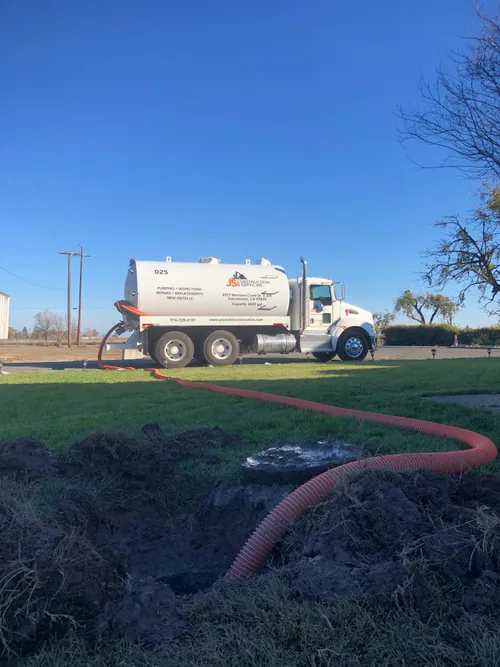
JS Construction & Septic, Inc.
8577 Morrison Creek Dr #200, Sacramento, CA 95828
JS Construction & Septic, Inc. is a family-owned company based in Sacramento, CA, offering full-service septic solutions for residential and commercial properties. Since 2008, they have provided septic system design, installation, repairs, and pumping, as well as specialized drilling services to support septic systems, foundations, and utilities. Their team works closely with local health departments to ensure compliance with regulations and uses modern equipment and quality materials to handle even challenging sites with precision. Serving Elk Grove and surrounding communities throughout Sacramento and San Joaquin County, they provide local expertise and comprehensive septic and drilling services.
Understanding Septic Systems and Local Regulations
A septic system is an on-site wastewater treatment system (OWTS) that processes household waste. In Citrus Heights, these systems are regulated by the Sacramento County Environmental Management Department (EMD). Understanding these regulations is the first step in any repair process. A permit is required for any significant repair, replacement, or modification of your system. Simple, non-structural maintenance like routine pumping does not typically require a permit, but most other work will.
Key regulatory points for Citrus Heights homeowners include:
- Failed System Standards: If your system is deemed to be failing-evidenced by surface sewage, backups into the home, or foul odors-a permit is mandatory to bring it into compliance.
- Proximity to Public Sewer: Properties within 200 feet of an available public sewer line may be required to connect if their existing septic system fails.
- Record Requirements: If your system is older than 15 years, lacks "as-built" plans, or is being modified (such as when adding a bedroom to your home), an evaluation by a qualified contractor is required before the county will issue any permits.
Common Septic System Problems Requiring Repair
Recognizing the signs of a failing system early can save significant time and money. Here are the most frequent issues that necessitate septic tank repair or system intervention.
Drain Field Failure
The drain field (or leach field) is where treated wastewater is dispersed into the soil. Failure here is a serious and common problem. Signs include:
- Soggy, spongy ground or standing water over the field area.
- Unpleasant sewage odors in the yard.
- Lush, green grass growing over the field while the rest of the lawn is dry.
- Slow drains or backups in the house.
Tank Structural Issues
The septic tank itself can develop problems over time:
- Cracks or Leaks: Can allow untreated wastewater to escape into the surrounding soil or let groundwater to seep in, overloading the system.
- Damaged Baffles or Tees: These components control the flow of waste into and out of the tank. If broken, solids can escape into the drain field, causing clogs and failure.
- Deteriorated Lids: Cracked or damaged access lids are a safety hazard and can allow surface water to enter the tank.
Pipe and Line Blockages
Blockages can occur in the pipes running from your house to the tank (inlet) or from the tank to the distribution box (outlet). Tree root intrusion, grease buildup, or flushed non-biodegradable items are common culprits, leading to slow drains and backups.
The Professional Repair Process: From Inspection to Solution
When you suspect a problem, a systematic approach by a qualified contractor is crucial. This process typically involves inspection, diagnosis, permitting, and the repair itself.
Step 1: Comprehensive System Inspection
A professional inspection is the foundation of any effective repair. In Citrus Heights, a thorough evaluation typically includes 1 2 3:
- Locating and Uncovering: Finding the tank, distribution box, and drain field lines and opening all access ports.
- Sludge and Scum Measurement: Using specialized tools to measure the layers of sludge (solids) and scum (fats/oils) inside the tank. High levels indicate a need for pumping and can signal system distress.
- Interior Tank Evaluation: Checking the tank's interior walls for cracks, leaks, or root intrusion.
- Baffle and Tee Inspection: Ensuring inlet and outlet baffles are intact and functioning to prevent solids from exiting the tank.
- Drain Field Assessment: Visually inspecting the leach field area for signs of saturation, pooling water, or effluent surfacing.
- Hydraulic Load Test: Running water in the home (e.g., flushing toilets, running faucets) to observe flow from the house to the tank and check for backups.
Step 2: Diagnosis and Permit Acquisition
Based on the inspection, the contractor will diagnose the specific issue. If the repair requires a permit, the contractor will often handle the application process with the Sacramento County EMD, submitting the necessary evaluation and proposed repair plans 4.
Step 3: Executing the Repair
Repair strategies vary widely based on the diagnosis:
- Pumping and Routine Maintenance: The first line of defense, recommended every 3-5 years, can resolve issues caused by overfull tanks.
- Minor Repairs: Fixing or replacing tank lids, risers, or baffles 5.
- Line Repair/Replacement: Excavating to repair or replace broken pipes between the house and tank or the tank and drain field.
- Drain Field Rehabilitation: Techniques like hydro-jetting can sometimes clear minor clogs in lateral lines. More often, partial or complete drain field replacement is necessary 6.
- Complete System Replacement: Required when the tank or drain field is structurally unsound or has permanently failed.
Find the perfect septic system repair companies for your needs
Get personalized recommendations and expert advice
Cost Guide for Septic Repairs in Citrus Heights
Repair costs in Citrus Heights depend on the severity of the problem, site accessibility, and county permit fees. The following ranges are based on typical California costs and can vary with your specific situation 7 8 9.
- Diagnostic Inspection: $275 - $1,800
- Pumping/Cleaning: $350 - $1,000
- Minor Repairs (Lids, Baffles): $150 - $500
- Pipe Repair/Replacement: $1,200 - $4,000
- Drainfield/Lateral Line Replacement: $5,000 - $15,000
- Complete System Replacement: $9,500 - $15,000+
Note: These are estimated price ranges. Always get detailed, written estimates from licensed local contractors that include all potential costs, such as permit fees, soil testing, and landscaping restoration.
Choosing a Qualified Repair Service in Citrus Heights
Selecting the right professional is critical. Look for a contractor who:
- Is licensed, insured, and experienced with Sacramento County EMD regulations and permit processes.
- Provides clear, detailed written estimates.
- Offers a comprehensive inspection and explains their findings in understandable terms.
- Has positive local reviews and references for septic repair work.
- Uses modern equipment and follows industry best practices.
Preventative Maintenance to Avoid Major Repairs
The most cost-effective "repair" is prevention. A consistent maintenance schedule can extend your system's life for decades:
- Pump Regularly: Schedule pumping every 3-5 years, or as recommended by your inspector.
- Conserve Water: Reduce hydraulic load on the system by fixing leaks and using water-efficient fixtures.
- Mind What You Flush: Only human waste and toilet paper should go down the drain. Avoid grease, chemicals, wipes, and feminine hygiene products.
- Protect the Drain Field: Never drive or park vehicles over it, and avoid planting trees with deep roots nearby.
Frequently asked questions
Sources
Footnotes
-
Preparing for Septic Tank Inspection: 7 Key Steps - https://septic911.com/preparing-for-septic-tank-inspection/ ↩
-
Septic Tank Testing & Inspection | What to Expect Guide | Blog - https://www.blueribbonseptic.com/blog/septic-tank-testing-and-inspection ↩
-
Pumping and Inspecting Your System - https://www.ihs.gov/california/index.cfm/offices/oehe/dsfc/drinking-water-and-sanitation/maintaining-your-septic-system-guide/pumping-and-inspecting-your-system/ ↩
-
Liquid Waste (Septic Systems) - Environmental Management - https://emd.saccounty.net/EMDFAQs/Pages/SepticSystem.aspx ↩
-
Septic Tank Services Citrus Heights, CA - https://www.curtsseptic.com/services ↩
-
Homeowner Manual Septic Tanks - El Dorado County - https://www.eldoradocounty.ca.gov/Public-Safety-Justice/Waste-Disposal/Liquid-Waste-Disposal/Homeowner-Manual-Septic-Tanks ↩
-
Common Septic Tank Repairs In California (& What They Cost) - https://cacciaplumbing.com/blog/common-septic-tank-repairs-in-california/ ↩
-
How Much Does Septic System Repair Really Cost in California - https://www.lanikseptic.com/septic-repair-cost/ ↩
-
7 Ways to Reduce the Cost for Septic System in California: Practical Solutions for Homeowners - https://www.lanikseptic.com/reduce-septic-system-costs-california/ ↩