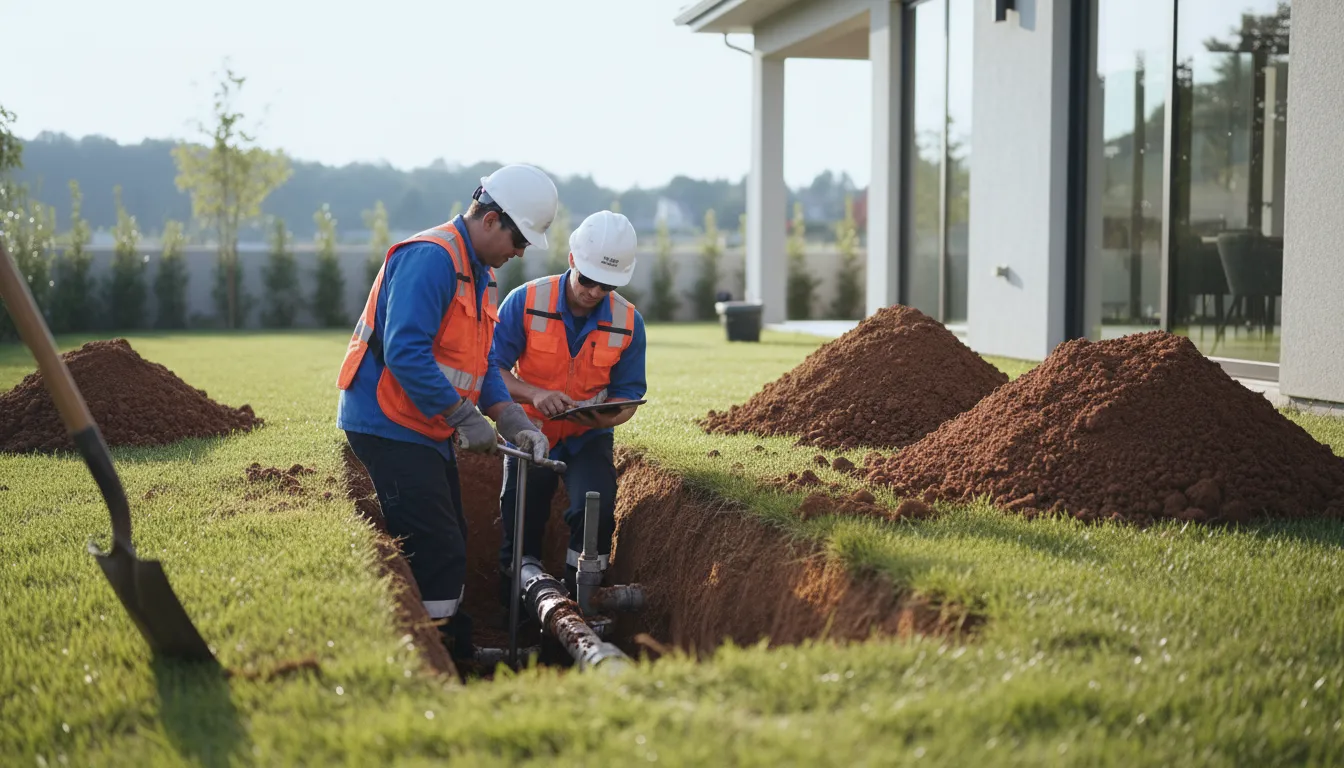
Find the Best Septic System Repair Companies for Your Business
No obligation • Fast responses • Nationwide coverage

Why you can trust Septic Spot
Septic Spot is a leading United States resource for understanding and comparing septic services. Our editors review providers using consistent criteria and verify key business details. Listings and scores are independent, and companies cannot pay to influence our content.
Search providers near you
Top Septic System Repair Companies in El Cajon, California Ranked
A failing septic system is a serious issue for any homeowner, leading to unpleasant odors, slow drains, and potential environmental hazards. Septic system repair involves diagnosing and fixing problems with your onsite wastewater treatment system, from the tank to the drain field. In El Cajon, these repairs are strictly regulated to protect public health and groundwater. This guide helps you understand the local repair process, regulations, and what to expect when you need to restore your system to proper working order.
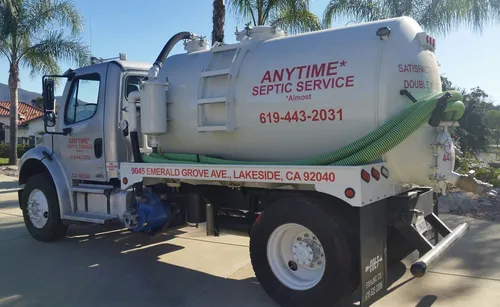
Anytime Septic Service
8867 Gardena Rd, Lakeside, CA 92040
Anytime Septic Service is a family-owned company serving San Diego, CA, with over 55 years of experience in septic system care. They provide septic tank pumping, inspection, repairs, and installation across multiple local communities including El Cajon, Lakeside, La Mesa, and others. The team uses modern techniques and equipment to ensure septic systems function properly, offering thorough visual inspections and detailed explanations of their findings. They also provide after-hours emergency service for urgent septic needs.
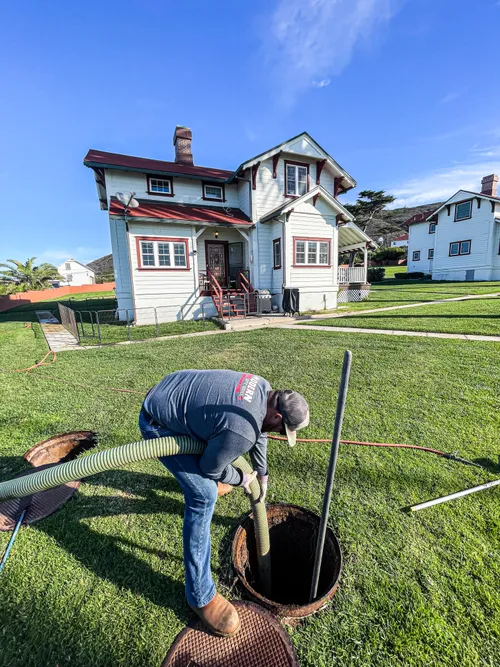
Modern Septic Service
1506 Pioneer Way, El Cajon, CA 92020
Modern Septic Service is a family-owned septic tank pumping, inspection, and repair company serving San Diego, CA. With over 60 years of experience, they provide residential and commercial septic services, including routine pumping, cleaning, troubleshooting, and maintenance. The company specializes in handling large-capacity septic systems for various commercial and municipal clients, offering 24/7 emergency pumping services and supporting public works projects with prevailing wage compliance. Founded in 1960, Modern Septic Service has grown through three generations, expanding its fleet and capabilities to meet diverse septic system needs across San Diego County.
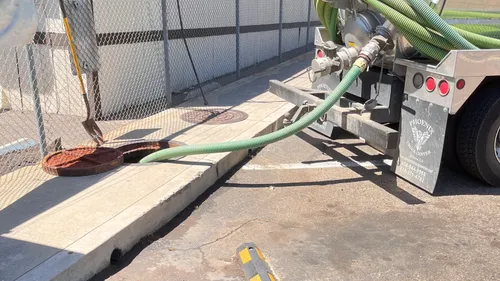
Dr. Septic
San Diego, CA
Dr. Septic is a septic tank pumping, inspection, and repair company based in San Diego, CA. They provide services including septic tank pumping, certification, and drain field repair or replacement. Known for attention to detail, Dr. Septic handles complex issues such as clogged septic systems and leach field replacements. Customers have noted their thorough approach and willingness to accommodate urgent needs, including weekend work.
Solid State Septic
Escondido, CA
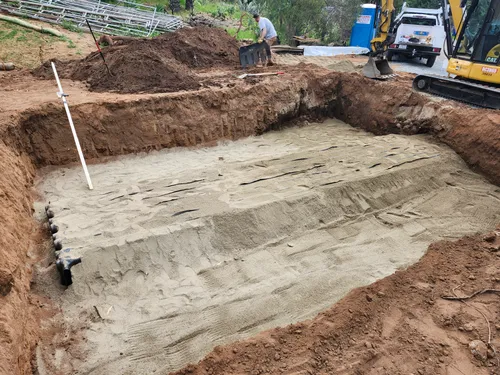
Solid State Septic is a septic system repair and installation company serving Escondido, CA. They provide septic solutions for both homes and businesses throughout San Diego County. Their services include new septic tank installations and repairs, focusing on meeting community needs with reliable septic system care.
North County Backhoe Service
Murrieta, CA
North County Backhoe Service is a septic system repair and installation company serving Murrieta, CA, and surrounding areas. With 50 years of experience, they handle septic tank repairs and installations, addressing issues such as sewage backups and clogs. The company is known for its knowledgeable team and prompt response to septic problems.
Understanding Septic System Failures and Repairs
When a septic system malfunctions, it's crucial to act quickly to prevent property damage and health risks. Common signs of failure include sewage backups in the home, soggy ground or standing water over the drain field, and foul odors around the tank or yard. These symptoms indicate that the system is not properly treating and dispersing wastewater.
In El Cajon, the San Diego County Department of Environmental Health and Quality (DEHQ) oversees all onsite wastewater systems under the Local Agency Management Program (LAMP). A system is considered failed if it cannot accept wastewater at the designed rate, causes a public health nuisance, or contaminates groundwater. Repairs range from minor fixes to complete system replacements, depending on the root cause of the problem.
Common Types of Septic Repairs
Not all system issues require a massive excavation. A qualified professional will first perform a thorough inspection to pinpoint the problem. Here are the most frequent repairs needed for residential septic systems:
- Pumping and Cleaning: Often the first step, this is not a repair per se but essential maintenance. If a tank has never been pumped, excessive sludge and scum can clog the outlet baffle and flow into the drain field, causing failure. Routine pumping ($300-$600) can sometimes resolve early-stage drainage issues.
- Pipe Repair or Replacement: Broken, cracked, or misaligned pipes between your house and the septic tank, or within the drain field itself, can cause leaks and blockages. Repairing or replacing these pipes is a common fix.
- Baffle Replacement: The inlet and outlet baffles inside your tank are critical. They prevent scum from exiting the tank and clogging the drain field. If these are damaged or missing, they must be repaired or replaced to restore proper function.
- Leach Field or Seepage Pit Expansion: When a drain field becomes clogged (a condition called "biomat" buildup) or saturated, it can fail. Repair may involve replacing sections of failed leach lines, adding new lines to expand the field, or rehabilitating seepage pits. This is often the most extensive and costly type of repair 1 2.
- Tank Replacement: Older tanks made of steel can rust and collapse, while concrete tanks can crack and leak. Modern regulations require watertight tanks, so replacing a failing tank with a new pre-cast concrete or plastic tank is a standard repair.
The El Cajon Septic Repair Process: Permits and Professionals
You cannot simply hire a contractor to dig up and fix your septic system. San Diego County has a mandated process to ensure repairs meet current health and environmental standards.
1. The Permit is Mandatory: Any installation, modification, or repair of a septic system in El Cajon requires a permit issued by the DEHQ 3. This includes everything from replacing a pipe to installing a new drain field. Starting work without a permit can result in fines and orders to undo the work.
2. Hire a Qualified Contractor: Repairs must be performed by a licensed professional. The County accepts contractors holding a C-36 (plumbing), C-42 (sanitation system), or a Class A or Class B engineering license for the design and installation of onsite wastewater treatment systems 4. Always verify a contractor's license is current and in good standing.
3. The Inspection Sequence: A proper repair involves multiple inspections:
- Locating and Uncovering: A professional will first locate all system components (tank, distribution box, drain field) and uncover the tank's access ports 5.
- Initial Evaluation: The technician will measure sludge and scum levels, inspect the tank's structure and baffles, and evaluate the drain field for signs of saturation or surfacing effluent 6.
- County Final Inspection: This is the critical step. After repairs are completed but before they are covered with soil, a DEHQ inspector must visit the site to approve the work. The system cannot be used until it passes this final inspection 7.
Find the perfect septic system repair companies for your needs
Get personalized recommendations and expert advice
County Design and Safety Regulations for Repairs
When a system is repaired, it often must be upgraded to meet current design criteria, not just restored to its original (potentially outdated) state. Key regulations that impact repairs in El Cajon include:
- System Sizing: Tanks must meet minimum capacity requirements based on home size. For a 1-3 bedroom home, the minimum is 1,000 gallons; 4 bedrooms require 1,200 gallons; and 5-6 bedrooms require 1,500 gallons. A repair that increases bedroom count may require a tank upgrade.
- Vertical Separation: There must be at least 5 feet of vertical distance between the bottom of the disposal system (leach field or seepage pit) and the highest seasonal groundwater level 8 9. If groundwater is found to be higher than previously known, the repair design must account for this.
- Prohibited Discharges: Roof drainage, surface runoff, and water softener backwash must not be directed into the septic system 10. Adding these volumes of clean water can hydraulically overload and fail a system. Part of a repair evaluation may involve ensuring these diversions are in place.
- Record Keeping: Homeowners are advised to keep all records of septic system repairs, inspections, and pumpings for at least six years. This documentation is invaluable for future service and if you sell your home.
What to Expect: Costs and Timelines
The cost of fixing a septic system varies dramatically based on the problem. It's wise to get multiple estimates from licensed contractors.
- Septic Inspection: $100 - $250+ 11. This is the essential first cost to diagnose the issue.
- Septic Pumping: $300 - $600 12. May solve minor issues.
- Simple Repairs: Fixing baffles, replacing a section of pipe, or repairing a distribution box typically ranges from $1,000 to $3,000.
- Major Repairs: A full leach field replacement is the most significant expense, often ranging from $10,000 to $20,000 or more, depending on soil conditions and property layout.
- Advanced Treatment Systems: If local conditions require an engineered system (like an aerobic treatment unit or sand filter), installation can start around $15,000+ 13.
- Permit Fees: San Diego County DEHQ charges permit fees based on the scope of the repair work. Contact DEHQ directly for the most current fee schedule.
The timeline from discovery to completion can take several weeks. This includes time for diagnosis, permit application processing, scheduling the contractor, the repair work itself, and the final county inspection. Weather and contractor availability can also affect the schedule.
Protecting Your Investment After a Repair
Once your septic system repair is complete and approved, proper maintenance is key to preventing another costly failure.
- Mind What You Flush: Avoid dumping grease, chemicals, paint, pharmaceuticals, or so-called "flushable" wipes down the drain. These materials kill the essential bacteria in your tank and clog components 14.
- Practice Water Conservation: Spread out laundry loads, fix leaky faucets, and install water-efficient fixtures. Reducing the flow of water into the system gives the drain field time to absorb and treat effluent properly.
- Pump Regularly: Don't wait for problems. Have your tank inspected and pumped every 3-5 years, or as recommended by your service professional based on usage and tank size.
- Protect the Drain Field: Never drive or park vehicles over the drain field, and avoid planting trees with deep roots nearby. Keep roof and surface water drainage directed away from the area.
Critical Safety Note: A septic tank contains lethal gases like methane and hydrogen sulfide. Homeowners should never attempt to enter a septic tank for any reason. All inspections and repairs inside the tank must be conducted by trained professionals with proper safety equipment 15 16.
Frequently asked questions
Sources
Footnotes
-
Local Agency Management Program (LAMP) for Onsite Wastewater ... - https://www.sandiegocounty.gov/content/dam/sdc/deh/lwqd/finalLAMPeffective02012025.pdf ↩
-
Septic Repair Authorization Application - County of San Diego - https://www.sandiegocounty.gov/content/dam/sdc/deh/lwqd/Septic_Repair_Authorization_FILLABLE.pdf ↩
-
Who needs a permit for a septic system? - https://www.waterboards.ca.gov/centralcoast/water_issues/programs/septics/permits.html ↩
-
Frequently Asked Questions on Septic Systems - County of San Diego - https://www.sandiegocounty.gov/content/sdc/deh/lwqd/lu_septic_systems/lu_septic_faqs_page.html ↩
-
homeowners-guide-eh-review-septic-system.pdf - http://www.publichealth.lacounty.gov/eh/docs/business/homeowners-guide-eh-review-septic-system.pdf ↩
-
What to Expect from a Septic Inspection - https://www.wrenvironmental.com/blog/2023/may/what-to-expect-from-a-septic-inspection/ ↩
-
How to Get Septic to Pass Inspection - https://www.guardianangelinspections.com/how-to-get-septic-to-pass-inspection ↩
-
Septic System Design Criteria - County of San Diego - https://www.sandiegocounty.gov/content/dam/sdc/deh/lwqd/Septic_System_Design_Criteria_3-22-10.pdf ↩
-
Local Agency Management Program (LAMP) for Onsite Wastewater ... - https://www.sandiegocounty.gov/content/dam/sdc/deh/lwqd/draftLAMPclean03132023.pdf ↩
-
City of El Cajon, CA SEWERS AND SEWAGE DISPOSAL ... - https://ecode360.com/44371682 ↩
-
What Does a Septic Inspection Entail? - https://www.homelight.com/blog/septic-inspection/ ↩
-
Maintaining your Septic System A Guide for Homeowners - https://www.ihs.gov/california/tasks/sites/default/assets/File/SFC-MaintainingYourSepticSystemGuide.pdf ↩
-
7 Ways to Reduce the Cost for Septic System in California - https://www.lanikseptic.com/reduce-septic-system-costs-california/ ↩
-
7 Things That Will Damage Your Septic System - Russo Bros. & Co. - https://russobrosplumbing.com/blog/3-worst-put-septic-system/ ↩
-
standard septic system operation and maintenance plan - https://www.sandiegocounty.gov/content/dam/sdc/deh/lwqd/Standard_Operation_and_Maintenance_Plan_Template_FILLABLE.pdf ↩
-
Septic System Regulations in Southern California: What You ... - https://www.lanikseptic.com/socal-septic-regulations/ ↩