Find the Best Septic System Repair Companies for Your Business
No obligation • Fast responses • Nationwide coverage

Why you can trust Septic Spot
Septic Spot is a leading United States resource for understanding and comparing septic services. Our editors review providers using consistent criteria and verify key business details. Listings and scores are independent, and companies cannot pay to influence our content.
Search providers near you
Top Septic System Repair Companies in Fremont, California Ranked
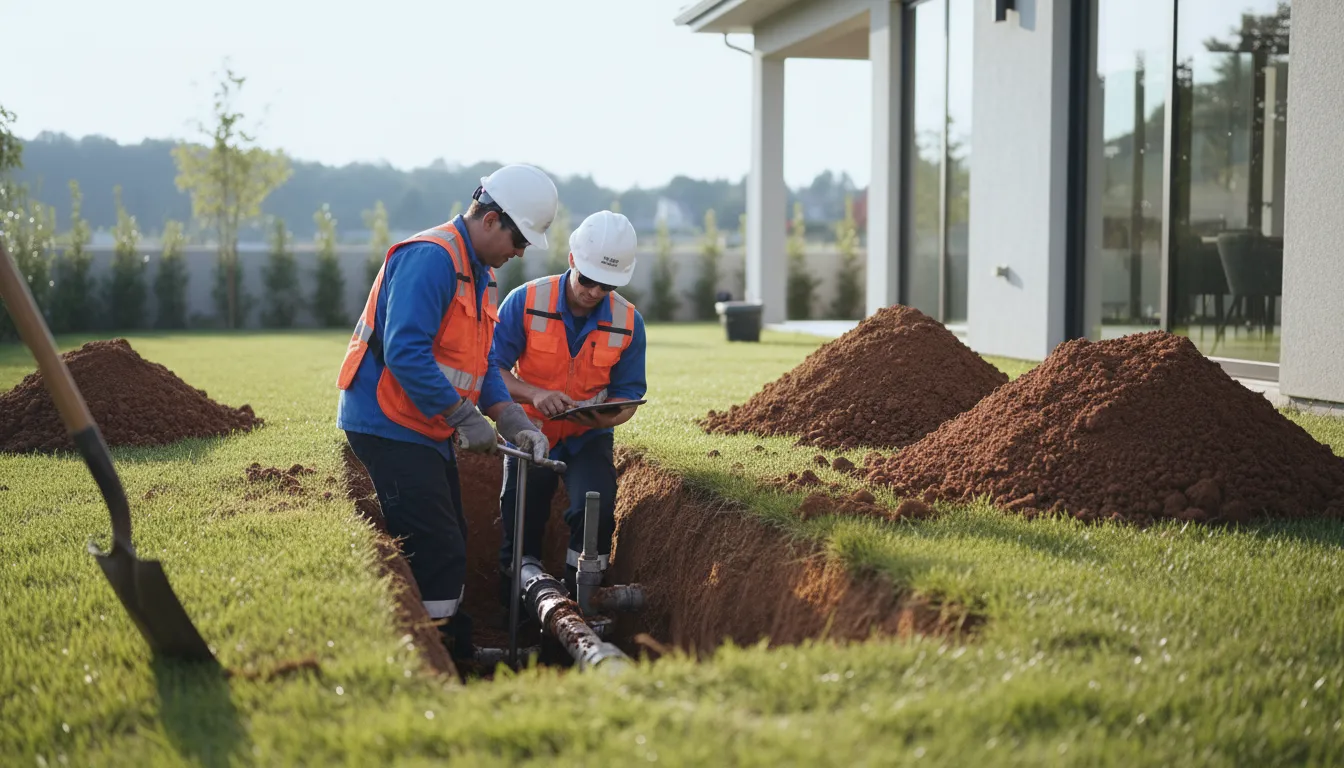
A failing septic system is more than an inconvenience; it's a serious health and environmental hazard. Septic system repair involves diagnosing and fixing issues with your onsite wastewater treatment system, from clogged pipes to failing drain fields. In Fremont, these repairs are strictly regulated to protect local groundwater and public health. This guide helps you understand the repair process, local requirements, and typical costs so you can make informed decisions when seeking a qualified professional.
Caccia Home Services
1660 Gilbreth Rd, Burlingame, CA 94010
Caccia Home Services is a septic system repair company based in San Jose, CA. They provide a wide range of plumbing and septic services, including hydro jetting, sewer line repair, trenchless sewer services, and septic tank repair. Their capabilities extend to water treatment, water heaters, and emergency plumbing. The company also offers electrical services such as EV charger installation and lighting upgrades. Caccia Home Services covers maintenance, repair, and installation needs for both residential and commercial clients.
Trinity Liquid Waste Services
San Jose, CA
Trinity Liquid Waste Services provides septic tank pumping, inspection, repair, and maintenance services for residential and commercial clients in San Jose, CA. The family-owned company offers a wide range of septic system solutions including grease trap pumping, sewage ejector tank maintenance, and water jetting to keep systems functioning properly. They also handle storm drain cleaning and provide 24/7 same-day service for urgent septic issues. Their team is experienced in addressing common septic problems caused by household appliance overuse and sediment buildup, helping customers maintain optimal system performance.
PICHANGA PUMPING SERVICE LLC
901 N Rengstorff Ave, Mountain View, CA 94043
PICHANGA PUMPING SERVICE LLC is a family-owned business with over 10 years of experience, serving San Jose, CA. They provide septic tank pumping, inspection, repair, and installation services. The company uses specialized equipment for camera inspections and locating issues within pipes and sewer lines. They also offer restroom rentals. Pichanga Pumping Service provides after-hours and emergency services for added convenience.
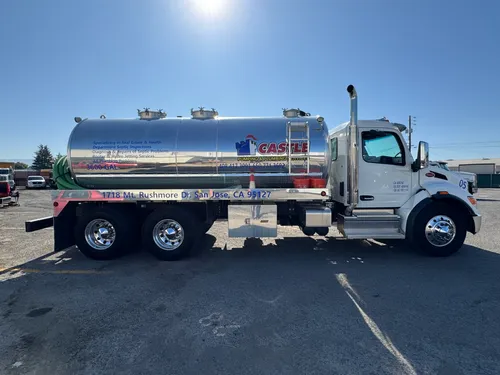
Castle Pumping and Plumbing Services
San Jose, CA
Castle Pumping and Plumbing Services is a locally owned company based in San Jose, CA, offering comprehensive septic system services including pumping, inspections, repairs, and installations. With over 32 years of experience, they serve residential and commercial properties in the San Jose area. Their expertise includes locating septic tanks, performing detailed inspections of tank components, and specialized outflow line exploration to diagnose backups without unnecessary replacements. The company uses advanced equipment and techniques to maintain and repair septic systems, ensuring long-lasting functionality.
Williams Sanitary Service Inc
Oakland, CA
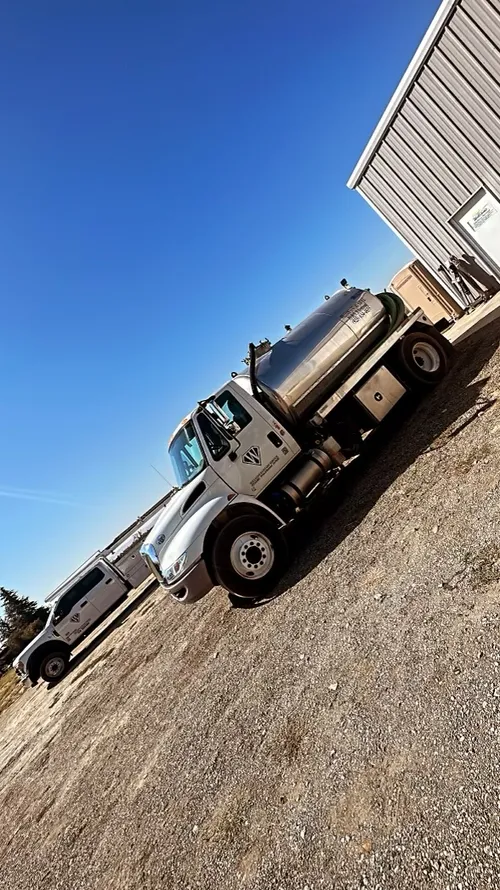
Williams Sanitary Service Inc is a family-owned septic system company serving Oakland, CA, and surrounding areas since 1950. They provide a full range of septic services including pumping, inspection, repair, and installation for both residential and commercial clients. The company also offers general plumbing services such as drain cleaning and water heater repair. Williams Sanitary Service Inc is equipped to handle all sizes of septic jobs across Contra Costa and Alameda Counties and offers 24/7 service availability.
Understanding Fremont's Septic Repair Regulations
All work on septic systems, or Onsite Wastewater Treatment Systems (OWTS), in Fremont falls under the jurisdiction of the Alameda County Department of Environmental Health (ACDEH) 1. A critical first step for any repair is determining if you need a permit.
A Repair/Modification Permit is required from the ACDEH for most work on an existing system. The key distinction is between minor and major repairs. Minor repairs, such as replacing a cleanout cap or a tank lid, may not require a permit. However, any work involving the system's piping, tank integrity, or the dispersal (drain) field is considered major and will almost certainly require a permit 2. Attempting repairs without the proper permits can result in fines and complications if you sell your home.
Furthermore, if your property is within 200 to 300 feet of an available public sewer line, the city may legally require you to abandon your septic system and connect to the municipal sewer instead of performing a major repair 3 4. This is a significant factor that can change the scope and cost of your project entirely. Always check with local authorities before planning any septic work.
Common Types of Septic Repairs in Fremont
Repair needs can range from simple fixes to complex, costly replacements. Here are the most common septic system repairs homeowners in the Fremont area face.
Tank Repairs and Replacement
The concrete or fiberglass tank is the heart of your system. Common tank issues include cracks, broken or missing lids, and failed inlet or outlet baffles. Baffles are crucial for preventing solids from escaping into the drain field. Repairing a crack or replacing baffles can cost between $1,250 and $4,000, while a full tank replacement is a major project ranging from $3,500 to $15,000 or more. Installing risers-access pipes that bring the tank lids to ground level-is a common upgrade that simplifies future inspections and pumping.
Drain Field Repairs and Rehabilitation
A failing leach field is one of the most serious and expensive problems. Symptoms include soggy ground, sewage odors, or unusually lush grass over the field. Repair can involve replacing clogged or broken lateral lines, which typically costs $1,250 to $4,250. In some cases, specialized techniques like hydrojetting (using high-pressure water to clear blockages) or trenchless pipe lining may be viable 5 6. However, if the soil is completely saturated or the field has structurally failed, a full replacement costing $5,000 to $15,000+ may be the only solution.
Component and Pipe Repairs
Other mechanical parts of the system can fail. This includes effluent pumps (used in mound or pressurized systems), lift pumps, and alarm systems. Repairing or replacing a malfunctioning pump generally ranges from $500 to $2,500. Clogged or broken pipes between the house and the tank or between the tank and the field are also common. Clearing a blockage may involve snaking or hydrojetting, while repairing a broken line requires excavation.
Find the perfect septic system repair companies for your needs
Get personalized recommendations and expert advice
The Professional Repair Process: From Diagnosis to Completion
A reputable septic repair company follows a systematic process to ensure the problem is correctly identified and fixed in compliance with local codes.
Step 1: Comprehensive Inspection and Diagnosis
You can't fix what you haven't found. A thorough inspection is the foundation of any repair. A professional will start with a surface evaluation, looking for warning signs in your yard 7. They will then locate and uncover the tank and distribution box. The internal inspection involves measuring sludge and scum levels and checking the structural integrity of the tank and its components 8 9. For line and drain field issues, a specialized sewer camera inspection is invaluable for visually identifying the exact location and nature of blockages or damage 7 10. A flow test, running water through household fixtures, may also be conducted to assess system performance.
Step 2: Obtaining Permits and Planning
Once the problem is diagnosed, your contractor should handle the permitting process with the ACDEH if required. They will submit the repair plan, which must be approved before work begins. This step ensures the proposed solution meets all health and environmental standards. For major repairs, this plan may involve soil testing and a detailed engineering design for a new drain field.
Step 3: Executing the Repair
With permits in hand, the repair work begins. This phase varies widely based on the job. It could be a one-day fix like replacing a pump or a multi-week project for a full system replacement. A licensed professional will ensure the work is done to code, which includes proper safety measures during excavation and secure, watertight connections for all components.
Step 4: Final Inspection and System Closure
For permitted work, a final inspection by the ACDEH is typically required to close out the permit. The inspector will verify that the repair was completed according to the approved plans. Once passed, you will receive documentation proving your system is compliant-an essential record for your property file.
Cost Factors for Septic Repairs in Fremont
Understanding what influences the price can help you interpret estimates. Here's a breakdown of typical cost ranges and the factors that affect them:
- Inspection & Diagnosis: $200 - $600
- Minor Repairs (lids, baffles): $150 - $900
- Major Repairs (tank leaks, pipe repair): $1,200 - $4,000
- Drain Field Repair/Replacement: $5,000 - $15,000+ 11
- Emergency Service Call: $275 - $1,800 12
Several key factors drive costs in Fremont:
- System Type & Size: A conventional gravity system is simpler and cheaper to repair than an advanced aerobic treatment unit (ATU) or a mound system.
- Soil Conditions & Topography: Fremont's varied terrain, especially in the hills, can make excavation difficult and expensive. Poorly draining soil can complicate drain field work.
- Accessibility: Limited space for equipment or deeply buried tanks can increase labor time and cost.
- Scope of Repair: A localized fix is always less expensive than addressing systemic failure.
- Permitting & Engineering: Major projects require permit fees and possibly engineering design work, adding to the total cost.
Choosing a Licensed Septic Repair Contractor
This is not a DIY project. California law requires that septic system repair work be performed by a contractor with the appropriate license. Look for a C-36 (Plumbing) or C-42 (Sanitation System) license 13. Always verify the license is current and in good standing with the Contractors State License Board (CSLB). Ask for proof of insurance, local references, and detailed, written estimates. A trustworthy contractor will be familiar with ACDEH regulations and should willingly guide you through the permitting process.
Frequently asked questions
Sources
Footnotes
-
Onsite Wastewater Treatment Systems (OWTS) - https://deh.acgov.org/landwater/owts.page? ↩
-
Who needs a permit for a septic system? - https://www.waterboards.ca.gov/centralcoast/water_issues/programs/septics/permits.html ↩
-
Private Sewer Lateral - City of Alameda - https://www.alamedaca.gov/Departments/Public-Works-Department/Private-Sewer-Lateral ↩
-
Sanitary Sewer Connection and Septic Tank Removal Checklist - https://www.hayward-ca.gov/documents/sanitary-sewer-connection-and-septic-tank-removal-checklist ↩
-
Fremont CA Septic System Service - https://jlgsepticllc.com/service-areas/california/fremont/ ↩
-
A-1 Septic Tank Service Inc. - https://www.a1tank.net/septic-tank-service/ ↩
-
Fremont CA Septic System Service - https://jlgsepticllc.com/service-areas/california/fremont/ ↩ ↩2
-
How to Inspect a Private Septic System - https://www.youtube.com/watch?v=URhIPaX-csA&t=20 ↩
-
Preparing for Septic Tank Inspection: 7 Key Steps - https://septic911.com/preparing-for-septic-tank-inspection/ ↩
-
A Complete Homeowner's Guide to the Process - Septic Masters - https://septic-masters.com/septic-tank-inspection-homeowner-guide/ ↩
-
Common Septic Tank Repairs In California (& What They Cost) - https://cacciaplumbing.com/blog/common-septic-tank-repairs-in-california/ ↩
-
Get Septic System Repair in Fremont, CA - https://livermoreseptic.com/septic-system-repair-fremont-ca ↩
-
Chapter 15.18 County of Alameda Onsite Wastewater ... - https://www.waterboards.ca.gov/sanfranciscobay/board_info/agendas/2018/April/LAMP/2_AC_Revised_Ordinance.pdf ↩