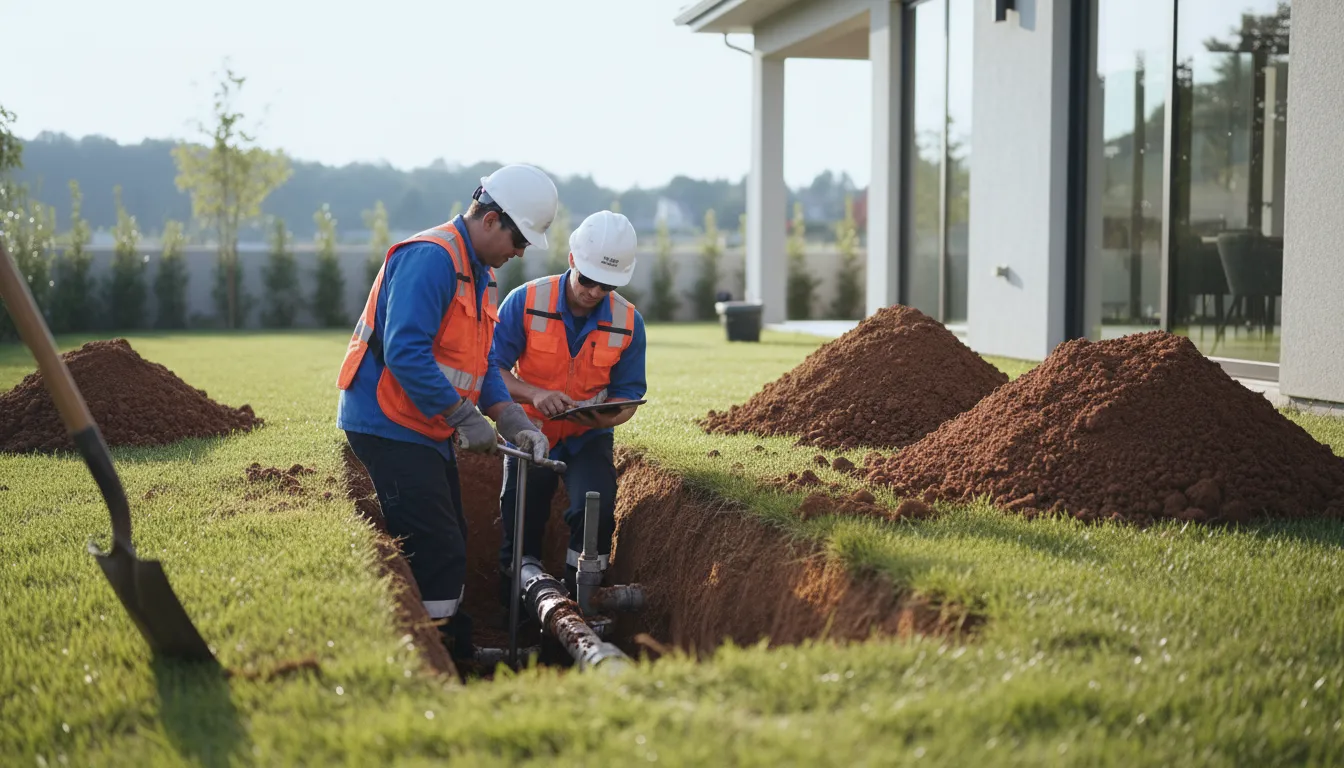
Find the Best Septic System Repair Companies for Your Business
No obligation • Fast responses • Nationwide coverage

Why you can trust Septic Spot
Septic Spot is a leading United States resource for understanding and comparing septic services. Our editors review providers using consistent criteria and verify key business details. Listings and scores are independent, and companies cannot pay to influence our content.
Search providers near you
Top Septic System Repair Companies in La Mesa, California Ranked
Maintaining a functional septic system is crucial for the health of your home and the local environment in La Mesa. When your system shows signs of trouble-like slow drains, soggy patches in the yard, or unpleasant odors-prompt septic system repair is essential to prevent a complete failure, which can be costly and disruptive. This guide explains the repair process, local regulations, and typical costs to help you connect with qualified local professionals who can diagnose and fix your onsite wastewater system efficiently.
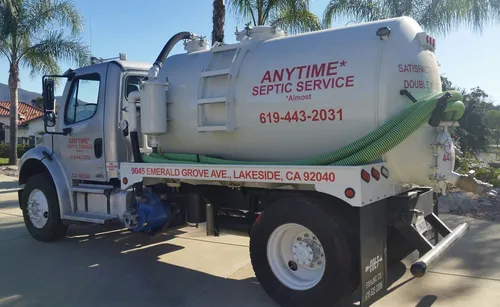
Anytime Septic Service
8867 Gardena Rd, Lakeside, CA 92040
Anytime Septic Service is a family-owned company serving San Diego, CA, with over 55 years of experience in septic system care. They provide septic tank pumping, inspection, repairs, and installation across multiple local communities including El Cajon, Lakeside, La Mesa, and others. The team uses modern techniques and equipment to ensure septic systems function properly, offering thorough visual inspections and detailed explanations of their findings. They also provide after-hours emergency service for urgent septic needs.
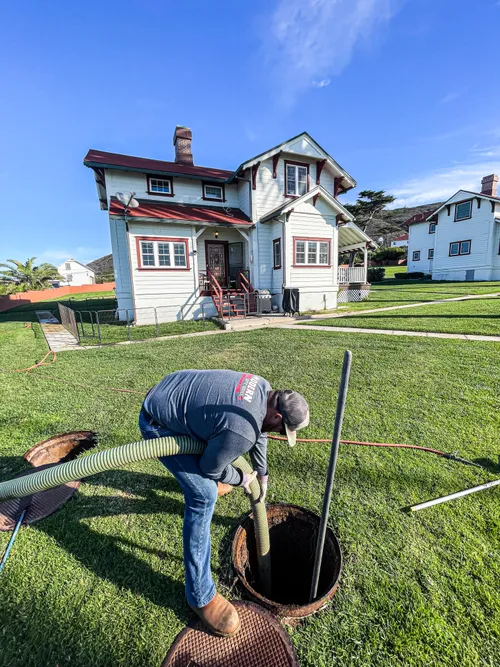
Modern Septic Service
1506 Pioneer Way, El Cajon, CA 92020
Modern Septic Service is a family-owned septic tank pumping, inspection, and repair company serving San Diego, CA. With over 60 years of experience, they provide residential and commercial septic services, including routine pumping, cleaning, troubleshooting, and maintenance. The company specializes in handling large-capacity septic systems for various commercial and municipal clients, offering 24/7 emergency pumping services and supporting public works projects with prevailing wage compliance. Founded in 1960, Modern Septic Service has grown through three generations, expanding its fleet and capabilities to meet diverse septic system needs across San Diego County.
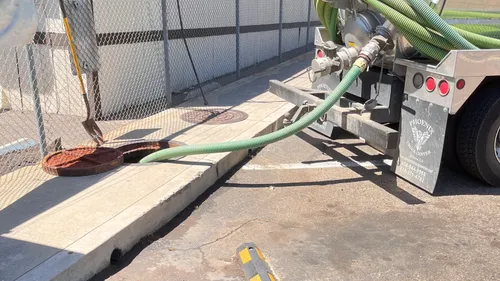
Dr. Septic
San Diego, CA
Dr. Septic is a septic tank pumping, inspection, and repair company based in San Diego, CA. They provide services including septic tank pumping, certification, and drain field repair or replacement. Known for attention to detail, Dr. Septic handles complex issues such as clogged septic systems and leach field replacements. Customers have noted their thorough approach and willingness to accommodate urgent needs, including weekend work.
Solid State Septic
Escondido, CA
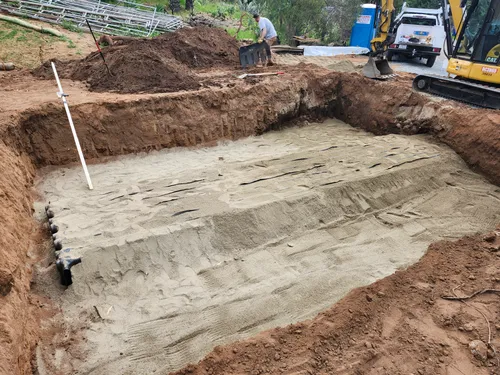
Solid State Septic is a septic system repair and installation company serving Escondido, CA. They provide septic solutions for both homes and businesses throughout San Diego County. Their services include new septic tank installations and repairs, focusing on meeting community needs with reliable septic system care.
North County Backhoe Service
Murrieta, CA
North County Backhoe Service is a septic system repair and installation company serving Murrieta, CA, and surrounding areas. With 50 years of experience, they handle septic tank repairs and installations, addressing issues such as sewage backups and clogs. The company is known for its knowledgeable team and prompt response to septic problems.
Understanding Septic System Failures and Repairs
A septic system is a complex, buried network that treats household wastewater. Problems can arise in any component, from the tank to the drain field. Common issues requiring septic repair include:
- Tank Failures: Cracks, leaks, or structural collapse of the concrete, fiberglass, or plastic tank.
- Baffle or Filter Problems: Broken or deteriorated inlet/outlet baffles or effluent filters, which can allow solids to escape into the drain field.
- Pipe Blockages: Clogs or breaks in the pipes leading from the house to the tank or from the tank to the distribution box.
- Distribution Box Issues: Malfunctions that prevent even wastewater distribution to the drain field lines.
- Drain Field Failure: The most serious and expensive problem, often caused by a clogged biomat, soil compaction, or hydraulic overloading, leading to sewage surfacing.
Early intervention for septic tank repair or component fixes can often prevent the need for a full system replacement.
La Mesa and San Diego County Regulations You Must Know
All septic system work in La Mesa falls under the jurisdiction of the San Diego County Department of Environmental Health and Quality (DEHQ). Understanding these rules is the first step in any repair project.
Permits Are Mandatory: A permit from the DEHQ is required for installing, replacing, or making major repairs to a septic system. You cannot legally begin significant work without this approval.
The Sewer Connection Rule: A critical local regulation states that if your septic system fails and a public sewer line is available within 200 feet of your property line, you will generally be required to connect to the municipal sewer instead of repairing the existing system 1.
Licensed Contractors Only: All septic repairs must be performed by a state-licensed contractor. Relevant licenses include Class A (general engineering), C-42 (sanitation system), or C-36 (plumbing). Always verify a contractor's license before hiring 2 3.
System Evaluation Requirements: An evaluation by a qualified professional is required if your system is older than 15 years, if no as-built plans exist, or if you are undertaking major home renovations. This evaluation will determine the system's condition and suitability for repair 4.
The Professional Inspection: Diagnosing the Problem
Before any repair can be planned, a thorough inspection is necessary to pinpoint the issue. A standard professional inspection in La Mesa typically includes 5 6:
- Site Inspection & Record Review: The technician will locate all system components (tanks, lids, drain field) and review any available county permits or plans.
- Tank Pumping: The tank is pumped out to allow for a clear internal inspection. This is a standard part of a full evaluation 7.
- Tank and Baffle Inspection: The interior is checked for cracks, corrosion, and the condition of baffles and tees.
- Sludge and Scum Measurement: Levels are measured to determine if pumping frequency is adequate. Sludge should not occupy more than one-third of the tank's volume 8.
- Drain Field Evaluation: This involves checking for signs of failure, such as effluent backups, overly soggy ground above the field, or performing a percolation test to assess the soil's absorption rate 9 10.
The average cost for a comprehensive septic inspection in the region ranges from $200 to $900, with an average around $550 11.
Common Repair Types and Cost Ranges in California
Repair costs vary widely based on the problem's severity and accessibility. Here's a breakdown of typical septic system repair costs in the California market 12 13:
- Minor Repairs ($250 - $1,500): This tier includes replacing a broken tank lid, repairing or replacing a damaged baffle or effluent filter, or fixing a small issue with the distribution box.
- Moderate Repairs ($1,000 - $4,000): This covers addressing cracked inlet/outlet pipes, replacing the sewer line from the house to the tank, or professionally removing extensive tree root intrusions from the pipeline.
- Major Repairs or Partial Replacement ($5,000 - $15,000+): This is the cost range for significant work, such as replacing a failing septic tank or, most expensively, addressing a failed drain field (leach field). Drain field replacement is often the largest expense due to the excavation, new piping, and soil work required.
Find the perfect septic system repair companies for your needs
Get personalized recommendations and expert advice
The Repair Process: From Diagnosis to Completion
Navigating a septic repair project involves several key steps:
- Schedule an Inspection: Contact a licensed septic repair specialist to perform a full diagnostic inspection.
- Obtain a Detailed Report & Quote: The professional will provide a written report detailing the problem, the necessary repairs, and a project quote.
- Apply for County Permits: Your contractor will typically handle the permit application process with the San Diego County DEHQ, submitting the repair plan for approval. Remember, permit fees vary based on project complexity.
- Perform the Repairs: Once the permit is issued, the licensed crew will complete the repairs according to the approved plan and all county health codes.
- Final Inspection: In many cases, a county inspector will visit the site to approve the completed work before the system is backfilled and put back into service.
What to Do in a Septic Emergency
If you experience a septic system failure-such as sewage backing up into drains or surfacing in your yard-take immediate action to minimize damage and health risks 14:
- Drastically Reduce Water Use: Stop using washing machines, dishwashers, and limit showering and flushing.
- Contact a Licensed Pumper: Have your tank pumped as an emergency measure to relieve the system. This is not a repair but can provide temporary relief.
- Call a Repair Specialist: Schedule a diagnostic visit with a licensed repair contractor to determine the root cause and necessary fixes.
Maintaining Your System to Avoid Future Repairs
The best repair is the one you never need. Protect your investment with proper maintenance:
- Pump Regularly: Have your tank pumped every 3-5 years, depending on household size and usage. The average pumping cost in La Mesa is $150 to $250 15.
- Conserve Water: Spread out laundry loads and fix leaky faucets to avoid overloading the system.
- Mind What You Flush: Only human waste and toilet paper should go down the drain. Avoid chemicals, grease, wipes, and feminine hygiene products.
- Protect the Drain Field: Never drive or park vehicles over it, and plant only grass or shallow-rooted plants above it.
Frequently asked questions
Sources
Footnotes
-
homeowners-guide-eh-review-septic-system.pdf - http://www.publichealth.lacounty.gov/eh/docs/business/homeowners-guide-eh-review-septic-system.pdf ↩
-
Frequently Asked Questions on Septic Systems - https://www.sandiegocounty.gov/content/sdc/deh/lwqd/lu_septic_systems/lu_septic_faqs_page.html ↩
-
Septic Systems - County of San Diego - https://www.sandiegocounty.gov/content/sdc/deh/lwqd/lu_septic_systems.html ↩
-
Rebuilding a Home with an Existing Septic System - https://recovery.lacounty.gov/rebuilding/septic-systems/ ↩
-
How to Get Septic to Pass Inspection - https://www.guardianangelinspections.com/how-to-get-septic-to-pass-inspection ↩
-
California Septic Tank Requirements | Onsite Wastewater ... - https://www.ntotank.com/blog/california-septic-tank-requirements ↩
-
The Importance of Regular Septic System Maintenance and What to Expect - https://www.jtpny.com/the-importance-of-regular-septic-system-maintenance-and-what-to-expect ↩
-
Septic Inspection: Top 5 Expert Services to Avoid Costly Failures - https://blairnorris.com/septic-inspection/ ↩
-
Troubleshooting Septic System in California - What You Need To ... - https://www.lanikseptic.com/troubleshooting-your-septic-system-in-california/ ↩
-
Septic System Regulations: Navigating Compliance for Homeowners - https://www.justindorseyplumbing.com/septic-system-regulations-navigating-compliance-for-homeowners/ ↩
-
How Much Does a Septic Inspection Cost? [2026 Data] - Angi - https://www.angi.com/articles/septic-inspection-cost.htm ↩
-
Septic Repair Cost in California: Complete Breakdown of Pricing ... - https://www.lanikseptic.com/septic-repair-cost/ ↩
-
Who needs a permit for a septic system? - https://www.waterboards.ca.gov/centralcoast/water_issues/programs/septics/permits.html ↩
-
standard septic system operation and maintenance plan - https://www.sandiegocounty.gov/content/dam/sdc/deh/lwqd/Standard_Operation_and_Maintenance_Plan_Template_FILLABLE.pdf ↩
-
Maintaining your Septic System A Guide for Homeowners - https://www.ihs.gov/california/tasks/sites/default/assets/File/SFC-MaintainingYourSepticSystemGuide.pdf ↩