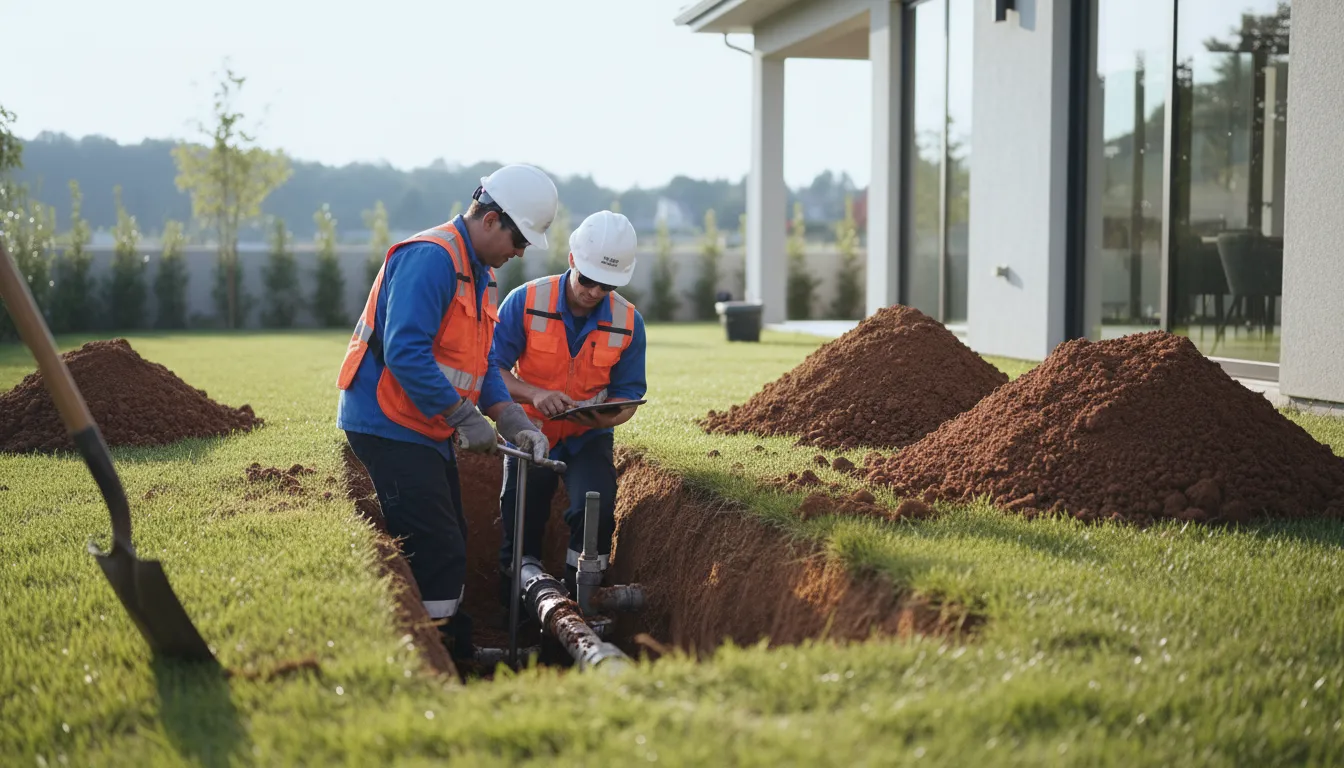
Find the Best Septic System Repair Companies for Your Business
No obligation • Fast responses • Nationwide coverage

Why you can trust Septic Spot
Septic Spot is a leading United States resource for understanding and comparing septic services. Our editors review providers using consistent criteria and verify key business details. Listings and scores are independent, and companies cannot pay to influence our content.
Search providers near you
Top Septic System Repair Companies in Laguna Niguel, California Ranked
A failing septic system is a serious issue for any homeowner, but in a community like Laguna Niguel, protecting local water quality and complying with strict county regulations makes proper repair essential. Septic system repair involves diagnosing and fixing issues with your onsite wastewater treatment system, from the tank to the drainfield. This resource helps you understand the local requirements, common repair types, and the professional evaluation process, empowering you to make informed decisions when you need to address septic problems.
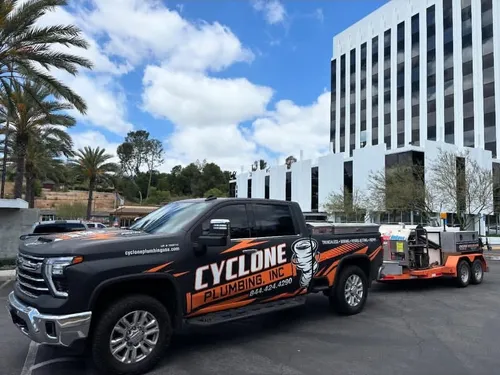
Cyclone Plumbing USA
1440 N Harbor Blvd suite 840, Fullerton, CA 92835
Cyclone Plumbing USA is a plumbing company based in Fullerton, CA, serving homes and businesses throughout Orange County. They offer a wide range of plumbing services, including septic tank inspection and septic system repair, as well as drain cleaning, hydro jetting, water heater installation, and leak detection. The company uses advanced equipment such as sewer cameras to diagnose issues and provides same-day repairs when needed. Cyclone Plumbing USA operates 24/7, offering emergency plumbing services at any time. The team at Cyclone Plumbing USA consists of licensed and insured professionals with years of hands-on experience. They emphasize transparency and fair pricing while delivering quality workmanship. Their commitment to customer satisfaction and comprehensive maintenance plans helps prevent costly repairs and ensures plumbing systems function efficiently.
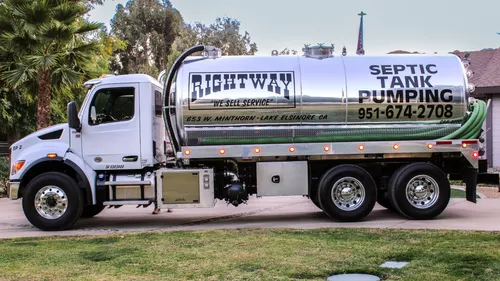
Rightway Septic Tank Pumping
653 W Minthorn St, Lake Elsinore, CA 92530
Rightway Septic Tank Pumping is a family-owned septic service provider based in Lake Elsinore, serving the Inland Empire area including Los Angeles, CA. They offer a range of services such as septic tank pumping, repairs, installations, wastewater treatment maintenance, seepage pit drilling, and septic system locating for both residential and commercial properties. With over 75 years of experience, Rightway is C-42 certified, ensuring compliance with industry standards and regulations. Their capabilities include septic tank pumping and maintenance using advanced equipment and techniques to maintain system efficiency.
Honey Doo Wagon Septic Pumping
Irvine, CA
Honey Doo Wagon Septic Pumping is a full-service septic company serving Irvine, CA. They offer septic tank pumping, inspections, repairs, installations, replacements, and maintenance. With over 18 years of experience, the company provides a wide range of septic services backed by a commitment to professionalism and integrity.
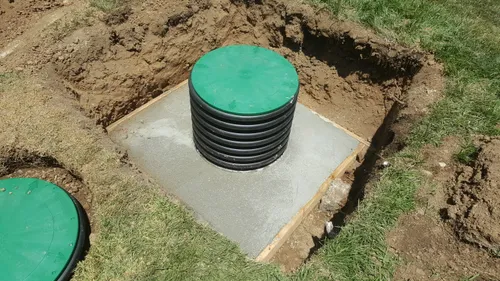
West-End Pumping Company
8130 Arcadia St, Corona, CA 92881
West-End Pumping Company provides septic tank pumping, inspection, repair, and installation services in Los Angeles, CA. They handle septic system excavation and hauling, offering solutions for both residential and commercial properties. The company has been serving customers since 2006, covering areas including Riverside County, Corona, and Eastvale. Their capabilities include emergency septic pumping with response times typically ranging from one to two hours depending on truck availability.
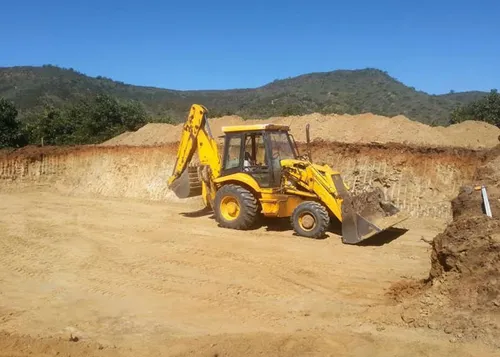
Aztec Excavation Inc. & Septic
37801 Oxford Dr, Murrieta, CA 92562
Aztec Excavation Inc. & Septic is a licensed sanitation system contractor based near Los Angeles, CA, specializing in septic system installation, repair, and excavation services. Serving Riverside and San Diego counties, the company handles septic tank installation, drain field repair, trench building, lot preparation, and utility line installation. With over a decade of experience, Aztec Excavation offers capabilities such as advanced treatment unit installation and septic system component repairs. The business operates 24/7 to support residential septic and excavation needs in areas including Murrieta, Temecula, and Wildomar.
Understanding Laguna Niguel's Septic Repair Regulations
All residential septic system work in Laguna Niguel is strictly regulated by the Orange County Health Care Agency (OCHA) to safeguard public health and the environment 1. Homeowners are legally required to use licensed contractors-specifically those holding a Class A, C-36, or C-42 license-for any system repairs 2. Crucially, you must obtain a permit from the Orange County Health Department before any repair work begins 1. Starting repairs without the proper permit can result in fines and may complicate the process significantly.
Properties within 200 feet of an available public sewer line face additional requirements. If an existing septic system fails or if the property undergoes significant modification, the owner may be mandated to connect to the public sewer, foregoing repair of the old system entirely. These rules underscore the importance of consulting with a licensed professional who understands local codes before planning any septic tank repair or onsite system work.
Common Septic Repairs and Associated Costs
The scope and cost of fixing a septic system can vary widely, depending on which component has failed. Understanding these common repairs can help you anticipate what a service professional might recommend.
- Minor Component Repairs: These are often the most straightforward and affordable fixes. They include replacing a cracked concrete lid, repairing a broken inlet or outlet baffle, or cleaning a clogged effluent filter. These repairs typically range from approximately $150 to $500 and are crucial for maintaining proper system function.
- Pipe and Lateral Line Repair: The pipes connecting your home to the septic tank (inlet) or the tank to the drainfield (outlet) can crack, clog, or collapse. Fixing these leaks or blockages is more involved, as it requires excavation and replacement of the damaged section. Costs for this type of repair generally fall between $1,200 and $4,250.
- Drainfield/Leach Field Remediation: This is often the most complex and expensive repair. It becomes necessary when the soil in the leach field has become clogged or "biomatted" and can no longer absorb and treat liquid effluent. Solutions can range from specialized cleaning to a partial or complete replacement of the drainfield. Due to the extensive excavation and material required, costs for leach field work in California typically range from $5,000 to $15,000.
- Tank Replacement: If a septic tank has severe structural cracks, significant corrosion (in steel tanks), or has collapsed, it must be replaced. This is a major project involving excavation, disposal of the old tank, installation of a new one, and reconnection of all lines. Tank replacement in this region usually costs between $9,500 and $15,000 3 4.
In California, many standard septic repairs fall in the $1,000 to $5,000 range, but major failures like a complete drainfield replacement or tank collapse can easily exceed $15,000 5 6.
The Professional Repair Diagnosis Process
When you contact a licensed contractor for a suspected problem, they will follow a systematic protocol to diagnose the issue accurately. This thorough inspection is vital for determining the correct and most cost-effective repair strategy.
- Locating and Uncovering: The first step is to locate the tank and distribution box, which may require probing if records are unclear. They will then excavate to fully expose the manhole cover and inspection ports for safe access.
- Visual and Physical Assessment: The technician will inspect the tank's interior walls for cracks, check the structural integrity of the baffles (which are essential for preventing scum and sludge from exiting the tank), and examine the effluent filter for clogs 7.
- Sludge and Scum Measurement: Using specialized tools, they will measure the depth of the sludge layer at the bottom of the tank and the scum layer at the top. These measurements determine if emergency pumping is needed as part of the repair process and provide insight into the system's maintenance history 8.
- Flow or Hydraulic Load Test: To assess the drainfield's functionality, the inspector may conduct a load test. This involves running a significant amount of water (e.g., flushing toilets and running faucets for 2-4 hours) into the system and then monitoring how quickly the liquid level in the tank drops or if it causes wastewater to surface in the leach field 9 10.
- Drainfield Walk: A critical part of the inspection is a walk over the entire leach field area. The professional will look for telltale signs of failure, such as surfacing sewage, foul odors, or areas of unusually lush and green grass, which indicate a leak of nutrient-rich effluent 11 12.
Find the perfect septic system repair companies for your needs
Get personalized recommendations and expert advice
Key Design Standards Impacting Repairs in Orange County
When a system component is replaced or a drainfield is expanded, the repair must comply with current Orange County onsite sewage guidelines. Key standards that affect repair plans include:
- Drain Line Length: Individual leach lines (laterals) have a maximum permitted length of 100 feet.
- Groundwater Separation: There must be a minimum vertical separation of 5 feet between the bottom of any leach line and the seasonally high groundwater table. This is a critical factor in preventing groundwater contamination 13.
- Tank Capacity: The minimum septic tank size for a typical 2-to-3 bedroom home in California is 1,000 gallons. Larger homes require larger tanks 14 15.
- Public Nuisance Law: It's important to know that discharging wastewater in a manner that violates these regulations is considered a public nuisance under California law, giving authorities grounds for enforcement action 16.
Planning and Permitting for Your Repair Project
Navigating the permit process is a non-negotiable part of any septic system fix in Laguna Niguel. Your licensed contractor should manage this process, but being informed helps. After the initial diagnosis, the contractor will develop a repair plan that complies with OCHA standards. They will then submit this plan, along with the permit application, to the Orange County Health Department. Once the permit is approved, work can commence and will be subject to inspection by the county at key stages to ensure compliance. Never hire a contractor who suggests skipping the permit process, as this can lead to liability issues and problems when you sell your home.
Frequently asked questions
Sources
Footnotes
-
Septic Packet - Orange County - IN.gov - https://www.in.gov/localhealth/orangecounty/sanitation/septic-packet/ ↩ ↩2
-
Onsite Wastewater Information (Septic Systems) - https://www.waterboards.ca.gov/centralcoast/water_issues/programs/septics/ ↩
-
How Much Does Septic System Repair Really Cost in California - https://www.lanikseptic.com/septic-repair-cost/ ↩
-
Common Septic Tank Repairs In California (& What They Cost) - https://cacciaplumbing.com/blog/common-septic-tank-repairs-in-california/ ↩
-
How Much Does Septic System Repair Really Cost in California - https://www.lanikseptic.com/septic-repair-cost/ ↩
-
7 Ways to Reduce the Cost for Septic System in California - https://www.lanikseptic.com/reduce-septic-system-costs-california/ ↩
-
Septic System Inspection and Maintenance - https://www.youtube.com/watch?v=uzksFrBBlzM&t=36 ↩
-
Pumping and Inspecting Your System - Indian Health Service - https://www.ihs.gov/california/index.cfm/offices/oehe/dsfc/drinking-water-and-sanitation/maintaining-your-septic-system-guide/pumping-and-inspecting-your-system/ ↩
-
Septic Inspection Guide: Homeowner Tips & Best Practices - https://www.rciseptic.com/comprehensive-guide-to-septic-inspection-what-homeowners-need-to-know ↩
-
Septic Tank Testing & Inspection | What to Expect Guide | Blog - https://www.blueribbonseptic.com/blog/septic-tank-testing-and-inspection ↩
-
Homeowner's Guide to Septic Systems - El Dorado County - https://www.eldoradocounty.ca.gov/files/assets/county/v/1/documents/government/environmental-management/environmental-management/septic-documents/epa_homeowner_septic_guide.pdf ↩
-
How to Care for Your Septic System | US EPA - https://www.epa.gov/septic/how-care-your-septic-system ↩
-
On-Site Sewage Guidelines - OC Development Services - https://ocds.ocpublicworks.com/sites/ocpwocds/files/2021-06/On-Site%20Sewage%20Guidelines.pdf ↩
-
California Septic Tank Requirements | Onsite Wastewater ... - https://www.ntotank.com/blog/california-septic-tank-requirements ↩
-
What Size Septic Tank Do I Need - https://www.ntotank.com/blog/what-size-septic-tank-do-i-need ↩
-
Rebuilding a Home with an Existing Septic System - https://recovery.lacounty.gov/rebuilding/septic-systems/ ↩