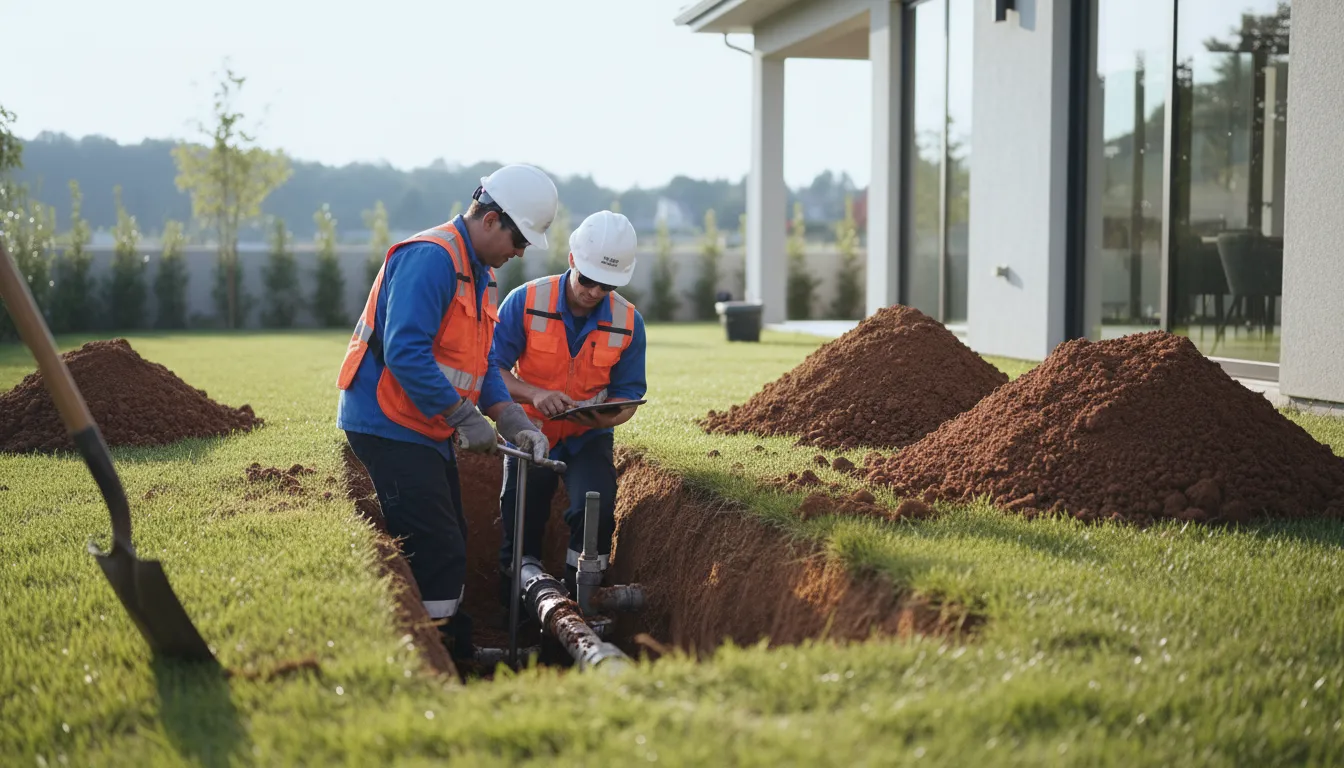
Find the Best Septic System Repair Companies for Your Business
No obligation • Fast responses • Nationwide coverage

Why you can trust Septic Spot
Septic Spot is a leading United States resource for understanding and comparing septic services. Our editors review providers using consistent criteria and verify key business details. Listings and scores are independent, and companies cannot pay to influence our content.
Search providers near you
Top Septic System Repair Companies in National City, California Ranked
Maintaining a functional septic system is a critical responsibility for homeowners in National City. When issues arise, timely and proper septic system repair is essential to protect your property, your health, and the local environment. This guide explains the common types of repairs, the local regulatory process, and how to find qualified professionals to address problems with your onsite wastewater treatment system.
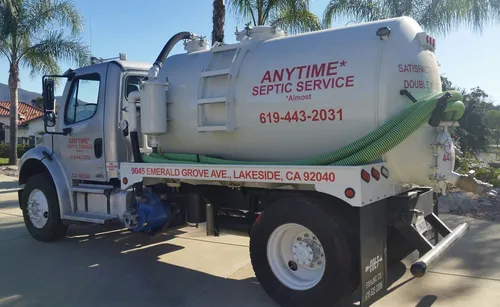
Anytime Septic Service
8867 Gardena Rd, Lakeside, CA 92040
Anytime Septic Service is a family-owned company serving San Diego, CA, with over 55 years of experience in septic system care. They provide septic tank pumping, inspection, repairs, and installation across multiple local communities including El Cajon, Lakeside, La Mesa, and others. The team uses modern techniques and equipment to ensure septic systems function properly, offering thorough visual inspections and detailed explanations of their findings. They also provide after-hours emergency service for urgent septic needs.
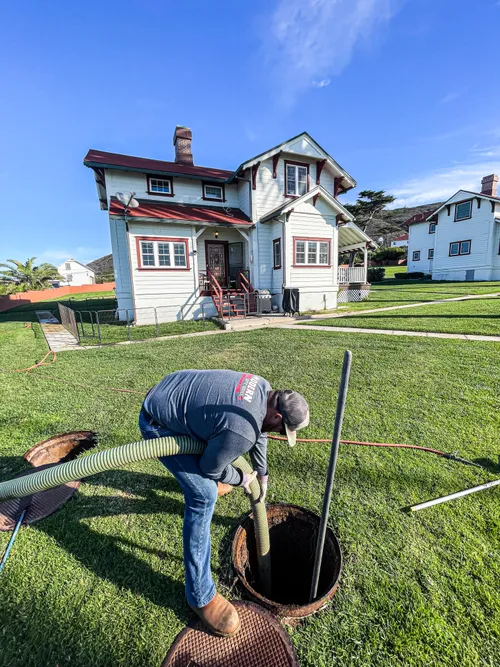
Modern Septic Service
1506 Pioneer Way, El Cajon, CA 92020
Modern Septic Service is a family-owned septic tank pumping, inspection, and repair company serving San Diego, CA. With over 60 years of experience, they provide residential and commercial septic services, including routine pumping, cleaning, troubleshooting, and maintenance. The company specializes in handling large-capacity septic systems for various commercial and municipal clients, offering 24/7 emergency pumping services and supporting public works projects with prevailing wage compliance. Founded in 1960, Modern Septic Service has grown through three generations, expanding its fleet and capabilities to meet diverse septic system needs across San Diego County.
Dr. Septic
San Diego, CA
Dr. Septic is a septic tank pumping, inspection, and repair company based in San Diego, CA. They provide services including septic tank pumping, certification, and drain field repair or replacement. Known for attention to detail, Dr. Septic handles complex issues such as clogged septic systems and leach field replacements. Customers have noted their thorough approach and willingness to accommodate urgent needs, including weekend work.
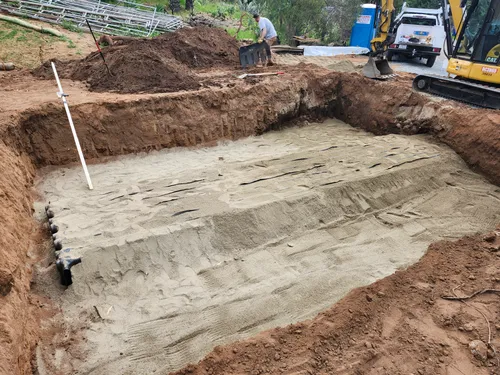
Solid State Septic
Escondido, CA
Solid State Septic is a septic system repair and installation company serving Escondido, CA. They provide septic solutions for both homes and businesses throughout San Diego County. Their services include new septic tank installations and repairs, focusing on meeting community needs with reliable septic system care.
North County Backhoe Service
Murrieta, CA
North County Backhoe Service is a septic system repair and installation company serving Murrieta, CA, and surrounding areas. With 50 years of experience, they handle septic tank repairs and installations, addressing issues such as sewage backups and clogs. The company is known for its knowledgeable team and prompt response to septic problems.
Understanding Your Septic System and Common Failures
A septic system is a self-contained wastewater treatment plant buried on your property. It typically consists of a septic tank, where solids settle and begin to decompose, and a drainfield (or leach field), where the clarified liquid is dispersed into the soil for final treatment. Repairs become necessary when any component of this system fails to function correctly. Common signs of trouble include slow-draining fixtures, gurgling pipes, sewage backups into the home, foul odors around the yard, or unusually lush, green grass over the drainfield area.
In National City, the specific soil conditions, high water tables in some areas, and age of many systems can accelerate wear and tear. Understanding the basic operation of your system is the first step in recognizing when a septic tank fix or broader remediation is needed.
San Diego County Regulations for Septic Repairs
All septic system repairs and replacements in National City are governed by the San Diego County Department of Environmental Health and Quality (DEHQ). It is illegal to perform any significant repair or alteration without first obtaining the proper permits.
A critical county rule that can directly impact repair plans is the sewer availability requirement. If a public sewer line is available within 300 feet of your property line, the county may mandate that you connect to the municipal sewer instead of repairing your existing septic system. This is a crucial first check before investing in major repairs 1.
Furthermore, all septic tanks and components used in repairs must have IAPMO (International Association of Plumbing and Mechanical Officials) approval. The county also has specific design requirements, particularly regarding soil percolation rates and restrictions on the use of seepage pits in certain coastal zones. Working with a licensed professional who is familiar with these local codes is non-negotiable.
The Septic System Inspection and Diagnosis Process
Before any repair can be planned, a thorough inspection and diagnosis must be conducted. This process, often performed by a qualified septic service provider or county inspector, involves several key steps 2 3:
- Locate and Uncover: The technician will locate the tank and inspection ports, which may require digging if risers are not already installed.
- Measure Scum and Sludge: The layers of scum (floating materials) and sludge (settled solids) in the tank are measured. If the sludge depth is greater than one-third of the liquid depth, pumping is immediately needed, and heavy sludge can indicate a failing drainfield 4.
- Inspect Tank Components: The inspector checks the tank's structural integrity, the condition of the inlet and outlet baffles (which are crucial for preventing clogs), and the effluent filter if one is present.
- Flow Test: This test checks the water flow from the house to the tank to identify blockages or broken pipes in the sewer line.
- Drainfield Inspection: The area over the leach field is examined for surfacing effluent, soggy ground, or overly vigorous plant growth-all telltale signs of drainfield failure 5.
The cost for a standard inspection typically ranges from $50 to $150, while a routine pump-out (which is maintenance, not repair) costs between $150 and $250.
Common Types of Septic System Repairs and Costs
Repair needs can range from simple, inexpensive fixes to complex, costly projects. Here are the most common septic repairs encountered in National City:
Minor Repairs ($300 - $4,000)
- Baffle Replacement: The concrete or plastic baffles in the tank can corrode or break off. Replacing them is vital to prevent solids from escaping into the drainfield and costs between $300 and $900 6.
- Pipe Repair/Replacement: The sewer line connecting your home to the tank or the effluent line to the drainfield can crack, collapse, or become blocked by roots. Repairing or replacing these pipes often costs between $1,200 and $4,000.
- Riser Installation: Adding risers (concrete or plastic tubes) from the tank lids up to the ground surface provides easy future access for pumping and inspection, saving money on locating and digging each time.
Major Repairs ($5,000 - $22,000+)
- Drainfield Repair/Replacement: This is the most significant and expensive repair. If the soil is clogged (a condition called "biomat" buildup), a technician may attempt to clean the lines or replace the gravel. Full drainfield replacement, which may involve installing a new leach field in a different area of the yard, can cost between $5,000 and $15,000 or more 7.
- Full System Replacement: In cases of catastrophic tank failure, severe drainfield failure, or when the existing system cannot be brought up to current code, a complete new septic system installation may be required. In San Diego County, this complex process involves soil testing, percolation tests, engineered design plans, and multiple county permits. Costs for a full system replacement in our area typically start around $8,000 and can easily exceed $22,000 8 9.
Find the perfect septic system repair companies for your needs
Get personalized recommendations and expert advice
The Permit Process for Septic Repairs in National City
Navigating the county permit process is a fundamental part of any septic system remediation. After a professional diagnosis, your contractor will typically handle the permit application, which must be submitted to the DEHQ. The application will include details of the proposed repair, site plans, and the contractor's license information.
The county will review the application to ensure the repair complies with all current standards for public health and environmental protection. For major repairs or replacements, the process is more rigorous and will require a site evaluation by a county sanitarian. It's important to factor in permit fees and review time when planning your repair timeline and budget 10 11.
Choosing a Qualified Septic Repair Professional
Selecting the right contractor is perhaps the most important decision you will make. Look for a professional who is:
- Licensed and Insured: Verify they hold a current C-42 (Sanitation System) contractor's license from the California Contractors State License Board.
- Local Experience: Choose a company familiar with National City and San Diego County's specific regulations, soil types, and inspection protocols.
- Transparent with Estimates: A reputable provider will offer a detailed, written estimate that breaks down costs for labor, materials, and permits.
- Willing to Pull Permits: Never hire a contractor who suggests skipping the permit process; this can lead to fines and an illegal, un-inspected system.
Always ask for references and check online reviews. A trustworthy septic service provider will be happy to explain the problem, your repair options, and the county requirements in clear terms.
Preventative Maintenance to Avoid Major Repairs
The best "repair" is the one you never have to make. Proactive maintenance can extend the life of your system for decades and save you tens of thousands of dollars.
- Pump Regularly: Have the tank pumped every 3-5 years, depending on household size and usage.
- Conserve Water: Spread out laundry loads and fix leaky faucets to avoid overloading the drainfield.
- Mind What You Flush: Only human waste and toilet paper should go down the drain. Avoid chemicals, grease, coffee grounds, and "flushable" wipes.
- Protect the Drainfield: Never drive or park vehicles over it, and keep large trees and shrubs with deep roots away from the area.
By understanding your system, recognizing warning signs early, and partnering with a qualified local professional for repairs and maintenance, you can ensure your National City home's septic system operates safely and effectively for years to come.
Frequently asked questions
Sources
Footnotes
-
Frequently Asked Questions on Septic Systems - https://www.sandiegocounty.gov/content/sdc/deh/lwqd/lu_septic_systems/lu_septic_faqs_page.html ↩
-
Repairing Septic Systems: A Detailed Manual - https://ky-pd.com/blog/fixing-septic-system/ ↩
-
How to Get Septic to Pass Inspection - https://www.guardianangelinspections.com/how-to-get-septic-to-pass-inspection ↩
-
Homeowner's Guide to Septic Systems - El Dorado County - https://www.eldoradocounty.ca.gov/files/assets/county/v/1/documents/government/environmental-management/environmental-management/septic-documents/epa_homeowner_septic_guide.pdf ↩
-
Septic System Inspections Western Kentucky | Licensed Inspectors - https://www.wurthbrothersplumbing.com/septic-system-inspections ↩
-
Septic Tank Regulations Homeowners Compliance Guide | Blog - https://www.blueribbonseptic.com/blog/septic-tank-regulations-homeowners-compliance ↩
-
Failed Septic System? Here's What You Should Do. - https://www.wrenvironmental.com/blog/2025/september/failed-septic-system-here-s-what-you-should-do-/ ↩
-
Maintaining your Septic System A Guide for Homeowners - https://www.ihs.gov/california/tasks/sites/default/assets/File/SFC-MaintainingYourSepticSystemGuide.pdf ↩
-
California Septic Tank Requirements | Onsite Wastewater ... - https://www.ntotank.com/blog/california-septic-tank-requirements ↩
-
Septic Systems - County of San Diego - https://www.sandiegocounty.gov/content/sdc/deh/lwqd/lu_septic_systems.html ↩
-
ONSITE SYSTEMS MANUAL - California Water Boards - https://www.waterboards.ca.gov/sanfranciscobay/board_info/agendas/2016/January/SantaClaraOWTS/SCC_OWTS_B_Onsite_Systems_Manual.pdf ↩