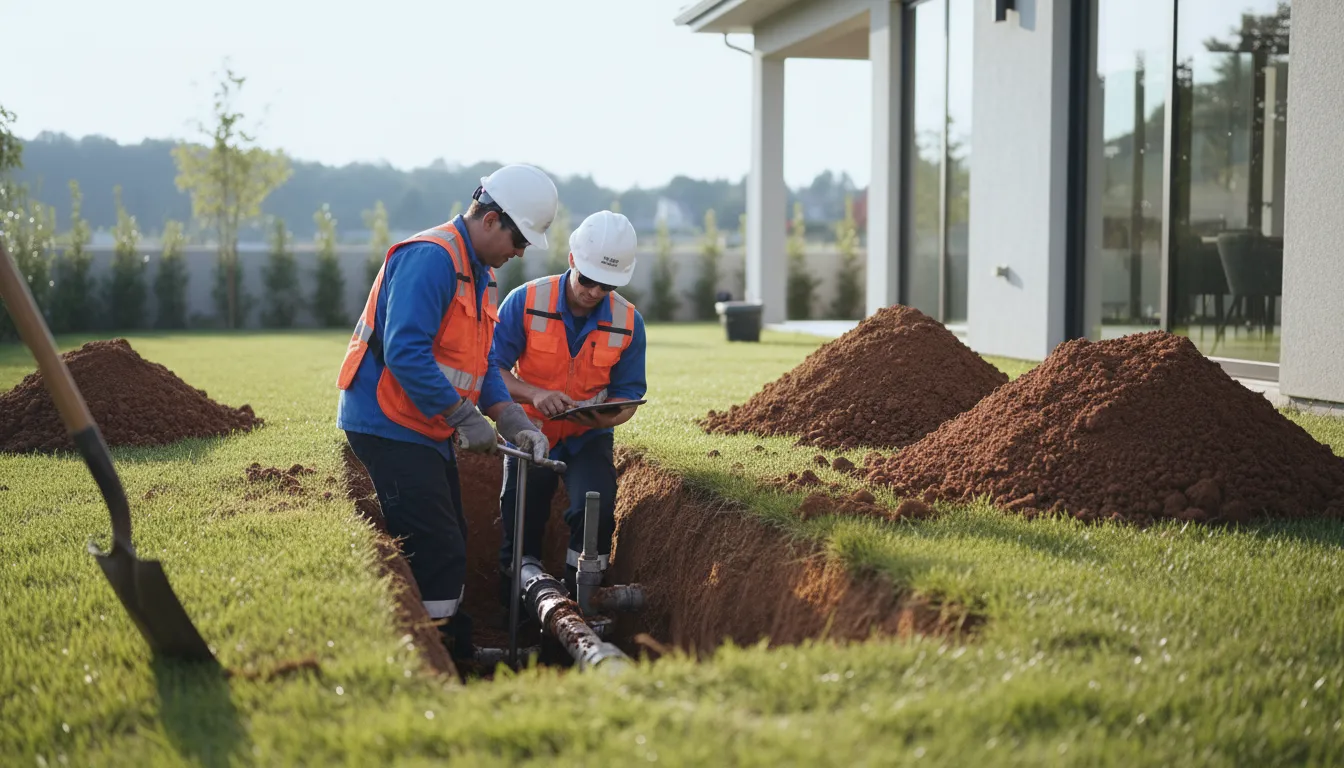
Find the Best Septic System Repair Companies for Your Business
No obligation • Fast responses • Nationwide coverage

Why you can trust Septic Spot
Septic Spot is a leading United States resource for understanding and comparing septic services. Our editors review providers using consistent criteria and verify key business details. Listings and scores are independent, and companies cannot pay to influence our content.
Search providers near you
Top Septic System Repair Companies in Petaluma, California Ranked
Maintaining a functional septic system is crucial for the health of your property and the local environment in Petaluma. When components fail, timely and proper septic system repair is essential to prevent backups, environmental contamination, and costly property damage. This guide explains the common types of onsite wastewater system repairs, the local regulatory landscape governed by Permit Sonoma, and how to find qualified professionals to service your system.

Holman Plumbing
3632 Airway Dr, Santa Rosa, CA 95403
Holman Plumbing is a full-service plumbing company based in Santa Rosa, CA, offering residential and commercial plumbing solutions. Their services include septic system repair, sewer line repair and replacement, drain cleaning, gas line services, water heater repair, and fixture installation. They provide specialized capabilities such as hydro jetting and trenchless sewer options. Holman Plumbing is locally owned and operated with over a decade of hands-on experience serving Sonoma County. They also offer 24-hour emergency plumbing services for urgent needs.
Just-in Time Plumbing and Heating
Santa Rosa, CA
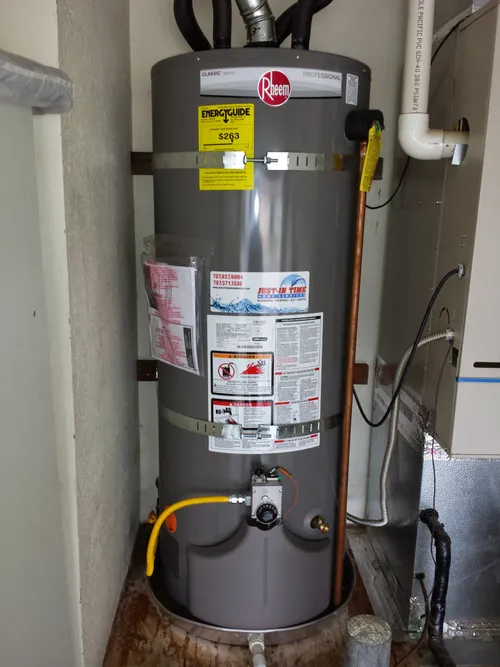
Just-in Time Plumbing and Heating is a family-owned business serving Santa Rosa, CA, and the greater Sonoma County area. They specialize in septic system repair, drain field restoration, septic pump repair and replacement, as well as trenchless sewer line replacements and hydrojetting. With over 20 years of experience, the company offers residential and light commercial plumbing, heating, and sanitation services. As a second-generation contractor, the owner brings extensive knowledge in HVAC and plumbing systems to the business.
Superior Septic Pumping Service
Santa Rosa, CA
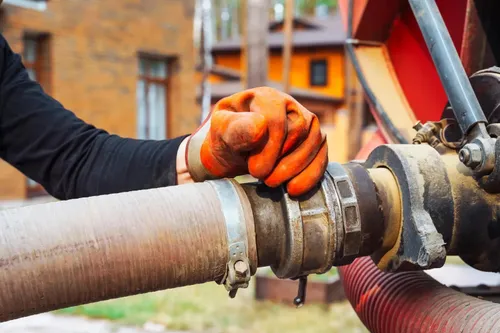
Superior Septic Pumping Service is a septic system maintenance and repair company based in Santa Rosa, CA. They offer services including septic pumping, tank cleanouts, repairs, and real estate inspections. With over 20 years of experience, the owner-operated business uses advanced equipment to handle issues such as sludge buildup, cracked pipes, and faulty drain fields. Their team serves Santa Rosa and surrounding areas, providing comprehensive septic solutions to help prevent backups and contamination.
Howie Excavating & Grading
1090 Rubicon Way, Santa Rosa, CA 95401
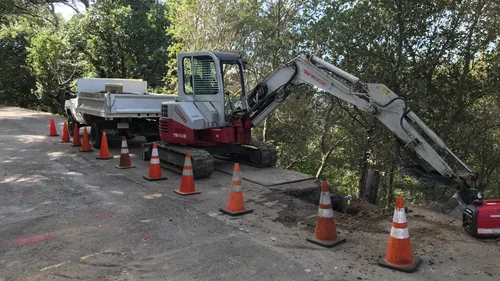
Howie Excavating & Grading is a contractor based in Santa Rosa, CA, specializing in septic system installation and repair along with a range of excavation and grading services. They offer underground utility installation, drainage design, sewer line repair and replacement, and concrete foundation work. Their capabilities include septic tank installation and septic system repair, serving residential and commercial needs in the Santa Rosa area. The company operates Monday through Saturday and provides a variety of site preparation and construction services.
Howie Excavating & Grading
49 Ridgewood Dr, San Rafael, CA 94901
Howie Excavating & Grading is a septic system repair and installation company serving Oakland, CA. They offer a range of services including septic tank installation, septic system repair, sewer line repair and replacement, as well as grading and drainage solutions. Their capabilities also extend to underground utility installation, trenching, and concrete foundation work. The company operates from locations in San Rafael and Santa Rosa, providing services throughout the Oakland area during regular business hours.
Understanding Sonoma County Septic Regulations
All residential wastewater treatment system work in Petaluma falls under the jurisdiction of Permit Sonoma, Sonoma County's Environmental Health division. The county operates under specific codes, with most existing systems needing to comply with Class III standards 1. Before any repair work begins, understanding the permit requirements is your first critical step.
A permit from Permit Sonoma is required for major alterations, including:
- Replacing the septic tank.
- Replacing more than 25% of the dispersal (leach) field.
- Installing a new pretreatment unit (like an aerobic treatment unit).
Conversely, some in-kind repairs may not require a permit. These typically include replacing a distribution box, fixing broken pipes, or replacing a septic tank lid. However, even for these minor fixes, it is vital to keep detailed records of the work performed 2. If your system is part of Permit Sonoma's Operational Permit (OPR) program, any repairs must be disclosed in your annual self-monitoring report 3. A crucial note for homeowners: if your system was never permitted, it must be legalized before any repairs can be officially approved 4.
Common Septic Repairs for Petaluma Homes
Septic system issues can range from simple clogs to complete component failure. Here are the most frequent repairs needed for onsite systems in the area.
Septic Tank Replacement
A damaged tank is a serious problem. Cracks, leaks, or structural failure can allow untreated wastewater to escape into the soil, or let groundwater to flood in, overloading the system. Older tanks may also be undersized for modern household use. Replacing a septic tank is a major repair that always requires a permit and often an engineered design 5. Costs for tank replacement in the region typically range from $9,500 to $15,000.
Leach Field and Drainfield Repair
The drainfield (or leach field) is where treated effluent is dispersed into the soil. Problems here often manifest as soggy ground, sewage odors, or slow drains. Repairs can involve:
- Hydro-jetting: Clearing blockages in the distribution pipes caused by sludge buildup or root intrusion.
- Partial Line Replacement: Fixing or replacing sections of failed leach lines. Replacing up to 25% of the dispersal system may be considered a repair, while exceeding that threshold is considered a replacement requiring a permit 6.
- Full Drainfield Replacement: When a field has completely failed, a new one must be installed in a new location, representing a significant project costing between $5,000 and $15,000 or more.
System Component Upgrades & Repairs
Modern standards and improved functionality often drive these repairs:
- Riser Installation: Adding access risers from the tank lids to the soil surface is now a common standard. It makes routine pumping and inspection safer, easier, and less disruptive to your landscaping.
- Effluent Filter Installation: These filters are mandatory on new tanks and highly recommended for older systems. They catch solids that could otherwise clog the drainfield pipes, significantly extending the life of your leach field.
- Pump Repairs/Replacement: For systems that use a pump to dose the drainfield (pressure-dosed systems), the pump, float switches, or control panel may need service or replacement to ensure proper operation 7.
Find the perfect septic system repair companies for your needs
Get personalized recommendations and expert advice
The Professional Inspection: Foundation for Any Repair
Before committing to a specific repair, a thorough professional inspection is indispensable. A proper evaluation in Sonoma County involves several key steps 8:
- Locating and Uncovering: Technicians will locate the tank, distribution box, and drainfield lines, which may require electronic locating equipment.
- Visual Inspection: The tank is opened to check water levels, structural integrity of the walls and baffles, and the condition of inlet/outlet pipes.
- Flow/Load Test: Water is run through the household plumbing to confirm the system accepts flow and to check for signs of drainfield failure, like surfacing effluent or backflow into the tank.
- Pump-out & Detailed Inspection: The tank is pumped to allow inspection of the bottom for cracks and to check for signs of drainfield backup (like biomat clogging).
- Reporting: A detailed report is provided, which is essential for understanding the system's health, planning repairs, and complying with Permit Sonoma requirements, especially if selling your home 9 10.
The cost for a standard inspection in Petaluma typically ranges from $400 to $600, while a routine pump-out (recommended every 3-5 years) costs between $150 and $250 11.
Cost Guide for Septic System Repairs
Repair costs vary widely based on the scope of work, soil conditions, and system size. Here's a general overview of what homeowners in the Petaluma area might expect:
- Minor Fixes & Repairs: $300 - $900 (e.g., replacing a baffle, minor pipe repair).
- Pipe Repairs/Replacement: $1,200 - $4,000.
- Leach Line/Drainfield Repair: $1,250 - $4,250+ for partial repairs 12.
- Septic Tank Replacement: $9,500 - $15,000 13.
- Full Drainfield Replacement: $5,000 - $15,000+ 14 15.
These are estimates, and obtaining multiple quotes from licensed contractors is strongly advised.
Maintenance and Best Practices to Avoid Major Repairs
Proactive care is the most cost-effective "repair" strategy. Follow these guidelines to extend the life of your onsite wastewater system:
- Pump Regularly: Have your septic tank pumped every 3 to 5 years by a licensed professional to prevent sludge and scum from reaching the drainfield 16 17.
- Protect the Drainfield: Never drive or park vehicles over the leach field, and avoid planting trees or deep-rooted shrubs nearby 18.
- Use Water Wisely: Fix leaks and spread out high-water-use activities (like laundry) to avoid hydraulically overloading the system.
- Mind What You Flush: Only human waste and toilet paper should go down the drain. Avoid chemicals, grease, wipes, and other non-biodegradables 19.
- Keep Records: Maintain a file of all inspection reports, pumping receipts, repair invoices, and permit documentation. This is invaluable for maintenance tracking and property disclosure.
Disclaimer: Regulations, requirements, and costs can change. Always verify rules and obtain necessary permits directly from Permit Sonoma before starting any septic system work.
Frequently asked questions
Sources
Footnotes
-
Septic Regulations for Rebuilding After the Sonoma Complex ... - https://www.bcengineeringgroup.com/blog/septic-regulations-for-rebuilding-after-the-sonoma-complex-fire ↩
-
Who needs a permit for a septic system? - https://www.waterboards.ca.gov/centralcoast/water_issues/programs/septics/permits.html ↩
-
Permitting Guidelines for Fire Damaged Septic Systems - https://permitsonoma.org/rebuilding/rebuildingprocess/wellsepticsewer/septicpermittingguidelines ↩
-
Updating County Septic System Regulations - Permit Sonoma - https://permitsonoma.org/divisions/engineeringandconstruction/wellandsepticsystems/septicsystems/owtsmanual/owtsmanualupdateprocess ↩
-
Onsite Wastewater Treatment Systems (OWTS) Frequently Asked ... - https://permitsonoma.org/divisions/engineeringandconstruction/wellandsepticsystems/septicsystems/owtsfrequentlyaskedquestions ↩
-
Septic System Residential Improvement Policy - Marin County - https://assets.marincounty.gov/marincounty-prod/public/2024-03/septic-system-residential-improvement-policy_.pdf ↩
-
Petaluma SEPTIC TANK SYSTEM REPAIR - https://joesfarmersinc.com/septic-services/septic-repair/ ↩
-
onsite-wastewater-treatment-system-requirements-procedures. ... - http://www.publichealth.lacounty.gov/eh/docs/permit/onsite-wastewater-treatment-system-requirements-procedures.pdf ↩
-
Septic Tank Testing & Inspection | What to Expect Guide | Blog - https://www.blueribbonseptic.com/blog/septic-tank-testing-and-inspection ↩
-
The Ultimate Guide to Septic Inspections on Home Purchase - https://gustancho.com/septic-inspections-on-home-purchase/ ↩
-
Maintaining your Septic System A Guide for Homeowners - https://www.ihs.gov/california/tasks/sites/default/assets/File/SFC-MaintainingYourSepticSystemGuide.pdf ↩
-
THE BEST 10 SEPTIC SERVICES in PETALUMA, CA - Yelp - https://m.yelp.com/search?cflt=septicservices&find_loc=Petaluma%2C+CA ↩
-
Common Septic Tank Repairs In California (& What They Cost) - https://cacciaplumbing.com/blog/common-septic-tank-repairs-in-california/ ↩
-
Septic systems in Sonoma County: costs explained - https://www.modernlivingsonoma.com/2022/09/26/a-guide-to-septic-systems-in-sonoma-county/ ↩
-
How Much Does Septic System Repair Really Cost in California - https://www.lanikseptic.com/septic-repair-cost/ ↩
-
WLS-012 Guidelines for Maintaining a Non-Standard Septic ... - https://www.permitsonoma.com/instructionsandforms/wls-012guidelinesformaintaininganonstandardsepticsystem ↩
-
Septic Systems - Permit Sonoma - https://permitsonoma.org/divisions/engineeringandconstruction/wellandsepticsystems/septicsystems ↩
-
Septic System DO's and DONT's - https://www.ihs.gov/california/index.cfm/offices/oehe/dsfc/water-san/maintaining-your-septic-system-guide/septic-system-do-s-and-dont-s/ ↩
-
Homeowner's Guide to Septic Systems - Tuolumne County - https://www.tuolumnecounty.ca.gov/DocumentCenter/View/21759/Onsite-System-Care-and-Maintenance ↩