Find the Best Septic System Repair Companies for Your Business
No obligation • Fast responses • Nationwide coverage

Why you can trust Septic Spot
Septic Spot is a leading United States resource for understanding and comparing septic services. Our editors review providers using consistent criteria and verify key business details. Listings and scores are independent, and companies cannot pay to influence our content.
Search providers near you
Top Septic System Repair Companies in Pleasanton, California Ranked
When your home's wastewater system fails, it's more than an inconvenience-it's a potential health hazard and a significant financial liability. Septic system repair in Pleasanton, California, addresses issues ranging from minor component failures to complete drain field breakdowns. Because these systems are strictly regulated by the Alameda County Department of Environmental Health (ACDEH) to protect groundwater and public health, proper repair is essential for compliance and safety. This guide will help you understand the common repair needs, the regulatory process, and typical costs, empowering you to make informed decisions when maintaining or fixing your onsite wastewater treatment system.
Caccia Home Services
1660 Gilbreth Rd, Burlingame, CA 94010
Caccia Home Services is a septic system repair company based in San Jose, CA. They provide a wide range of plumbing and septic services, including hydro jetting, sewer line repair, trenchless sewer services, and septic tank repair. Their capabilities extend to water treatment, water heaters, and emergency plumbing. The company also offers electrical services such as EV charger installation and lighting upgrades. Caccia Home Services covers maintenance, repair, and installation needs for both residential and commercial clients.
Trinity Liquid Waste Services
San Jose, CA
Trinity Liquid Waste Services provides septic tank pumping, inspection, repair, and maintenance services for residential and commercial clients in San Jose, CA. The family-owned company offers a wide range of septic system solutions including grease trap pumping, sewage ejector tank maintenance, and water jetting to keep systems functioning properly. They also handle storm drain cleaning and provide 24/7 same-day service for urgent septic issues. Their team is experienced in addressing common septic problems caused by household appliance overuse and sediment buildup, helping customers maintain optimal system performance.
PICHANGA PUMPING SERVICE LLC
901 N Rengstorff Ave, Mountain View, CA 94043
PICHANGA PUMPING SERVICE LLC is a family-owned business with over 10 years of experience, serving San Jose, CA. They provide septic tank pumping, inspection, repair, and installation services. The company uses specialized equipment for camera inspections and locating issues within pipes and sewer lines. They also offer restroom rentals. Pichanga Pumping Service provides after-hours and emergency services for added convenience.
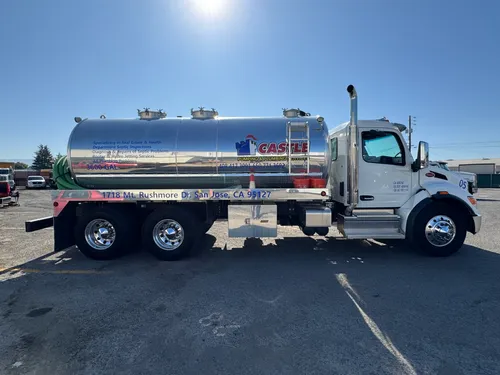
Castle Pumping and Plumbing Services
San Jose, CA
Castle Pumping and Plumbing Services is a locally owned company based in San Jose, CA, offering comprehensive septic system services including pumping, inspections, repairs, and installations. With over 32 years of experience, they serve residential and commercial properties in the San Jose area. Their expertise includes locating septic tanks, performing detailed inspections of tank components, and specialized outflow line exploration to diagnose backups without unnecessary replacements. The company uses advanced equipment and techniques to maintain and repair septic systems, ensuring long-lasting functionality.
Williams Sanitary Service Inc
Oakland, CA
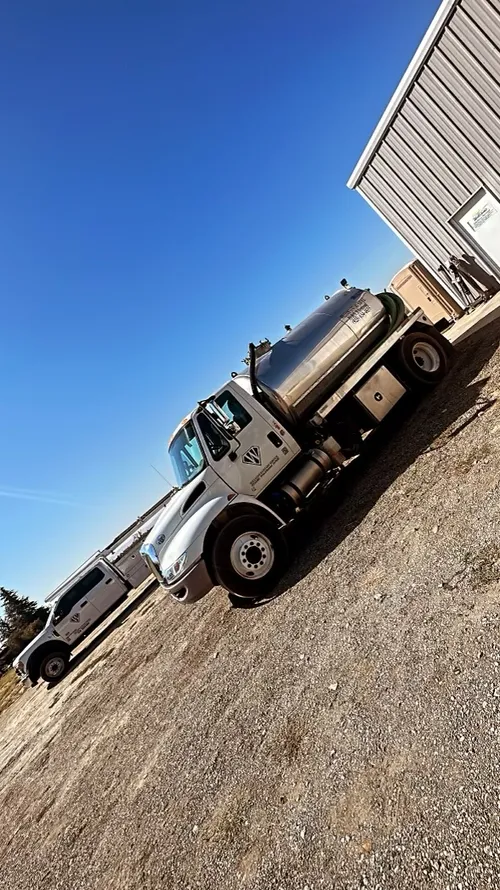
Williams Sanitary Service Inc is a family-owned septic system company serving Oakland, CA, and surrounding areas since 1950. They provide a full range of septic services including pumping, inspection, repair, and installation for both residential and commercial clients. The company also offers general plumbing services such as drain cleaning and water heater repair. Williams Sanitary Service Inc is equipped to handle all sizes of septic jobs across Contra Costa and Alameda Counties and offers 24/7 service availability.
Understanding Your Septic System and Common Failures
A septic system is a self-contained, on-property wastewater treatment plant. In Pleasanton, a typical system consists of a septic tank, where solids settle and begin to decompose, and a drain field (or leach field), where treated liquid effluent is dispersed into the soil for final purification. Failures often manifest as slow drains, gurgling pipes, sewage odors indoors or outdoors, or soggy, bright green patches of grass over the drain field.
Understanding the root cause is critical before any septic tank repair or system remediation can begin. A failure could stem from a clogged outlet baffle, a broken pipe, a failing pump, or a saturated drain field. Each issue requires a different approach and carries a different cost, which is why a professional inspection is the indispensable first step 1.
The Critical First Step: Professional Inspection and Evaluation
Before any repair work is quoted or begun, a thorough inspection by a qualified contractor is required. This is not just a best practice; for systems over 15 years old, missing original plans, or suspected of failure, the Alameda County regulations often mandate a formal "Performance Evaluation". A proper inspection involves several key steps:
- Locating & Accessing the Tank: Technicians must first locate and safely excavate the tank's access lids or risers.
- Internal Tank Inspection: This involves assessing the tank's structure for cracks, measuring the levels of sludge and scum, and checking internal components like baffles and effluent filters for damage or blockages 2.
- Component Evaluation: The distribution box (if present), which evenly splits flow to the drain field lines, is checked for proper function.
- Flow and Functional Test: Running water through household fixtures helps observe inflow to the tank and can indicate blockages in the inlet or outlet 3.
- Drain Field Inspection: The area above the leach field is examined for surfacing sewage, persistent wet spots, or overly lush vegetation, which are telltale signs of failure 4.
- Reporting: You should receive a detailed report outlining the system's condition, the cause of any problems, and specific recommendations for repair, pumping, or further investigation.
This inspection, typically costing between $300 and $1,000, provides the blueprint for all subsequent repair work and is essential for navigating the permit process.
Navigating Alameda County Repair Permits and Regulations
Septic system work in Pleasanton is governed by local ordinances derived from California's strict water quality standards. Navigating these rules is a non-negotiable part of the repair process.
- Repair/Modification Permit: For most repairs or modifications to an existing Onsite Wastewater Treatment System (OWTS), you must obtain a Repair/Modification Permit from the ACDEH before work begins. Your contractor will usually handle this application, which includes the inspection report and a proposed repair plan.
- Minor Repairs Exception: Some minor repair work, such as replacing a cleanout plug or a minor component, may not require a permit if it complies exactly with the county's technical manual. It's crucial to confirm this with your provider or the county directly.
- Emergency Repairs: If there is an immediate threat to public health or the environment, temporary repairs can be made to contain the issue. However, a permit application must follow immediately afterward 5.
- Operating Permits: Depending on the system's complexity and the nature of the repair, the county may require an annual Operating Permit. This permit must be renewed whenever property ownership changes 6 7.
Find the perfect septic system repair companies for your needs
Get personalized recommendations and expert advice
Common Septic Repairs and Their Costs in Pleasanton
Repair costs in Pleasanton vary widely based on the problem's severity, system size, and site accessibility (e.g., rocky soil, limited equipment access). Prices are generally higher for larger systems designed for 5+ bedrooms 8. Here's a breakdown of common septic system fixes and their typical price ranges:
- Minor Repairs ($300 - $1,200): This category includes replacing damaged or missing tank baffles, repairing or installing access risers and lids, and sealing small tank leaks. These are often the most straightforward and affordable fixes 9.
- Septic Pump Repair ($250 - $1,500): If your system uses a pump to move effluent to the drain field, repairs can involve replacing the pump itself, float switches, or alarm system components 10.
- Pipe Repair or Replacement ($1,200 - $4,000): Repairing or replacing broken, collapsed, or root-clogged lateral lines that run from the tank to the distribution box or drain field falls into this range.
- Drain Field Repair or Rejuvenation ($3,500 - $10,000): This is a major repair. Techniques can include repairing a portion of the leach field, installing a new "finger," or using advanced methods like hydro-jetting or aeration to rejuvenate a clogged field. Full drain field replacement is often the last resort 11.
- Full System Replacement ($6,000 - $15,000+): When the tank is structurally failed and the drain field is beyond repair, a complete system replacement is necessary. This is the most extensive and costly project, involving new tank installation and the construction of an entirely new leach field in a suitable area of your property 12 13.
Note on Pricing: The cost ranges above include both parts and labor. It's important to get detailed, written estimates that break down the cost of the repair itself, any required pumping ($200-$400), the permit fees, and the cost of the initial inspection 14 15.
Proactive Maintenance: The Best "Repair" Strategy
The most cost-effective septic system repair is the one you avoid through diligent maintenance. Regular care can prevent minor issues from escalating into catastrophic failures.
- Routine Pumping: Have your tank pumped every 3 to 5 years by a licensed professional to remove accumulated solids before they overflow into the drain field and cause clogging 16 17.
- Regular Inspections: Even without problems, a professional inspection every 1-3 years can identify wear and tear on components like baffles and filters before they fail.
- Mindful Usage: Avoid flushing anything besides human waste and toilet paper. Never pour grease, chemicals, or medications down the drain. Conserve water to avoid hydraulically overloading the system.
Investing in maintenance is far less expensive than emergency drain field repair or a full system replacement, and it ensures your system operates reliably for decades.
Frequently asked questions
Sources
Footnotes
-
Understanding Septic Tank Inspections: A Complete Homeowner's ... - https://septic-masters.com/septic-tank-inspection-homeowner-guide/ ↩
-
A 3-Step Checklist for Septic Tank Inspection - https://www.aaapumpingservice.net/a-3-step-checklist-for-septic-tank-inspection ↩
-
How to Inspect a Private Septic System - https://www.youtube.com/watch?v=URhIPaX-csA&t=20 ↩
-
Septic Tank Testing & Inspection | What to Expect Guide | Blog - https://www.blueribbonseptic.com/blog/septic-tank-testing-and-inspection ↩
-
onsite-wastewater-treatment-system-requirements-procedures. ... - http://www.publichealth.lacounty.gov/eh/docs/permit/onsite-wastewater-treatment-system-requirements-procedures.pdf ↩
-
Chapter 15.18 County of Alameda Onsite Wastewater ... - https://www.waterboards.ca.gov/sanfranciscobay/board_info/agendas/2018/April/LAMP/2_AC_Revised_Ordinance.pdf ↩
-
OWTS Ordinance - Alameda DEH Home - https://deh.acgov.org/landwater-assets/docs/OWTS-Ordinance.pdf ↩
-
Cost of Septic in Pleasanton, CA - https://pleasantonsepticservice.com/cost-of-septic-in-pleasanton-ca ↩
-
Septic Tank Repair Cost in 2026 | Average Prices & Repair Types - https://modernize.com/plumbing/septic-tank-repair-cost ↩
-
Get Septic System Pump Repair in Pleasanton, CA - https://pleasantonsepticservice.com/get-septic-system-pump-repair ↩
-
How Much Does Septic System Repair Really Cost in California - https://www.lanikseptic.com/septic-repair-cost/ ↩
-
Get Septic Plumbing Installation in Pleasanton, CA - https://pleasantonsepticservice.com/get-septic-plumbing-installation ↩
-
Septic Tank Replacement and Drain Field Cost in California - https://www.lanikseptic.com/how-much-does-it-cost-to-replace-a-septic-tank-and-drain-field-in-california/ ↩
-
Cost of Septic in Pleasanton, CA - https://pleasantonsepticservice.com/cost-of-septic-in-pleasanton-ca ↩
-
Get Septic Plumbing Repair in Pleasanton, CA - https://pleasantonsepticservice.com/get-septic-plumbing-repair ↩
-
California Septic Tank Requirements | Onsite Wastewater ... - https://www.ntotank.com/blog/california-septic-tank-requirements ↩
-
The Californian's Guide To Septic Tanks - https://cacciaplumbing.com/blog/california-septic-tank-guide/ ↩