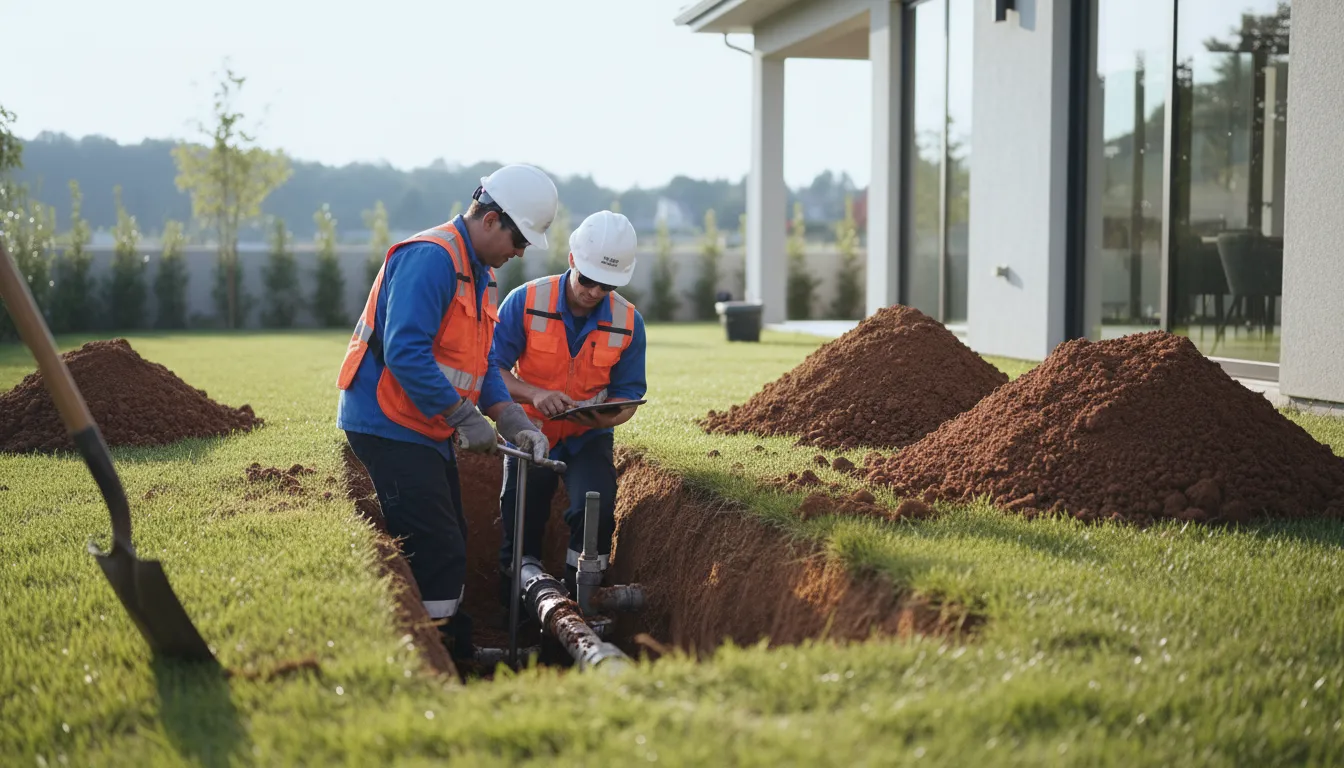
Find the Best Septic System Repair Companies for Your Business
No obligation • Fast responses • Nationwide coverage

Why you can trust Septic Spot
Septic Spot is a leading United States resource for understanding and comparing septic services. Our editors review providers using consistent criteria and verify key business details. Listings and scores are independent, and companies cannot pay to influence our content.
Search providers near you
Top Septic System Repair Companies in Santa Cruz, California Ranked
Maintaining a functional septic system is a critical responsibility for homeowners in Santa Cruz County. When a system fails, it's not just an inconvenience-it's a public health and environmental issue that requires prompt, professional attention. Septic system repair encompasses everything from fixing a broken pipe to completely replacing a saturated leach field, and navigating the county's specific regulations is a key part of the process. This guide is designed to help you understand the local requirements, common repair types, and how to connect with qualified professionals who can restore your system to proper working order.
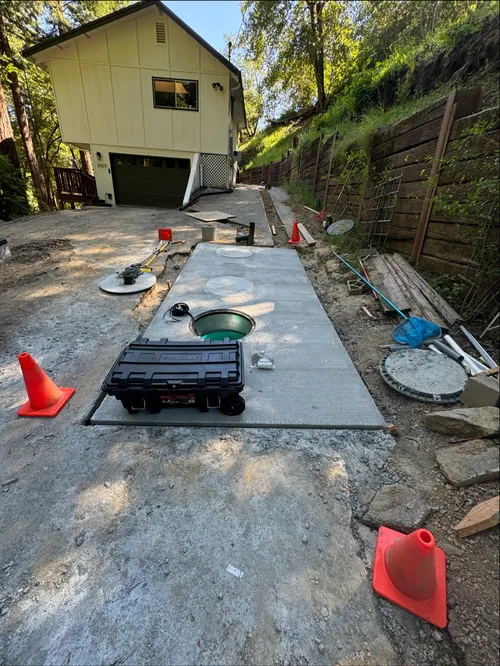
Wade's Plumbing & Septic
San Jose, CA
Wade's Plumbing & Septic is a family-owned company serving San Jose, CA, and licensed in California and Georgia. They specialize in septic tank pumping, inspection, repair, and installation, with a focus on enhanced treatment systems designed for challenging sites such as steep slopes, limited space, and environmentally sensitive areas. Their services include plumbing repairs and preventative maintenance, delivered by licensed professionals since 2021. Wade's offers upfront flat-rate pricing and emphasizes honest recommendations without upselling. They operate during regular business hours on weekdays.
PICHANGA PUMPING SERVICE LLC
901 N Rengstorff Ave, Mountain View, CA 94043
PICHANGA PUMPING SERVICE LLC is a family-owned business with over 10 years of experience, serving San Jose, CA. They provide septic tank pumping, inspection, repair, and installation services. The company uses specialized equipment for camera inspections and locating issues within pipes and sewer lines. They also offer restroom rentals. Pichanga Pumping Service provides after-hours and emergency services for added convenience.
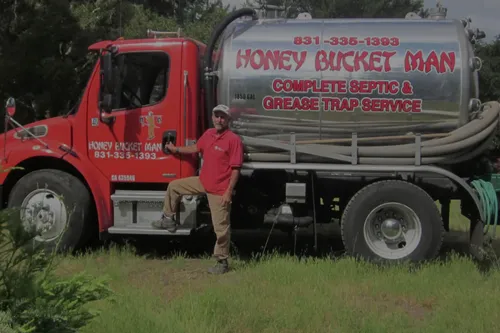
The Honey Bucket Man
6116 CA-9 # D, Felton, CA 95018
The Honey Bucket Man is a septic service provider located in San Jose, CA. They offer septic system cleaning, minor repairs, tank locating and uncovering, real estate inspections, and installation of new lids. Their services cover a range of septic system needs, including troubleshooting common problems to maintain system function.
Morton Septic Service Inc
905 Lena Ave, Gilroy, CA 95020
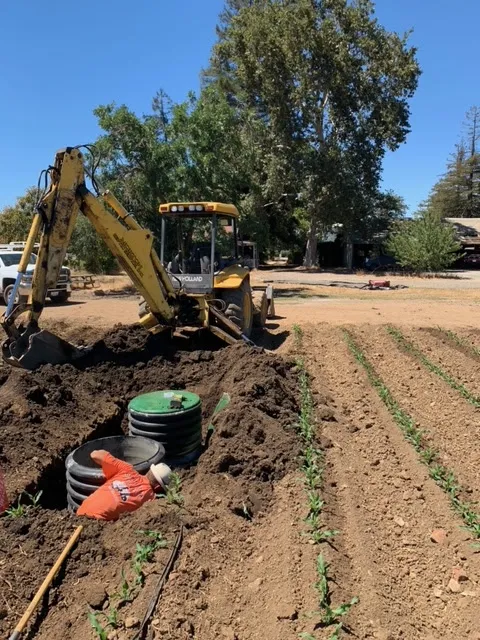
Morton Septic Service Inc is a septic system repair and installation company serving San Jose, CA, and nearby areas including South San Jose, San Martin, Gilroy, and Morgan Hill. The company offers a variety of septic services such as repairs and installations. With over 49 years of experience, Morton Septic Service Inc has developed extensive expertise in handling septic systems.
Environmental Septic Solution
Stockton, CA
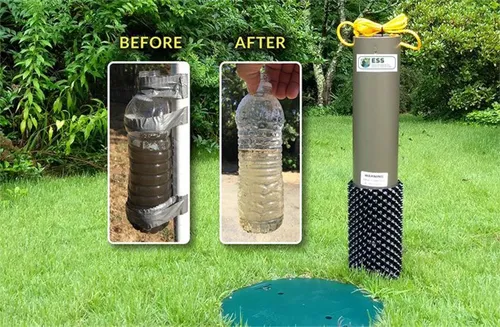
Environmental Septic Solution is a septic system service provider based in Stockton, CA. They specialize in septic tank pumping, inspection, repair, and drain field restoration using a proprietary aerobic bacteria technology. This system is designed to break down organic waste and biomat buildup, helping to avoid costly and invasive drain field replacements. Since 2007, they have offered solutions that can restore failing septic systems and reduce the need for frequent pumping. Their approach aims to maintain septic system function while protecting the environment.
Understanding Santa Cruz County's Septic Regulations
Before any repair work begins, it's essential to understand the regulatory landscape. Santa Cruz County Environmental Health (EH) oversees all Onsite Wastewater Treatment Systems (OWTS), and a permit is required for any repair, whether major or minor 1. This ensures that all work meets current standards for protecting groundwater and public health.
A significant update to local rules took effect in July 2023, introducing mandatory point-of-sale inspections2. If you are selling your property, a licensed contractor must complete a septic inspection and pumping within six months prior to the transfer, and the report must be submitted to County Environmental Health3. This evaluation includes checking tank levels, looking for backflow, and assessing the tank's structural integrity. Even outside of a sale, staying compliant with these regulations is crucial for avoiding fines and ensuring your property's value.
Common Types of Septic Repairs
Septic issues can range from simple fixes to complex, costly projects. Identifying the problem early can save significant time and money.
Minor Repairs
These are typically addressed quickly and involve components outside or leading into the main tank. Common minor fixes include:
- Replacing broken inlet or outlet pipes.
- Installing new tank tees or baffles that have deteriorated.
- Cleaning or replacing effluent filters.
- Repairing or replacing a malfunctioning pump in a pumped system.
While these are considered minor, they still require a permit from Environmental Health to ensure they are performed correctly.
Major Repairs and Full Replacements
When a system's core components fail, more extensive work is necessary. This often signals a failure of the soil absorption area, known as the leach field or drain field.
- Septic Tank Replacement: Older concrete tanks can crack and fail. Replacing a standard tank is a major project that involves excavation and proper placement according to code.
- Leach Field Replacement: This is often the most significant repair. If the original field is saturated, clogged, or improperly sized, a new one must be installed. This requires a new percolation test and a detailed site plan submitted for a permit.
- System Conversion: In some cases, repairing a conventional system is not feasible, and an upgrade to an advanced treatment system is required.
The Role of Advanced Treatment Systems
Santa Cruz's diverse topography, with its steep slopes, high groundwater, and small lots, presents challenges for conventional septic systems4. In these "limited sites," Environmental Health may require or homeowners may opt for an Alternative/Advanced Treatment System.
These systems provide enhanced treatment of wastewater before it reaches the soil. They can be a vital solution for:
- Properties with insufficient space for a standard leach field.
- Sites with poor soil percolation or shallow bedrock.
- Homes located near sensitive waterways or with high water tables.
While the upfront cost is higher, these systems allow development and repair on properties that would otherwise be unsuitable, and they offer superior environmental protection5.
The Permit and Repair Process
Navigating the repair process systematically will lead to a better outcome. Here is a typical pathway:
- Identify the Problem: Signs include slow drains, sewage backups, soggy ground or foul odors in the yard, and unusually green grass over the drain field.
- Hire a Licensed Professional: Contact a contractor licensed by Santa Cruz County for septic work. They will perform a thorough evaluation, which for repairs often includes a minimum 250-gallon water flow test for conventional systems to diagnose absorption issues.
- Submit for Permit: Your contractor will typically handle this. The application to Environmental Health must include a detailed site plan and the proposed design for the repair or replacement6.
- Complete the Work: Once the permit is issued, the licensed professional executes the repair according to the approved plans.
- Final Inspection: County Environmental Health will inspect the completed work before it is backfilled to ensure compliance.
Find the perfect septic system repair companies for your needs
Get personalized recommendations and expert advice
Understanding Costs and Fees
Repair costs in Santa Cruz County vary widely based on the system's complexity and site conditions. It's important to budget not just for the repair, but for associated permits and evaluations.
- Inspection and Pumping: As part of the diagnostic or point-of-sale process, pumping and inspection fees can range roughly from $425 for a standard system to $1,345 for an alternative system7.
- Repair Costs: A standard septic tank replacement may range from $1,500 to $4,000, but this is a baseline8. Most major repairs, especially those involving a new leach field or the installation of an advanced treatment system, will cost significantly more due to excavation, materials, and technology expenses.
- Ongoing Fees: Homeowners in County Service Area 12 (CSA 12) pay annual fees that support the county's program for managing septic inspection and maintenance records9.
Maintaining Your Repaired System
A successful repair is an investment worth protecting. Proper maintenance is the key to longevity and avoiding another costly failure. Adhere to the county's guidelines: pump your tank regularly (typically every 3-5 years, but follow your inspector's advice), conserve water to avoid overloading the system, and never flush harmful chemicals or non-biodegradable materials. Keep detailed records of all inspections, pumping, and repairs; this is especially important for the point-of-sale process10.
Frequently asked questions
Sources
Footnotes
-
How an OWTS is Regulated - https://scceh.com/NewHome/Programs/LandUse/HowanOWTSisRegulated.aspx ↩
-
New Septic Regulations Taking Effect July 2023 - https://slvpost.com/new-septic-regulations-taking-effect-july-2023/ ↩
-
County of Santa Cruz - scceh.org - https://scceh.com/Portals/6/Env_Health/Land%20Use/Land%20Use%20Documents/POS%20Evaluation%20Program.pdf ↩
-
Advanced Septic Systems: A Guide for Santa Cruz Residents - https://wadesplumbingandseptic.com/a-homeowners-guide-to-new-septic-systems-in-santa-cruz-county/ ↩
-
Santa Cruz County, CA SEWAGE DISPOSAL - eCode360 - https://ecode360.com/47525230 ↩
-
OWTS Repair - https://scceh.com/NewHome/Programs/LandUse/OWTSRepairUpgrades/OWTSRepair.aspx ↩
-
OWTS FAQs - Santa Cruz County Environmental Health - https://scceh.com/NewHome/Programs/LandUse/OWTSFaqs.aspx ↩
-
Santa Cruz Septic Tank Installation - Henry's Plumbing - https://henrysplumbingca.com/areas-of-service/santa-cruz-septic-tanks/ ↩
-
County of Santa Cruz - https://www.scceh.com/Portals/6/Env_Health/Land%20Use/Land%20Use%20Documents/CSA12info.pdf ↩
-
Septic System Users Manual - County of Santa Cruz - https://www.scceh.com/Portals/6/Env_Health/Land%20Use/Land%20Use%20Documents/septic%20system%20user%20manual.pdf ↩