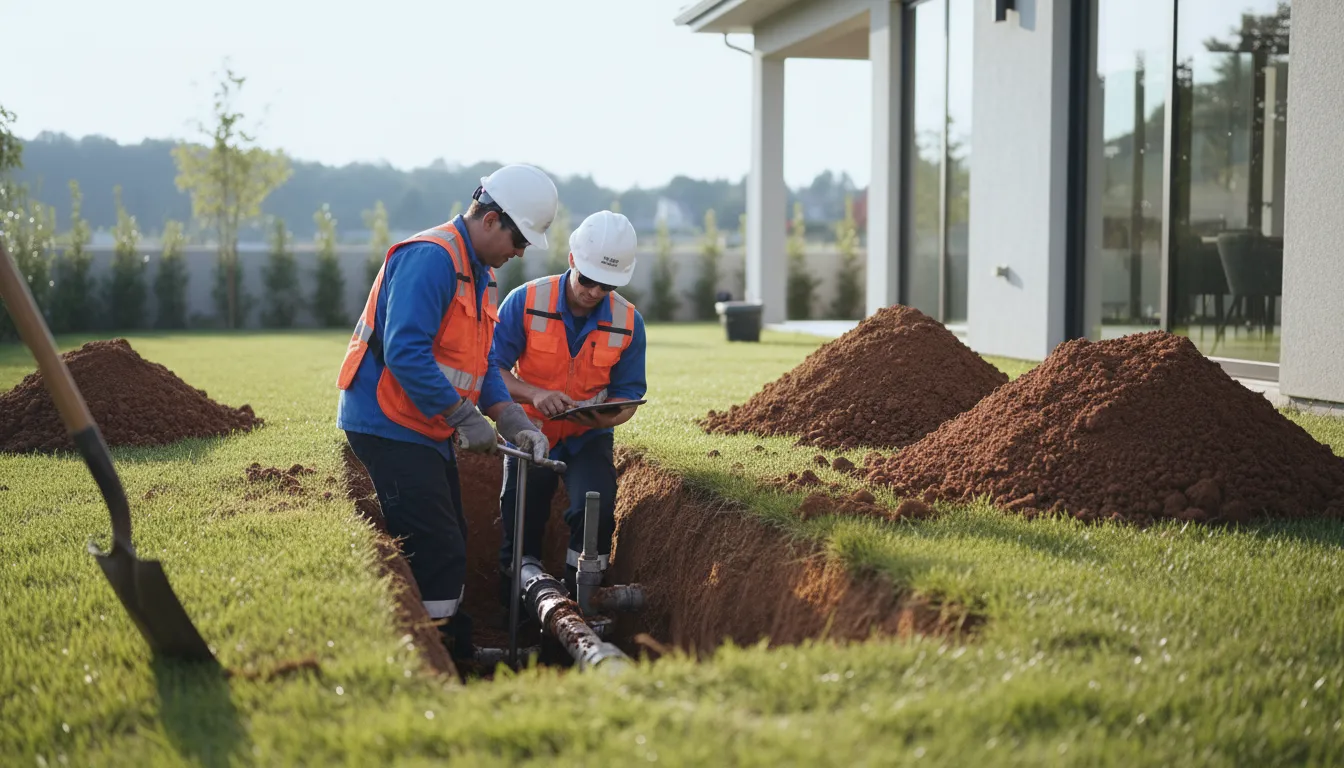
Find the Best Septic System Repair Companies for Your Business
No obligation • Fast responses • Nationwide coverage

Why you can trust Septic Spot
Septic Spot is a leading United States resource for understanding and comparing septic services. Our editors review providers using consistent criteria and verify key business details. Listings and scores are independent, and companies cannot pay to influence our content.
Search providers near you
Top Septic System Repair Companies in Turlock, California Ranked
Maintaining a functional septic system is a critical responsibility for homeowners in Turlock and the surrounding Stanislaus County. When components fail, professional septic system repair is essential to protect your property, your health, and the local environment. This guide explains the common types of septic repairs, the local regulatory process, and how to identify when you need to contact a licensed professional for service.
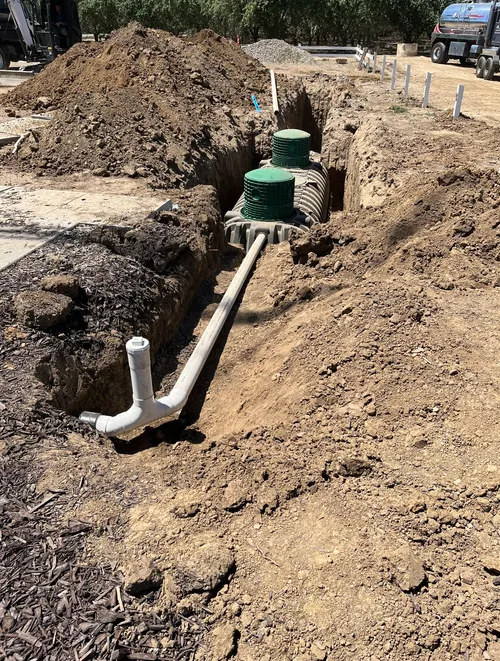
A-1 Septic Services
2125 Wylie Dr #6, Modesto, CA 95355
A-1 Septic Services is a full-service septic company based in San Jose, CA, offering comprehensive septic system solutions. They provide septic tank installation, repair, pumping, inspections, and drain field services, along with grading, excavation, and underground utility trenching. The company manages all aspects from design and permitting to final installation, ensuring code compliance and system longevity. With over 30 years of experience serving Stanislaus, San Joaquin, and Merced counties, A-1 Septic Services has extensive local knowledge and expertise. Their capabilities include septic system design, leach field installation, and utility trenching, supported by in-house crews and equipment to maintain control over project quality and scheduling.
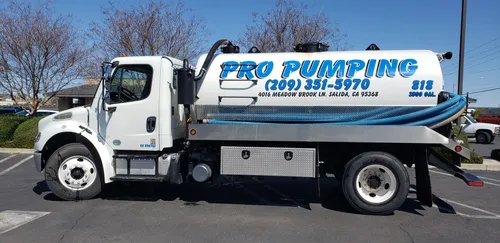
Pro Pumping Septic Service
4016 Meadow Brook Ln, Salida, CA 95368
Pro Pumping Septic Service is a septic tank pumping, inspection, and repair company serving San Jose, CA. They offer septic tank pumping, cleaning, maintenance, site inspections, and repairs for both residential and commercial clients. As an owner-operated business, they focus on personalized service and work to ensure safe and environmentally sound septic systems. Pro Pumping serves homeowners, restaurant owners, and commercial accounts in the San Jose area.
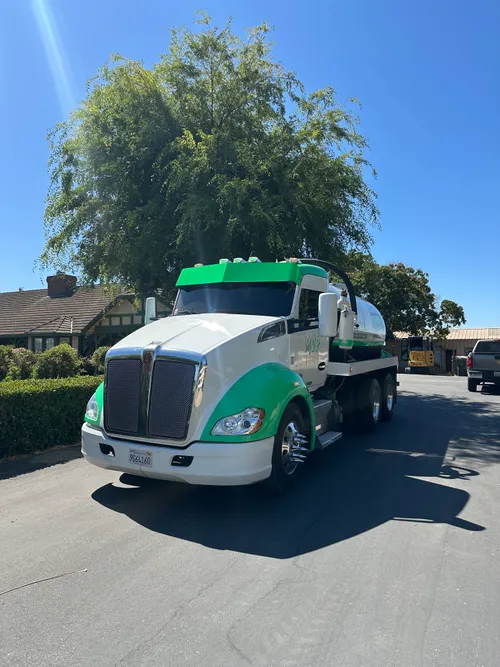
Mountain Valley Pumping
581 Hi Tech Pkwy, Oakdale, CA 95361
Mountain Valley Pumping is a septic tank pumping, inspection, repair, and installation company serving San Jose, CA. They provide a range of services including septic tank pumping, system inspections, repairs, and maintenance, as well as commercial lift station and grease trap pumping. The company uses up-to-date pumping technology to address various septic system issues. Mountain Valley Pumping offers 24-hour emergency service to assist customers whenever needed.
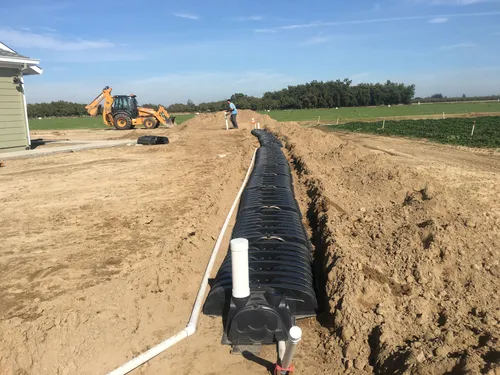
Applegate Septic & Sewer
1404 Fernview Dr, Modesto, CA 95355
Applegate Septic & Sewer is a septic tank pumping, inspection, repair, and installation company serving San Jose, CA. Since 1995, they have provided septic and sewer services for residential and commercial clients in Modesto and nearby cities. The company is fully licensed and bonded, with a large fleet of service trucks and certified septic inspection capabilities. They offer 24/7 service and specialize in septic system construction and maintenance, ensuring precise and reliable work.
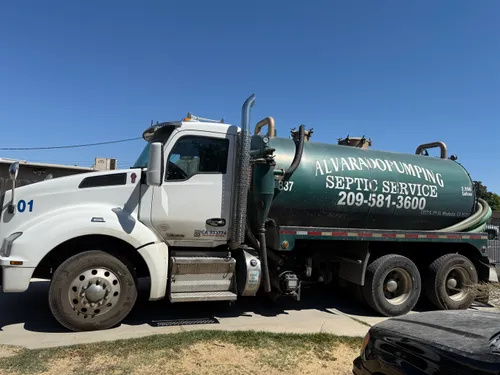
Alvarado Pumping Septic Service
San Jose, CA
Alvarado Pumping Septic Service is a family-owned company serving San Jose, CA, and nearby areas since 2007. They provide septic tank pumping, inspection, installation, and repair services for both residential and commercial customers. Their team handles routine maintenance and emergency plumbing needs, aiming to keep septic systems functioning properly. The company is known for offering thorough and complete septic services at competitive prices.
Understanding Septic Systems and Local Regulations
A septic system is an on-site wastewater treatment structure, typically consisting of a tank and a drainfield (or leach field). In Turlock, all septic work is overseen by the Stanislaus County Department of Environmental Resources. This agency enforces state and local codes to ensure systems are installed and repaired correctly, preventing groundwater contamination and public health hazards.
A key point for Turlock homeowners is that a permit is required for any repair involving the septic tank or leach field 1. This isn't just bureaucracy; the permit process ensures the work meets specific setback requirements, uses approved materials, and follows proper sewage disposal standards. Only licensed septic contractors or qualified plumbers should perform this work, as they understand how to navigate the permitting process and ensure compliance2 1.
Common Signs You Need Septic Repairs
Catching problems early can save you thousands of dollars. Don't ignore these warning signs of a failing system:
- Slow Drains and Sewage Backups: This is often the first sign homeowners notice. If multiple drains are slow or toilets are backing up, it could indicate a full tank, a blockage in the inlet or outlet pipes, or a failing drainfield.
- Foul Odors: Unpleasant smells around the yard, near the tank, or even inside the house suggest venting issues, a full tank with high sludge levels, or a breach in the system that is allowing gases to escape3.
- Soggy Ground or Unusually Lush Grass: If the soil over your drainfield is constantly wet, mushy, or has patches of grass that are much greener and faster-growing than the rest of the yard, it is a strong indicator of drainfield failure. This means wastewater is surfacing instead of percolating properly through the soil4.
Typical Septic System Repairs in Turlock
Repair needs can range from minor fixes to major excavations. Here are the most common septic services homeowners require.
Septic Tank Pumping and Cleaning
This is not a repair per se, but a critical maintenance task that can prevent the need for repairs. Tanks should be pumped every 3-5 years, or more frequently depending on household size and usage 5. Pumping removes accumulated sludge and scum, preventing them from flowing into and clogging the drainfield. In Turlock, this service typically costs between $350 and $1,000.
Baffle or Filter Repair
The baffles (or a filter, in newer systems) are located at the tank's inlet and outlet. They prevent floating scum and settled solids from exiting the tank and damaging the drainfield. Concrete baffles can crack, and PVC components can break off. Repairing or replacing these components is crucial and generally costs between $300 and $900.
Pipe and Line Repair
The pipes that carry wastewater from your house to the tank (inlet) and from the tank to the drainfield (outlet) can crack, collapse, or become blocked by roots. Repairing or replacing these buried lines involves excavation and can cost between $1,200 and $4,000, depending on the depth and length of pipe affected.
Drainfield (Leach Field) Repair
This is one of the most serious and expensive repairs. Partial issues might involve using a roto-router to clear roots from distribution pipes or replacing a section of perforated pipe. A complete drainfield failure, however, requires a new leach field to be installed. Due to the extensive excavation and new materials required, drainfield repair or replacement costs range from $5,000 to over $15,000 6.
Full System Replacement
When both the tank and drainfield have failed beyond repair, a completely new septic system must be installed. This is a major construction project requiring new engineering, permits, and significant excavation. In California, a full septic system replacement can cost between $8,000 and $22,000 or more.
Find the perfect septic system repair companies for your needs
Get personalized recommendations and expert advice
The Professional Repair and Inspection Process
When you call a licensed professional for suspected septic trouble, they will follow a systematic process to diagnose and resolve the issue.
- Locate and Access: The technician will first locate your septic tank and drainfield, often using property records or a probe, and then carefully excavate to open the access ports.
- Pump and Inspect: For a thorough evaluation, the tank is usually pumped out. This allows for a clear internal inspection of the tank walls, floor, and baffles for cracks, leaks, or root intrusion.
- Evaluate Components: The inlet and outlet baffles or filters are closely examined for damage. The technician will also check the integrity of the tank lid and the condition of the pipes at the connections7.
- Test the Drainfield: A critical step is assessing the drainfield's health. This may involve a visual check for surfacing effluent, a soil moisture test, or even a percolation test to determine if the soil is still absorbing water effectively.
This diagnostic inspection itself can cost between $275 and $1,800, depending on its complexity and whether it includes camera scans of lines or soil testing8.
Maintaining Your System to Avoid Costly Repairs
Proactive maintenance is the most cost-effective strategy. Beyond regular pumping, consider these tips:
- Map Your System: Keep a sketch or "as-built" drawing of where your tank and drainfield are located for easy future access9.
- Practice Water Conservation: Spreading out laundry loads and fixing leaky faucets reduces the hydraulic load on your system, allowing the drainfield to rest and recover.
- Mind What You Flush: Only human waste and toilet paper should go down the drain. Avoid chemicals, grease, coffee grounds, and non-biodegradable items that can kill essential bacteria or clog components 10.
- Protect the Drainfield: Never drive or park vehicles over the leach field, and avoid planting trees or deep-rooted shrubs nearby.
Frequently asked questions
Sources
Footnotes
-
California Septic Tank Requirements | Onsite Wastewater ... - https://www.ntotank.com/blog/california-septic-tank-requirements ↩ ↩2
-
Choosing the Right Septic System for Your Southern California Home - https://www.lanikseptic.com/choose-septic-system/ ↩
-
The SoCal Guide to Septic Tank Installation - https://www.lanikseptic.com/socal-guide-septic-tank-installation/ ↩
-
Southern California Septic System Regulations: What You Need to ... - https://www.lanikseptic.com/socal-septic-regulations/ ↩
-
Homeowner's Guide to Septic Systems - Tuolumne County - https://www.tuolumnecounty.ca.gov/DocumentCenter/View/21759/Onsite-System-Care-and-Maintenance ↩
-
Common Septic Tank Repairs In California (& What They Cost) - https://cacciaplumbing.com/blog/common-septic-tank-repairs-in-california/ ↩
-
Preparing for Septic Tank Inspection: 7 Key Steps - https://septic911.com/preparing-for-septic-tank-inspection/ ↩
-
How Much Does Septic System Repair Really Cost in California - https://www.lanikseptic.com/septic-repair-cost/ ↩
-
ROSS(T) STUDY GUIDE - Tuolumne County - https://www.tuolumnecounty.ca.gov/DocumentCenter/View/939/ROSS-Study-Guide ↩
-
Homeowner's Guide to Septic Systems - El Dorado County - https://www.eldoradocounty.ca.gov/files/assets/county/v/1/documents/government/environmental-management/environmental-management/septic-documents/epa_homeowner_septic_guide.pdf ↩