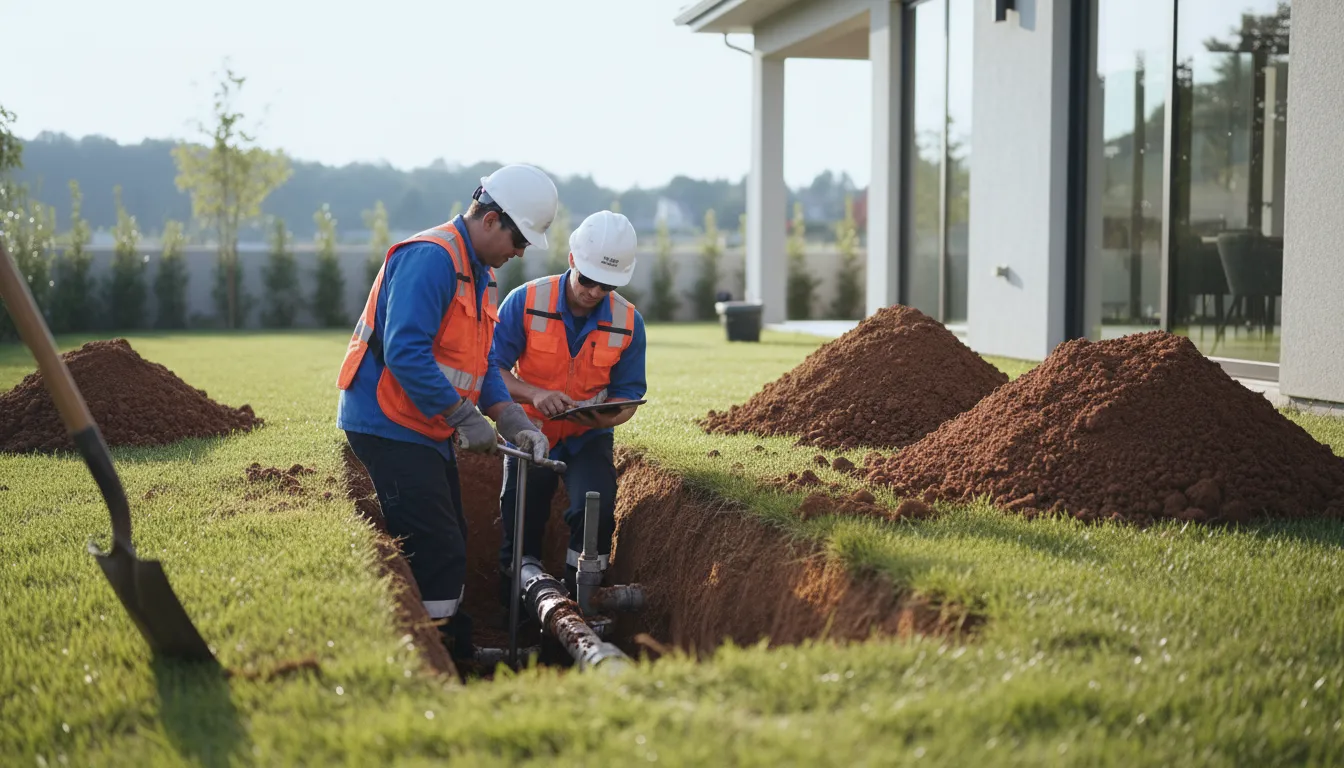
Find the Best Septic System Repair Companies for Your Business
No obligation • Fast responses • Nationwide coverage

Why you can trust Septic Spot
Septic Spot is a leading United States resource for understanding and comparing septic services. Our editors review providers using consistent criteria and verify key business details. Listings and scores are independent, and companies cannot pay to influence our content.
Search providers near you
Top Septic System Repair Companies in Union City, California Ranked
If you're a homeowner in Union City dealing with a failing septic system, timely and proper repairs are crucial for protecting your property, your health, and the local environment. Septic system maintenance and septic tank repair are specialized services that ensure wastewater from your home is safely processed and treated. This guide will help you understand the common issues, regulatory requirements, and typical costs associated with septic system repair in Union City, so you can make informed decisions when selecting a qualified local professional.
Caccia Home Services
1660 Gilbreth Rd, Burlingame, CA 94010
Caccia Home Services is a septic system repair company based in San Jose, CA. They provide a wide range of plumbing and septic services, including hydro jetting, sewer line repair, trenchless sewer services, and septic tank repair. Their capabilities extend to water treatment, water heaters, and emergency plumbing. The company also offers electrical services such as EV charger installation and lighting upgrades. Caccia Home Services covers maintenance, repair, and installation needs for both residential and commercial clients.
Trinity Liquid Waste Services
San Jose, CA
Trinity Liquid Waste Services provides septic tank pumping, inspection, repair, and maintenance services for residential and commercial clients in San Jose, CA. The family-owned company offers a wide range of septic system solutions including grease trap pumping, sewage ejector tank maintenance, and water jetting to keep systems functioning properly. They also handle storm drain cleaning and provide 24/7 same-day service for urgent septic issues. Their team is experienced in addressing common septic problems caused by household appliance overuse and sediment buildup, helping customers maintain optimal system performance.
PICHANGA PUMPING SERVICE LLC
901 N Rengstorff Ave, Mountain View, CA 94043
PICHANGA PUMPING SERVICE LLC is a family-owned business with over 10 years of experience, serving San Jose, CA. They provide septic tank pumping, inspection, repair, and installation services. The company uses specialized equipment for camera inspections and locating issues within pipes and sewer lines. They also offer restroom rentals. Pichanga Pumping Service provides after-hours and emergency services for added convenience.
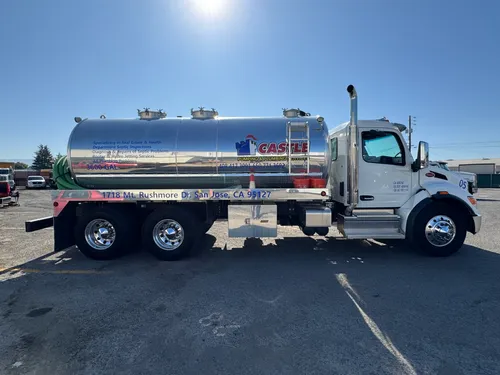
Castle Pumping and Plumbing Services
San Jose, CA
Castle Pumping and Plumbing Services is a locally owned company based in San Jose, CA, offering comprehensive septic system services including pumping, inspections, repairs, and installations. With over 32 years of experience, they serve residential and commercial properties in the San Jose area. Their expertise includes locating septic tanks, performing detailed inspections of tank components, and specialized outflow line exploration to diagnose backups without unnecessary replacements. The company uses advanced equipment and techniques to maintain and repair septic systems, ensuring long-lasting functionality.
Williams Sanitary Service Inc
Oakland, CA
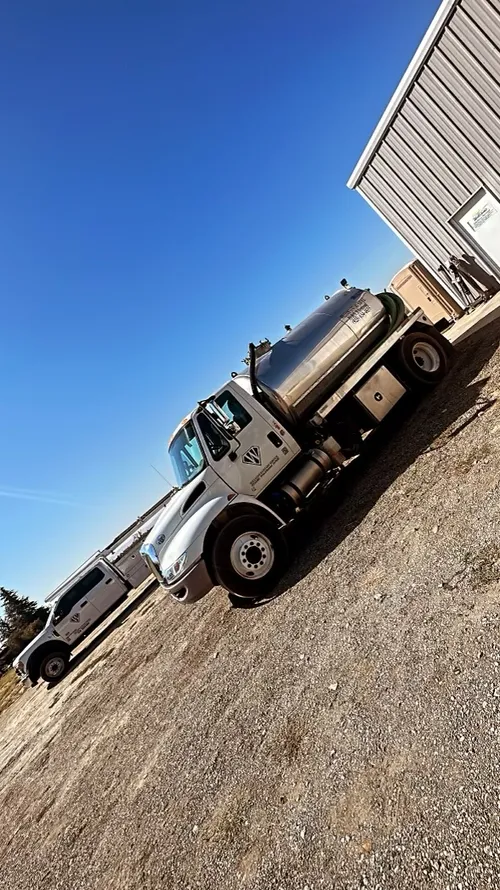
Williams Sanitary Service Inc is a family-owned septic system company serving Oakland, CA, and surrounding areas since 1950. They provide a full range of septic services including pumping, inspection, repair, and installation for both residential and commercial clients. The company also offers general plumbing services such as drain cleaning and water heater repair. Williams Sanitary Service Inc is equipped to handle all sizes of septic jobs across Contra Costa and Alameda Counties and offers 24/7 service availability.
Understanding Your Septic System and Common Failures
A residential septic system is an on-site wastewater treatment structure, typically consisting of a tank and a soil absorption field (drain field). Understanding its basic components is the first step in identifying problems. Wastewater from your home flows into the septic tank, where solids settle and begin to decompose. The liquid effluent then flows out to the drain field, where it percolates through the soil for final treatment.
Failures can occur in any part of this system. Common signs you may need septic repair services include:
- Slow-draining sinks, tubs, or toilets.
- Gurgling sounds in your plumbing.
- Sewage odors in your yard or home.
- Wet, soggy, or unusually lush green patches over the drain field.
- Sewage backing up into household drains.
Ignoring these signs can lead to more extensive damage, environmental contamination, and significantly higher costs. In Union City, surfacing effluent is a serious public health concern and requires immediate attention from a certified professional 1.
New Jersey and Union City Regulations for Septic Work
All septic system repairs in New Jersey, including those in Union City, are governed by the New Jersey Department of Environmental Protection (NJDEP). The local health department is the primary approval authority for systems discharging less than 2,000 gallons per day 2.
Permit Requirements: A permit is required for virtually any significant septic system work. This includes new installations, complete system replacements, drain field expansions, and crucially, any repair project with an estimated cost over $1,000. Even for repairs under that threshold, it's wise to consult the local health department to ensure compliance.
The Permit Process: The process for obtaining a repair permit often involves several steps:
- Site Evaluation and Soil Testing: A licensed site evaluator or engineer must assess your property. Percolation tests and deep hole tests determine soil suitability and are a foundational part of the design. These tests typically cost between $500 and $1,500.
- Engineering Design: For major repairs or replacements, a professional engineer must create a system design that complies with NJDEP standards. Design fees can range from $2,000 to $4,000.
- Municipal Review and Fees: Your application, including the design and test results, is submitted to the local health department for review. Municipal permit fees for septic work in New Jersey generally range from $250 to $1,500.
All repairs must use state-approved materials and follow NJDEP design regulations to ensure long-term functionality and environmental safety 3.
Types of Septic Repairs: From Minor Fixes to Major Overhauls
Septic system issues range from simple component failures to complete system breakdowns. Identifying the scope is key to planning and budgeting.
Minor Repairs: These are often contained within the tank itself.
- Baffle Replacement: The inlet or outlet baffles prevent scum and solids from exiting the tank. If broken, they must be replaced, typically costing between $800 and $1,500.
- Riser and Lid Replacement: Installing or replacing access risers and secure lids makes future maintenance and pumping easier and safer. This is a relatively low-cost repair.
- Pump Repair or Replacement: For systems with a pump to move effluent to the drain field, pump repairs or replacements are common and cost between $800 and $2,500.
Component Replacement: This involves work on key distribution elements.
- Distribution Box Repair: The "D-box" evenly distributes effluent to the drain field lines. Repairing or replacing it is more involved, with costs ranging from $1,200 to $3,000.
Major Repairs and System Replacement: When the drain field fails or the tank itself is compromised, work becomes extensive.
- Drain Field Modification: This can involve installing new leach lines, a replacement field, or advanced treatment systems. It is a major excavation project.
- Full System Replacement: If the tank is damaged or the entire system is obsolete, a full replacement is necessary. In Northern New Jersey, including areas like Union City, the cost for a complete new septic system installation ranges from $35,000 to $60,000 or more, depending on site conditions and system type.
Find the perfect septic system repair companies for your needs
Get personalized recommendations and expert advice
The Role of Inspections in Diagnosing Repair Needs
Before any repair plan is finalized, a thorough inspection by a certified professional is essential. For property transfers in New Jersey, a formal inspection is often required. A comprehensive inspection typically includes:
- Site Inspection: The professional will look for visual evidence of failure, such as surfacing effluent or soggy ground over the drain field.
- Tank Pumping and Inspection: The tank is pumped out so the inspector can examine the interior for cracks, baffle integrity, and sludge/scum levels. Regular pumping every 3-5 years is a critical part of maintenance that can prevent many repair issues.
- Hydraulic Loading Test: Often required for vacant homes or to diagnose drain field issues, this test involves running a significant amount of water through the system to see if the drain field can properly absorb it 4.
- Reporting: The inspector provides a detailed report of their findings, which is used to determine the necessary repairs and is often submitted to the local health department as part of the permit application 5.
Cost Breakdown for Septic Repairs in Union City
Understanding potential costs helps homeowners budget for septic system upkeep. Prices can vary based on the contractor, the complexity of the job, and specific site conditions in Union City.
- Permit and Design Fees: As noted, soil tests ($500-$1,500), engineering design ($2,000-$4,000), and municipal permit fees ($250-$1,500) are often the first costs encountered for permitted repair work 6 7.
- Minor Repairs: Fixing a broken baffle or replacing a pump generally falls in the $800 to $2,500 range.
- Component Repairs: Repairing or replacing a distribution box typically costs between $1,200 and $3,000 8.
- Major System Replacement: A full septic system replacement is a major investment, with total costs typically between $35,000 and $60,000 in this region 9.
It's important to get multiple detailed estimates from licensed and insured professionals. The lowest bid is not always the best value; ensure the estimate includes all necessary permits, design work, materials, labor, and site restoration.
Maintaining Your System to Avoid Costly Repairs
The best repair is the one you can prevent. Proactive maintenance is the most cost-effective strategy for septic system ownership.
- Pump Regularly: Have your tank pumped by a professional every 3 to 5 years, depending on household size and usage 10.
- Conserve Water: Spread out laundry loads and fix leaky fixtures to avoid overloading the system.
- Mind What You Flush: Never flush anything besides human waste and toilet paper. Avoid pouring grease, chemicals, or medications down the drain.
- Protect the Drain Field: Never park vehicles or build structures over the drain field. Keep roof drains and sump pumps directed away from it.
By following these guidelines and addressing small issues promptly, you can extend the life of your septic system and avoid the need for major, disruptive repairs.
Frequently asked questions
Sources
Footnotes
-
SEPTIC - NJ.gov - https://dep.nj.gov/wp-content/uploads/dwq/pdf/septicmn.pdf ↩
-
NJDEP| Division of Water Quality | Permitting Information - https://dep.nj.gov/dwq/wastewater/septic-systems/permitting-information/ ↩
-
New Jersey Septic Tank Rules And Regulations - https://www.arrowsewernj.com/blog/septic-tanks-in-new-jersey-what-you-need-to-know/ ↩
-
A Guide for Homeowner's Septic Systems - http://englishsewage.net/wp-content/uploads/2016/12/511129_-English-HomeownersGuide_2017_final.pdf ↩
-
Septic System Inspections - RUcore - https://rucore.libraries.rutgers.edu/rutgers-lib/28214/PDF/1/play/ ↩
-
NJ Septic Regulations for 2026: Inspections, Permits & Rules - https://www.atsenvironmental.com/blog/nj-septic-regulations-for-2026/ ↩
-
Navigating Septic System Regulations: Expert Guidance for New Jersey Property Owners - https://www.mapengineering.net/navigating-septic-system-regulations/ ↩
-
Septic Repair vs Replacement in NJ: Costs & Signs - https://www.atsenvironmental.com/blog/septic-repair-vs-replacement/ ↩
-
How Much Does It Cost To Replace A Septic System In Northern NJ? - https://dsepticservice.com/b/septic-system-replacement-cost-new-jersey/ ↩
-
New Jersey Septic System Rules - 2026 Guide - https://thesewerkings.com/blog/new-jersey-septic-system-rules/ ↩