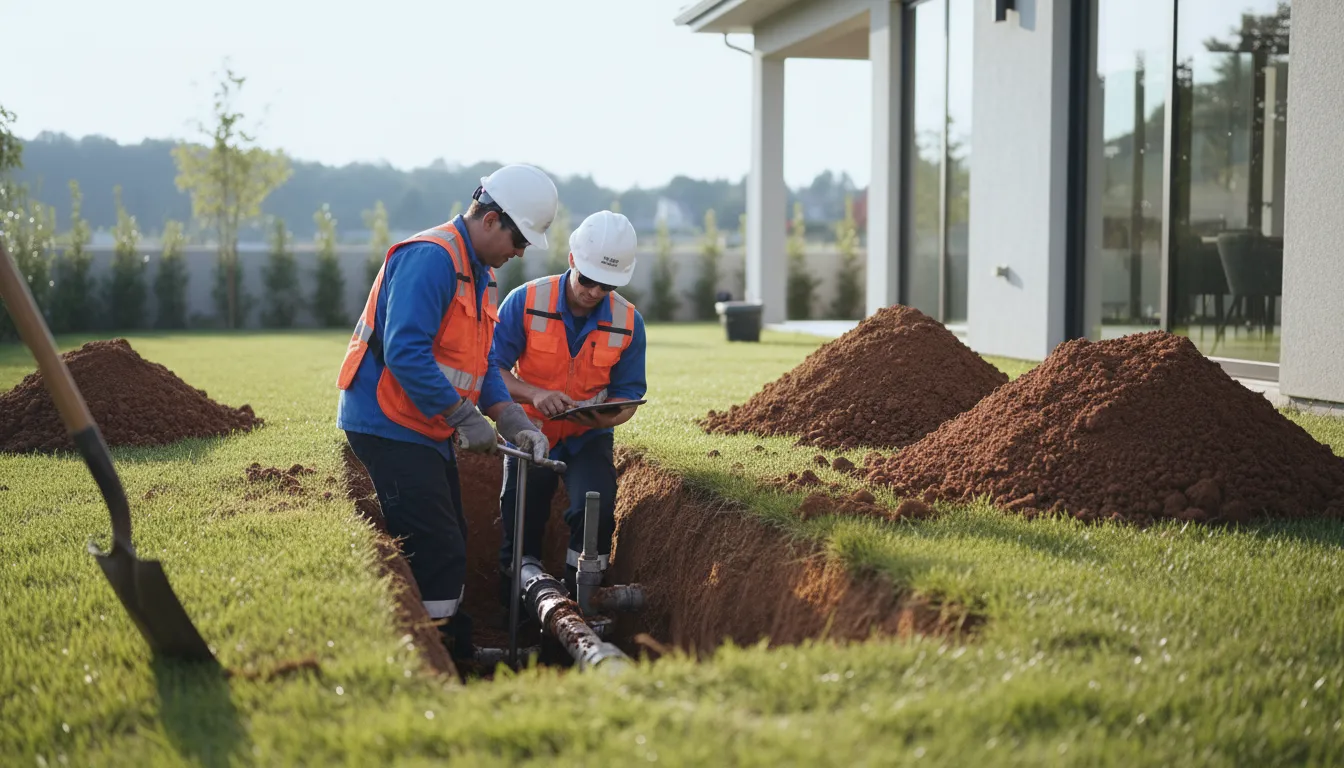
Find the Best Septic System Repair Companies for Your Business
No obligation • Fast responses • Nationwide coverage

Why you can trust Septic Spot
Septic Spot is a leading United States resource for understanding and comparing septic services. Our editors review providers using consistent criteria and verify key business details. Listings and scores are independent, and companies cannot pay to influence our content.
Search providers near you
Top Septic System Repair Companies in Watsonville, California Ranked
Maintaining a functional septic system is a critical responsibility for homeowners in Watsonville. Given the city's location near sensitive watersheds and Monterey Bay, proper septic tank maintenance and timely repairs are not just about household convenience-they are essential for protecting local water quality and public health. This guide explains the process, regulations, and costs associated with septic system repair in Watsonville, helping you understand what to expect and how to connect with qualified local professionals for your wastewater needs.
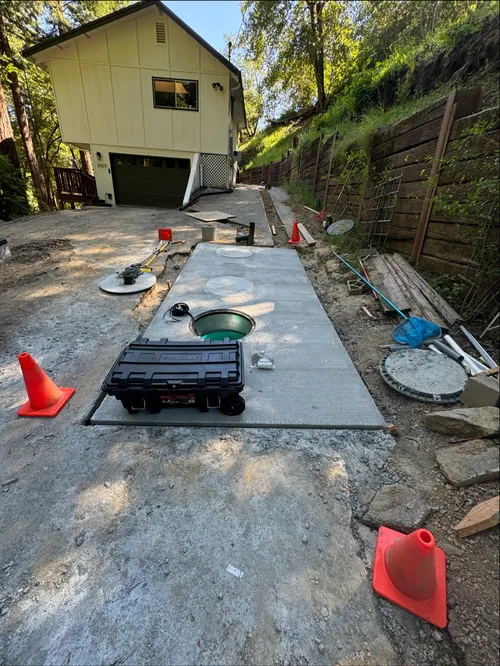
Wade's Plumbing & Septic
San Jose, CA
Wade's Plumbing & Septic is a family-owned company serving San Jose, CA, and licensed in California and Georgia. They specialize in septic tank pumping, inspection, repair, and installation, with a focus on enhanced treatment systems designed for challenging sites such as steep slopes, limited space, and environmentally sensitive areas. Their services include plumbing repairs and preventative maintenance, delivered by licensed professionals since 2021. Wade's offers upfront flat-rate pricing and emphasizes honest recommendations without upselling. They operate during regular business hours on weekdays.
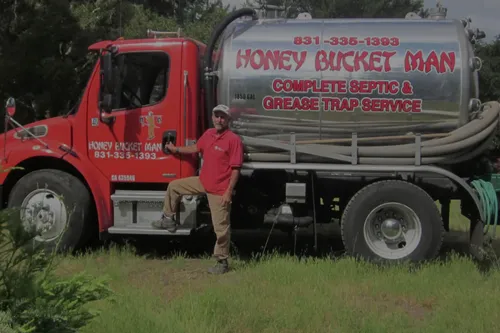
The Honey Bucket Man
6116 CA-9 # D, Felton, CA 95018
The Honey Bucket Man is a septic service provider located in San Jose, CA. They offer septic system cleaning, minor repairs, tank locating and uncovering, real estate inspections, and installation of new lids. Their services cover a range of septic system needs, including troubleshooting common problems to maintain system function.
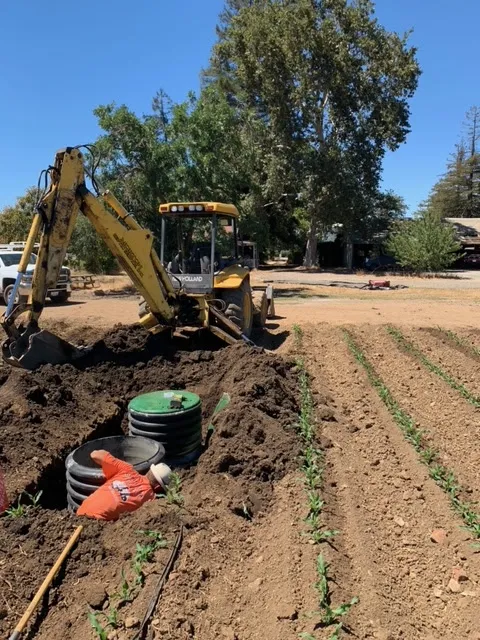
Morton Septic Service Inc
905 Lena Ave, Gilroy, CA 95020
Morton Septic Service Inc is a septic system repair and installation company serving San Jose, CA, and nearby areas including South San Jose, San Martin, Gilroy, and Morgan Hill. The company offers a variety of septic services such as repairs and installations. With over 49 years of experience, Morton Septic Service Inc has developed extensive expertise in handling septic systems.
Environmental Septic Solution
Stockton, CA
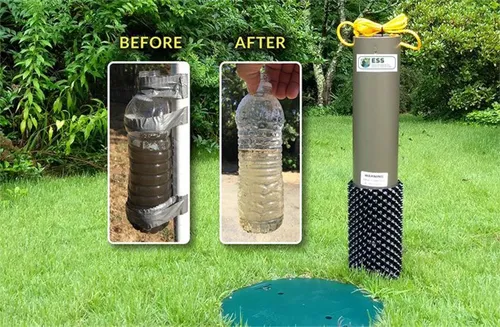
Environmental Septic Solution is a septic system service provider based in Stockton, CA. They specialize in septic tank pumping, inspection, repair, and drain field restoration using a proprietary aerobic bacteria technology. This system is designed to break down organic waste and biomat buildup, helping to avoid costly and invasive drain field replacements. Since 2007, they have offered solutions that can restore failing septic systems and reduce the need for frequent pumping. Their approach aims to maintain septic system function while protecting the environment.
Understanding Watsonville's Septic System Regulations
Septic system work in Watsonville falls under the jurisdiction of the Santa Cruz County Environmental Health Department (SCCEH). The county enforces strict rules to prevent contamination, especially in areas near water supply watersheds and the Monterey Bay National Marine Sanctuary. As a homeowner, you are legally responsible for the maintenance and proper function of your onsite wastewater treatment system (OWTS). For any significant repair, reconstruction, or upgrade, you must obtain a permit from the county before work begins 1.
A crucial local rule is the Point of Sale requirement. If you are selling your property, you must have your septic system inspected and pumped by a licensed professional within six months prior to the transfer of ownership. If that inspection reveals a failing system, repairs must be completed by the seller before the sale closes, or the responsibility can be formally transferred to the buyer, who then has 90 days from escrow closing to complete the necessary fixes 2.
The Septic System Inspection Process
Before any repair can be planned, a thorough inspection by a licensed professional is necessary to diagnose the problem. This is especially true for point-of-sale transactions but is also the first step for any suspected issue. A standard inspection process in Watsonville includes:
- Locating the System: The technician will locate the tank and the drain field (leach field), which may require probing or referencing old property records.
- Exposing the Tank: The manhole cover and inspection ports are uncovered, which may involve some digging.
- Measuring Solids: A calibrated tool measures the levels of sludge and scum inside the tank to determine if pumping is needed and to check for potential clogging 3.
- Structural Evaluation: The inspector checks the tank walls, inlet and outlet baffles, and the effluent filter for cracks, leaks, or corrosion 4.
- Functional Check: Water may be run through the system to observe inflow and outflow. The drain field area is also inspected for signs of failure, such as soggy soil, ponding, or unpleasant odors 5.
- Reporting: A formal report is generated. For point-of-sale inspections, this report must be submitted to the SCCEH 6.
Inspection costs in the region typically range from $100 to $200 for a standard inspection, while more comprehensive inspections using camera scopes can cost between $250 and $1,175 or more 7.
Common Septic Repairs and Their Costs
The scope and cost of septic system fixes in Watsonville can vary widely based on the problem. Here's a breakdown of common issues and their associated price ranges for California 8 9.
Minor Repairs and Component Replacement
These are the most common and least expensive fixes, often addressing wear and tear.
- Replacing Baffles or Effluent Filters: Broken or deteriorated baffles (which control the flow of wastewater in and out of the tank) or clogged filters need replacement to prevent solids from entering the drain field. Cost: $250 - $1,500.
- Fixing Manhole Risers: Installing or repairing risers to bring access ports to ground level for easier future maintenance. Cost: $300 - $1,200.
- Repairing Sewer Lines: Fixing cracked or damaged pipes connecting your home to the septic tank. Cost: $1,000 - $4,000.
Major Drain Field Issues
When the soil absorption area fails, repairs become significantly more complex and costly.
- Drain Field Repair or Replacement: If the leach field is saturated and no longer absorbing effluent, it may need extensive repair or a full replacement. This involves heavy excavation and new perforated piping in clean soil. Cost: $5,000 - $15,000+ 10 11.
Full System Replacement and Upgrades
In cases of catastrophic tank failure or when regulatory upgrades are required, a full replacement is necessary.
- Tank Replacement: Removing an old, compromised tank and installing a new one. Cost: $9,500 - $15,000.
- Enhanced Treatment System (ETS): In environmentally sensitive areas designated by the county, standard repair may not be allowed. The SCCEH may require an upgrade to an advanced, nitrogen-reducing ETS. Cost: Can exceed $20,000+ 12.
Find the perfect septic system repair companies for your needs
Get personalized recommendations and expert advice
Navigating Permits and Emergency Repairs
Never skip the permit process. Starting repair work without the required Santa Cruz County permit can result in double fees. The permit application ensures your planned work meets all health and safety codes. Permit fees vary depending on the project's scope.
However, the county does recognize emergencies. If you have a sudden system failure that poses an immediate health hazard (like surfacing sewage), you may begin emergency repairs without a permit in hand. You must contact the Environmental Health Department to get approval for the emergency work, and then you are required to submit the formal permit application within three business days 13.
It's also important to understand the difference between a "repair" and an "upgrade." If your home has been expanded by more than 500 square feet or has more bedrooms than your original system was designed to handle, the county will likely require the system to be brought up to current "upgrade" standards rather than simply repaired to its old design 14. Always consult with the SCCEH or a licensed professional to determine which path applies to your situation.
Maintaining Your System to Avoid Costly Repairs
The best repair is the one you never have to make. Proactive maintenance is the most cost-effective strategy for Watsonville septic system owners.
- Regular Pumping: Have your tank pumped by a licensed liquid waste hauler every 3 to 5 years. This prevents sludge and scum from overflowing into the drain field, which is a leading cause of failure. Pumping in the area typically costs between $350 and $1,000 15.
- Conserve Water: Reduce the flow into the system by fixing leaks, using high-efficiency fixtures, and spreading out laundry loads.
- Mind What You Flush: Only human waste and toilet paper should go down the drain. Avoid chemicals, grease, diapers, wipes (even "flushable" ones), and coffee grounds.
- Protect the Drain Field: Never drive or park vehicles over the leach field, and keep rainwater drainage systems directed away from it.
By following these guidelines and addressing small issues promptly, you can extend the life of your septic system and avoid the major expense and disruption of a large-scale septic system restoration or drain field renovation.
Frequently asked questions
Sources
Footnotes
-
OWTS Repair - https://scceh.com/NewHome/Programs/LandUse/OWTSRepairUpgrades/OWTSRepair.aspx ↩
-
Seller Transfer of Responsibility to Buyer for Septic Repair - scceh.org - https://scceh.com/Portals/6/Env_Health/Land%20Use/Land%20Use%20Documents/Seller%20Transfer%20of%20Responsibility.pdf ↩
-
Pumping and Inspecting Your System - Indian Health Service - https://www.ihs.gov/california/index.cfm/offices/oehe/dsfc/drinking-water-and-sanitation/maintaining-your-septic-system-guide/pumping-and-inspecting-your-system/ ↩
-
Septic Tank Testing & Inspection | What to Expect Guide | Blog - https://www.blueribbonseptic.com/blog/septic-tank-testing-and-inspection ↩
-
Septic Inspection Process: What Homeowners Should Know ... - https://www.lunspro.com/vlog/the-septic-system-inspection-process-what-homeowners-should-know ↩
-
County of Santa Cruz - scceh.org - https://scceh.com/Portals/6/Env_Health/Land%20Use/Land%20Use%20Documents/POS%20Evaluation%20Program.pdf ↩
-
Common Septic Tank Repairs In California (& What They Cost) - https://cacciaplumbing.com/blog/common-septic-tank-repairs-in-california/ ↩
-
How Much Does Septic System Repair Really Cost in California - https://www.lanikseptic.com/septic-repair-cost/ ↩
-
Common Septic Tank Repairs In California (& What They Cost) - https://cacciaplumbing.com/blog/common-septic-tank-repairs-in-california/ ↩
-
Septic Tank Repair Cost in 2026 - Modernize - https://modernize.com/plumbing/septic-tank-repair-cost ↩
-
How Much Do Septic Tank Repairs Cost? [2025 Data] - HomeAdvisor - https://www.homeadvisor.com/cost/plumbing/repair-a-septic-tank/ ↩
-
ENHANCED TREATMENT SYSTEM REGULATIONS - scceh.org - https://scceh.org/Portals/6/Env_Health/water_resources/sewage_disposal/Enhanced_Treatment_System_Regulations-EHS-287.pdf ↩
-
Santa Cruz County Code - https://scceh.com/Portals/6/Env_Health/LAMP/AppASewageOrdinance.pdf ↩
-
OWTS Repair & Upgrades - https://scceh.com/NewHome/Programs/LandUse/OWTSRepairUpgrades.aspx ↩
-
The Californian's Guide To Septic Tanks - https://cacciaplumbing.com/blog/california-septic-tank-guide/ ↩