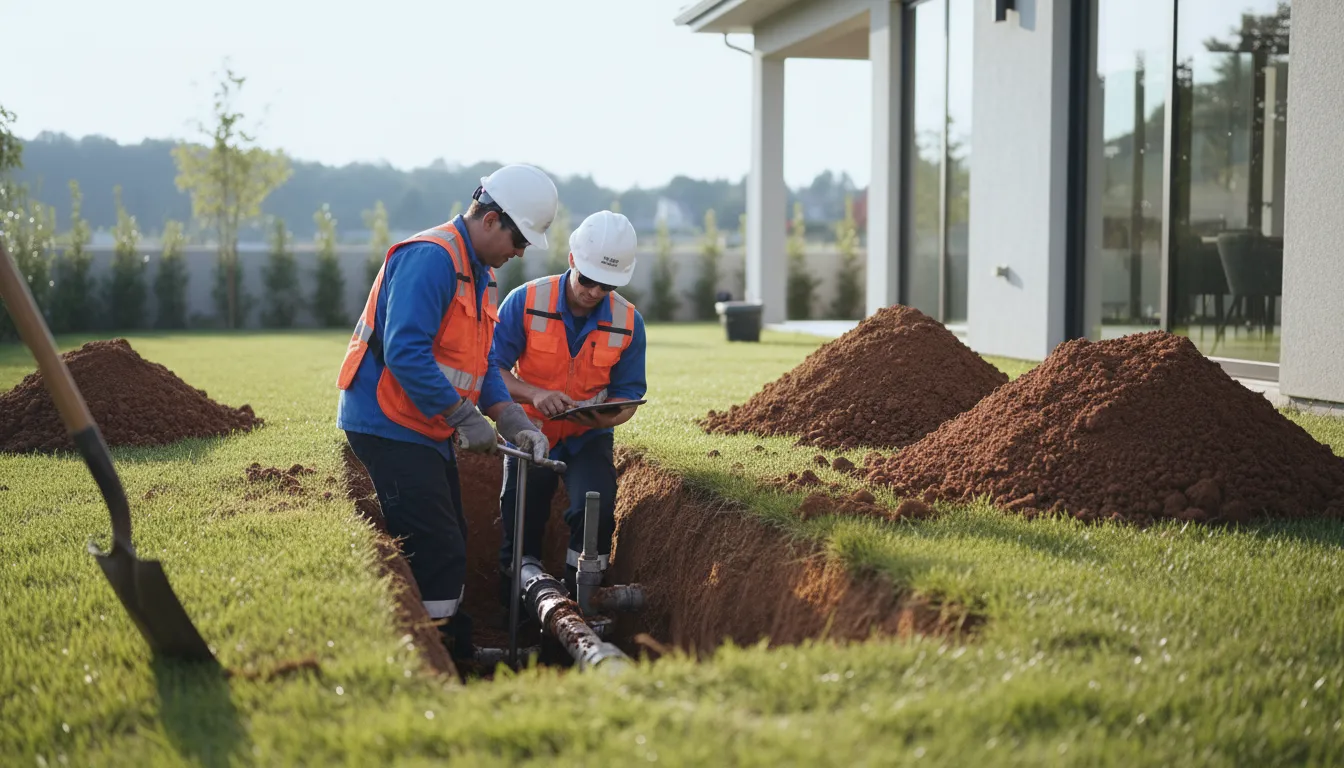
Find the Best Septic System Repair Companies for Your Business
No obligation • Fast responses • Nationwide coverage

Why you can trust Septic Spot
Septic Spot is a leading United States resource for understanding and comparing septic services. Our editors review providers using consistent criteria and verify key business details. Listings and scores are independent, and companies cannot pay to influence our content.
Search providers near you
Best Septic System Repair Companies in Colorado Ranked
Maintaining a functional septic system is crucial for protecting your property, your health, and Colorado's environment. When issues arise, timely and proper repairs are essential to prevent system failure, which can lead to costly property damage and environmental contamination. This guide provides Colorado homeowners with clear, actionable information on navigating the repair process, understanding state and local regulations, and making informed decisions about their on-site wastewater treatment system (OWTS).
Dan's Drains and Digs
216 S Chestnut St, Colorado Springs, CO 80905
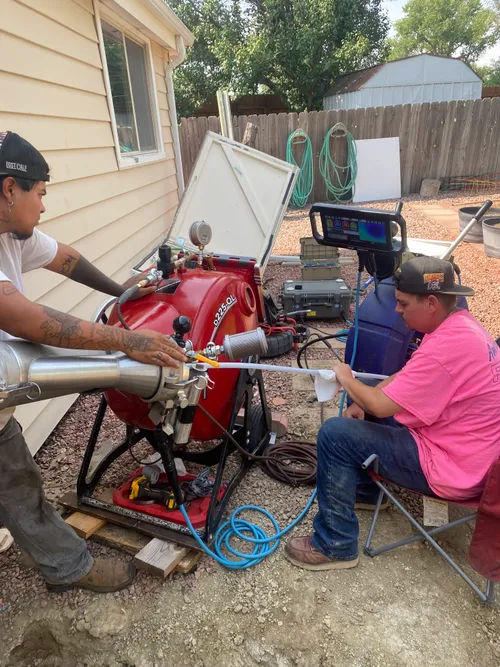
Dan's Drains and Digs is a septic tank inspection, repair, and installation company based in Colorado Springs, CO. They provide a range of underground plumbing services including drain and sewer cleaning, underground line replacement and repairs, video camera inspection, and septic system installation. One of their notable capabilities is sewer pipe lining, which they have successfully applied to complex projects involving old clay sewer lines. The business is known for handling both routine and major underground plumbing issues efficiently.
NoCo Septic & Excavation
Greeley, CO
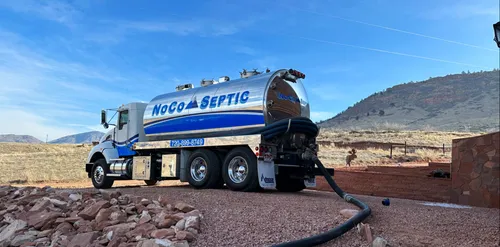
NoCo Septic & Excavation is a septic tank pumping, repair, and installation company based in Greeley, CO. Serving Boulder County and surrounding areas, they offer expert septic services with a focus on quality and customer information. Established in 2016, the company brings experience from water treatment and public works to ensure dependable septic solutions.
High Country Sewer & Septic
1895 Main St, Colorado Springs, CO 80911
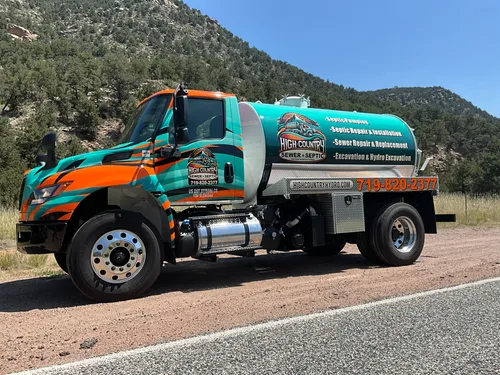
High Country Sewer & Septic is a family-owned business serving Colorado Springs, CO, and the surrounding Front Range area. They offer comprehensive septic services including tank pumping, inspections, installations, repairs, and drain field restoration. The company manages all aspects of septic system care, from permits and inspections to excavation and settling checks, ensuring a streamlined process without the need for multiple contractors. With over 14 years of experience, they understand the unique challenges posed by local soil and elevation conditions. Their work is backed by five-year warranties and $2 million in insurance coverage. Same-day estimates and owner involvement on every project provide added assurance. They also offer after-hours communication to support emergency needs.
TCS Septic
1301 S 8th St, Colorado Springs, CO 80905
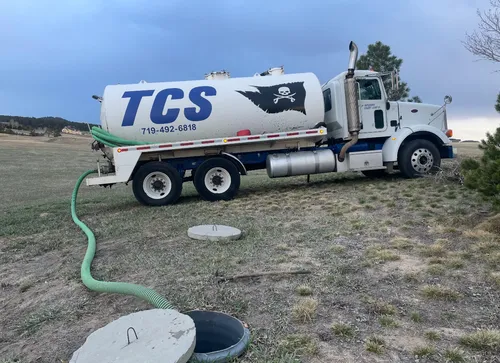
TCS Septic is a septic tank pumping, inspection, repair, and installation company based in Colorado Springs, CO. They provide services for both residential and commercial clients, including septic system design and installation tailored to urban or rural settings. TCS Septic also handles septic and sewer system repairs and inspections, working with local contractors and government agencies to ensure compliance and efficiency. Their capabilities include septic system design and maintenance to prevent emergencies.
Douglas County Septic
Denver, CO
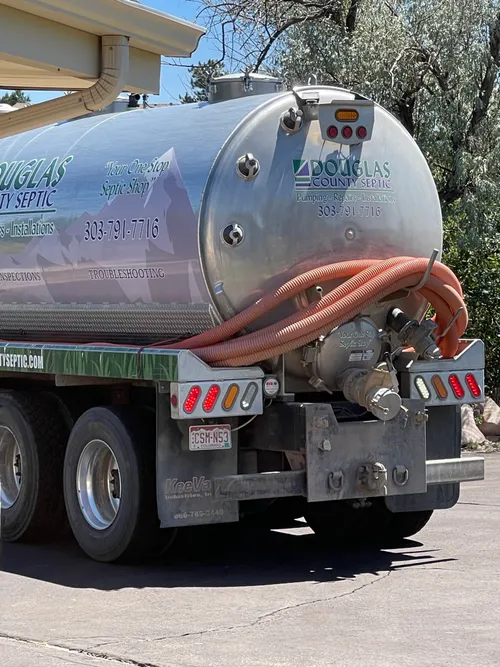
Douglas County Septic offers full-service septic system installation, maintenance, cleaning, troubleshooting, and repair in Denver, CO. They serve a variety of clients including homeowners, businesses, schools, golf courses, parks, government entities, homeowners associations, and builders in the south metro Denver area. Their services cover septic tank pumping, repairs, and installations.
Understanding Colorado's Septic System Regulations
All residential septic systems in Colorado are governed by Regulation 43, administered by the Colorado Department of Public Health and Environment (CDPHE) and enforced by local public health agencies 1. This regulation sets the minimum standards for the design, construction, repair, and alteration of on-site wastewater treatment systems.
A fundamental rule for homeowners is that a permit is always required from your local county health department before beginning any repair, alteration, or replacement of your system 2. Starting work without a permit can result in fines and may complicate the process of getting your system legally approved later. These repair permits typically have a validity period, often expiring within 180 days if work is not commenced.
For minor fixes, the permit process may be straightforward. However, for significant repairs or modifications-especially those involving the drain field or a full replacement-the local health department will likely require a system design stamped by a Colorado-licensed Professional Engineer (PE) 3. This ensures the repair meets all technical and environmental standards.
Common Septic System Problems in Colorado
The specific challenges your system faces often depend on Colorado's diverse geography and climate. Common issues that necessitate repair include:
- System Age and Wear: Components like pipes, baffles, and tanks degrade over time.
- Clogs and Blockages: From non-biodegradable materials, excessive grease, or root intrusion.
- Hydraulic Failure: When the drain field becomes saturated and can no longer absorb effluent, often signaled by soggy ground or sewage backups.
- Structural Damage: Cracked tanks or crushed pipes due to soil shifting, freezing, or pressure from vehicles or heavy objects placed over the system.
Colorado's specific environmental conditions can exacerbate these problems. In areas with high groundwater tables (less than 4 feet from the surface) or shallow bedrock, systems may fail because they cannot maintain the required vertical separation distance. Similarly, poor soil percolation rates in certain clay-heavy or rocky soils can lead to premature drain field failure.
The Repair Process: From Diagnosis to Completion
A successful repair follows a logical sequence. Skipping steps often leads to more expense and hassle.
- Identify the Problem: Signs of trouble include slow drains, gurgling pipes, sewage odors, unusually lush grass over the drain field, or standing wastewater on the ground.
- Hire a Licensed Professional: Colorado requires that septic system repairs be performed by licensed contractors. They have the expertise to properly diagnose the issue.
- Site Evaluation and Testing: For many repairs, especially those involving the drain field, a new site evaluation may be required. This often involves digging test pits to assess soil conditions, depth to groundwater, and depth to bedrock. A percolation test may also be needed to determine the soil's absorption rate.
- Obtain the Permit: Your contractor will typically handle the permit application with the local health department, submitting any required site evaluation data or engineered designs.
- Perform the Repair: The licensed contractor completes the approved work.
- Final Inspection: The local health department inspector will visit to ensure the repair complies with the permitted plans and Regulation 43 before authorizing the system for use.
Types of Repairs and Associated Costs
Repair costs in Colorado vary widely based on the repair's complexity, system size, soil conditions, and your location. The following table and breakdown provide a realistic overview of what homeowners might expect to pay.
Typical Septic Repair Costs in Colorado
| Repair Type | Estimated Cost Range |
|---|---|
| Baffle Repair/Replacement | $300 - $900 |
| Minor Pipe/Line Repair | $500 - $2,500 |
| Tank Sealing/Patching | $500 - $2,000 |
| Drain Field Repair | $3,000 - $10,000+ |
| Major Tank Replacement | $8,000 - $15,000+ |
| Full System Replacement | $28,000 - $35,000+ |
- Minor Repairs: These are typically contained within the tank or the connecting pipes. Replacing a deteriorated inlet or outlet baffle, sealing a small tank crack, or repairing a section of clogged pipe are common examples. Costs generally range from $300 to $2,500.
- Drain Field Repairs: This is often where costs escalate. If only a portion of the leach field is failing, a "spot repair" might be possible. However, if the entire field is saturated or clogged, full replacement is usually necessary. Drain field work involves significant excavation and replacement of gravel and piping. Costs typically range from $3,000 to over $10,000, with some reports in Northern Colorado citing costs between $22,000 and $29,000 for full replacement.
- Tank Replacement: If a steel tank has corroded or a concrete tank has extensive cracking, replacement is required. This is a major excavation project. Costs for tank replacement alone can range from $3,000 to $7,000, and up to $8,000-$15,000+ depending on size and site access 4 5.
- Complete System Replacement: When both the tank and drain field fail, or when an old system cannot be repaired to meet current codes, a full new system is needed. This requires a new site evaluation, engineered design, permitting, and complete installation. In Colorado, average costs for a full system replacement can be $28,000 to $35,000 or more 6 7.
Find the perfect septic system repair companies for your needs
Get personalized recommendations and expert advice
When Engineering Solutions Are Required
In cases where a standard system repair isn't feasible due to site constraints, an engineered alternative may be the only solution. If a system failure is caused by high groundwater, poor soil, or insufficient space, the local health department will likely require a design from a Professional Engineer 8.
Common engineered solutions in Colorado include:
- Mound Systems: Effluent is pumped to a raised, constructed sand mound where treatment and absorption occur.
- Pressure-Dosed Drain Fields: Effluent is evenly distributed throughout the drain field via a pump and small-diameter pipes, improving efficiency and longevity.
- Advanced Treatment Systems: These systems add aeration or other processes to treat wastewater to a higher standard before dispersal, allowing use on challenging sites.
These systems are more complex and expensive to install and maintain but are often the key to obtaining a repair permit on difficult lots.
Choosing a Repair Contractor in Colorado
Selecting the right professional is critical. Always verify that a contractor is licensed by the state of Colorado to perform septic system work. Ask for proof of insurance and references from recent jobs. A reputable contractor will be familiar with Regulation 43 and the specific requirements of your local health department (e.g., Larimer County, Mesa County, Douglas County) 9 10 11. They should also be willing to handle the permitting process and communicate clearly about the necessary site evaluations and potential need for an engineer.
Maintaining Your System to Avoid Future Repairs
The best repair is the one you can avoid. Protect your investment with proper maintenance:
- Pump Regularly: Have the tank pumped every 3-5 years by a licensed pumper.
- Conserve Water: Fix leaks and spread out laundry loads to avoid overwhelming the system.
- Mind What You Flush: Only human waste and toilet paper should go down the drain. Avoid grease, chemicals, wipes, and other non-biodegradables.
- Protect the Drain Field: Never drive or park vehicles over it, and avoid planting trees nearby.
Frequently asked questions
Sources
Footnotes
-
COLORADO DEPARTMENT OF PUBLIC HEALTH AND ... - https://www.jeffco.us/DocumentCenter/View/1776/Regulation-43-PDF ↩
-
Basic Onsite Wastewater Treatment System (Septic) Requirements - https://nchd.org/wp-content/uploads/2024/08/2018-OWTS-Basic-System-Requirements.pdf ↩
-
Clean water: On-site wastewater treatment systems - https://cdphe.colorado.gov/OWTS ↩
-
Septic Tank Repair Cost in 2026 | Average Prices & Repair Types - https://modernize.com/plumbing/septic-tank-repair-cost ↩
-
How Much Does It Cost to Repair a Septic Tank? - https://www.wepumpitsepticservice.com/how-much-does-it-cost-to-repair-septic-tank ↩
-
Septic System Replacement Costs, Repair & Pumping in Northern CO - https://boonstraexcavation.com/septic-systems/ ↩
-
How Much Does Failed Septic System Cost? - https://www.septicconnection.com/how-much-does-failed-septic-system-cost ↩
-
Colorado Septic Tank Requirements | On-site Wastewater ... - https://www.ntotank.com/blog/colorado-septic-tank-requirements ↩
-
Septic Systems (OWTS) - | Larimer County - https://www.larimer.gov/health/environmental-health/septic-systems/septic-systems-owts ↩
-
On-site Wastewater Treatment Systems Regulations - Mesa County - https://www.mesacounty.us/sites/default/files/2025-01/On-Site%20Wastewater%20Treatment%20Services%20-%20Regulation%20Revision%20-%20Effective%2007-29-24.pdf ↩
-
Septic System FAQs - Douglas County - https://www.douglas.co.us/health-department/septic-system-faqs/ ↩