Find the Best Septic System Repair Companies for Your Business
No obligation • Fast responses • Nationwide coverage

Why you can trust Septic Spot
Septic Spot is a leading United States resource for understanding and comparing septic services. Our editors review providers using consistent criteria and verify key business details. Listings and scores are independent, and companies cannot pay to influence our content.
Search providers near you
Top Septic System Repair Companies in Denver, Colorado Ranked
A failing septic system is more than an inconvenience; it's a serious health and environmental hazard that requires immediate, professional attention. Septic system repair involves diagnosing and fixing issues with your on-site wastewater treatment system, from a clogged drainfield to a cracked tank. In Denver, these repairs are strictly regulated to protect local groundwater and public health. This guide will help you understand the repair process, local regulations, and how to connect with qualified, licensed professionals to restore your system's function.
Douglas County Septic
Denver, CO
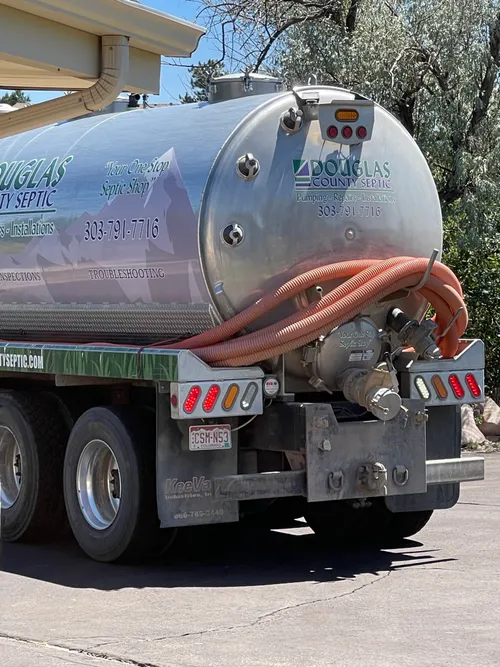
Douglas County Septic offers full-service septic system installation, maintenance, cleaning, troubleshooting, and repair in Denver, CO. They serve a variety of clients including homeowners, businesses, schools, golf courses, parks, government entities, homeowners associations, and builders in the south metro Denver area. Their services cover septic tank pumping, repairs, and installations.
Black Diamond Pumping
14037 Co Rd 8, Fort Lupton, CO 80621
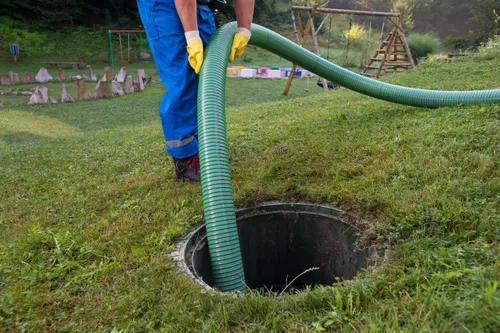
Black Diamond Pumping is a family-owned septic service company based in Fort Lupton, Colorado, serving Denver and the surrounding Northern Colorado areas including Adams, Weld, and Boulder counties. They provide a full range of septic system services such as pumping, inspections, repairs, and installations for both residential and commercial properties. With over 20 years of experience, the company is licensed and insured, equipped to handle septic tanks of all sizes, and emphasizes routine maintenance to ensure proper system function and safety.
High Performance Earthworks
50 Wolf Tongue Ct, Nederland, CO 80466
High Performance Earthworks is a septic system repair and installation contractor based in Denver, CO. They provide excavation, foundation, drainage, and full site development services, focusing on septic systems and related infrastructure for residential and commercial properties. The company is experienced in handling complex projects including foundation work and site drainage, with a strong emphasis on meeting industry standards and customer needs. Since 2015, they have completed over 250 septic system installations and more than 120 foundation projects, serving clients across Colorado's Front Range. Their team is also involved in permitting and project planning to ensure smooth execution.
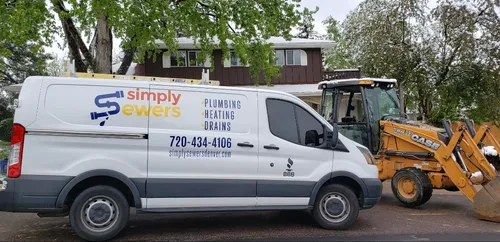
Simply Sewers - a Littleton Drain Cleaning Company
Denver, CO
Simply Sewers - a Littleton Drain Cleaning Company provides septic system repair and septic tank installation services in Denver, CO. They offer 24/7 emergency drain cleaning and sewer repair, including trenchless sewer and water line replacement, sewer camera inspections, and hydro jet drain cleaning. With over 10 years of experience serving the Denver Metro area, the company emphasizes honest estimates and thorough cleanup after service.
Mountain Contracting LLC - Sewer & Septic
Denver, CO
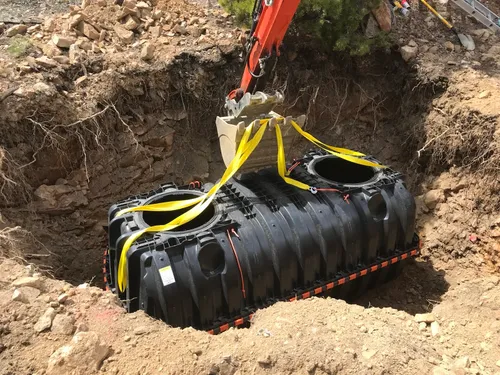
Mountain Contracting LLC - Sewer & Septic is a full-service contractor based in Denver, CO, specializing in septic system installation, repair, and maintenance as well as sewer and water line services. They handle projects from initial assessment and permitting through to completion, ensuring all work meets local health department codes. Their expertise includes working in tight excavation areas with specialized equipment. The company also offers general land clearing and excavation services. Mountain Contracting LLC aims to complete projects efficiently and correctly, providing a final walkthrough to ensure customer satisfaction. They also respond to emergencies to restore septic and sewer functions promptly.
Understanding Your Septic System and Colorado Regulations
In Colorado, septic systems are formally known as On-site Wastewater Treatment Systems (OWTS) and are governed by Colorado Regulation 43. This state-wide framework sets the standards for design, installation, maintenance, and repair to ensure safe wastewater treatment. In Denver, the Denver Department of Public Health and Environment (DDPHE), or the health department of the surrounding county if your property is in Adams, Jefferson, or Arapahoe County, enforces these rules.
The core principle is that any significant work on your system requires oversight. You cannot simply hire any contractor to dig up and fix a septic issue. The work must be performed by a licensed installer who is certified by the local county health department, and most repairs require a permit before any shovels hit the ground 1 2. This regulatory layer is crucial for ensuring repairs are done correctly and don't create future contamination risks.
Common Signs You Need Septic Repairs
Recognizing early warning signs can prevent a minor issue from becoming a catastrophic system failure. Be alert for these indicators:
- Slow Drains and Backups: Sinks, showers, and toilets that drain slowly or back up, especially after heavy water use, can signal a blockage or a failing drainfield.
- Unpleasant Odors: Foul sewage smells in your yard, particularly near the drainfield or tank area, are a clear red flag.
- Soggy Lawn or Lush Vegetation: Unexpectedly wet, spongy, or overly green patches of grass over the drainfield indicate that untreated wastewater is surfacing.
- Gurgling Sounds: Strange noises from your plumbing can point to a blockage in the pipes leading to or from the tank.
- Alarms Sounding: Many modern systems have alarms for high water levels in the tank, which signal an immediate need for pumping or investigation.
Common causes of these failures include overloading the system with too much water, physical damage from driving or building over the tank or drainfield, neglecting routine pumping (typically needed every 3-5 years), and improper disposal of grease, wipes, or harsh chemicals 3.
The Septic Repair Process: From Inspection to Completion
Professional septic repair follows a structured path to ensure compliance and lasting results.
1. Professional Inspection and Diagnosis Before any repair plan is made, a thorough inspection is essential. A qualified professional will:
- Locate the System: Find the tank and drainfield using "as-built" records or electronic probing.
- Uncover and Pump: Expose the tank access ports and pump out the contents to allow for a clear interior inspection.
- Assess Components: Check the tank for cracks, inspect inlet and outlet baffles, and examine pipes for damage or blockages.
- Evaluate the Drainfield: Probe the soil absorption area for signs of saturation, failure, or clogging4 5 6. The inspector will then provide a detailed report on the system's condition and compliance status, which is often required by the local health department to proceed7.
2. Obtaining the Necessary Permit Based on the inspection findings, your licensed contractor will determine the permit needed from the local health department:
- Minor Repair Permit (approx. $200): Required for work such as replacing a septic tank only, installing access risers, or fixing baffles8.
- Major Repair Permit (approx. $600+): Needed for any work involving the drainfield (soil treatment area), including replacement, expansion, or significant alteration9 10. Your contractor typically handles the permit application, which must be approved before repair work begins.
3. Executing the Repair With a permit in hand, the licensed installer can proceed. Common septic repairs in the Denver area include:
- Tank Repairs: Replacing broken baffles, sealing cracks, or installing risers for easier future access.
- Drainfield Rehabilitation: High-pressure jetting to clear clogged pipes or replacing sections of failed leach field lines.
- System Replacement: In cases of complete drainfield failure or severe soil clogging, a new system may need to be designed and installed, which may involve soil amendment to improve absorption11 12.
4. Final Inspection and Backfill A critical final step is the health department's final inspection. The local inspector must approve the completed repair work before the system is backfilled13. This ensures the repair meets all Regulation 43 standards and is safe for operation.
Find the perfect septic system repair companies for your needs
Get personalized recommendations and expert advice
Cost of Septic System Repairs in Denver
Repair costs can vary widely based on the issue's severity, soil conditions, system size, and local permit fees. It's important to get multiple estimates from licensed contractors. Here is a general cost range for the Denver area 14 15 16:
- Permit Fees: $200 - $1,800
- Minor Repairs (baffles, risers): $300 - $600
- Septic Pumping (often part of repair): $300 - $600
- Leach Field Replacement: $22,000 - $29,000
- Full System Replacement: $3,500 - $20,000+
The high variance in full system replacement costs is often driven by challenging soil conditions, lot size constraints, and the complexity of the new system design required by current regulations.
Maintaining Your System After Repairs
Once your system is repaired, proper maintenance is key to preventing future problems and protecting your investment.
- Adhere to a Pumping Schedule: Have your tank pumped every 3-5 years by a professional.
- Conserve Water: Spread out laundry loads and fix leaky fixtures to avoid overloading the system.
- Mind What You Flush: Only human waste and toilet paper should go down the drain. Avoid grease, wipes, feminine hygiene products, and chemicals.
- Protect the Drainfield: Never drive or park vehicles on it, and keep trees and shrubs with deep roots away from the area.
Disclaimer: Specific regulations and procedures can differ between Denver and its surrounding counties (Adams, Jefferson, Arapahoe, etc.). Always confirm requirements with your specific local health agency before proceeding with any septic system work17 18.
Frequently asked questions
Sources
Footnotes
-
Septic Systems | Adams County Health Department - https://adamscountyhealthdepartment.org/licensing-inspections/septic-systems/ ↩
-
Onsite wastewater treatment systems (OWTS) - Garfield County - https://www.garfieldcountyco.gov/environmental-health/onsite-wastewater-treatment-systems/ ↩
-
Homeowner Resources - https://www.cpow.net/resources/homeowner-resources/ ↩
-
Frequent Questions on Septic Systems | US EPA - https://www.epa.gov/septic/frequent-questions-septic-systems ↩
-
Realtors Guide to Septic Inspections in Southern Colorado - https://saveurseptic.com/wp-content/uploads/2025/02/Realtors-Guide-to-Septic-Inspections-Final.pdf ↩
-
Septic Inspection Process: What Homeowners Should Know ... - https://www.lunspro.com/vlog/the-septic-system-inspection-process-what-homeowners-should-know ↩
-
DIY vs Professional Septic Inspections: Do You Need Pro Help? - https://www.sterlingsepticandplumbing.com/blog/diy-vs-pro-septic-inspections/ ↩
-
Colorado Septic Tank Requirements | On-site Wastewater ... - https://www.ntotank.com/blog/colorado-septic-tank-requirements?srsltid=AfmBOoqM3HfYMC1QXnxRmelzQ-RHpN1_MwQF9I8-yJkQJAXwdRxW-tAt ↩
-
Colorado Septic Tank Requirements | On-site Wastewater ... - https://www.ntotank.com/blog/colorado-septic-tank-requirements?srsltid=AfmBOooyiSxnXVnd9p0Wk7LRX_gHxoKXSUf3PZtCL5hipbHk2pyTyo0t ↩
-
Septic Tank Installation Services in Denver - Elite Pipe MD - https://elitepipemd.com/septic-tank-installation-denver/ ↩
-
Preparing for Septic Tank Inspection: 7 Key Steps - https://septic911.com/preparing-for-septic-tank-inspection/ ↩
-
TOP 10 BEST Septic Services in Denver, CO - Updated 2026 - Yelp - https://m.yelp.com/search?find_desc=Septic+Services&find_loc=Denver%2C+CO ↩
-
Septic Systems (OWTS) - | Larimer County - https://www.larimer.gov/health/environmental-health/septic-systems/septic-systems-owts ↩
-
Septic System Replacement Costs, Repair & Pumping in Northern CO - https://boonstraexcavation.com/septic-systems/ ↩
-
Cost to Install a Septic System in Denver [2026 Data] - https://www.angi.com/articles/what-does-it-cost-install-septic-system/co/denver ↩
-
Get Septic Service in Denver County, CO - https://stonesepticservice.com/septic-service-denver-county-co ↩
-
Clean water: On-site wastewater treatment systems - https://cdphe.colorado.gov/OWTS ↩
-
How Much Should a Septic Inspection Cost: Ultimate Money-Saving Guide for 2025 - First Call Septic - https://www.firstcallseptic.com/septic-blog/how-much-should-a-septic-inspection-cost ↩