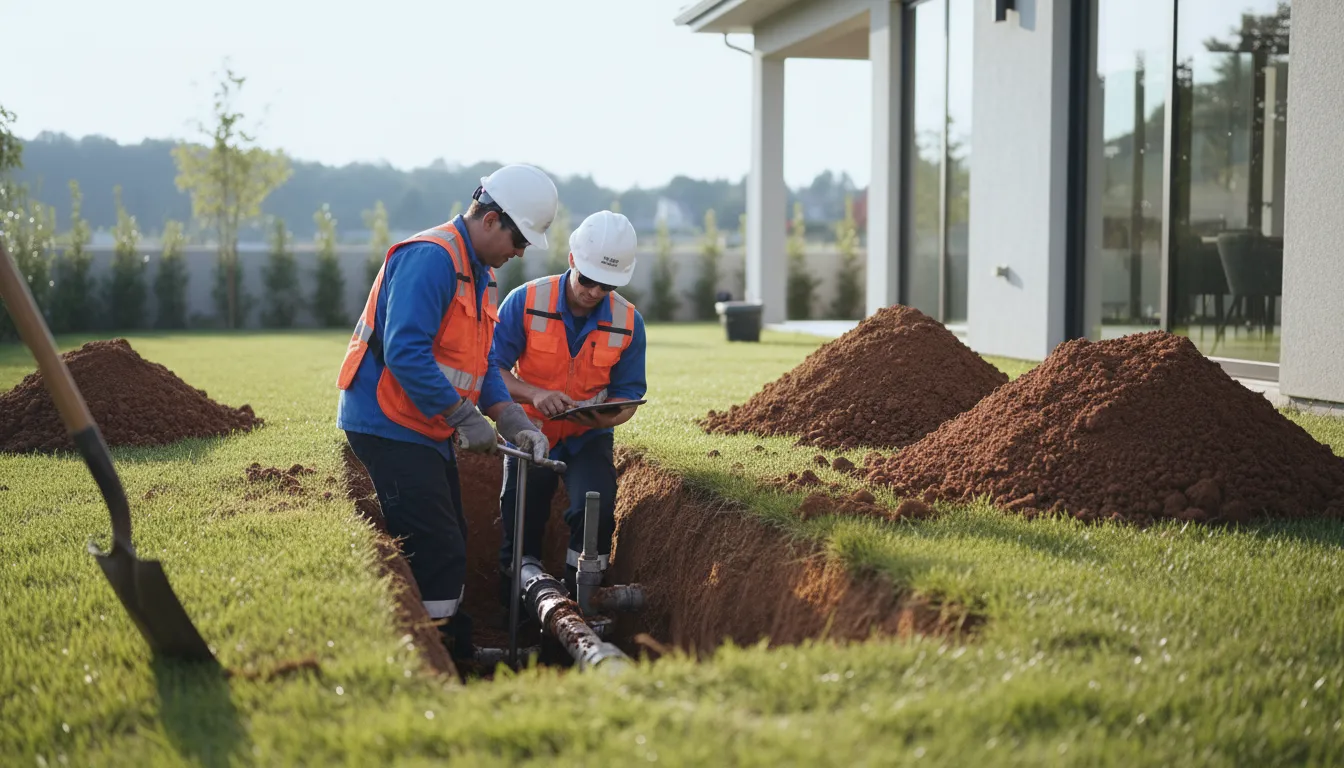
Find the Best Septic System Repair Companies for Your Business
No obligation • Fast responses • Nationwide coverage

Why you can trust Septic Spot
Septic Spot is a leading United States resource for understanding and comparing septic services. Our editors review providers using consistent criteria and verify key business details. Listings and scores are independent, and companies cannot pay to influence our content.
Search providers near you
Top Septic System Repair Companies in Colorado Springs, Colorado Ranked
A failing septic system is more than an inconvenience; it's a public health concern and a significant property issue. Septic system repair involves diagnosing and fixing problems with your on-site wastewater treatment system, from the tank to the drain field. In Colorado Springs and El Paso County, these repairs are strictly regulated to protect groundwater and ensure proper function. This guide will help you understand the local repair process, common issues, and how to navigate the requirements to find qualified professionals for your septic repair needs.
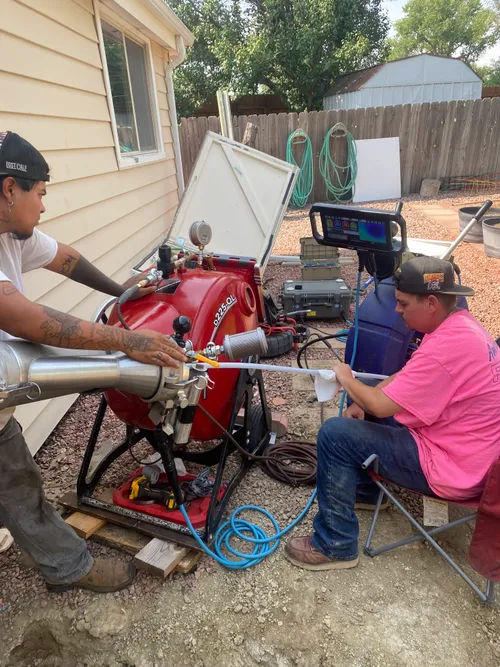
Dan's Drains and Digs
216 S Chestnut St, Colorado Springs, CO 80905
Dan's Drains and Digs is a septic tank inspection, repair, and installation company based in Colorado Springs, CO. They provide a range of underground plumbing services including drain and sewer cleaning, underground line replacement and repairs, video camera inspection, and septic system installation. One of their notable capabilities is sewer pipe lining, which they have successfully applied to complex projects involving old clay sewer lines. The business is known for handling both routine and major underground plumbing issues efficiently.
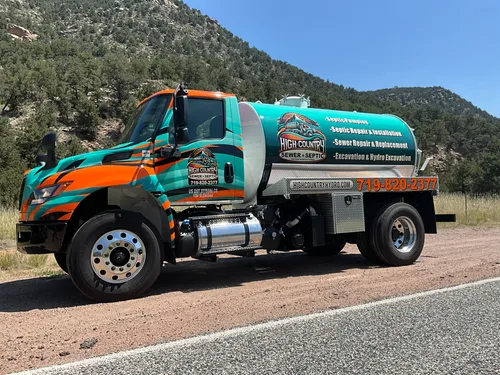
High Country Sewer & Septic
1895 Main St, Colorado Springs, CO 80911
High Country Sewer & Septic is a family-owned business serving Colorado Springs, CO, and the surrounding Front Range area. They offer comprehensive septic services including tank pumping, inspections, installations, repairs, and drain field restoration. The company manages all aspects of septic system care, from permits and inspections to excavation and settling checks, ensuring a streamlined process without the need for multiple contractors. With over 14 years of experience, they understand the unique challenges posed by local soil and elevation conditions. Their work is backed by five-year warranties and $2 million in insurance coverage. Same-day estimates and owner involvement on every project provide added assurance. They also offer after-hours communication to support emergency needs.
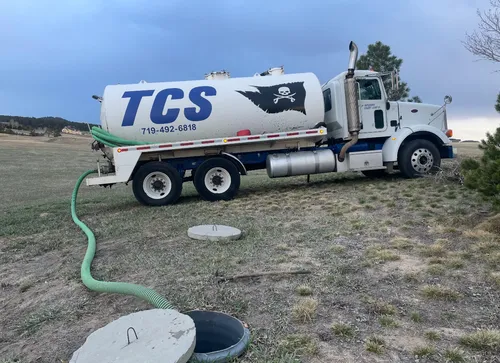
TCS Septic
1301 S 8th St, Colorado Springs, CO 80905
TCS Septic is a septic tank pumping, inspection, repair, and installation company based in Colorado Springs, CO. They provide services for both residential and commercial clients, including septic system design and installation tailored to urban or rural settings. TCS Septic also handles septic and sewer system repairs and inspections, working with local contractors and government agencies to ensure compliance and efficiency. Their capabilities include septic system design and maintenance to prevent emergencies.
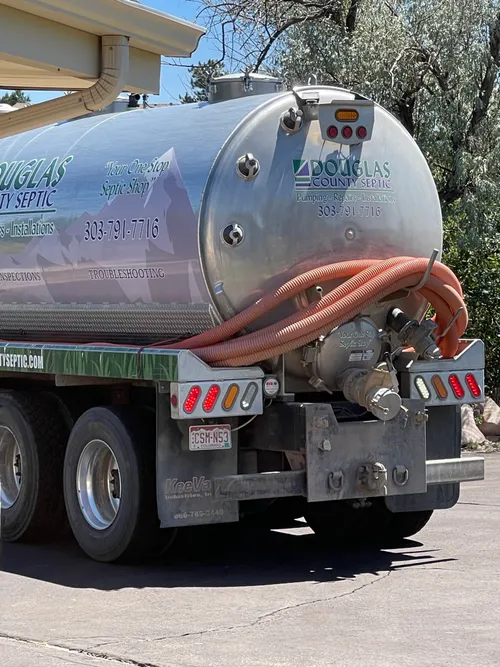
Douglas County Septic
Denver, CO
Douglas County Septic offers full-service septic system installation, maintenance, cleaning, troubleshooting, and repair in Denver, CO. They serve a variety of clients including homeowners, businesses, schools, golf courses, parks, government entities, homeowners associations, and builders in the south metro Denver area. Their services cover septic tank pumping, repairs, and installations.
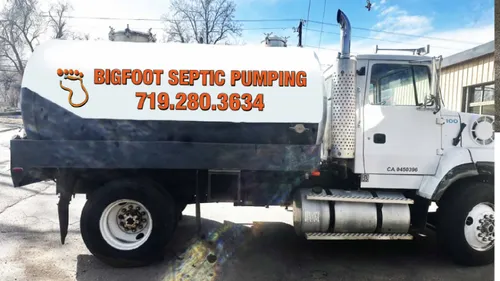
Bigfoot Septic Pumping Service
Colorado Springs, CO
Bigfoot Septic Pumping Service is a family-run business based in Fremont County, Colorado, providing septic and sewer services to residential and commercial properties in the Colorado Springs, CO area. They offer a range of services including septic tank pumping, system inspections, repairs, upgrades, and specialized solutions such as grease trap cleaning and sewer line camera inspections. With local experience, the company focuses on practical, long-term care to maintain system performance and prevent costly failures.
Understanding Septic System Regulations in El Paso County
All residential septic system repairs in Colorado Springs and El Paso County are governed by El Paso County Public Health (EPCPH) under Colorado Regulation 43 1. The state refers to these systems as On-Site Wastewater Treatment Systems (OWTS). The key rule for homeowners is that any repair involving structural changes, component replacement, or modification to the soil treatment area (drain field) requires a county permit, must be performed by a licensed OWTS installer, and must pass a final inspection by the health department 2.
This regulatory framework is designed to prevent groundwater contamination, which is a critical concern in our region. Ignoring these rules can lead to fines, legal liability, and an unresolved system failure that devalues your property.
When is a Repair Permit Required?
You need a permit for any septic work that goes beyond simple pumping or minor troubleshooting. Specifically, a permit is required if the repair involves 3 4:
- Opening the septic tank or distribution box.
- Altering or replacing any system components (like baffles, pipes, or tanks).
- Modifying, repairing, or replacing the soil treatment area (drain field).
- Addressing any issue that caused a reported system failure, such as surfacing sewage or wastewater backing into the home.
The Role of Licensed Professionals
As of January 1, 2024, a significant rule change took effect: all OWTS permit applications in El Paso County must be submitted by a licensed OWTS installer. This means you cannot pull a repair permit yourself as a homeowner. You must hire a contractor who holds this specific state license. Furthermore, for major repairs or alternative system designs, the repair plan must be designed by a Colorado Registered Professional Engineer (PE).
Common Septic System Repairs
Septic issues can range from a simple clog to a complete system failure. Here are the most common types of septic repairs needed in the Colorado Springs area:
Tank Repairs and Replacement:
- Cracked Tanks: Concrete tanks can crack due to age, ground shifting, or corrosion. This can allow groundwater to flood the tank or sewage to leak out, requiring patching or full replacement.
- Installing Risers: Adding access risers from the tank lids to the surface is a common upgrade for easier future pumping and inspection.
- Baffle Repair: The inlet and outlet baffles inside the tank are crucial for preventing solids from flowing into the drain field. Broken baffles are a common cause of drain field failure and must be replaced.
Drain Field (Soil Treatment Area) Restoration: This is often the most complex and costly repair. When a drain field fails, it's typically because the soil has become clogged with a "biomat" or compacted.
- Soil Fracturing/Aeration: Specialized equipment can be used to de-compact the soil and break up the biomat layer, potentially restoring flow without full excavation.
- Pipe Replacement: Sections of perforated pipe in the drain field can collapse or become clogged with roots.
- Partial or Full Replacement: If the drain field is too old or damaged, a section or the entire field may need to be replaced in a new location on your property.
Component and Pipe Repairs:
- Inlet/Outlet Pipe Repair: The pipes connecting your home to the tank and the tank to the drain field can break or get blocked by roots.
- Distribution Box Issues: The "D-box" that evenly distributes effluent to the drain field lines can become clogged or uneven, leading to overloading of one section.
- Effluent Filter Installation: Adding or cleaning an effluent filter on the tank outlet is a preventive repair that protects the drain field.
Total System Replacement: If the system is severely undersized for the home, is decades old, or has suffered catastrophic failure, a complete new septic system installation may be the only viable repair option5 6.
Find the perfect septic system repair companies for your needs
Get personalized recommendations and expert advice
The Diagnostic Step: Professional Septic Inspection
Before any repair can be planned, the problem must be accurately diagnosed. A professional septic inspection is a critical first step, especially when buying a home or experiencing failure symptoms like odors or slow drains7 8.
A thorough inspection in Colorado Springs typically includes9 10 11 12:
- Locating & Exposing: Using electronic locators and probes to find the tank and drain field, then digging to expose the access lids.
- Pumping: The tank is usually pumped out to allow for a complete interior inspection. This cost is often separate from the inspection fee.
- Tank Integrity Check: The inspector looks for cracks, signs of corrosion, and checks the condition of the baffles and tees.
- Hydraulic (Dye/Load) Test: Water is run through the household plumbing to check flow rates, observe the drain field's absorption, and check for backups or surfacing sewage.
- Drain Field Evaluation: The inspector examines the soil treatment area for soggy ground, foul odors, or effluent breaking the surface.
- Detailed Report: You receive a report outlining the system's condition, any failures, and recommended repairs. This report is often required by the health department to obtain a repair permit.
Understanding Repair Costs and Fees
The cost of septic system repair in Colorado Springs varies dramatically based on the problem. It's essential to budget not just for contractor labor, but for required permits and potential engineering13.
Permit Fees (Paid to El Paso County Public Health):
- Minor Repair Permit: Approximately $263 (includes a $240 county fee + $23 state surcharge).
- Major Repair Permit: Approximately $548 (includes a $525 county fee + $23 state surcharge)14 15.
- Note: For properties in specific areas like the Highway 24 corridor, EPCPH may require "profile pits" (deep soil test holes) to be excavated and inspected before a permit is issued.
Professional Service Costs:
- System Inspection & Cleaning: Typically ranges from $300 to $600+, depending on whether pumping is included16 17.
- Minor Repairs: Fixing a baffle, replacing a small section of pipe, or installing a riser may cost a few hundred to a couple thousand dollars.
- Drain Field Restoration: Techniques like soil fracturing or replacing a portion of the field can cost several thousand dollars.
- Complete System Replacement: This is the most expensive option, often ranging from $15,000 to over $30,000, depending on soil conditions, system size, and site accessibility18.
The Repair Process: From Failure to Compliance
Navigating a septic repair successfully means following the proper steps to ensure it's legal and lasting.
- Recognize the Problem: Signs include sewage backups in the home, gurgling plumbing, foul odors indoors or near the drain field, overly lush grass over the drain field, or sewage surfacing in your yard.
- Hire a Licensed OWTS Installer: Contact local, licensed professionals for a diagnostic inspection. Ensure they are familiar with El Paso County's specific requirements.
- Obtain a Repair Permit: Your contractor will submit the application, along with any required engineering designs, to EPCPH. Do not allow work to begin before the permit is issued.
- Perform the Repair: The licensed installer completes the approved repair work.
- Schedule the Inspection: Before the repaired components are covered with soil, your contractor must call for a final inspection by the El Paso County Public Health Department19 20. This is mandatory.
- Receive Approval: Once the repair passes inspection, the county will provide documentation of approval. Keep this with your property records.
Maintaining Your System Post-Repair
After investing in a repair, proper maintenance is key to protecting that investment. This includes regular pumping every 3-5 years, conserving water to avoid overloading the system, avoiding flushing harmful chemicals or non-biodegradables, and protecting the drain field from vehicle traffic and deep-rooted plants.
Frequently asked questions
Sources
Footnotes
-
Clean water: On-site wastewater treatment systems - https://cdphe.colorado.gov/OWTS ↩
-
Colorado Septic Tank Requirements | On-site Wastewater ... - https://www.ntotank.com/blog/colorado-septic-tank-requirements?srsltid=AfmBOopC7IG6QLSXrfq-nJ_yOvXJ8xsus4vdcFXpc3LIvWKszspLlhtl ↩
-
Onsite Wastewater Treatment System - Spatialest - https://api.spatialest.com/v1/co/elpaso/septic-doc/1500000297 ↩
-
On-Site Wastewater Treatment System Frequently Asked ... - https://county.pueblo.org/public-health/owts-faqs ↩
-
Expert Septic System Repair Services in Colorado Springs - https://uneeksepticservices.com/services/repair/ ↩
-
Septic Tank Services - Colorado Springs, CO | Alphalete - https://alphaleteplumbing.com/septic-tank/ ↩
-
Septic Inspections Made Easy: What Every Contractor Needs to Know Before Breaking Ground (2025) - https://flengineeringllc.com/septic-inspections-guide-contractors-2025/ ↩
-
Septic - PineBreeze Inspections - https://pinebreezeinspections.com/septic/ ↩
-
High Country Sewer & Septic - https://www.google.com/viewer/place?mid=/g/11vqmcsdml ↩
-
Septic Inspection Process: What Homeowners Should Know ... - https://www.lunspro.com/vlog/the-septic-system-inspection-process-what-homeowners-should-know ↩
-
Preparing for Septic Tank Inspection: 7 Key Steps - https://septic911.com/preparing-for-septic-tank-inspection/ ↩
-
Maintaining Your Septic System - https://bearcountryseptic.com/wp-content/uploads/2020/07/How_to_Care_for_Septic_System_2012.pdf ↩
-
On-site Wastewater Treatment Systems Regulations - Mesa County - https://www.mesacounty.us/sites/default/files/2025-01/On-Site%20Wastewater%20Treatment%20Services%20-%20Regulation%20Revision%20-%20Effective%2007-29-24.pdf ↩
-
El Paso County, CO - Spatialest - https://api.spatialest.com/v1/co/elpaso/septic-doc/6110003001 ↩
-
Homeowners Guide to Septic Systems Brochure - Elbert County - https://www.elbertcounty-co.gov/DocumentCenter/View/1394/Septic-Smart--Homeowners-guide ↩
-
Septic Remedy LLC - https://www.google.com/viewer/place?mid=/g/11swqxnh31 ↩
-
2026 Septic Inspection Costs | Tank, System, & Title 5 - https://homeguide.com/costs/septic-tank-inspection-cost ↩
-
Essential Septic System Inspection Guide for Homeowners - https://smartsepticpros.com/blog/septic-system-inspection-for-homeowners/ ↩
-
Onsite Wastewater Treatment Systems - https://www.elpasocountyhealth.org/licenses-permits-inspections-water-testing/onsite-wastewater-treatment-systems/ ↩
-
Septic System FAQs - Douglas County - https://www.douglas.co.us/health-department/septic-system-faqs/ ↩