Find the Best Septic System Repair Companies for Your Business
No obligation • Fast responses • Nationwide coverage

Why you can trust Septic Spot
Septic Spot is a leading United States resource for understanding and comparing septic services. Our editors review providers using consistent criteria and verify key business details. Listings and scores are independent, and companies cannot pay to influence our content.
Search providers near you
Top Septic System Repair Companies in Bradenton, Florida Ranked
Maintaining a functional septic system is crucial for the health of your Bradenton property and the local environment. When issues arise, timely and proper septic system repair is essential to prevent backups, contamination, and costly property damage. This guide helps you understand the repair process, local regulations, and how to connect with qualified professionals who can diagnose and fix your system to meet Florida's strict standards.
Tampa Bay Septic
Tampa, FL
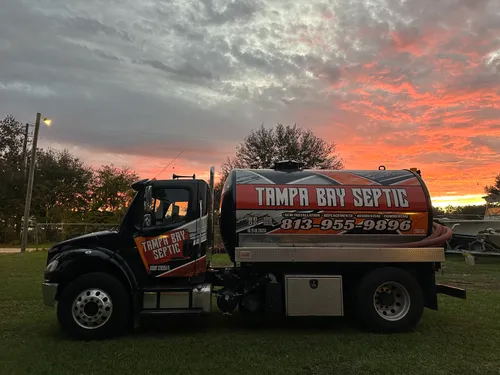
Tampa Bay Septic is a septic tank inspection, repair, and installation company based in Tampa, FL. With over 25 years of experience, they provide a wide range of septic services including maintenance, inspections for property contracts, and complex septic system installations or replacements. Their team is skilled in quickly diagnosing and resolving septic issues, drawing on decades of hands-on experience.
Seminole Septic, A Wind River Company
13801 66th St N Ste A, Largo, FL 33771
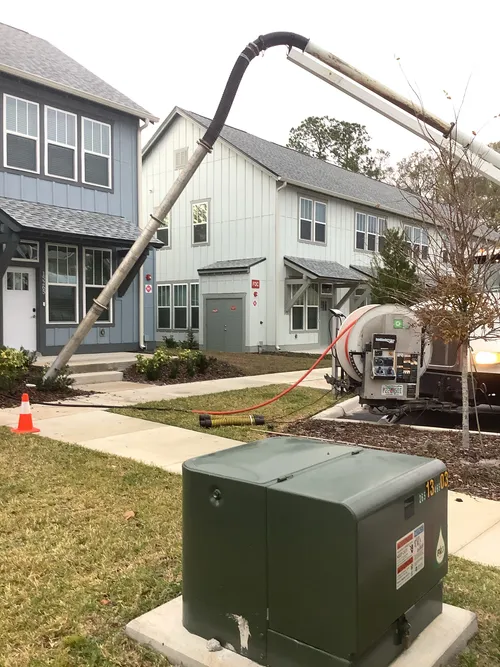
Seminole Septic, A Wind River Company, provides septic system services in Tampa, FL, and the Greater Tampa Bay area. They offer residential, commercial, municipal, and industrial septic solutions including pumping, inspections, repairs, and new installations. With over 50 years of experience and access to advanced technology through the Wind River Environmental network, the company supports a wide range of septic needs while ensuring compliance with local regulations. Seminole Septic is available 24/7 for emergency services, making them a reliable option for septic maintenance and repairs in the region.

Southern Sanitary Systems Inc
Bradenton, FL 34203
Southern Sanitary Systems Inc provides septic system installation, pumping, inspection, and repair services in Tampa, FL, and surrounding Southwest Florida areas. They specialize in both traditional septic tanks and advanced Aerobic Treatment Units (ATUs), offering code-compliant installations and maintenance agreements to ensure long-term system health and regulatory compliance. The company also handles lift station installation and repair, drain field revitalization, and wastewater pump services. With decades of experience, Southern Sanitary Systems emphasizes safety, professionalism, and knowledge of local soil and environmental regulations to deliver reliable wastewater solutions.
Understanding Common Septic Repairs in Manatee County
Septic systems are complex, and problems can manifest in various ways. Understanding the types of repairs common in the Bradenton area can help you communicate effectively with a contractor. Repairs range from simple component replacements to major excavation work on the drain field.
- Baffle or Filter Replacement: The baffles in your tank and the effluent filter (if installed) prevent solids from escaping into the drain field. If these are broken or clogged, they are relatively minor but critical fixes.
- Pipe Repairs: This includes fixing broken inlet or outlet pipes on the tank or repairing the distribution pipes in the drain field. A camera inspection is often used to locate the exact point of failure.
- Tank Repairs: Cracks or structural damage to the septic tank itself require professional attention. Depending on the severity, this may involve patching or, more commonly, full tank replacement.
- Drain Field Rehabilitation or Replacement: This is the most extensive and costly type of repair. If a drain field has failed due to age, compaction, or biomat buildup, options include cleaning, adding new lines, or installing a completely new drain field 1.
The Mandatory Repair Process: Permits and Professionals
In Florida, and specifically in Bradenton and Manatee County, septic system work is heavily regulated to protect public health and groundwater. You cannot legally have repairs performed by an unlicensed individual.
- Hire a Licensed Contractor: All septic system repairs must be performed by a state-licensed septic contractor or a registered plumber with the proper endorsement. Always verify a professional's license with the Florida Department of Health (DOH).
- Obtain a Permit: Before any repair or alteration begins, your contractor must obtain a permit from the local county health department, which is part of the Florida DOH. This ensures the proposed repair complies with current codes.
- Adhere to Setback Regulations: Repairs must maintain specific horizontal distances (setbacks) from buildings, property lines, wells, and water bodies. Your licensed professional will design the repair to meet these requirements 2.
- Pass a Final Inspection: Once repairs are complete, the Florida DOH must inspect and approve the work before the system can be put back into service 3. This final check is for your protection.
Diagnosis: How Professionals Find the Problem
Accurate diagnosis is the first step to an effective and cost-efficient repair. Reputable contractors use several methods to pinpoint issues.
- Initial Evaluation: A technician will locate your tank and distribution box, check for visible signs of failure (like soggy soil or sewage odors), and assess the system's overall function.
- Camera Inspection: A flexible, waterproof camera is snaked through pipes and into the tank to visually identify cracks, blockages, root intrusions, and the condition of the drain field lines 4 5.
- Load and Dye Tests: In some cases, a professional may perform tests to see how quickly the system absorbs water or to trace the flow of effluent, helping to confirm drain field failure.
Find the perfect septic system repair companies for your needs
Get personalized recommendations and expert advice
Cost Considerations for Septic Repairs
The cost of fixing your septic system in Bradenton depends entirely on the problem's nature and extent. While only a professional assessment can provide a firm quote, understanding typical price ranges can help you budget.
- Professional Inspection: A thorough inspection to diagnose an issue typically costs between $100 and $300.
- Minor Repairs: Fixing a baffle, replacing a filter, or clearing a blockage in a pipe often falls in the range of $150 to $500.
- Major Repairs: Significant work like repairing a cracked tank, replacing a large section of pipe, or rehabilitating a drain field can cost several thousand dollars. A complete system replacement is the most expensive option, frequently exceeding $10,000 6.
Important Note: If your system has failed, Florida law may require it to be upgraded to current, more stringent standards during the repair process, which can significantly affect the final cost 7 8.
Maintaining Your System to Avoid Major Repairs
Proactive maintenance is the most effective "repair" strategy. Following these guidelines can extend your system's life and prevent emergencies.
- Pump Regularly: Have your septic tank pumped every 3 to 5 years, depending on household size and usage. This prevents solids from overflowing into the drain field, the leading cause of failure.
- Mind What You Flush: Never flush chemicals, paints, grease, diapers, wipes (even "flushable" ones), or feminine hygiene products. These can clog pipes, disrupt bacterial action, and contaminate groundwater 9.
- Protect the Drain Field: Never drive or park vehicles, build structures, or store heavy items over your drain field. Compaction crushes the pipes and soil pores, destroying the system's ability to treat wastewater 10.
- Divert Water: Ensure roof drains, sump pumps, and surface runoff are directed away from the septic tank and drain field area to avoid saturation.
When Repair Isn't Enough: System Replacement
Sometimes, a system is beyond economical repair due to age, chronic neglect, or changes in property use. Replacement involves designing and installing a completely new system that meets all modern Florida Department of Health regulations, including advanced treatment technologies in environmentally sensitive areas. Your licensed contractor can guide you through this process, which includes soil evaluation, new permit applications, and installation.
Frequently asked questions
Sources
Footnotes
-
Stay Compliant with Septic Tank Requirements in Florida - https://mathisandsonsseptic.com/mathis-sons-septic-blog-orlando-fl/florida-septic-tank-regulations-and-incentives-what-homeowners-need-to-know/ ↩
-
Onsite Sewage Disposal - Florida Department of Health in Sarasota ... - https://sarasota.floridahealth.gov/programs-and-services/environmental-public-health/onsite-sewage-disposal/ ↩
-
Onsite Sewage & Septic - Florida Department of Health - https://www.floridahealth.gov/licensing-regulations/regulated-facilities/onsite-sewage-septic/ ↩
-
Florida Septic Tank Requirements | Onsite Sewage Treatment ... - https://www.ntotank.com/blog/florida-septic-tank-requirements ↩
-
Your Complete Guide to Septic System Inspections in Florida - https://southernsepticanddesign.com/septic-services-blog/your-complete-guide-to-septic-system-inspections-in-florida-what-contractors-and-property-owners-need-to-know/ ↩
-
How Much Does it Cost to Maintain a Septic Tank in Florida? - https://mathisandsonsseptic.com/mathis-sons-septic-blog-orlando-fl/how-much-is-septic-tank-maintenance-in-florida/ ↩
-
Septic Contracting Frequently Asked Questions | Florida Department ... - https://floridadep.gov/water/onsite-sewage/content/septic-contracting-frequently-asked-questions ↩
-
Local Septic Regulations Florida Homeowners Should Know - https://www.yoursepticmasters.com/local-septic-regulations-florida-homeowners-should-know ↩
-
Septic Tank Servicing Florida: Maintenance Tips & Schedule - https://crewssepticsolutions.com/how-often-should-a-septic-tank-be-serviced-under-floridas-septic-maintenance-rules/ ↩
-
Protecting Your Home, Caring for Your Septic System - https://stjohns.floridahealth.gov/wp-content/uploads/sites/57/2025/06/septictanksystemsbrochure.pdf ↩