Find the Best Septic System Repair Companies for Your Business
No obligation • Fast responses • Nationwide coverage

Why you can trust Septic Spot
Septic Spot is a leading United States resource for understanding and comparing septic services. Our editors review providers using consistent criteria and verify key business details. Listings and scores are independent, and companies cannot pay to influence our content.
Search providers near you
Top Septic System Repair Companies in Jacksonville, Florida Ranked
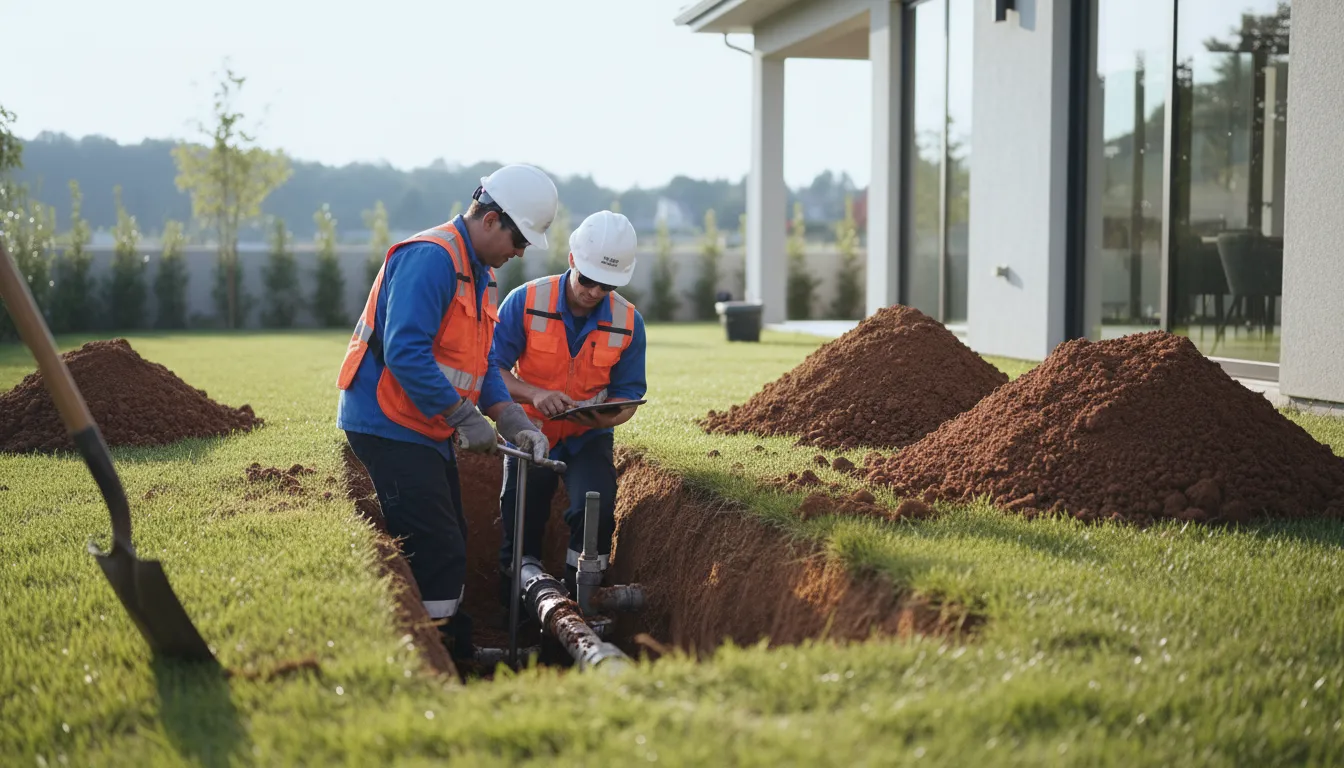
When your home's wastewater system shows signs of trouble, timely and professional septic system repair is essential to protect your property, your health, and the local environment. In Jacksonville, these repairs are more than just a fix; they are regulated procedures that must comply with Florida's strict environmental and public health codes. This guide explains the common repair needs for septic tanks and drainfields, outlines the local permitting process, and helps you understand what to expect when working with qualified professionals to restore your system's function.
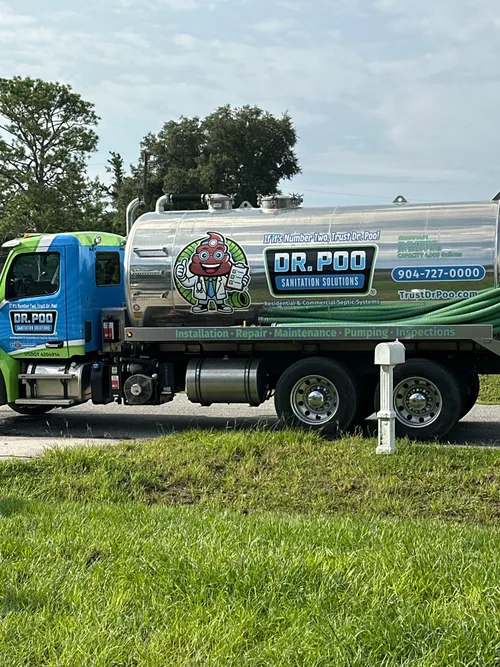
Dr. Poo Sanitation Solutions
2107 New Berlin Rd, Jacksonville, FL 32218
Dr. Poo Sanitation Solutions is a septic service provider based in Jacksonville, FL. They offer a range of services including septic tank pumping, inspection, repair, installation, and drain field repair or replacement. The company is known for handling everything from routine maintenance to system emergencies and new installations. Dr. Poo is the rebranded name of ZHL Septic Services, a family-owned business with decades of experience serving Northeast Florida, including Duval, St. Johns, Clay, Baker, and Nassau counties. Their team is fully licensed and insured, and they provide septic solutions tailored to keep systems functioning properly.
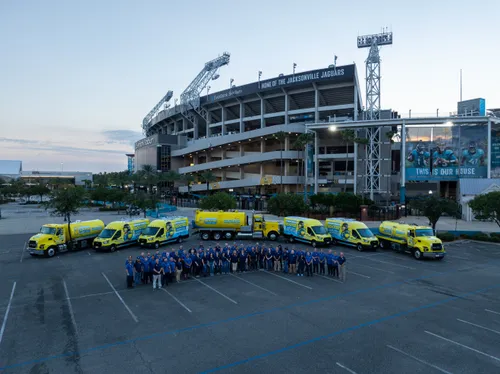
Duck Duck Rooter Plumbing, Septic and Air Conditioning
4567 Blanding Blvd, Jacksonville, FL 32210
Duck Duck Rooter Plumbing, Septic and Air Conditioning is a Jacksonville, FL-based company offering a wide range of plumbing, septic, and HVAC services. With over 25 years of experience, they provide septic tank pumping, installation, repair, and drain field services for both residential and commercial clients. Their team is equipped to handle septic system maintenance and repairs, including septic tank sump pump services, and offers 24-hour emergency plumbing support. They serve Jacksonville and surrounding areas including Duval County, St. Johns County, and St. Augustine, FL.
Metro Rooter, A Wind River Company
8892 Normandy Blvd, Jacksonville, FL 32221
Metro Rooter, A Wind River Company, provides septic tank pumping, inspection, and repair services in Jacksonville, FL. Serving residential, commercial, municipal, and industrial clients, they offer comprehensive wastewater and plumbing solutions backed by the extensive resources of Wind River Environmental. Established in 1978, Metro Rooter brings over 45 years of local experience and is equipped to handle emergency plumbing and septic issues with 24/7 availability.

Mr. Rooter Plumbing of Saint Augustine
Jacksonville, FL
Mr. Rooter Plumbing of Saint Augustine provides septic tank pumping, inspection, and repair services in Jacksonville, FL. They serve nearby areas including Saint Augustine, Daytona Beach, and Palm Coast. The company offers sewer hydro scrub and descale services as a key capability. Mr. Rooter Plumbing operates as a licensed and insured franchise committed to clear communication and upfront pricing. Their Neighborly Done Right Promise® ensures work is completed correctly the first time.
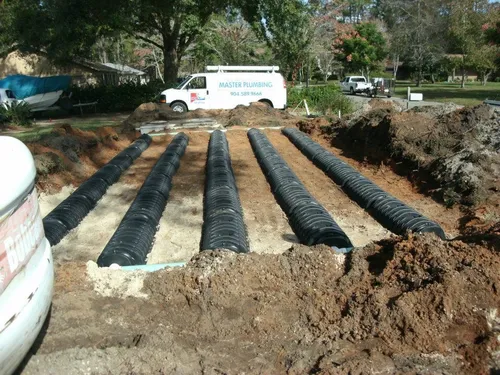
Clay County Master Plumbing LLC
Jacksonville, FL
Clay County Master Plumbing LLC is a septic system repair company serving Jacksonville, FL, and the surrounding Clay, St. Johns, and Duval counties. With over 30 years of experience, they provide plumbing and septic solutions for both homes and businesses. Their licensed technicians use high-quality parts and ensure all necessary permits are obtained for proper and safe service. The company emphasizes thorough disposal of old parts and maintains a clean and reputable work environment.
Understanding Your Septic System and Common Failures
A conventional septic system is a self-contained wastewater treatment system typically consisting of a septic tank and a drainfield (or leach field). Solids settle in the tank, where bacteria begin to break them down, while liquid effluent flows out into a series of perforated pipes buried in the drainfield, where it percolates through the soil for final treatment. Failures occur when one or more of these components malfunction.
Common signs you may need septic tank repair or drainfield repair include:
- Sewage backing up into household drains or toilets.
- Gurgling sounds in the plumbing.
- Slow-draining sinks, tubs, and showers.
- Wet, soggy, or foul-smelling patches in your yard above the drainfield.
- Unusually lush green grass over the drainfield area.
In Jacksonville, these issues are often caused by long-term lack of maintenance, hydraulic overloading (using more water than the system can handle), or the natural aging and failure of system components.
The Jacksonville Repair Process: Permits and Professionals
Before any work begins, it's crucial to understand that all septic system repairs, modifications, or abandonments in Florida require a permit from the local county health department. In Duval County, this is the Florida Department of Health (DOH). Attempting repairs without the proper permits can result in fines and may complicate the sale of your property.
Step 1: Inspection and Diagnosis
The first step is a professional inspection to diagnose the problem. A licensed septic contractor or inspector will:
- Locate and uncover the tank's access manholes.
- Measure the depth of sludge and scum to assess if pumping is needed.
- Check the tank's structural integrity, baffles, and outlet filter (if present).
- Evaluate the drainfield for signs of saturation or failure.
This inspection will determine whether the issue is a simple fix or a major component failure.
Step 2: Obtaining the Repair Permit
Your licensed contractor will typically handle the permit application with the Florida DOH in Duval County. The application must detail the proposed repair work, which must comply with Florida Administrative Code Chapter 62-6, governing onsite sewage treatment and disposal systems 1 2. The health department reviews the plan to ensure it meets all setback requirements (e.g., minimum distances from wells, property lines, and surface water) and environmental protections 3 4.
Step 3: Performing the Repairs
Only state-licensed septic tank contractors or plumbing contractors are legally authorized to perform septic system repairs in Florida 5. They will execute the permitted repair plan, which may involve one or more of the following common fixes:
- Baffle Repair or Replacement: The baffles in your tank prevent solids from escaping into the drainfield. Broken or deteriorated baffles are a common cause of drainfield clogging and can often be repaired without full tank replacement.
- Drainfield Rehabilitation: In some cases, a failing drainfield can be restored without full replacement. Methods may include shock treatment with specialized bacteria, mechanical aeration of the soil, or the installation of a new set of distribution lines in a different section of the yard (a "repair field").
- Tank Replacement: If the septic tank itself is cracked, corroded, or structurally unsound, it must be replaced. The old tank is properly pumped and abandoned (often filled with sand or gravel), and a new tank is installed according to current code 6.
- System Upgrade: Due to Florida's focus on protecting water quality, especially in areas near springs or water bodies, repairs in sensitive zones may require an upgrade to an Enhanced Nutrient Reducing (ENR) system or an Aerobic Treatment Unit (ATU). These advanced systems provide a higher level of treatment before effluent enters the soil and require an annual operating permit from the DOH 7.
Step 4: Final Inspection and Approval
Once repairs are complete, a final inspection is mandatory. This inspection may be conducted by the county health department or by an approved private provider. The inspector verifies that the work matches the permitted plans and meets all state and local standards 8. Only after passing this final inspection is your system legally considered repaired and operational.
Find the perfect septic system repair companies for your needs
Get personalized recommendations and expert advice
Types of Septic System Repairs in Detail
Drainfield Repairs
The drainfield is often the most expensive component to repair. Complete failure usually requires a new drainfield to be installed in a suitable area of your property. Costs for this can vary widely based on soil conditions, system size, and local requirements. In some cases, if the original drainfield is simply clogged (a condition called "biomat" buildup), it may be possible to restore it through professional cleaning and treatments that break down the clogging material, potentially saving significant expense compared to full replacement 9.
Tank-Related Repairs
Issues contained within the tank itself are generally less invasive. Besides baffle repair, other common tank fixes include:
- Replacing a damaged or missing tank lid for safety.
- Repairing or replacing a malfunctioning effluent filter.
- Fixing inlet or outlet pipe connections that have cracked or separated.
- Addressing issues with a pump tank (if your system includes a pump to move effluent to the drainfield).
Regulatory-Driven Upgrades
Homeowners in Jacksonville should be aware that Florida law sometimes ties major repairs to system upgrades. If your system requires a repair that costs more than 50% of the value of replacing the entire system, you may be required to bring the entire system up to current code, which could mean installing a more advanced, nutrient-reducing system 10. Always discuss the long-term regulatory implications with your contractor during the diagnosis phase.
The Importance of Proactive Maintenance
The best "repair" is prevention. Regular maintenance is the most effective way to avoid costly emergency septic service and system failure.
- Pump Regularly: Have your tank pumped by a licensed professional every 3 to 5 years, or as recommended based on inspection. This prevents solids from overflowing into and clogging the drainfield 11.
- Conserve Water: Spread out laundry loads, fix leaky faucets and toilets promptly, and use water-efficient fixtures to avoid hydraulically overloading the system.
- Mind What You Flush: Only human waste and toilet paper should go down the drain. Avoid flushing wipes (even "flushable" ones), feminine hygiene products, cooking grease, and chemicals, which can kill beneficial bacteria and clog components.
- Protect the Drainfield: Never drive or park vehicles over the drainfield, and avoid planting trees with deep roots nearby. Keep roof drains and sump pump discharges away from the area.
Investing in an annual check-up can identify small issues like a worn baffle or a full tank before they lead to a catastrophic drainfield failure, saving you thousands of dollars in the long run 12 13.
Choosing a Qualified Repair Contractor in Jacksonville
Selecting the right professional is critical. Always verify that any contractor you consider:
- Holds a current Florida Septic Tank Contractor License or Plumbing Contractor License.
- Is familiar with the specific permitting processes of the Florida Department of Health in Duval County.
- Can provide references from recent repair jobs in the area.
- Offers a detailed, written estimate that outlines the diagnosis, the proposed repair solution, the permit costs, and a timeline.
- Carries adequate liability and workers' compensation insurance.
A reputable contractor will be transparent about the process, willingly pull all required permits, and ensure the work is finalized with the mandatory health department inspection.
Frequently asked questions
Sources
Footnotes
-
Onsite Sewage & Septic - Florida Department of Health - https://www.floridahealth.gov/licensing-regulations/regulated-facilities/onsite-sewage-septic/ ↩
-
Septic Permits in Florida: Do You Need One? (2025 Guide) - https://landperc.com/do-i-need-a-permit-for-a-septic-system-in-florida/ ↩
-
Onsite Sewage Program - https://floridadep.gov/water/onsite-sewage ↩
-
Septic Systems - Florida Department of Health - https://www.floridahealth.gov/community-environmental-public-health/environmental-public-health/water-quality/septic-systems/ ↩
-
Septic Contracting Frequently Asked Questions - https://floridadep.gov/water/onsite-sewage/content/septic-contracting-frequently-asked-questions ↩
-
Septic Tank FAQ - Jacksonville, FL - https://www.jlsmithseptic.com/faq ↩
-
Enhanced Nutrient Reducing Septic System Certification in Jacksonville, FL - Hughes Plumbing Supply - https://hughessupplyjax.com/enhanced-nutrient-reducing-septic-system-in-jacksonville-fl/ ↩
-
The Builder's Guide to Septic Permit Services - https://landperc.com/septic-permit-services-builders/ ↩
-
Multi-Unit Property Septic Systems: Expert Guide - https://www.texwaywastewater.com/multi-unit-property-septic-systems-expert-guide/ ↩
-
Florida New Septic System Law: What Homeowners Need to ... - https://rooterone.com/florida-homeowners-new-septic-system-law/ ↩
-
Septic System Owner's Guide - St. Johns County Health Department - https://stjohns.floridahealth.gov/wp-content/uploads/sites/57/2025/06/septic-folder-8x11-link2.pdf ↩
-
How to Get Septic to Pass Inspection - https://www.guardianangelinspections.com/how-to-get-septic-to-pass-inspection ↩
-
Septic Inspections Made Easy: What Every Contractor Needs to ... - https://flengineeringllc.com/septic-inspections-guide-contractors-2025/ ↩