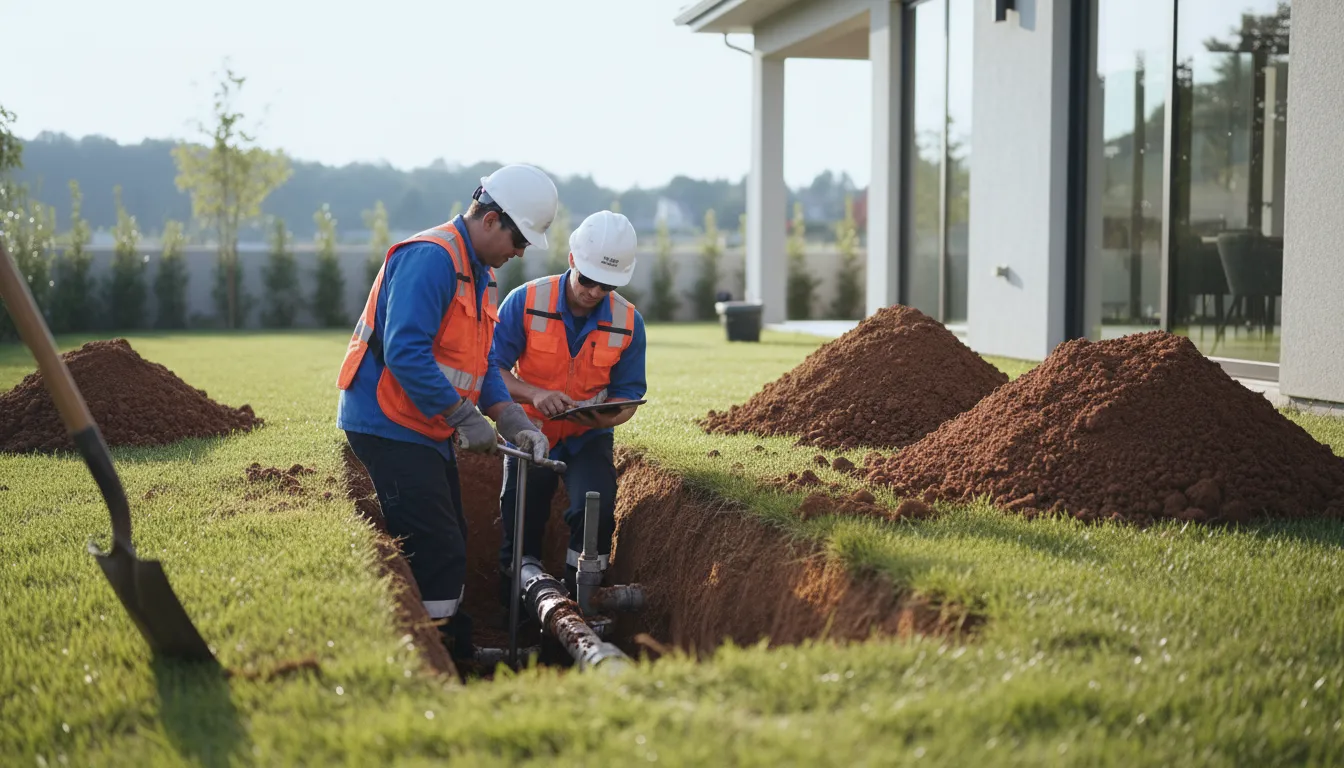
Find the Best Septic System Repair Companies for Your Business
No obligation • Fast responses • Nationwide coverage

Why you can trust Septic Spot
Septic Spot is a leading United States resource for understanding and comparing septic services. Our editors review providers using consistent criteria and verify key business details. Listings and scores are independent, and companies cannot pay to influence our content.
Search providers near you
Top Septic System Repair Companies in St Petersburg, Florida Ranked
A properly functioning septic system is essential for the health, safety, and value of your St. Petersburg home. When issues arise, timely septic system repair is crucial to prevent environmental contamination, costly property damage, and public health risks. This guide explains the common types of repairs, the local regulatory process, and how to navigate finding qualified professionals to service your onsite wastewater system.
Quality Septic Inc.
100 Ashley Dr S suite 619, Tampa, FL 33602
Quality Septic Inc. provides a full range of septic services in Tampa, FL, including septic tank pumping, inspections, repairs, and installations. Serving Tampa and surrounding communities such as Brandon, Riverview, and Clearwater, they handle residential and commercial septic systems with expertise. Their capabilities include drain field repair and replacement, lift station installation and repair, and custom-engineered septic system installations based on thorough property assessments. Established in 1994, Quality Septic has over 25 years of experience in the industry.
Quality Septic Inc.
1811 M Rd, Brandon, FL 33511
Quality Septic Inc. is a family-owned septic service provider based in Tampa, FL, serving Brandon and the surrounding Tampa Bay area. Since 1994, they have offered a full range of septic services including tank pumping, system inspections, repairs, and new installations. Their expertise covers drain field repair and installation, lift station pump services, and custom-engineered septic systems tailored to property needs. Quality Septic emphasizes thorough property assessments and adherence to Florida state building codes in their installations. They serve multiple communities including Valrico, Seffner, Riverview, and more, ensuring comprehensive septic solutions across the region.
Tampa Septic
Tampa, FL
Tampa Septic is a septic service provider based in Tampa, FL, offering a comprehensive range of septic system solutions. Their services include septic tank pumping, inspections, repairs, installations, drain field maintenance and replacement, septic pump repair, and lift station services. They also provide nitrogen-reducing septic systems for environmentally conscious customers and conduct real estate septic inspections. With over 30 years of experience, Tampa Septic serves both residential and commercial clients in Tampa and the surrounding Tampa Bay area, including Hillsborough, Pasco, Hernando, Citrus, and Pinellas counties. The company is a member of the Florida Onsite Wastewater Association and holds an A+ rating from the BBB.
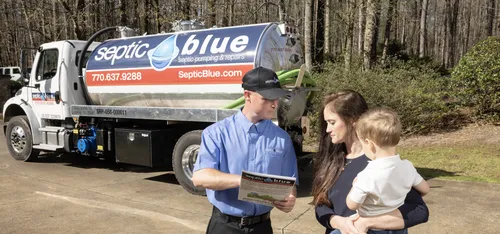
Septic Blue of Tampa
249 S 78th St Suite A, Tampa, FL 33619
Septic Blue of Tampa is a septic service provider located in Tampa, FL. They offer a range of services including septic tank pumping, inspection, repair, installation, and drain field repair or replacement. Their team uses advanced equipment and personalized approaches to maintain and restore septic systems while emphasizing environmental sustainability. The company also educates clients on proper septic care to help prevent future issues. Septic Blue of Tampa is locally owned and committed to transparent pricing and professional integrity.
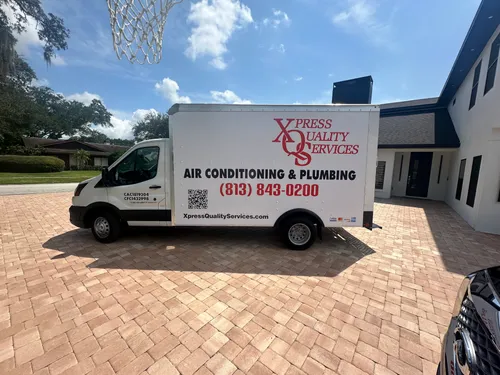
Xpress Quality Services, LLC
8325 N Albany Ave, Tampa, FL 33604
Xpress Quality Services, LLC is a home solutions provider based in Tampa, FL, offering HVAC, plumbing, and septic services. Serving Tampa and surrounding areas including Oldsmar, Palm Harbor, and Clearwater, they handle septic tank pumping, inspection, and repair along with comprehensive heating, cooling, and indoor air quality solutions. Established in 2013, the company works with certified experts and trusted brands to maintain critical home systems. They also provide plumbing services such as drain cleaning, water heater installation, and nitrogen reduction systems.
Understanding Your Septic System in Pinellas County
Before diving into repairs, it's helpful to understand the basic components of a conventional septic system. The system begins with pipes from your home that carry all wastewater to an underground septic tank. Here, solids settle to the bottom as sludge, and oils float to the top as scum. The liquid effluent in the middle layer then flows out to a drainfield (or leach field), where it is filtered through soil for final treatment. In St. Petersburg and the broader Tampa Bay area, local soil conditions and high water tables can pose unique challenges for these systems, making proper maintenance and knowledgeable repair even more critical.
Common signs that your system may need attention include:
- Slow-draining sinks, tubs, or toilets.
- Gurgling sounds in your plumbing.
- Sewage odors in your yard or home.
- Unusually lush, green grass or standing water over the drainfield.
- Backups into household drains.
Ignoring these warnings can lead to a complete system failure, which is far more disruptive and expensive to fix than addressing problems early.
The Repair Process: From Diagnosis to Completion
Professional septic repair in Florida is a regulated process designed to protect both the homeowner and the environment. It typically follows these steps:
1. Comprehensive Inspection and Diagnosis A thorough inspection is the mandatory first step for any repair. A licensed contractor will begin by locating and accessing your tank. They will pump out the tank to remove sludge and scum, which allows for a clear inspection of the tank's structure, including the walls, baffles, and outlet tee. The drainfield will also be assessed for signs of hydraulic failure, such as surfacing effluent or soggy soil. This diagnosis determines whether the issue is a simple component failure or a more serious drainfield problem 1 2.
2. Obtaining the Required Permit In Pinellas County, most septic system repairs require a permit from the Florida Department of Health (DOH). Your licensed septic contractor will typically handle this process. The DOH reviews the proposed repair to ensure it complies with state and county regulations, such as maintaining a minimum of 24 inches of clearance between the bottom of the drainfield and the seasonal high water table-a crucial rule in our coastal community. You cannot legally cover a completed repair until it has been inspected and approved by the DOH.
3. Executing the Repair Once permitted, the contractor will perform the necessary work. All repairs must be completed by a state-licensed septic contractor to ensure they meet Florida's technical and public health standards.
Find the perfect septic system repair companies for your needs
Get personalized recommendations and expert advice
Common Types of Septic Repairs in St. Petersburg
The scope and cost of a repair job can vary widely based on the problem. Here are the most frequent repairs needed for onsite sewage systems in the area:
Pumping and Cleaning: Often the first corrective action, pumping is not a repair in itself but a necessary step to inspect the tank and can resolve issues caused by over-accumulation of solids. Costs typically range from $300 to $600.
Baffle or Tee Replacement: The baffles (or tees) inside the tank prevent solids from flowing out into the drainfield. If these are damaged or missing, solid waste can clog the drainfield pipes. Replacing them is a common and relatively minor repair.
Pipe Repair or Replacement: This involves fixing broken pipes that run from your house to the septic tank or from the tank to the drainfield. Breaks can be caused by root intrusion, ground shifting, or corrosion.
Effluent Filter Service: Many modern tanks have an effluent filter on the outlet to provide an extra layer of protection for the drainfield. This filter must be cleaned regularly (often during pumping) and replaced if damaged to prevent clogs 3.
Drainfield Repair or Replacement: This is the most significant and costly type of repair. If the soil in the drainfield becomes clogged (a condition called "biomat" over-saturation), it can no longer absorb liquid. Sometimes, a section can be repaired or an expansion field added. Often, complete drainfield replacement is necessary. In areas with high water tables, like many parts of St. Petersburg, a mounded or elevated drainfield system may be required to meet clearance regulations 4 5. Drainfield replacement costs can range from $3,000 to over $10,000, depending on size, soil conditions, and system type.
Cost Guide for Septic Repairs and Services
While every job is unique, understanding general price ranges can help you budget and evaluate quotes. It's important to get multiple estimates from licensed professionals.
- System Pump-Out: $300 - $600
- Septic Inspection: $200 - $900, with an average around $550 6. Inspections are a required precursor to most repairs.
- Minor Repairs (Pipes, Baffles): $300 - $800
- Full Drainfield Replacement: $3,000 - $10,000+ 7 8. The final cost depends heavily on soil conditions, the need for a mounded system, and local permitting requirements.
Remember, the cheapest quote isn't always the best. Ensure any contractor you consider is properly licensed and insured, and that their quote includes all necessary permits and DOH closure inspections.
Navigating Florida and Pinellas County Regulations
Homeowners are responsible for ensuring their septic system complies with state and local codes. Key regulatory points include:
- Licensing: Always hire a contractor registered with the Florida Department of Health to perform septic work. You can verify a contractor's license online through the DOH website.
- Permits: A repair permit is required for any work that involves replacing system components, such as a tank or drainfield 9. Your contractor usually pulls this permit.
- Final Inspection: The DOH must inspect the completed repair before the system is backfilled and put back into service. Do not cover the work until this inspection is passed 10.
- High-Risk Areas: If your property is in a flood-prone or coastal area, additional regulations may apply. Contact the Florida Department of Health in Pinellas County for site-specific guidance 11.
For homeowners near water bodies, more frequent inspections-even annually-are often recommended to catch problems before they affect groundwater quality 12 13.
Choosing a Service Provider for Your Septic Work
Selecting the right professional is the most important step in ensuring a successful, long-lasting repair. Look for a provider who:
- Holds a current Florida Septic Contractor license.
- Has extensive local experience with St. Petersburg's soil and water table conditions.
- Provides clear, detailed written estimates that outline all costs, including permits.
- Handles the entire process from diagnosis and permitting to repair and final DOH inspection.
- Has positive reviews and a solid reputation in the Pinellas County community.
A reliable contractor will be transparent about the problem, explain your options, and guide you through the regulatory requirements, providing peace of mind that your home's wastewater system is restored to safe and proper operation.
Frequently asked questions
Sources
Footnotes
-
DIY vs Professional Septic Inspections: Do You Need Pro Help? - https://www.sterlingsepticandplumbing.com/blog/diy-vs-pro-septic-inspections/ ↩
-
Understanding Septic Tank Inspections: A Complete Homeowner's ... - https://septic-masters.com/septic-tank-inspection-homeowner-guide/ ↩
-
Florida Well and Septic System Placement Regulations for New ... - https://flengineeringllc.com/florida-well-septic-placement-2025/ ↩
-
Septic System Owner's Guide - St. Johns County Health Department - https://stjohns.floridahealth.gov/wp-content/uploads/sites/57/2025/06/septic-folder-8x11-link2.pdf ↩
-
Septic Drainfield Services in Tampa Bay - https://www.acesepticandwaste.com/drainfield-services/ ↩
-
How Much Does a Septic Inspection Cost? [2026 Data] - Angie's List - https://www.angi.com/articles/septic-inspection-cost.htm ↩
-
Replace or Repair Your Septic System? - https://advancedsepticservicesfl.com/replace-repair-septic/ ↩
-
Who Pays For Septic Inspection When Selling a House? - https://ibuyer.com/blog/who-pays-for-septic-inspection-when-selling-a-house/ ↩
-
Septic Permit Application Types - Florida Department of Health in ... - https://lee.floridahealth.gov/programs-and-services/environmental-health/onsite-sewage-disposal/permits/ ↩
-
Septic Contracting Frequently Asked Questions - https://floridadep.gov/water/onsite-sewage/content/septic-contracting-frequently-asked-questions ↩
-
Onsite Sewage & Septic - Florida Department of Health - https://www.floridahealth.gov/licensing-regulations/regulated-facilities/onsite-sewage-septic/ ↩
-
How Often Do You Need a Septic Tank Inspection in Florida? - https://tampabayseptic.com/blog/how-often-do-you-need-a-septic-tank-inspection/ ↩
-
Your Complete Guide to Septic System Inspections in Florida - https://southernsepticanddesign.com/septic-services-blog/your-complete-guide-to-septic-system-inspections-in-florida-what-contractors-and-property-owners-need-to-know/ ↩