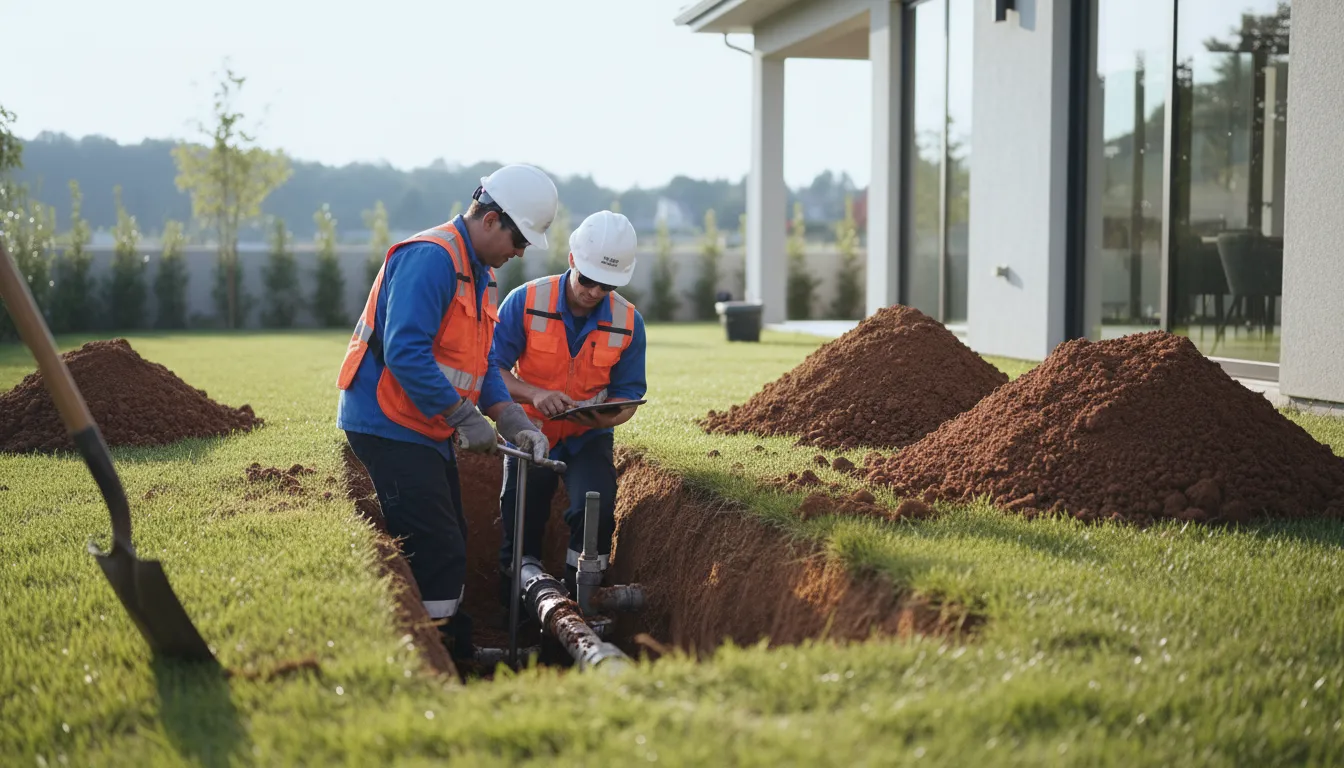
Find the Best Septic System Repair Companies for Your Business
No obligation • Fast responses • Nationwide coverage

Why you can trust Septic Spot
Septic Spot is a leading United States resource for understanding and comparing septic services. Our editors review providers using consistent criteria and verify key business details. Listings and scores are independent, and companies cannot pay to influence our content.
Search providers near you
Top Septic System Repair Companies in Kissimmee, Florida Ranked
When your home's onsite wastewater treatment system fails, it's more than an inconvenience-it's a pressing health and environmental issue that requires immediate, expert attention. Septic system repair involves diagnosing and fixing problems with your tank, drain field, or connecting components to restore proper function and compliance with state regulations. In Kissimmee, this work is governed by specific local and state codes, and finding a qualified professional is crucial for a safe, lasting solution. This guide will help you understand the repair process, local requirements, and how to connect with licensed contractors in the Kissimmee area.
Lapin Services
3031 40th St, Orlando, FL 32839
Lapin Services offers septic tank pumping, inspection, repair, and installation in Tampa, FL. They also provide sewer services including grease trap cleaning, vactor sewer cleaning, lift station inspections, and wastewater treatment plant cleaning. The company is licensed, bonded, and insured, employing trained technicians with specialized equipment. Lapin Services serves a wide area across Central Florida, including many surrounding communities. Their team is committed to thorough septic and plumbing work, treating customers like family.
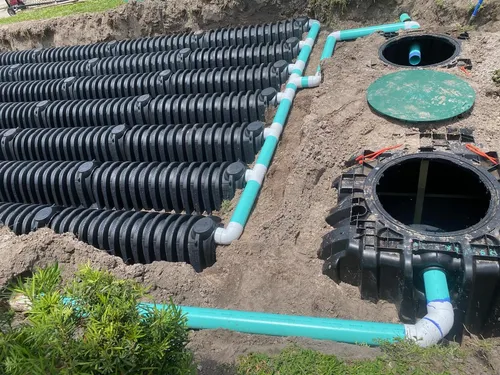
Orlando Septic Services
Orlando, FL
Orlando Septic Services provides septic system installation, repair, and maintenance in Orlando, FL. They handle septic tank pumping, drain field repair, and commercial and residential system installations. Their capabilities include lift station repair, main line jetting, and pump replacements, covering a wide range of septic system needs.
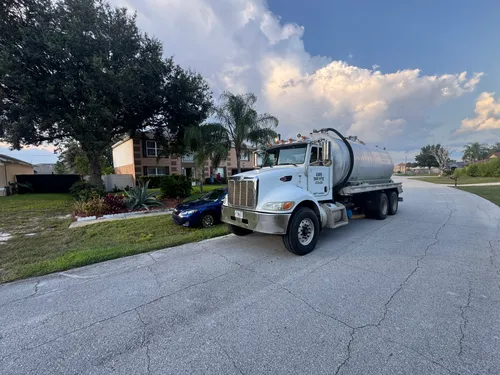
Always There Septic
Orlando, FL
Always There Septic provides a full range of septic system services in Orlando, FL, including septic tank pumping, inspections, repairs, and installation for both residential and commercial properties. They handle drain field repair and replacement, septic pump repair, and commercial grease trap cleaning, ensuring systems meet Florida Code and operate properly. The company offers 24/7 emergency septic services and manages all permitting and inspections for new installations or replacements, aiming for a smooth process from start to finish.
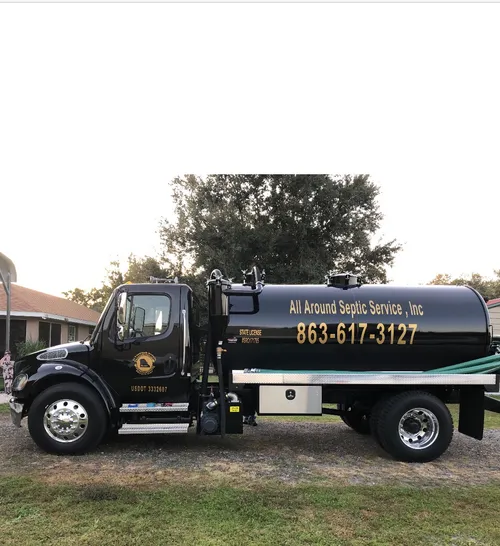
All Around Septic Service inc
Tampa, FL
All Around Septic Service inc is a licensed septic system repair and installation company serving Tampa, FL. The company is registered with Florida's Department of Health and complies with state and federal regulations to ensure environmentally safe and quality septic services. They emphasize the importance of using licensed contractors to avoid issues such as septic leaks and contamination of local water sources. All Around Septic Service inc offers a warranty on their work, reflecting their commitment to proper septic system management.
Clear Flow Environmental
15232 E Colonial Dr, Orlando, FL 32826
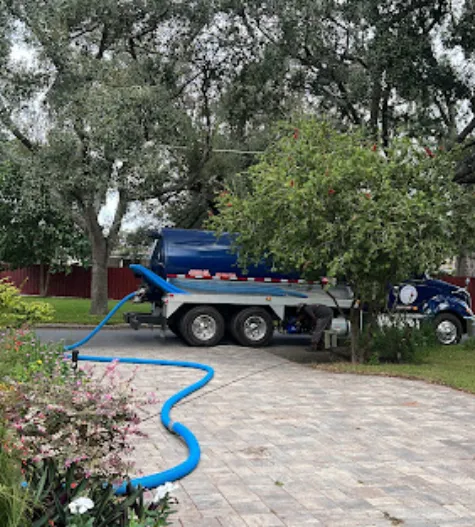
Clear Flow Environmental is a septic system service provider based in Orlando, FL. They offer a range of services including septic tank pumping, inspections, installations, and repairs, as well as drain field troubleshooting and replacement. The company also handles grease trap maintenance and outdoor plumbing issues. Clear Flow Environmental provides city sewer tie-in services to connect properties to municipal sewage systems where available. They utilize bioForce Plus bacterial waste degrader to maintain drainlines and grease traps effectively.
Understanding When You Need Septic Repairs
A failing septic system presents clear warning signs. Common indicators include slow-draining sinks and toilets, foul odors around the tank or drain field area, soggy or unusually lush grass over the drain field, and sewage backups into the home. If you notice any of these issues, it's time to call a professional for an inspection 1. Ignoring these signs can lead to groundwater contamination, property damage, and costly violations from the Florida Department of Health.
In Kissimmee and throughout Osceola County, the health department mandates that all septic system repairs and replacements be performed by a state-registered septic tank contractor or a licensed plumber. Attempting a DIY fix is not only dangerous but also illegal for most substantive work, as proper permitting and inspections are required by law.
Common Types of Septic Repairs in Central Florida
The repair needed depends on the nature and location of the failure. Here are the most frequent septic system fixes required in the Kissimmee area:
- Drain Field Rehabilitation or Replacement: This is often the most extensive and expensive repair. If the soil in the drain field has become clogged (a condition called "biomat" buildup) or the field is persistently saturated, it may need specialized rejuvenation techniques or complete replacement 2. Costs for drain field work can range significantly based on size and soil conditions.
- Component Repair: This includes fixing or replacing specific parts like damaged inlet or outlet baffles, broken pipes leading to and from the tank, malfunctioning distribution boxes, or cracked tank lids. Installing modern components like effluent filters and access risers is also a common upgrade to meet current standards and ease future maintenance 3.
- Full System Replacement: In cases of catastrophic tank failure, an irreparable drain field, or when a system is too outdated to repair, a full septic system replacement is necessary. This involves installing a new tank and drain field that comply with all current Florida codes.
- Aerobic Treatment Unit (ATU) Service: Some homes in environmentally sensitive areas may have advanced ATU systems. These units have electrical and mechanical components (like pumps and aerators) that require specialized repair and permitting 4.
The Kissimmee Repair Process: Permits and Inspections
Navigating the regulatory landscape is a key part of any septic repair project. Here's a typical step-by-step process for homeowners in Osceola County:
- Contact a Licensed Professional: The first step is always to have a qualified contractor diagnose the problem. They will determine the necessary repairs and advise on the permitting process.
- Apply for Permits: Almost all septic system repairs and replacements in Florida require a permit from the Florida Department of Health in Osceola County 5 6. Your contractor will often handle this application, which includes details of the proposed repair and may require a new site evaluation to ensure it meets current setbacks and environmental protections 7.
- Perform the Work: Once the permit is issued, the licensed contractor can begin the repair. They must adhere to the approved plans and all relevant Florida Department of Health regulations.
- Schedule Required Inspections: Inspections are critical checkpoints. A pre-cover inspection is typically required so an inspector can verify the tank placement, size, and drain field components before they are backfilled 8 9. A final inspection confirms the entire system is installed correctly and is ready for use. Florida law allows homeowners to hire qualified private providers to perform these inspections in some cases 8.
- Keep Detailed Records: Maintain all permits, inspection reports, and repair invoices for your property records. This documentation is essential for future real estate transactions and any warranty claims.
Find the perfect septic system repair companies for your needs
Get personalized recommendations and expert advice
Cost Considerations for Septic Repairs
The cost of fixing a septic system in Kissimmee varies widely based on the repair's complexity. It's important to get multiple estimates from licensed contractors. Here's a general breakdown of potential costs:
- Minor Repairs: Fixing components like baffles, pipes, or installing access risers might range from $500 to $2,000 or more 10.
- Drain Field Work: Repairing or replacing a drain field is a major undertaking. Costs typically start around $5,000 and can exceed $15,000 depending on the system's size, soil conditions, and the extent of excavation required 11.
- Full System Replacement: Replacing both the tank and drain field is the most costly option, often exceeding $10,000 12 13.
Financial Assistance: For homeowners with failing systems, financial help may be available. The state of Florida, and sometimes local counties, offer grant programs or low-interest loan options to assist with the cost of replacing a failing septic system, particularly to protect water quality. Your contractor or the local health department can provide information on current assistance programs.
Maintaining Your System After a Repair
A successful repair is an investment in your property. Protect it with proper ongoing maintenance. This includes having the tank pumped regularly (typically every 3-5 years, but follow your contractor's recommendation), conserving water to avoid overloading the system, and avoiding flushing harmful chemicals or non-biodegradable materials 14. For systems with advanced components like ATUs or pumps, follow the manufacturer's maintenance schedule diligently. Good maintenance is the best way to avoid another major repair bill down the line.
Choosing a Repair Contractor in Kissimmee
Selecting the right professional is paramount. Always verify that a contractor is currently registered with the state as a septic tank contractor or holds a valid plumbing license 15. Ask for proof of insurance and references from recent, similar repair jobs in the area. A reputable contractor will be transparent about costs, willing to pull the necessary permits, and able to clearly explain the repair process and required inspections. Don't base your decision on price alone; the quality of the work and compliance with codes are essential for the long-term health of your system and your property value.
Frequently asked questions
Sources
Footnotes
-
Your Complete Guide to Septic System Inspections in Florida - https://southernsepticanddesign.com/septic-services-blog/your-complete-guide-to-septic-system-inspections-in-florida-what-contractors-and-property-owners-need-to-know/ ↩
-
Florida Septic Tank Requirements | Onsite Sewage Treatment and Disposal Systems - https://www.ntotank.com/blog/florida-septic-tank-requirements ↩
-
Onsite Sewage & Septic - Florida Department of Health - https://www.floridahealth.gov/licensing-regulations/regulated-facilities/onsite-sewage-septic/ ↩
-
Septic Tank Regulations Homeowners Compliance Guide | Blog - https://www.blueribbonseptic.com/blog/septic-tank-regulations-homeowners-compliance ↩
-
Septic Permits in Florida: Do You Need One? (2025 Guide) - https://landperc.com/do-i-need-a-permit-for-a-septic-system-in-florida/ ↩
-
Septic Permit Application Types - Florida Department of Health in ... - https://lee.floridahealth.gov/programs-and-services/environmental-health/onsite-sewage-disposal/permits/ ↩
-
Florida New Septic System Law: What Homeowners Need to Know - https://rooterone.com/florida-homeowners-new-septic-system-law/ ↩
-
Septic Inspections Made Easy: What Every Contractor Needs ... - https://flengineeringllc.com/septic-inspections-guide-contractors-2025/ ↩ ↩2
-
Septic Systems - Florida Department of Health - https://www.floridahealth.gov/community-environmental-public-health/environmental-public-health/water-quality/septic-systems/ ↩
-
Cost of Septic Maintenance | Annual Expenses Explained | Blog - https://www.blueribbonseptic.com/blog/cost-of-septic-maintenance ↩
-
2026 Septic Inspection Costs | Tank, System, & Title 5 - https://homeguide.com/costs/septic-tank-inspection-cost ↩
-
Septic System Installation in Central Florida: What Homeowners ... - https://lapinservices.com/septic-pumping-orlando/septic-system-installation-central-florida ↩
-
Understanding Septic Tank Plumbing in Florida - https://nfmplumbing.com/septic-tank-plumbing/ ↩
-
Septic Tank Servicing Florida: Maintenance Tips & Schedule - https://crewssepticsolutions.com/how-often-should-a-septic-tank-be-serviced-under-floridas-septic-maintenance-rules/ ↩
-
Septic Contracting Frequently Asked Questions | Florida Department ... - https://floridadep.gov/water/onsite-sewage/content/septic-contracting-frequently-asked-questions ↩