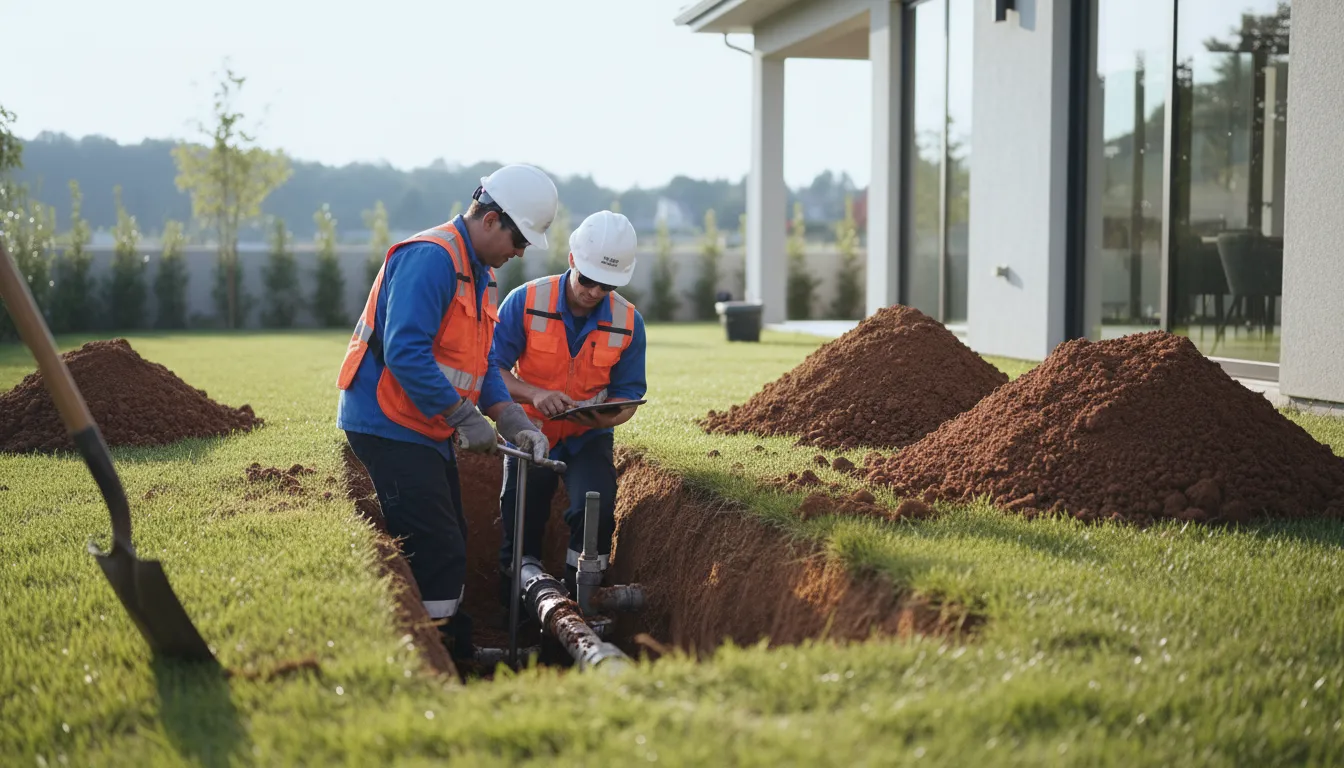
Find the Best Septic System Repair Companies for Your Business
No obligation • Fast responses • Nationwide coverage

Why you can trust Septic Spot
Septic Spot is a leading United States resource for understanding and comparing septic services. Our editors review providers using consistent criteria and verify key business details. Listings and scores are independent, and companies cannot pay to influence our content.
Search providers near you
Top Septic System Repair Companies in Melbourne, Florida Ranked
When your septic system shows signs of trouble-like slow drains, soggy patches in the yard, or unpleasant odors-it's a clear signal that professional septic system repair is needed. In Melbourne, Florida, these repairs are more than just a fix; they are regulated processes managed by local health authorities to protect public health and the sensitive environment of the Space Coast. This guide explains the common repairs, the required permitting and inspection steps, and how you can find qualified local professionals to restore your system to proper working order.
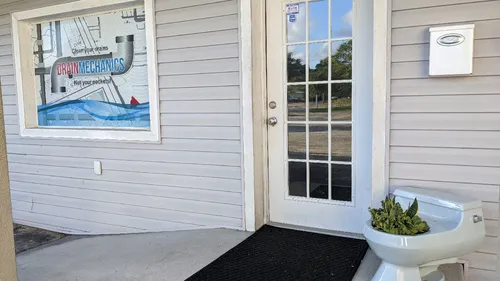
Drain Mechanics Plumbing & Septic
2681 Palm Bay Rd NE, Palm Bay, FL 32905
Drain Mechanics Plumbing & Septic is a master plumber and septic contractor based in Palm Bay, FL. They provide residential and commercial plumbing and septic services, including septic tank pumping, inspections, and system repairs. The company offers specialized capabilities such as hydro-jetting, video inspections, and grease trap maintenance. Drain Mechanics also provides backflow prevention testing and certification. They have skilled and certified personnel and offer 24/7 emergency services to address urgent plumbing and septic issues.
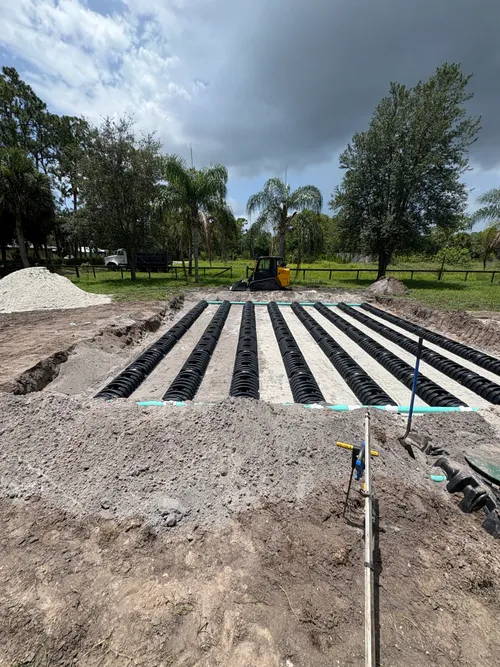
Top Notch Septic
454 Martin Rd #105, Palm Bay, FL 32909
Top Notch Septic is a septic service provider based in Palm Bay, FL, serving all of Brevard County. They offer a range of services including septic tank pumping, inspections for residential and commercial systems, septic system installation, drain field repair or replacement, grease trap pumping, and septic system locating. Their team manages the entire installation process from permit pulling to final inspection, ensuring systems function as designed.
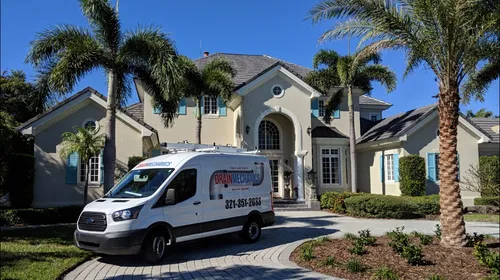
Drain Mechanics Plumbing & Septic
1501 Depew St SE, Palm Bay, FL 32909
Drain Mechanics Plumbing & Septic is a plumbing and septic service provider located in Palm Bay, FL. They offer residential and commercial plumbing repairs, septic tank pumping, inspections, and system maintenance. Their services include pipe repair and replacement with various piping types, drain cleaning with hydro-jetting and video inspections, and grease trap pump out. The company also provides backflow prevention testing and certification. Drain Mechanics Plumbing & Septic operates with certified and trained personnel and offers 24/7 emergency services to address urgent plumbing and septic issues.
Crotty Septic Services Palm Bay
4450 Gumbo Limbo Ln, Grant-Valkaria, FL 32949
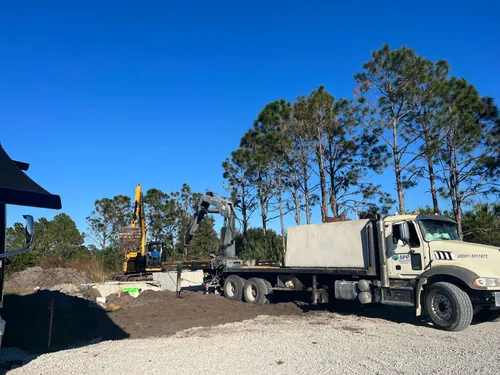
Crotty Septic Services Palm Bay is a septic system contractor serving Palm Bay, FL, and the surrounding region. With over 25 years of experience, they provide residential and commercial septic services including installation, inspection, pumping, repairs, and advanced wastewater system installations. Their capabilities include drainfield repairs and hydro-jet cleaning, ensuring efficient septic system operation. They also offer sitework solutions such as land clearing and grading. Crotty Septic Services covers areas including Brevard, Indian River, and St. Lucie Counties, with expertise in both standard and aerobic treatment systems.
ASAP Onsite Septic and Sewer
2715 Garden St, Malabar, FL 32950
ASAP Onsite Septic and Sewer is a family-owned septic and sewer service provider based near Palm Bay, FL. Serving Brevard and Indian River Counties, the company offers a range of services including septic system installation, drain field repair and replacement, aerobic system maintenance, septic tank pumping, lift station installation and maintenance, grease trap services, and city sewer tie-ins. With over 20 years of experience, ASAP Onsite Septic and Sewer manages the entire process from permitting to final inspection, ensuring compliance with local regulations. The company also provides 24-hour emergency service to address urgent septic and sewer issues promptly.
Understanding Septic System Repairs and Local Oversight
Septic system maintenance and repair in Brevard County fall under a specific regulatory framework. While the Florida Department of Environmental Protection (DEP) sets the statewide rules, the Brevard County Health Department is your local point of contact for permits and inspections 1. This means any significant fix to your onsite sewage treatment system requires navigating their processes.
A repair permit is mandatory for work involving the drainfield, tank structure, or any system modifications, including replacing components like baffles or installing a lift station. The goal of this oversight is to ensure repairs are performed correctly, preventing groundwater contamination and safeguarding the Indian River Lagoon ecosystem.
Common Types of Septic Repairs Needed in Melbourne
The subtropical climate, high water table, and sandy soil common in Melbourne can lead to specific system failures. Recognizing the type of repair needed is the first step.
- Drainfield Repair or Replacement: This is often the most extensive and costly repair. Drainfields can fail due to clogging from solids, biomat buildup, or hydraulic failure from a seasonally high water table 2. Signs include surfacing effluent or persistently soggy ground above the field.
- Tank Repair or Replacement: Concrete tanks can crack, and baffles or tees can deteriorate over time. Repair might involve patching a tank, but often, complete tank replacement is the safer, more permanent solution.
- Lift Station or Pump Installation: If your drainfield is at a higher elevation than your septic tank, a pump (or lift station) is needed to move effluent uphill. Installing or repairing this mechanical component is a common repair.
- Soil Amendment and Advanced Systems: In areas where native soil doesn't percolate properly, an engineered solution like a mound system or other advanced treatment system may be required as a repair strategy. These "performance-based treatment systems" often come with stricter maintenance requirements, including bi-annual inspections and service contracts 3 4.
The Step-by-Step Repair Process: From Diagnosis to Final Inspection
Engaging a licensed septic contractor initiates a multi-step process designed for compliance and long-term functionality.
- System Locating and Exposure: The contractor will first locate and carefully expose the septic tank manholes and the drainfield for assessment.
- Pump-Out and Inspection: It's highly recommended to pump the tank to allow for a thorough internal inspection. This reveals structural integrity, checks for cracks, and examines inlet/outlet baffles and filters 5.
- Diagnosis and Plan Submission: The contractor diagnoses the failure and develops a repair plan. This plan is submitted to the Brevard County Health Department to apply for the required repair permit.
- Permit Approval and Work: Once the permit is approved (and the fee is paid), the licensed professional can proceed with the actual repair work, whether it's replacing a section of drainfield, installing a new tank, or setting up a pump.
- Final Inspection: After the repair is complete but before the excavation is backfilled, a county inspector must perform a final inspection to approve the work. Only after this approval should the site be restored.
Find the perfect septic system repair companies for your needs
Get personalized recommendations and expert advice
Costs and Fees Associated with Septic Repairs
Understanding the potential costs helps in planning. These are typically separate from the contractor's labor and materials charges.
- Repair Permit Fee: The Brevard County fee for a repair permit, which includes a site evaluation, is $320 6.
- Re-inspection Fee: If a follow-up inspection is needed, a $75 re-inspection fee applies.
- Abandoned Tank Fee: If the repair involves taking an old tank out of service (abandoning it), an additional $70 fee is required 7.
- Professional Inspection Cost: Before a repair, a full system inspection by a licensed contractor typically ranges from $300 to $600 or more, depending on the system's size and complexity 8 9 10.
- Major Repair Costs: Significant repairs like full drainfield replacement or tank installation are major investments, often costing several thousand dollars. The final price depends entirely on the scope of work, soil conditions, and system type.
Choosing a Qualified Repair Professional in Melbourne
Given the regulatory and technical complexity, selecting the right contractor is critical. Always verify that the professional is licensed by the state of Florida to perform septic system work. Look for experienced local companies familiar with Brevard County's specific permit procedures and common soil challenges. They should be willing to pull all necessary permits, guide you through the county's requirements, and guarantee their work will pass the final inspection.
Note: For the most current fee schedules and regulatory details, contacting the Brevard County Environmental Health Department directly is always recommended 11.
Frequently asked questions
Sources
Footnotes
-
Septic Systems - Florida Department of Health - https://www.floridahealth.gov/community-environmental-public-health/environmental-public-health/water-quality/septic-systems/ ↩
-
Florida Well and Septic System Placement Regulations for ... - https://flengineeringllc.com/florida-well-septic-placement-2025/ ↩
-
Onsite Sewage & Septic - Florida Department of Health - https://www.floridahealth.gov/licensing-regulations/regulated-facilities/onsite-sewage-septic/ ↩
-
Florida New Septic System Law: What Homeowners Need to ... - https://rooterone.com/florida-homeowners-new-septic-system-law/ ↩
-
Understanding Septic Tank Plumbing in Florida - https://nfmplumbing.com/septic-tank-plumbing/ ↩
-
Septic Tank Servicing Florida: Maintenance Tips & Schedule - https://crewssepticsolutions.com/how-often-should-a-septic-tank-be-serviced-under-floridas-septic-maintenance-rules/ ↩
-
Repairs and Tank Abandonments - https://brevard.floridahealth.gov/wp-content/uploads/sites/8/2025/04/repairs-and-tank-abandonments.pdf ↩
-
Your Complete Guide to Septic System Inspections in Florida - https://southernsepticanddesign.com/septic-services-blog/your-complete-guide-to-septic-system-inspections-in-florida-what-contractors-and-property-owners-need-to-know/ ↩
-
Stay Compliant with Septic Tank Requirements in Florida - https://mathisandsonsseptic.com/mathis-sons-septic-blog-orlando-fl/florida-septic-tank-regulations-and-incentives-what-homeowners-need-to-know/ ↩
-
Stay Compliant: Avoid Fines with Septic System Regulations - https://smartsepticpros.com/blog/septic-system-regulations/ ↩
-
Florida Septic Tank Requirements | Onsite Sewage Treatment ... - https://www.ntotank.com/blog/florida-septic-tank-requirements ↩