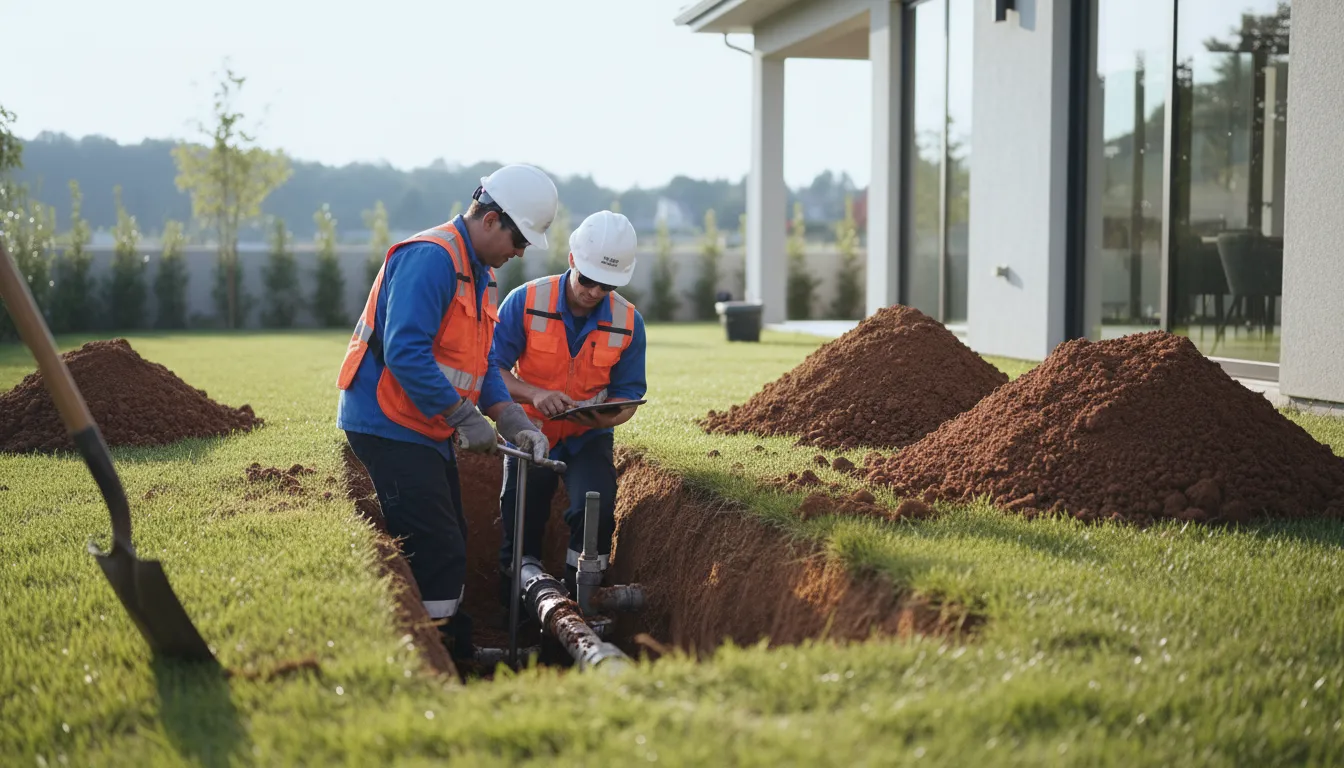
Find the Best Septic System Repair Companies for Your Business
No obligation • Fast responses • Nationwide coverage

Why you can trust Septic Spot
Septic Spot is a leading United States resource for understanding and comparing septic services. Our editors review providers using consistent criteria and verify key business details. Listings and scores are independent, and companies cannot pay to influence our content.
Search providers near you
Top Septic System Repair Companies in Sanford, Florida Ranked
A failing septic system is more than an inconvenience; it's a serious health and environmental hazard. Septic system repair involves diagnosing and fixing issues with your onsite sewage treatment and disposal system (OSTDS), from minor component replacements to major drain field overhauls. In Sanford, these repairs are strictly regulated to protect Florida's groundwater. This guide will help you understand the repair process, local regulations, and how to find qualified professionals to restore your system to proper working order.
Lapin Services
3031 40th St, Orlando, FL 32839
Lapin Services offers septic tank pumping, inspection, repair, and installation in Tampa, FL. They also provide sewer services including grease trap cleaning, vactor sewer cleaning, lift station inspections, and wastewater treatment plant cleaning. The company is licensed, bonded, and insured, employing trained technicians with specialized equipment. Lapin Services serves a wide area across Central Florida, including many surrounding communities. Their team is committed to thorough septic and plumbing work, treating customers like family.
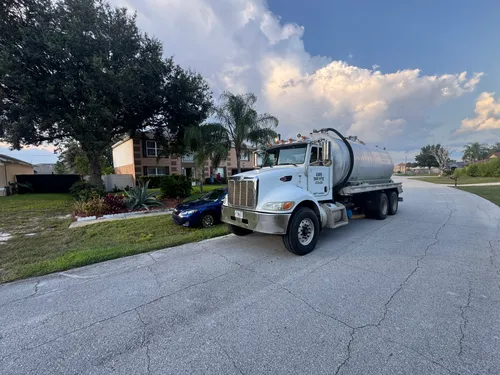
Always There Septic
Orlando, FL
Always There Septic provides a full range of septic system services in Orlando, FL, including septic tank pumping, inspections, repairs, and installation for both residential and commercial properties. They handle drain field repair and replacement, septic pump repair, and commercial grease trap cleaning, ensuring systems meet Florida Code and operate properly. The company offers 24/7 emergency septic services and manages all permitting and inspections for new installations or replacements, aiming for a smooth process from start to finish.
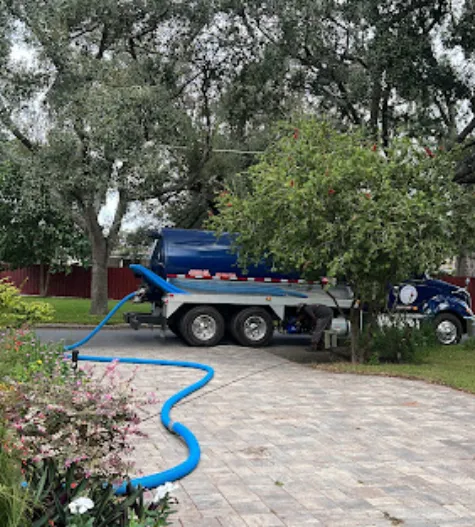
Clear Flow Environmental
15232 E Colonial Dr, Orlando, FL 32826
Clear Flow Environmental is a septic system service provider based in Orlando, FL. They offer a range of services including septic tank pumping, inspections, installations, and repairs, as well as drain field troubleshooting and replacement. The company also handles grease trap maintenance and outdoor plumbing issues. Clear Flow Environmental provides city sewer tie-in services to connect properties to municipal sewage systems where available. They utilize bioForce Plus bacterial waste degrader to maintain drainlines and grease traps effectively.
Brightwater Plumbing of Orlando
751 Business Park Blvd #101, Winter Garden, FL 34787
Brightwater Plumbing of Orlando is a family-owned company serving Orlando, FL, and the surrounding areas. They offer septic system services including pumping, repairs, and maintenance tailored to the unique challenges of Central Florida's soil and climate. Their expertise includes septic line jetting to prevent blockages and sewer camera inspections to accurately diagnose underground issues. With over 25 years of experience, Brightwater Plumbing combines local knowledge with specialized equipment to support septic system health and longevity.
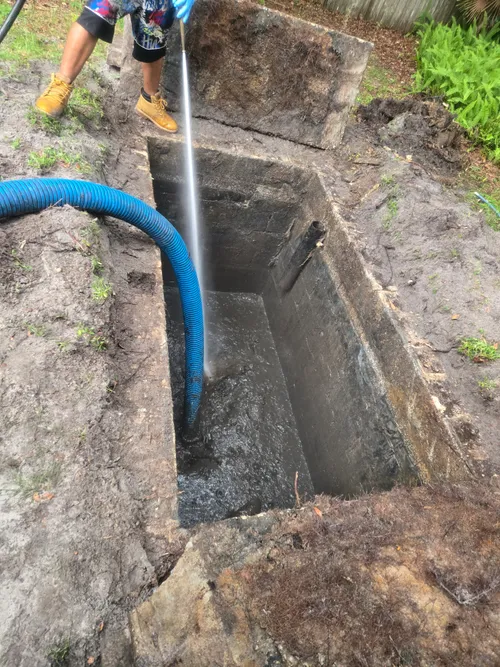
Flush and Go Drain & Septic Cleaning LLC
3940 Moores Station Rd, Sanford, FL 32773
Flush and Go Drain & Septic Cleaning LLC provides septic tank pumping, inspection, and repair services in Orlando, FL. They also offer drain field installation and grease trap cleaning, with a focus on maintaining septic system health and preventing backups. The company uses video line inspections to diagnose issues without extensive digging. With over 20 years of experience, Flush and Go offers emergency and 24/7 services to address urgent septic needs.
Understanding Septic System Regulations in Seminole County
All septic system work in Sanford falls under the oversight of the Florida Department of Health (DOH) in Seminole County, with statewide regulations managed by the Florida Department of Environmental Protection (DEP) 1. A critical rule for homeowners is that any modification, repair, or replacement of your septic system requires a permit from the local health department. This ensures the work meets state codes designed to prevent groundwater contamination.
Furthermore, repairs must be performed by a registered septic tank contractor. Hiring a licensed professional is not just a recommendation-it's a legal requirement for most repair jobs. They understand the permitting process, can correctly diagnose issues, and ensure the fix is compliant, protecting your investment and your property.
Common Types of Septic Repairs Needed in Sanford
Different symptoms point to different problems within your onsite wastewater system. Here are the most frequent repairs undertaken by specialists in the Sanford area.
Baffle Repair or Replacement
The inlet and outlet baffles inside your septic tank are crucial. They prevent scum and solids from flowing out into the drain field. If these baffles become damaged or deteriorate, solids can escape and quickly clog the soil absorption area. Repairing or replacing baffles is a common and often relatively minor fix that can prevent a much larger, more expensive drain field failure.
Drain Field Restoration or Replacement
This is typically the most significant and costly repair. A drain field (or leach field) can fail due to age, hydraulic overloading, or clogging from solids. Signs include soggy ground, sewage odors, or sewage backing up into the home. Depending on the severity, solutions range from innovative rejuvenation techniques to a complete replacement of the soil absorption system 2 3.
Pump or Lift Station Repair
Many homes in Florida, due to soil conditions or elevation, require a pump or lift station to move effluent from the septic tank to the drain field. If this pump fails, the entire system stops working. Repairing or replacing the pump, floats, and electrical components is a specialized task often needed for these pressure-dosed systems.
Tank Replacement
While septic tanks are durable, they can crack, corrode (in the case of steel), or suffer structural failure over decades. A compromised tank can leak raw sewage into the ground or allow groundwater to flood in, disrupting the treatment process. Full tank replacement involves excavating the old tank and installing a new concrete or plastic one.
The Diagnostic Process: From Symptom to Solution
Before any repair can be quoted or permitted, a thorough inspection and diagnosis must occur. Here's what you can expect when a professional assesses your system for needed fixes.
1. Locate & Access: The contractor will locate your tank and drain field, then open the access manholes. Accurate location is the first critical step 4.
2. Site & Surface Assessment: The technician will look for telltale signs of trouble: unusually lush grass over the drain field, foul odors, or wet, soggy areas on your property 5.
3. Internal Tank Inspection: They will check the tank's water level (which can indicate drain field blockage), look for structural cracks, and inspect the condition of the baffles and tees 6.
4. System Function Test: Running water in the house and checking how the system accepts and disperses flow is a key test. For more advanced diagnostics, a camera may be sent through the pipes to locate cracks, roots, or collapses 7.
5. Detailed Report & Recommendation: A reputable contractor will provide a written report detailing the system's condition, the cause of any failure, and the recommended repairs. This report is often necessary for obtaining the required repair permit from the health department.
Find the perfect septic system repair companies for your needs
Get personalized recommendations and expert advice
Cost Considerations for Septic Repairs
Repair costs in Sanford vary widely based on the problem's nature and extent. It's important to get multiple estimates from licensed contractors.
- Inspections & Diagnostics: A professional inspection to diagnose issues typically costs between $200 and $500, depending on the system's complexity and the tests performed 8.
- Minor Repairs: Fixing baffles, replacing a damaged pipe, or repairing a pump control float might range from $500 to $1,500.
- Major Repairs: Significant work like drain field restoration or full tank replacement represents a major investment. These projects can range from $3,000 to well over $10,000, depending on the system size, soil conditions, and accessibility 9.
- Financial Assistance: Homeowners should inquire about local and state incentive programs. As noted by industry professionals like Mathis & Sons Septic, Florida sometimes offers grants or low-interest loan programs to help offset the cost of necessary system upgrades or repairs that benefit water quality 10.
The Importance of Regular Maintenance to Avoid Repairs
The best repair is the one you never need. Adhering to a regular maintenance schedule is the most effective way to avoid catastrophic system failure and costly emergency fixes.
For conventional septic systems in Florida, the recommended inspection interval is every 3 to 5 years 11. However, if your home has a more advanced performance-based treatment system (PSTS), state law requires more frequent biannual inspections and maintenance. Regular pumping (typically every 3-5 years, but frequency depends on household size and tank capacity) removes accumulated solids that could otherwise clog and damage the drain field-the most expensive component to repair.
Disclaimer: Regulations, permit requirements, and available incentive programs can change. For the most current information regarding your specific property and repair needs, contacting the Florida Department of Health in Seminole County directly is always advised 12.
Frequently asked questions
Sources
Footnotes
-
Septic Systems - Florida Department of Health - https://www.floridahealth.gov/community-environmental-public-health/environmental-public-health/water-quality/septic-systems/ ↩
-
Septic Tank Servicing Florida: Maintenance Tips & Schedule - https://crewssepticsolutions.com/how-often-should-a-septic-tank-be-serviced-under-floridas-septic-maintenance-rules/ ↩
-
Septic Inspection Process: What Homeowners Should Know | LunsPro - https://www.lunspro.com/vlog/the-septic-system-inspection-process-what-homeowners-should-know ↩
-
Understanding Septic Tank Inspections: A Complete Homeowner's ... - https://septic-masters.com/septic-tank-inspection-homeowner-guide/ ↩
-
Septic Inspection Explained: What Homeowners Can Expect - https://www.townesseptic.com/blog/what-happens-during-a-septic-inspection ↩
-
What Really Happens During a Septic Inspection? A Step-by-Step Look - https://www.a1septicorlando.com/what-really-happens-during-a-septic-inspection-a-step-by-step-look ↩
-
Step-By-Step Guide to Reviving an Idle Septic Tank on Vacant Land - https://jtserviceco.com/step-by-step-guide-to-reviving-an-idle-septic-tank-on-vacant-land/ ↩
-
Understanding Georgia's Septic Inspection Requirements - https://smartsepticpros.com/blog/septic-inspection-requirements/ ↩
-
What are the costs and maintenance requirements for new septic ... - https://www.facebook.com/groups/TinyHouseFL/posts/2594963570663282/ ↩
-
Stay Compliant with Septic Tank Requirements in Florida - https://mathisandsonsseptic.com/mathis-sons-septic-blog-orlando-fl/florida-septic-tank-regulations-and-incentives-what-homeowners-need-to-know/ ↩
-
Septic System Owner's Guide - St. Johns County Health Department - https://stjohns.floridahealth.gov/wp-content/uploads/sites/57/2025/06/septic-folder-8x11-link2.pdf ↩
-
Onsite Sewage & Septic - Florida Department of Health - https://www.floridahealth.gov/licensing-regulations/regulated-facilities/onsite-sewage-septic/ ↩