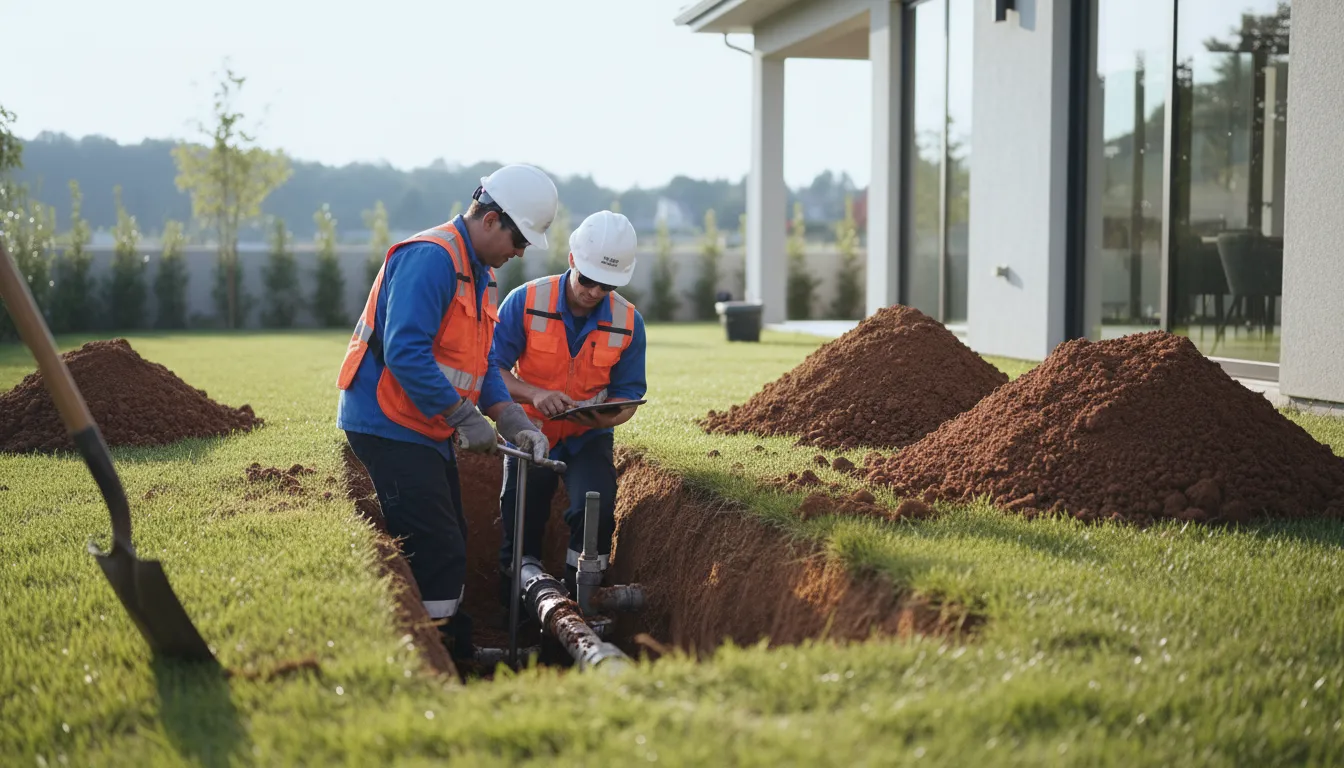
Find the Best Septic System Repair Companies for Your Business
No obligation • Fast responses • Nationwide coverage

Why you can trust Septic Spot
Septic Spot is a leading United States resource for understanding and comparing septic services. Our editors review providers using consistent criteria and verify key business details. Listings and scores are independent, and companies cannot pay to influence our content.
Search providers near you
Top Septic System Repair Companies in St Cloud, Florida Ranked
A failing septic system is a serious issue for any Florida homeowner, posing health risks and potential environmental damage. Timely and proper repair is essential to protect your property, your family, and the state's sensitive groundwater. This guide provides clear, practical information on navigating septic system repairs in Florida, from understanding costs and regulations to finding qualified local professionals who can diagnose and fix your system correctly.
Lapin Services
3031 40th St, Orlando, FL 32839
Lapin Services offers septic tank pumping, inspection, repair, and installation in Tampa, FL. They also provide sewer services including grease trap cleaning, vactor sewer cleaning, lift station inspections, and wastewater treatment plant cleaning. The company is licensed, bonded, and insured, employing trained technicians with specialized equipment. Lapin Services serves a wide area across Central Florida, including many surrounding communities. Their team is committed to thorough septic and plumbing work, treating customers like family.
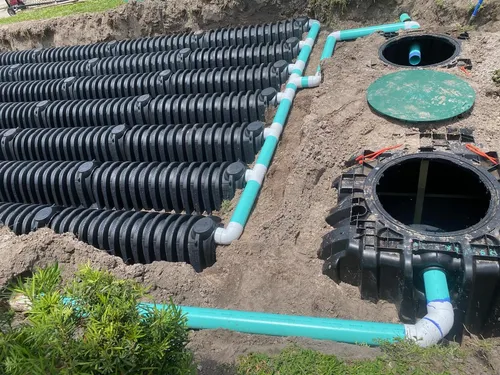
Orlando Septic Services
Orlando, FL
Orlando Septic Services provides septic system installation, repair, and maintenance in Orlando, FL. They handle septic tank pumping, drain field repair, and commercial and residential system installations. Their capabilities include lift station repair, main line jetting, and pump replacements, covering a wide range of septic system needs.
All Around Septic Service inc
Tampa, FL
All Around Septic Service inc is a licensed septic system repair and installation company serving Tampa, FL. The company is registered with Florida's Department of Health and complies with state and federal regulations to ensure environmentally safe and quality septic services. They emphasize the importance of using licensed contractors to avoid issues such as septic leaks and contamination of local water sources. All Around Septic Service inc offers a warranty on their work, reflecting their commitment to proper septic system management.
Clear Flow Environmental
15232 E Colonial Dr, Orlando, FL 32826
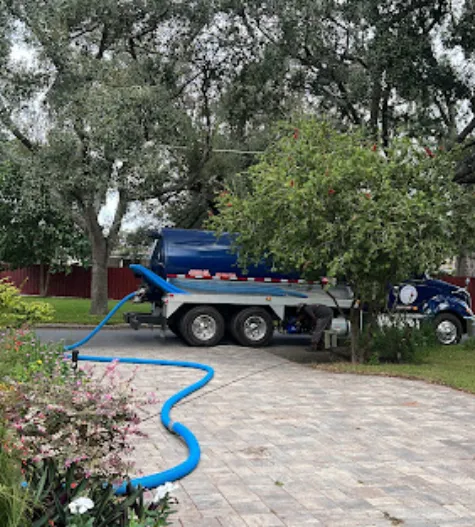
Clear Flow Environmental is a septic system service provider based in Orlando, FL. They offer a range of services including septic tank pumping, inspections, installations, and repairs, as well as drain field troubleshooting and replacement. The company also handles grease trap maintenance and outdoor plumbing issues. Clear Flow Environmental provides city sewer tie-in services to connect properties to municipal sewage systems where available. They utilize bioForce Plus bacterial waste degrader to maintain drainlines and grease traps effectively.
Brightwater Plumbing of Orlando
751 Business Park Blvd #101, Winter Garden, FL 34787
Brightwater Plumbing of Orlando is a family-owned company serving Orlando, FL, and the surrounding areas. They offer septic system services including pumping, repairs, and maintenance tailored to the unique challenges of Central Florida's soil and climate. Their expertise includes septic line jetting to prevent blockages and sewer camera inspections to accurately diagnose underground issues. With over 25 years of experience, Brightwater Plumbing combines local knowledge with specialized equipment to support septic system health and longevity.
Understanding Florida's Septic System Regulations
Repairing a septic system in Florida is a regulated process designed to protect public health and water resources. The Florida Department of Health (DOH) and the Department of Environmental Protection (DEP) oversee onsite sewage treatment and disposal systems (OSTDS) through Chapter 62-6 of the Florida Administrative Code 1. A key rule is that any repair must bring the system as close as possible to current code standards. This means you often cannot simply patch an old system; the repair work must meet modern requirements for materials, design, and environmental protection.
Before any shovel hits the ground, a construction permit must be obtained from your county's local health department 2 3. The permit application typically requires a detailed site plan and, for repairs, an "Existing System and System Repair Evaluation Form" to assess the failure 3 4. The permit fee for a repair is generally around $350 2. It is illegal to begin work without this approved permit. Furthermore, all repair work must be performed by a licensed septic contractor registered with the state 2 5.
Common Causes of Septic Failure in Florida
Florida's unique environment presents specific challenges for septic systems. Understanding these can help you identify problems early and communicate effectively with a repair professional.
- High Water Tables: Much of Florida has a seasonally high water table. If the groundwater rises into the drainfield, it can saturate the soil, preventing effluent from properly percolating and causing backups. Systems in these areas often require specialized designs like raised mound systems to maintain the necessary separation from groundwater.
- Sandy Soil: While sandy soil allows for fast drainage, it offers limited natural filtration of pathogens and nutrients. This can lead to groundwater contamination if the system is not properly designed or is failing. Specific drainfield designs are required to compensate for this 6.
- Age and Lack of Maintenance: Like any component of a home, septic systems wear out. Tanks can crack, inlet/outlet baffles can deteriorate, and drainfield pipes can clog or collapse over time, especially without regular pumping.
- Hydraulic Overload: Excessive water use from leaks, long showers, or doing all laundry in one day can overwhelm the system, pushing untreated wastewater into the drainfield before it has time to settle and treat in the tank.
The Septic System Repair Process
Navigating a repair from start to finish involves several key steps.
- Problem Identification & Evaluation: Signs of failure include slow drains, sewage backups, soggy bright green grass over the drainfield, or foul odors. A licensed contractor will perform an inspection, often including a tank pump-out, to diagnose the exact issue-whether it's a tank problem, a drainfield issue, or both.
- Permit Application: Your contractor will typically handle the permit process. They will submit the required evaluation form and site plan to the local health department for approval. Do not proceed until you have the permit in hand.
- Execution of Repair: The licensed professional will complete the approved repair work. Florida law explicitly states that no permanent structure, like a deck or patio, can be built over any part of the septic system if it restricts access for maintenance and repair.
- Final Inspection: Once work is complete, the local health department will conduct a final inspection to ensure the repair complies with the permit and state codes. Only after passing this inspection is the system legally approved for use.
Repair Costs and Considerations
The cost to fix a septic system in Florida varies widely based on the type and extent of the failure, soil conditions, and system type. Here is a general breakdown of potential costs 7 8 9 10:
- Minor Repairs: Simple fixes like replacing a damaged baffle or repairing a cracked pipe may cost between $300 and $900.
- Standard System Repair/Restoration: Addressing common drainfield issues or performing significant tank repairs typically ranges from $1,200 to $6,000.
- Major Repair or Tank Replacement: Completely replacing a standard septic tank and related components usually falls between $3,000 and $8,000.
- Advanced System Repair/Replacement: If your home requires an Aerobic Treatment Unit (ATU) or a raised mound system due to poor soil or high water, repair or full replacement costs can be $10,000 to $20,000 or more.
It's crucial to get a detailed assessment and quote. Sometimes, a failing system cannot be legally repaired and must be fully replaced to meet current standards, especially if it is an old cesspit or was never permitted 11.
Find the perfect septic system repair companies for your needs
Get personalized recommendations and expert advice
Critical Setback Requirements
Florida regulations enforce strict horizontal separation distances, or "setbacks," between septic system components and other features. These are non-negotiable for repairs and replacements. Key setbacks include distances from water bodies (like lakes and wetlands), drinking water wells, property lines, and building foundations 12 13 14. Your contractor and the health department will verify that your repair plan adheres to all applicable setbacks. Failure to meet these can limit your repair options and may necessitate a more expensive alternative system design.
Choosing the Right Repair Professional
Selecting a qualified contractor is the most important decision you'll make. Always verify that the professional holds a current Florida license for septic contracting. They should be familiar with your county's specific health department procedures and the unique soil challenges in your area. Ask for references from recent repair jobs and confirm they will handle the entire permit process from application to final inspection. A reputable pro will provide a clear, written estimate that details the scope of work, materials, and projected timeline.
Maintaining Your System Post-Repair
After investing in a repair, protect that investment with proper maintenance. Have your tank pumped regularly (typically every 3-5 years, but consult your professional). Conserve water to avoid overloading the system. Avoid flushing anything besides human waste and toilet paper, and never pour grease or harsh chemicals down the drain. Keep vehicles and heavy equipment off the drainfield area. Proper care will extend the life of your repair and help prevent future failures.
Frequently asked questions
Sources
Footnotes
-
Onsite Sewage Program | Florida Department of Environmental Protection - https://floridadep.gov/water/onsite-sewage ↩
-
62-6 Standards for Onsite Sewage Treatment and Disposal ... - https://pasco.floridahealth.gov/wp-content/uploads/sites/53/2025/06/62-6.pdf ↩ ↩2 ↩3
-
Failing Septic System Repair Application Requirements - https://lee.floridahealth.gov/programs-and-services/environmental-health/onsite-sewage-disposal/permits/ostds-repair-permit/ ↩ ↩2
-
The Builder's Guide to Septic Permit Services - https://landperc.com/septic-permit-services-builders/ ↩
-
Onsite Sewage FAQ - Permitting | Florida Department of ... - https://floridadep.gov/water/onsite-sewage/content/onsite-sewage-faq-permitting ↩
-
Septic Drainfield Design 101: A Complete Guide - Land Perc - https://landperc.com/septic-drainfield-design-guide/ ↩
-
How Much Does Septic Tank Repair Cost? [2026 Data] | Angi - https://www.angi.com/articles/how-much-does-repairing-septic-tank-cost.htm ↩
-
Cost Of Septic System Restoration Vs Septic System Replacement - https://www.aero-stream.com/cost-of-septic-system-restoration-vs-septic-system-replacement/ ↩
-
How Much Does It Cost to Repair a Septic Tank? - https://www.wepumpitsepticservice.com/how-much-does-it-cost-to-repair-septic-tank ↩
-
Understanding the Costs of Septic Tank Installation and Repair - https://mathisandsonsseptic.com/mathis-sons-septic-blog-orlando-fl/understanding-the-costs-of-septic-tank-installation-and-repair/ ↩
-
Fla. Admin. Code Ann. R. 62-6.0181 - System Repair and Cesspit ... - https://www.law.cornell.edu/regulations/florida/Fla-Admin-Code-Ann-R-62-6-0181 ↩
-
Local Septic Regulations Florida Homeowners Should Know - https://www.yoursepticmasters.com/local-septic-regulations-florida-homeowners-should-know ↩
-
Florida Septic System Design Requirements: A Guide - Land Perc - https://landperc.com/septic-system-design-requirements-florida/ ↩
-
Florida Well and Septic System Placement Regulations for New Construction (2025 Guide) - https://flengineeringllc.com/florida-well-septic-placement-2025/ ↩