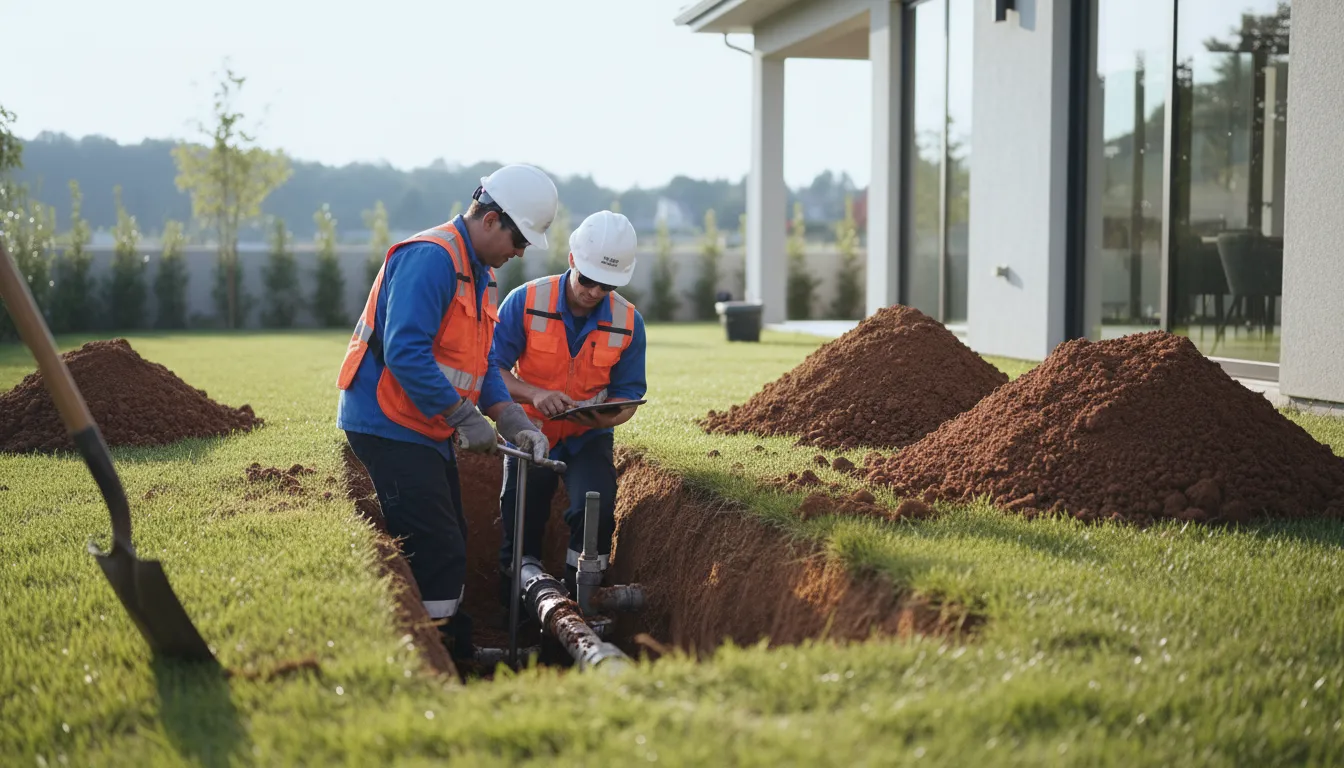
Find the Best Septic System Repair Companies for Your Business
No obligation • Fast responses • Nationwide coverage

Why you can trust Septic Spot
Septic Spot is a leading United States resource for understanding and comparing septic services. Our editors review providers using consistent criteria and verify key business details. Listings and scores are independent, and companies cannot pay to influence our content.
Search providers near you
Top Septic System Repair Companies in Belleville, Illinois Ranked
A failing septic system is a serious issue for any Belleville homeowner, posing health risks and potential property damage. Septic system repair involves diagnosing and fixing problems with your tank, drain field, or other components to restore safe wastewater treatment. This guide explains the local regulations, common repair types, and the process for getting your system back in working order, helping you connect with qualified local professionals for the job.
Superior Sewer Co
11084 Gravois Industrial Ct, St. Louis, MO 63128
Superior Sewer Co is a family-owned septic system repair company serving St Louis, MO, and the surrounding region including the Illinois border. With over 30 years of experience, they provide a wide range of sewer and plumbing services such as drain cleaning, sewer line replacements, trenchless repairs, and hydro jetting for tough blockages. Their team offers same-day inspections and typically completes services within 48 hours, focusing on efficient and fair solutions for sewer and plumbing needs.
Shults Septic Service, LLC
5656 Saxtown Rd, Millstadt, IL 62260
Shults Septic Service, LLC is a locally owned company based near St Louis, MO, specializing in septic system design, installation, inspection, and repair. They provide customized solutions tailored to each customer's specific septic needs and offer service and maintenance agreements to help keep systems functioning properly. Their team focuses on identifying problems accurately and delivering appropriate services to address them.
Understanding Septic System Regulations in St. Clair County
All septic system work in Belleville is governed by strict local and state codes. The St. Clair County Health Department (SCCHD) is the primary regulatory authority, and compliance is not optional-it's a legal requirement designed to protect public health and groundwater.
Key regulatory points include:
- Permit Required: Any repair, construction, or alteration of a septic system requires a permit from the SCCHD. Starting work without a permit can result in fines and orders to remove unapproved work.
- Application Fee: A non-refundable fee of $300 is required upon submission of the permit application to the health department.
- Licensed Professionals: All repairs must be performed by an Illinois-licensed contractor or a licensed St. Clair County private sewage disposal contractor. Hiring an unlicensed individual is illegal and risky.
- Inspections & Compliance: The health department conducts on-site consultations to ensure system designs and repairs meet the Illinois Department of Public Health (IDPH) code. Systems must also be evaluated regularly, with pumping recommended every 3 to 5 years to prevent failures.
Common Signs You Need Septic Repairs
Recognizing early warning signs can prevent a minor issue from becoming a major, costly failure. If you notice any of the following, it's time to call a licensed professional for an inspection 1 2:
- Slow Drains: Sinks, showers, and toilets that drain slowly, especially if accompanied by gurgling sounds.
- Sewage Odors: Unpleasant smells inside your home or around the yard near the drain field.
- Wet, Spongy Yard: Soggy ground or standing water over the drain field, particularly when it hasn't rained.
- Unusually Green Grass: Patches of grass over the drain field that are much lusher and greener than the rest of the lawn.
- Sewage Backups: Wastewater backing up into household drains or toilets.
The Septic Inspection Process
Before any repair is specified, a thorough inspection is essential. A proper evaluation, often required by the health department for permit approval, typically involves these steps 3 4 5:
- Locate System Components: The technician finds and uncovers the tank and access ports.
- Pump & Measure: The tank is pumped to evaluate sludge and scum levels. A general rule is that the combined sludge and scum should not fill more than one-third of the tank's capacity.
- Structural Inspection: The tank is checked for cracks, leaks, or failing baffles and tees-critical components that prevent solids from entering the drain field.
- Drain Field Assessment: The area is checked for signs of failure, such as saturated soil or surfacing sewage.
- Inspection Report: Findings are documented in a report, which is necessary for obtaining repair permits and understanding the full scope of needed work.
Types of Septic System Repairs in Belleville
The specific fix depends on what the inspection reveals. Here are common septic repairs and rehabilitations performed in the area:
Minor Component Repairs:
- Replacing or Repairing Baffles/Tees: This is a common fix to prevent solids from leaving the tank and clogging the drain field. While a critical repair, it is often on the lower end of the cost spectrum.
- Jetting or Cleaning Lateral Lines: High-pressure water jetting can remove buildup and bio-mat in the perforated pipes of the drain field, potentially restoring function without full excavation 6.
Major System Repairs & Replacements:
- Drain Field Extension or Replacement: If the soil absorption area is permanently clogged (a condition called "failure"), the system may require a new drain field. This is a significant excavation project.
- Tank Replacement: Upgrading to a new, code-compliant tank is necessary if the existing one is cracked, collapsed, or made of outdated materials like steel, which corrodes over time.
- Installing Alternative Systems: If the site soil cannot support a traditional septic system, a licensed professional may design an alternative, such as an aerobic treatment unit (ATU), which is regulated by the IDPH 7.
Find the perfect septic system repair companies for your needs
Get personalized recommendations and expert advice
Understanding Repair Costs and Planning
Costs for septic work in Belleville vary widely based on the repair's complexity, soil conditions, and system size. It's important to budget for both the repair itself and the required permits.
- Permit Fee: The St. Clair County Health Department permit application fee is $300.
- Minor Repairs: Fixing components like baffles or having lines jetted typically represents a lower cost investment.
- Major Work: Costs for lateral line replacement, installing an aerobic unit, or a full system replacement are significantly higher, often ranging from several thousand to over $10,000-$20,000, depending on the system type and site challenges 8 9 10.
Financial Planning Tip: When comparing estimates, ensure every quote includes line items for the required health department permit and any necessary follow-up inspections. A reputable, licensed contractor will factor these into their proposal.
Steps to Take for a Successful Repair Project
- Contact the St. Clair County Health Department: Before contacting contractors, call the SCCHD Environmental Programs division. They can clarify permit requirements for your specific situation and provide a list of licensed private sewage disposal contractors in the area.
- Hire a Licensed Contractor: Always verify a contractor's license with the state of Illinois and St. Clair County. Licensed professionals understand local codes, can pull the necessary permits, and ensure the work passes inspection 11.
- Follow a Maintenance Schedule: To avoid future repairs, inspect your system annually and pump the tank every 3 to 5 years, as recommended by the EPA and local health officials 12.
- Be Proactive: Don't ignore warning signs. Addressing slow drains or odors early can prevent a full system failure and a much larger repair bill.
Frequently asked questions
Sources
Footnotes
-
10 Signs Your Septic System is Failing (And What to Do About It) - https://www.atsenvironmental.com/blog/10-signs-your-septic-system-is-failing-and-what-to-do-about-it/ ↩
-
septic-systems.pdf - Illinois Environmental Protection Agency - https://epa.illinois.gov/content/dam/soi/en/web/epa/documents/water/conservation/lake-notes/septic-systems.pdf ↩
-
Buying and Selling Homes | Septic Systems - Illinois Extension - https://extension.illinois.edu/septic-systems/buying-and-selling-homes ↩
-
DIY Septic Tank Inspections - Flohawks - https://flohawks.com/diy-septic-tank-inspections-a-step-by-step-guide/ ↩
-
How Septic Systems Are Inspected - https://bennettinc.ca/blog/how-septic-systems-are-inspected/ ↩
-
How to Get Septic to Pass Inspection - https://www.guardianangelinspections.com/how-to-get-septic-to-pass-inspection ↩
-
Private Sewage Disposal - Illinois Department of Public Health - https://dph.illinois.gov/topics-services/environmental-health-protection/private-sewage-disposal.html ↩
-
Water & Private Sewage | St. Clair County Health Department - https://scchealthdept.com/environmental-programs/water-private-sewage/ ↩
-
Illinois Septic Tank Requirements - https://www.ntotank.com/blog/illinois-septic-tank-requirements ↩
-
Pre-Purchase Septic Inspections: Protect Your Investment | Septic System Professionals - https://septic911.com/prepurchase-septic-inspections/ ↩
-
SEPTIC SYSTEMS OWNERS - Field Street Properties, LLC - https://www.fieldstreetproperties.com/pdf/Septic%20System%20Owners.pdf ↩
-
How to Care for Your Septic System | US EPA - https://www.epa.gov/septic/how-care-your-septic-system ↩