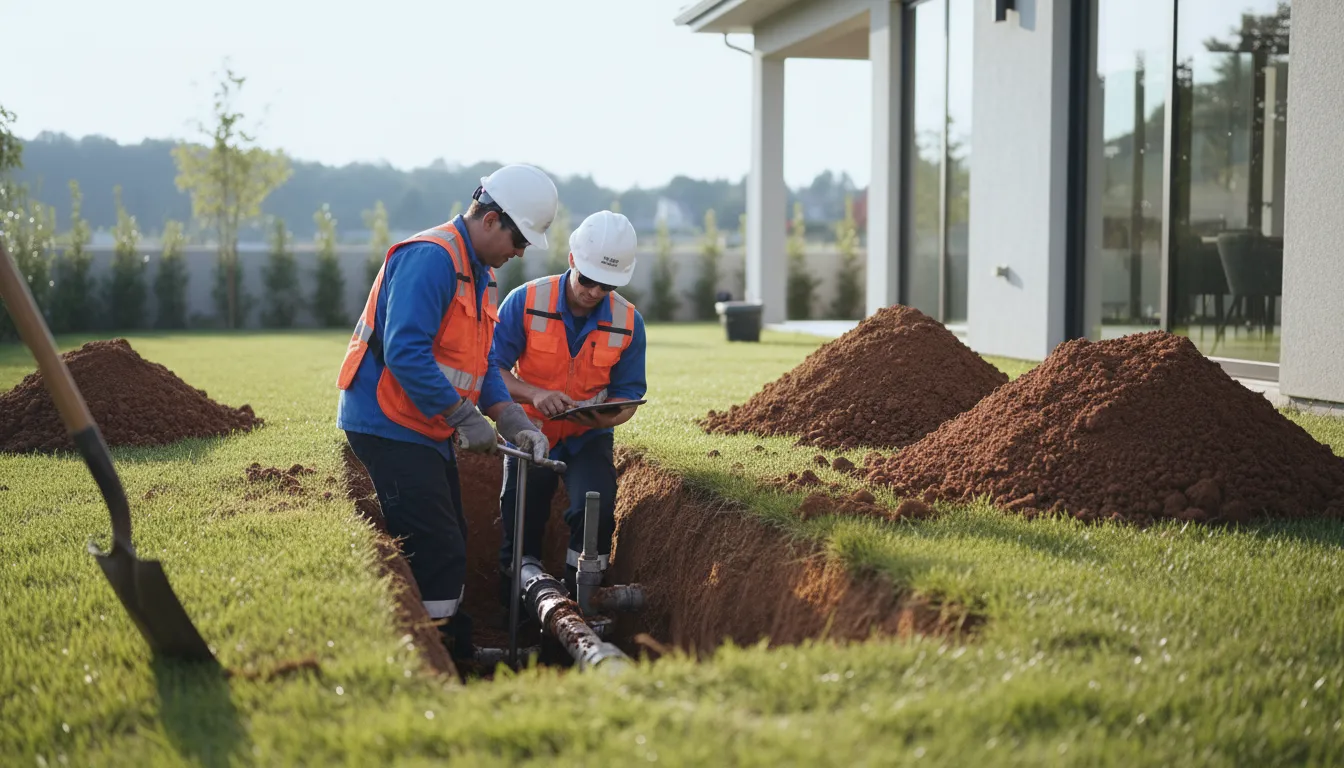
Find the Best Septic System Repair Companies for Your Business
No obligation • Fast responses • Nationwide coverage

Why you can trust Septic Spot
Septic Spot is a leading United States resource for understanding and comparing septic services. Our editors review providers using consistent criteria and verify key business details. Listings and scores are independent, and companies cannot pay to influence our content.
Search providers near you
Top Septic System Repair Companies in Chicago, Illinois Ranked
When your home's private sewage disposal system fails, it's more than an inconvenience-it's a public health concern that requires immediate, professional attention. Septic system repair involves diagnosing and fixing issues with the tank, pipes, or drain field to restore proper wastewater treatment and disposal on your property. In a densely populated area like Chicago and Cook County, these systems are strictly regulated to protect groundwater and community health. This guide will help you understand the local repair process, common issues, and how to connect with qualified professionals who can ensure your system meets all Illinois and Cook County requirements.

Suburban Plumbing Sewer Line and Drain Cleaning Experts
9100 Plainfield Rd Suite #9A, Brookfield, IL 60513
Suburban Plumbing Sewer Line and Drain Cleaning Experts is a full-service plumbing company serving Chicago, IL, and the greater Chicagoland area. They provide a wide range of services including septic tank pumping, inspections, repairs, and new system installations, as well as sewer line repairs, drain cleaning, water heater services, and flood control solutions. With over 30 years of experience, their licensed and insured technicians use advanced equipment like hydro jetting and sewer camera inspections to deliver effective plumbing solutions. The company offers 24/7 emergency plumbing services to address urgent issues promptly.
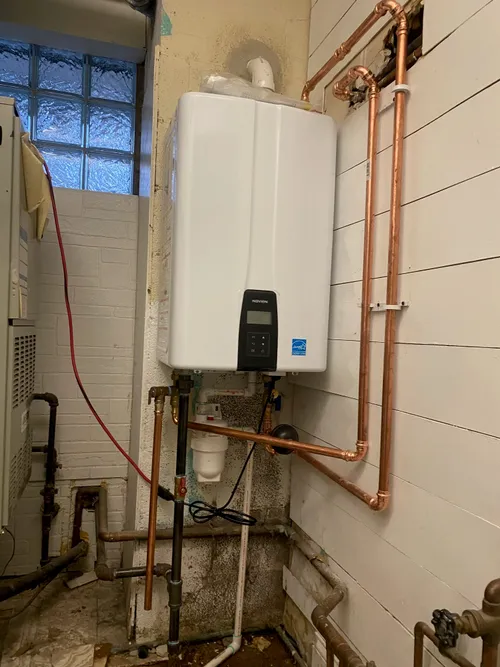
Feikema Plumbing & Sanitation
1854 Ridge Rd, Munster, IN 46321
Feikema Plumbing & Sanitation is a family-owned business based in Munster, IN, serving the Chicago, IL area with plumbing and septic system services. Established in 1956, they offer a wide range of solutions including septic tank pumping, septic system repairs, drain cleaning, water heater installation, and sewer maintenance. Their expertise includes advanced diagnostics using sewer cameras and modern rodding tools. With over 60 years of experience, Feikema Plumbing & Sanitation combines local community focus with licensed, bonded, and insured service.
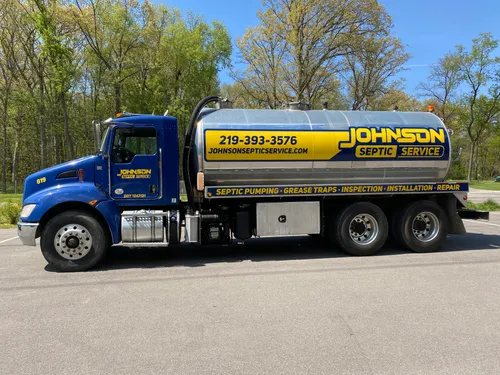
Johnson Septic Service
7523 S 1st Line Rd, Kingsbury, IN 46345
Johnson Septic Service provides septic tank pumping, inspection, repair, and installation services in Chicago, IL. They also offer grease trap pumping and use Bio-Tabs as part of their service options. The company serves the northwest Indiana area with a focus on quality septic system maintenance and repair.
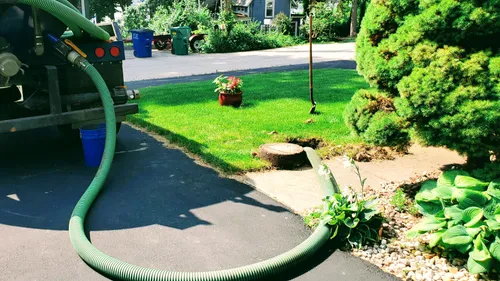
Dogtag Septic Sevices LLC
2714 Nowak Dr, La Porte, IN 46350
Dogtag Septic Services LLC is a family-owned company based near Chicago, IL, specializing in septic tank inspections and small repairs. They are certified through I.O.W.P.A and NAWT to perform septic inspections required for home title transfers and ensure systems meet code standards. The company focuses on educating customers about proper septic maintenance and providing knowledgeable service.
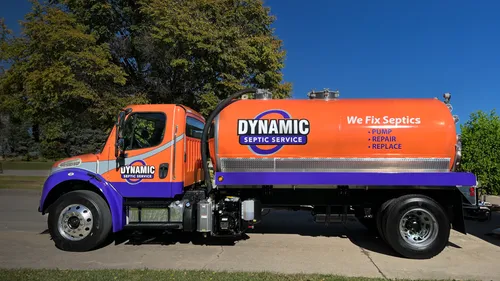
Dynamic Septic Service
18600 Rte 59, Shorewood, IL 60404
Dynamic Septic Service is a locally owned company based in Shorewood, Illinois, providing septic pumping, inspection, repair, and installation services in Chicago, IL, and surrounding counties including Will, DuPage, Cook, Kendall, Grundy, and Kankakee. With over 30 years of hands-on experience, they specialize in diagnosing septic system issues and offering clear options for repair or replacement. Their expertise includes routine pumping and complex system repairs, ensuring long-term functionality of septic systems.
Understanding Septic Systems and Local Regulations
A septic system is an on-site wastewater treatment structure, typically consisting of a tank and a soil absorption field (drain field). In Chicago and Cook County, these private sewage disposal systems are governed by a combination of state and local health codes. The Illinois Department of Public Health (IDPH) sets the statewide rules, while the Cook County Department of Public Health (CCDPH) is the primary local permitting and enforcement authority. It's crucial to understand that nearly all repair work requires formal approval. Whether you're addressing a minor leak or a complete system failure, you must secure a permit from the health department before any excavation or repair begins. This regulatory framework is designed to ensure repairs are done correctly, protecting your investment and the environment.
Common Septic System Repairs in the Chicago Area
The type of repair needed depends on the component that has failed. Here are the most frequent issues requiring professional septic service in this region:
- Drain Field Rehabilitation: This is often the most complex and costly repair. A failing absorption field may show signs like surfacing sewage, soggy ground, or slow drains. Solutions can range from cleaning distribution pipes to replacing clogged soil or installing a completely new leach field 1 2 3.
- Tank Structural Repairs: Concrete tanks can crack, and inlet/outlet baffles can deteriorate or break. Repairing a cracked tank or replacing damaged baffles is essential to prevent solids from escaping into the drain field and causing premature failure.
- Pipe and Line Repairs: The pipes connecting your home to the tank or distributing effluent from the tank to the field can collapse, clog, or leak. Excavation and replacement of these lines is a common repair.
- System Upgrades and Replacements: Older conventional systems that are failing may need to be replaced with modern, advanced treatment systems. In some cases, adding an aerator or other component can upgrade an existing system's performance to meet current standards.
The Mandatory Inspection Process
Before any repair is planned or permitted, a thorough inspection is required. The CCDPH often mandates professional evaluations, especially for property transfers or major improvements. A comprehensive septic system inspection involves several key steps:
- Locating and Uncovering: The technician will locate the tank and drain field, then uncover the access ports.
- Tank Assessment: They will check for structural integrity, leaks, and the condition of baffles and tees. A critical part is measuring the sludge and scum layers to determine if pumping is needed and to assess the tank's health 4.
- Drain Field Evaluation: The inspector will examine the absorption field area for signs of failure, such as overly wet soil, odors, or surfacing effluent.
- System Function Check: This involves running water in the house to check for backups and assessing the overall flow and distribution.
This inspection generates a report that diagnoses problems and forms the basis for the repair plan submitted for a permit.
The Permit and Repair Workflow
Navigating the permit process is a non-negotiable step for legal and effective repairs in Cook County.
- Site Evaluation and Plan: Based on the inspection, a licensed contractor or engineer will often need to perform a site evaluation and soil classification. They then create a design plan for the necessary repairs or replacement.
- Permit Application: The repair plan and application are submitted to the CCDPH for review and approval. The health department ensures the plan complies with all setback, sizing, and technical requirements 5.
- Scheduled Inspections: Once permitted, the work begins. The health department typically requires inspections before the repair (to see the problem), during the repair (to verify it's done to code), and after completion (for final approval).
- Completion and Documentation: After passing the final inspection, you receive documentation that the repair is complete and compliant. This is vital for your property records and any future real estate transactions.
Find the perfect septic system repair companies for your needs
Get personalized recommendations and expert advice
Cost Considerations for Repairs
Repair costs in the Chicago area vary widely based on the repair's scope and complexity. Simple component replacements or pipe repairs may cost less, while significant drain field work or a full system replacement is a major investment. General repairs for private sewage systems in the region often range between $5,000 and $10,000, with complex projects exceeding that range 6 7. It's essential to get detailed, written estimates from multiple licensed contractors. The estimate should break down labor, materials, permit fees, and any required engineering or soil testing costs. Remember, the lowest bid may not account for all regulatory requirements, potentially leading to costly corrections later.
Maintaining Your System Post-Repair
After investing in a repair, proper maintenance is key to extending your system's lifespan and avoiding another major expense.
- Regular Pumping: Have the tank pumped every 2-3 years by a licensed professional to remove sludge and scum buildup, which is a primary cause of system failure.
- Annual Inspections: Even outside of problems, consider a yearly check-up to catch minor issues before they become major repairs.
- Conserve Water: Spread out laundry and dishwasher use to avoid hydraulically overloading the system. Fix leaky faucets and toilets promptly.
- Mind What You Flush: Only human waste and toilet paper should go down the drain. Avoid flushing chemicals, grease, wipes, feminine hygiene products, or other non-biodegradable items that can clog pipes and tanks 8 9.
Choosing a provider familiar with the specific codes of Cook County and Chicago is critical. They will guide you through the permit maze, ensure inspections are scheduled correctly, and deliver work that stands up to regulatory scrutiny, giving you peace of mind that your home's wastewater system is safe, functional, and compliant.
Frequently asked questions
Sources
Footnotes
-
What to Expect from a Septic Inspection - Wind River Environmental - https://www.wrenvironmental.com/blog/2023/may/what-to-expect-from-a-septic-inspection/ ↩
-
Private Sewage Disposal - Illinois Department of Public Health - https://dph.illinois.gov/topics-services/environmental-health-protection/private-sewage-disposal.html ↩
-
Section 905 - Illinois General Assembly - https://www.ilga.gov/ftp/JCAR/AdminCode/077/077009050000200R.html ↩
-
DIY Septic Tank Inspections - Flohawks - https://flohawks.com/diy-septic-tank-inspections-a-step-by-step-guide/ ↩
-
Illinois Septic Tank Requirements - https://www.ntotank.com/blog/illinois-septic-tank-requirements ↩
-
Septic - Cook County Department of Public Health - https://cookcountypublichealth.org/environmental-health/water-and-sewage/septic/ ↩
-
Private drains program overview - Chicago 311 - https://311.chicago.gov/s/article/Private-drains-program-overview?language=en_US ↩
-
Septic System Maintenance - Illinois EPA - https://epa.illinois.gov/topics/drinking-water/private-well-users/septic-system-maintenance.html ↩
-
septic-systems.pdf - Illinois Environmental Protection Agency - https://epa.illinois.gov/content/dam/soi/en/web/epa/documents/water/conservation/lake-notes/septic-systems.pdf ↩