Find the Best Septic System Repair Companies for Your Business
No obligation • Fast responses • Nationwide coverage

Why you can trust Septic Spot
Septic Spot is a leading United States resource for understanding and comparing septic services. Our editors review providers using consistent criteria and verify key business details. Listings and scores are independent, and companies cannot pay to influence our content.
Search providers near you
Top Septic System Repair Companies in Springfield, Illinois Ranked
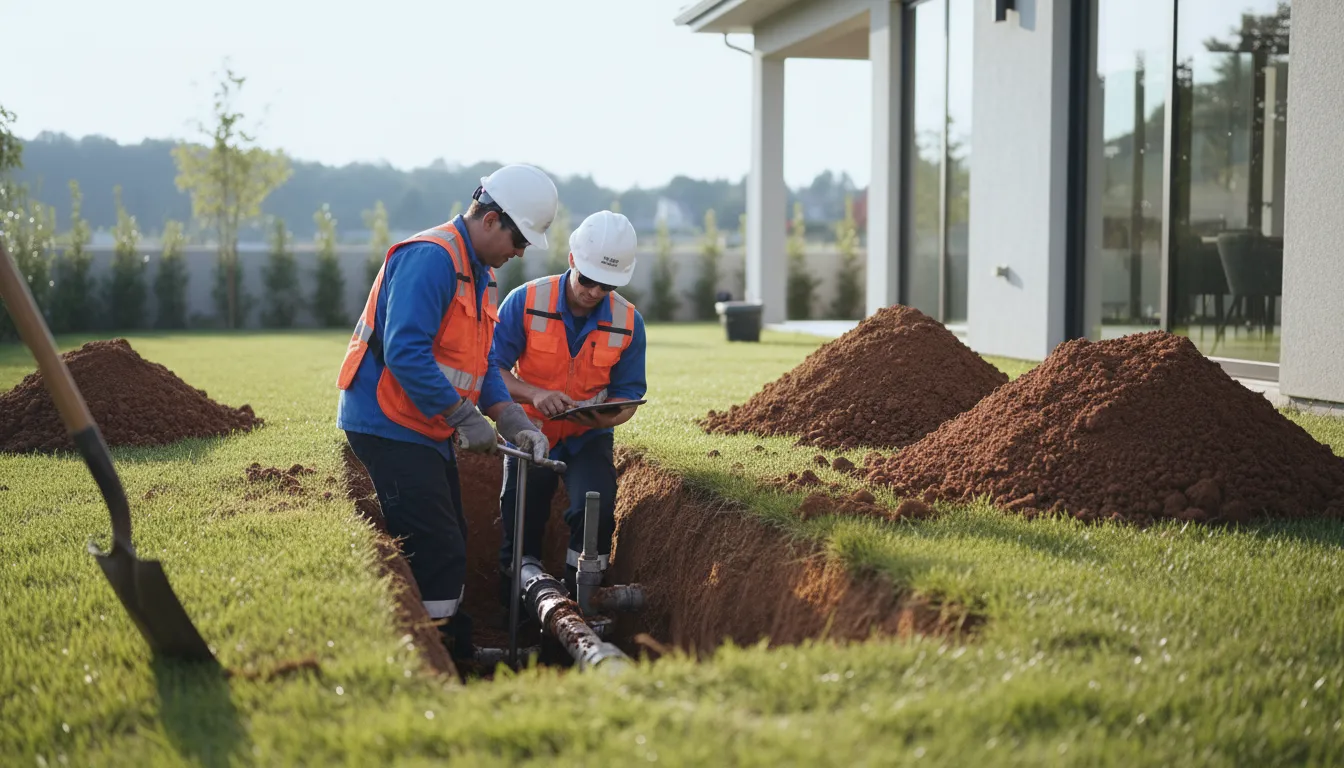
A failing septic system is a serious issue that can pose health risks and environmental hazards. Septic system repair involves diagnosing and fixing problems with your tank, drain field, or connecting pipes to restore proper wastewater treatment. In Illinois, these repairs are strictly regulated to protect groundwater and public health. This guide explains the process, costs, and regulations for septic repairs in Illinois, helping you understand what to expect and how to find qualified, certified professionals to handle the job.
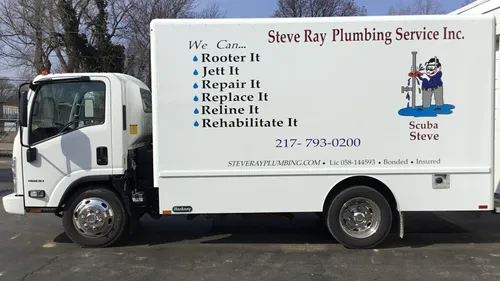
Steve Ray Plumbing Service Inc.
1501 E Griffiths Ave, Springfield, IL 62702
Steve Ray Plumbing Service Inc. is a plumbing and septic service provider located in Springfield, IL. With over 20 years of experience, they offer a range of services including septic tank installation, pumping, cleaning, system repairs, and real estate inspections. Their team is equipped to handle both residential and commercial plumbing and septic needs, including aeration sewage system installation and grease trap cleaning. Steve Ray Plumbing also provides emergency response services, available day or night, to address urgent plumbing issues promptly.
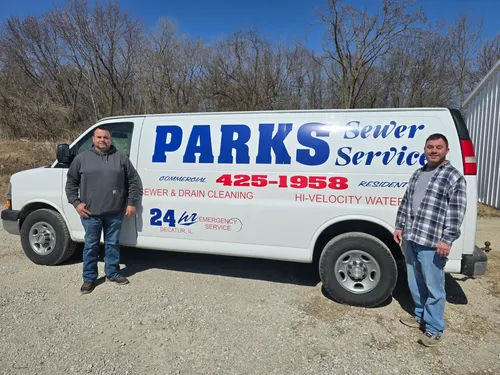
Parks Sewer Services Inc.
965 S Wyckles Rd, Decatur, IL 62522
Parks Sewer Services Inc. is a family-owned business based near Springfield, IL, specializing in septic tank pumping, inspection, and system repair. Founded in 2004 by two brothers, the company serves Decatur and the surrounding areas with a focus on sewer, septic, and drain cleaning services. They provide expertise in sewer line repair and installation, as well as septic tank and grease trap pumping. Parks Sewer Services emphasizes honest work and long-term customer relationships, with availability that includes after-hours service when needed.

Smith Septic Inc
7180 Ramblewood Dr, Rochester, IL 62563
Smith Septic Inc is a family-owned septic company serving Springfield, IL and nearby areas. The company offers residential and commercial septic tank pumping, aeration, grease trap pumping, as well as installation and repair of septic systems. Established in 1963, Smith Septic has decades of experience handling a variety of septic issues, including emergency services.
Septic Specialist
4460 W Main St, Decatur, IL 62522
Septic Specialist is a full-service septic tank company based in Springfield, IL, serving homeowners and businesses throughout Central Illinois. They provide septic tank installation, repair, pumping, and inspection services, along with sewer line cleaning and video sewer inspections. Their capabilities include high-pressure water jetting to clear clogs and maintain system efficiency. The company also offers grease trap cleaning and maintenance plans to keep septic and sewer systems running smoothly year-round. Septic Specialist employs licensed installers and serves all brands of aerobic septic systems.
Understanding Illinois Septic Repair Regulations
In Illinois, all repairs, alterations, or replacements of a private sewage disposal system require a permit from your local health department or health authority 1. This regulatory framework is governed by the Illinois Department of Public Health (IDPH) under 77 Ill. Adm. Code 905. The permit process ensures that any work done complies with state and local codes designed to prevent groundwater contamination.
A permit application typically requires detailed information, including a site plan showing property lines, well locations, and the residence's number of bedrooms 2. It's important to note that these permits are generally valid for one year and are not transferable between property owners 3. Starting repairs without a permit can lead to significant fines and complications.
The Permit and Inspection Process
The repair journey begins with obtaining the necessary permit. Here's a typical step-by-step process:
- Initial Assessment: A licensed contractor assesses the system failure.
- Permit Application: You or your contractor submit an application to the local health department. For systems that discharge treated effluent to the surface (like a ditch or stream), an additional Surface Discharge Permit (ILG62) from the Illinois Environmental Protection Agency (IEPA) is required 4.
- Soil Evaluation: For many repairs, especially those involving the drain field, a professional soil investigation is mandatory. This involves taking borings to determine soil structure and the depth to the seasonal high water table, which is identified by soil mottling 5. This evaluation ensures the repaired system will function properly.
- Approval & Repair: Once the permit is approved, the licensed contractor can proceed with the work.
- Final Inspection: After repairs are complete, the system must be inspected and approved by local health officials before it can be covered or put back into use 6.
Common Types of Septic Repairs and Associated Costs
Repair costs in Illinois vary widely based on the problem's severity and the system's complexity.
- Minor Repairs: Fixing a broken pipe, replacing a damaged tank riser, or unclogging an inlet/outlet baffle are considered minor. These repairs can often be completed quickly and may cost between a few hundred to one thousand dollars.
- Major Repairs or Partial Replacement: This category includes repairing or replacing a failing drain field (leach field). Due to the extensive excavation, new piping, and often additional soil work required, these projects are significant. Costs typically range from $3,000 to $10,000.
- Complete System Replacement: When the tank and drain field have failed, a full replacement is necessary. This is the most expensive option, involving new engineering, permits, excavation, and materials. Prices often start in the range of major repairs and can exceed $10,000 depending on site conditions and system type 7.
- Surface Discharging Systems: If your system is permitted to discharge to the surface, ongoing compliance costs are part of its operation. This includes an annual maintenance agreement (approximately $200/year) and annual water quality testing (approximately $100/year) 8.
Find the perfect septic system repair companies for your needs
Get personalized recommendations and expert advice
Working with Licensed Contractors and Addressing Violations
Illinois law requires that septic system repairs be performed by Illinois-certified private sewage disposal contractors 9 10. Hiring a licensed professional is non-negotiable for permitted work. They understand the local codes, can properly file permit applications, and ensure the repair meets all health department standards.
If your system is failing, you may receive a Notice of Violation (NOV) from your local health department 11. This formal notice initiates the repair process and provides a timeline for compliance. Working with a certified contractor is the best way to address an NOV efficiently and correctly.
Key Setback Requirements for Repairs
When planning a repair, contractors must adhere to strict setback distances from various features. These rules are critical for preventing contamination and ensuring safe operation. While specific distances can vary by county, common Illinois setbacks include distances from water wells, buildings, property lines, and surface water 12 13. Your local health department and licensed contractor will ensure the repaired system layout complies with all applicable setback rules.
Maintaining Your System Post-Repair
Once your system is repaired and inspected, proper maintenance is key to preventing future failures. This includes regular pumping of the tank (typically every 3-5 years), conserving water to avoid overloading the system, and avoiding flushing harmful chemicals or non-biodegradable materials. For surface discharge systems, adhering to the annual maintenance and testing schedule is a legal requirement 14.
Frequently asked questions
Sources
Footnotes
-
Onsite Wastewater Treatment Systems (Septic Systems) - https://www.mchenrycountyil.gov/departments/health-department/environmental-health/onsite-wastewater-treatment ↩
-
Sewage Disposal System Permit | Bureau, Putnam & Marshall Health Dept - https://bpmhd.org/steps-to-obtain-a-sewage-disposal-system-permit/ ↩
-
§ 51.05 SEWAGE TREATMENT OR DISPOSAL SYSTEMS. - https://codelibrary.amlegal.com/codes/willcounty/latest/willcounty_il/0-0-0-31672 ↩
-
Illinois Surface Discharge Permit (ILG62) - https://epa.illinois.gov/topics/forms/water-permits/npdes.html ↩
-
Private Sewage - Illinois Department of Public Health - http://www.idph.state.il.us/rulesregs/2007%20Rules/77%20IAC%20905%2011_29.pdf ↩
-
Illinois Septic Tank Requirements - https://www.ntotank.com/blog/illinois-septic-tank-requirements ↩
-
How Much Does It Cost to Replace a Septic System? - https://alphaenvironmental.net/blog/how-much-cost-replace-septic-system/ ↩
-
Water Pollution Control | Septic Systems | Illinois Extension | UIUC - https://extension.illinois.edu/septic-systems/water-pollution-control ↩
-
Private Sewage Disposal - Illinois Department of Public Health - https://dph.illinois.gov/topics-services/environmental-health-protection/private-sewage-disposal.html ↩
-
Septic Repair/Installation - Lake County, Illinois - https://www.lakecountyil.gov/830/Septic-RepairInstallation ↩
-
Guidelines for Addressing a Failing Septic System - https://www.lakecountyil.gov/DocumentCenter/View/4182/Failing-Systems-Brochure-PDF?bidId= ↩
-
§ 8.04.370 GENERAL REQUIREMENTS. - American Legal Publishing - https://codelibrary.amlegal.com/codes/mchenrycounty/latest/mchenrycounty_il/0-0-0-30342 ↩
-
§ 8.04.370 GENERAL REQUIREMENTS. - https://codelibrary.amlegal.com/codes/mchenrycounty/latest/mchenrycounty_il/0-0-0-30342 ↩
-
Illinois General NPDES Permit for Septic Systems with Surface ... - https://fultoncountyhealth.com/wp-content/uploads/2014/09/NPDES-Permitting-Information1.pdf ↩