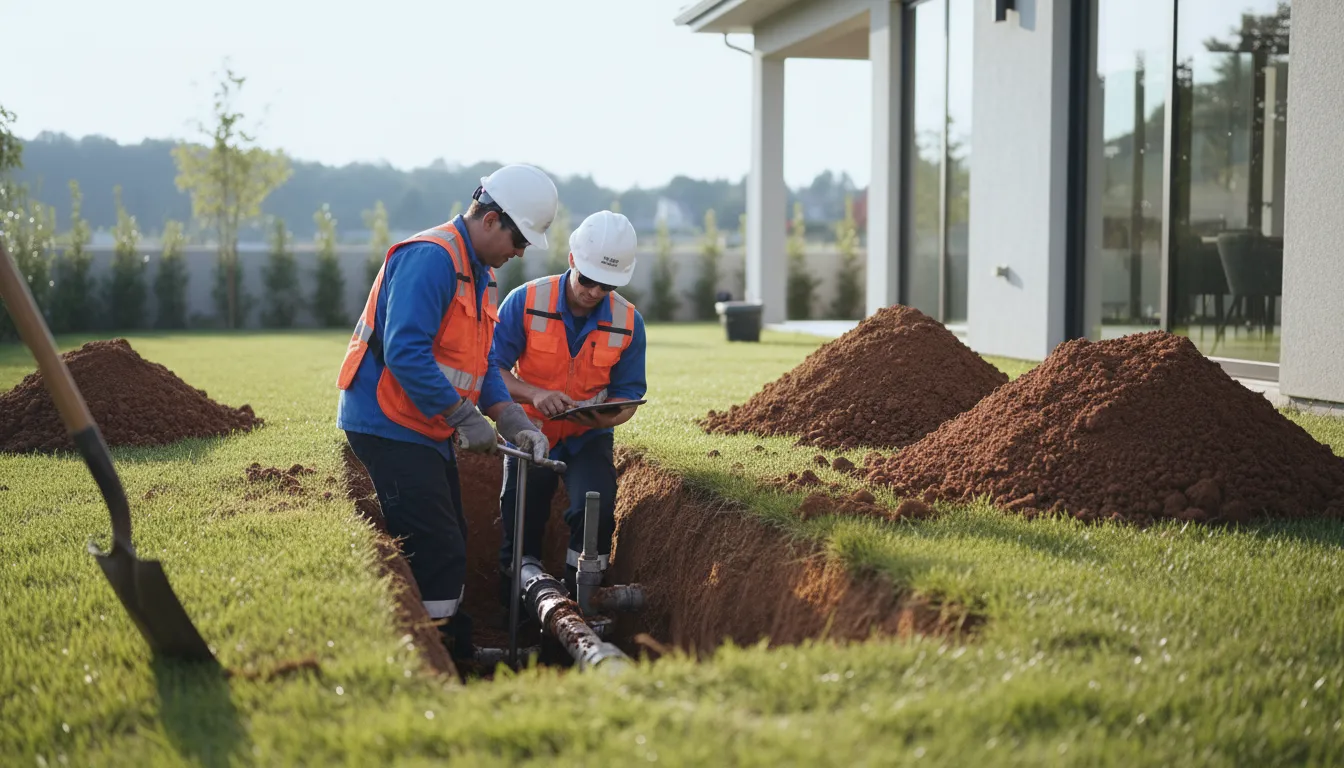
Find the Best Septic System Repair Companies for Your Business
No obligation • Fast responses • Nationwide coverage

Why you can trust Septic Spot
Septic Spot is a leading United States resource for understanding and comparing septic services. Our editors review providers using consistent criteria and verify key business details. Listings and scores are independent, and companies cannot pay to influence our content.
Search providers near you
Top Septic System Repair Companies in Cicero, Illinois Ranked
A failing septic system is more than an inconvenience; it's a public health and environmental concern that requires immediate attention. Septic system repair involves diagnosing and fixing issues with your home's private wastewater treatment system, from the tank to the drain field. In a densely populated suburb like Cicero, proper functioning of these systems is critical to prevent contamination and comply with strict local health codes. This guide will help you understand the repair process, local regulations, and how to find qualified professionals to restore your system to proper working order.

Suburban Plumbing Sewer Line and Drain Cleaning Experts
9100 Plainfield Rd Suite #9A, Brookfield, IL 60513
Suburban Plumbing Sewer Line and Drain Cleaning Experts is a full-service plumbing company serving Chicago, IL, and the greater Chicagoland area. They provide a wide range of services including septic tank pumping, inspections, repairs, and new system installations, as well as sewer line repairs, drain cleaning, water heater services, and flood control solutions. With over 30 years of experience, their licensed and insured technicians use advanced equipment like hydro jetting and sewer camera inspections to deliver effective plumbing solutions. The company offers 24/7 emergency plumbing services to address urgent issues promptly.
Feikema Plumbing & Sanitation
1854 Ridge Rd, Munster, IN 46321
Feikema Plumbing & Sanitation is a family-owned business based in Munster, IN, serving the Chicago, IL area with plumbing and septic system services. Established in 1956, they offer a wide range of solutions including septic tank pumping, septic system repairs, drain cleaning, water heater installation, and sewer maintenance. Their expertise includes advanced diagnostics using sewer cameras and modern rodding tools. With over 60 years of experience, Feikema Plumbing & Sanitation combines local community focus with licensed, bonded, and insured service.
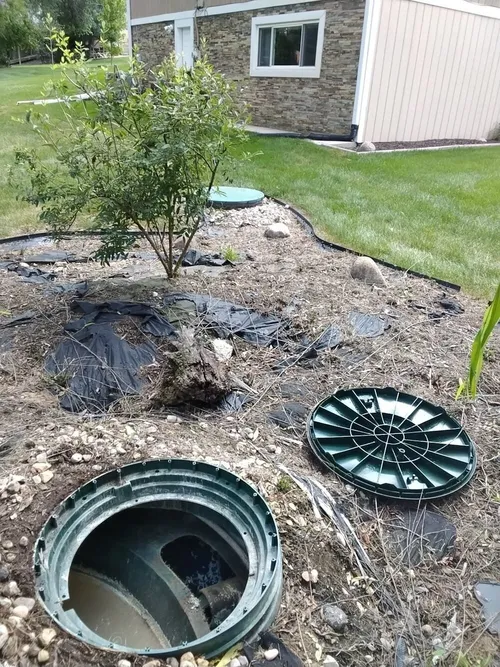
FreeFlow Environmental of Cook County
7030 Centennial Dr Suite 133, Tinley Park, IL 60477
FreeFlow Environmental of Cook County offers septic tank pumping and septic system repair services in Chicago, IL. They serve residential and commercial clients, addressing septic, sewer, and drainage issues with licensed and insured professionals. The company uses advanced technology for septic system repair, pumping, and sewer line cleaning, including no-dig sewer line repairs. Their services cover system maintenance, emergency repairs, and full restorations to ensure efficient operation and prevent backups. FreeFlow Environmental also emphasizes environmental stewardship in their work.
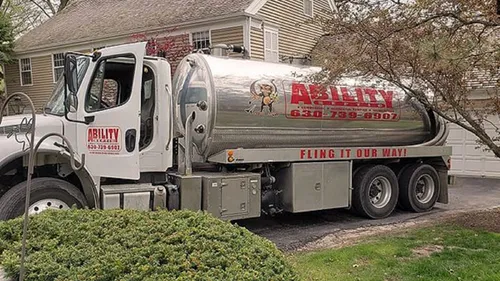
Ability Septic
801 N Raddant Rd, Batavia, IL 60510
Ability Septic is a family-owned septic service provider based near Aurora, IL, serving Batavia and surrounding areas. With over 65 years of experience since 1956, they offer a full range of septic services including pumping, inspection, installation, repair, and drain field maintenance. Their team uses advanced Lenzyme bio-products for eco-friendly septic system solutions and provides 24/7 emergency services to address urgent needs promptly.
Superior Wastewater Systems, Inc.
2100 Mills Rd, Joliet, IL 60433
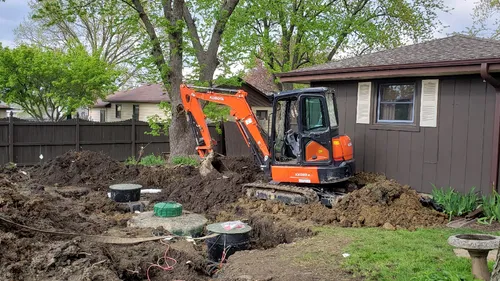
Superior Wastewater Systems, Inc. provides septic system repair and septic tank installation services in Chicago, IL. They serve residential, commercial, and industrial clients, offering installation, repair, and maintenance of septic systems. With over 30 years of experience, the company has developed expertise in handling various wastewater system needs.
Understanding Cicero's Septic System Regulations
All private sewage disposal system work in Cicero falls under the jurisdiction of the Cook County Department of Public Health (CCDPH)1. This agency enforces Illinois state health codes to protect groundwater and community health. Because of the area's density, adherence to these environmental health standards is non-negotiable.
Before any repair work begins, a permit from the CCDPH is mandatory for the construction, repair, or alteration of a septic system2. This process ensures the work meets safety and design standards. Crucially, all repairs must be performed by an Illinois Licensed Private Sewage Installation Contractor3. Attempting a DIY fix or hiring an unlicensed individual can result in fines, improper repairs, and system failure.
The health department often requires a site evaluation, soil classification, and a formal design plan before issuing a repair permit. They also maintain records of permits and "as-built" designs for properties, which can be invaluable during the diagnosis phase4.
Common Septic Repairs Needed in Cicero Homes
Not all system failures require a complete replacement. Many issues can be resolved with targeted repairs. Here are some of the most common septic fixes for Cicero properties:
- Baffle Repair or Replacement: The inlet and outlet baffles inside the tank are crucial. They prevent scum and solids from escaping into the drain field. Over time, these can corrode or break. Fixing or replacing them is a common repair that can significantly extend the life of your drain field.
- Riser Installation: Many older systems have tanks buried deep underground, making inspection and pumping difficult. Installing access risers brings the tank lid to just below the surface. This is a proactive repair that saves time and money on future maintenance and is often recommended during an inspection.
- Drain Field (Leach Field) Repair: This is often the most serious issue. Problems can include clogged pipes, a failed distribution box, or soil saturation. Repair may involve cleaning pipes with a high-pressure jetter, re-routing lines, or addressing invasive tree roots that have cracked pipes 5. In some cases, a new section of field can be added.
- Tank Structural Repair or Replacement: If a tank has significant cracks, leaks, or has collapsed, it must be addressed. Sometimes, cracks can be sealed, but a structurally compromised tank typically needs replacement. Replacing just the tank is less expensive than replacing the entire system if the drain field is still functional.
- Alternative System Components: If the native soil has failed, a conventional system may not be suitable for repair. In these cases, alternative systems like aerobic treatment units (ATUs) or sand filters may be installed as part of the repair solution to treat wastewater more effectively before dispersal6.
The Diagnostic Process: From Symptoms to Solution
Proper repair starts with an accurate diagnosis. A licensed professional will typically follow a systematic inspection process:
- System Location & Records Review: The contractor will first try to locate the tank and drain field using probes or by requesting "as-built" records from the Cook County Public Health Department7.
- Uncovering & Pumping: To properly inspect, the technician must uncover the main manhole cover (not just a small inspection pipe) and pump the tank. This allows for a clear view of the tank's interior.
- Structural Integrity Check: The tank walls, lid, and seams are inspected for cracks, leaks, and corrosion. The condition of the concrete or fiberglass is assessed8.
- Baffle and Tee Inspection: The inspector checks that the inlet and outlet baffles or tees are intact and properly positioned to filter solids9.
- Drain Field Inspection: This involves checking for tell-tale signs of failure, such as soggy ground, foul odors, or unusually lush grass over the field area. A percolation test or soil evaluation may be conducted to assess absorption capacity.
- Inspection Reporting: A key metric is the sludge and scum level. If sludge occupies more than one-third of the tank's depth, it indicates a need for more frequent pumping or potential downstream problems10. The inspector will provide a report detailing the system's condition and necessary repairs.
Find the perfect septic system repair companies for your needs
Get personalized recommendations and expert advice
Cost Considerations for Septic Repairs
Repair costs in Cicero can vary widely based on the problem's severity and the system's size. It's important to get multiple estimates from licensed contractors. Based on regional data, here are general price ranges:
- Permit Fees: A repair permit from the CCDPH, which includes a site evaluation, typically costs between $90 and $18011.
- Minor Repairs: Fixing a broken pipe or replacing a baffle can often cost several hundred dollars.
- Septic Tank Replacement: If the drain field is sound, replacing just the tank can range from roughly $1,500 to $2,500 12.
- New Leach Field: Installing a new absorption field is more involved, often costing between $2,000 and $3,000, depending on soil conditions and size.
- Complete System Replacement: For a total failure, designing and installing an entirely new system is the most expensive option, frequently exceeding $10,00013.
Steps to Take When You Need a Repair
If you suspect your septic system needs repair, a structured approach will save you time and stress.
- Contact the Health Department: Your first call should be to the Cook County Department of Public Health at (708) 633-4000 or visit their website. They can provide information on your property's records and the permit application process14 15.
- Hire a Licensed Professional: Find and hire an Illinois Licensed Private Sewage Installation Contractor. They have the expertise to diagnose the issue, design a repair that meets code, and pull the necessary permits16.
- Plan Ahead: Don't wait for a complete failure. If you notice warning signs (slow drains, soggy yard), schedule an inspection. The CCDPH recommends scheduling repairs well in advance, as the permit and planning process takes time17.
- Protect the System: While awaiting repair, reduce water usage and avoid putting grease or harsh chemicals down the drain. Keep all vehicles and heavy equipment off the drain field area to prevent soil compaction, which can worsen the problem18.
Regular maintenance, including pumping your tank every 3-5 years, is the best way to avoid major repairs19. By understanding the local requirements and common issues, Cicero homeowners can effectively manage their septic systems and address problems promptly with the right professional help.
Frequently asked questions
Sources
Footnotes
-
Septic - Cook County Department of Public Health - https://cookcountypublichealth.org/environmental-health/water-and-sewage/septic/ ↩
-
Illinois Septic Tank Requirements - https://www.ntotank.com/blog/illinois-septic-tank-requirements ↩
-
Illinois Septic Tank Requirements - https://www.ntotank.com/blog/illinois-septic-tank-requirements ↩
-
Buying and Selling Homes | Septic Systems - Illinois Extension - https://extension.illinois.edu/septic-systems/buying-and-selling-homes ↩
-
Septic Repair, Decatur IL | Septic System Repair - https://septicspecialistinc.com/septic-repair/ ↩
-
IL Septic Repairs & Installation Services - https://gandlseptic.com/services/septic-system-repairs/ ↩
-
DIY Septic Tank Inspections - Flohawks - https://flohawks.com/diy-septic-tank-inspections-a-step-by-step-guide/ ↩
-
How to Get Septic to Pass Inspection - https://www.guardianangelinspections.com/how-to-get-septic-to-pass-inspection ↩
-
septic-systems.pdf - Illinois Environmental Protection Agency - https://epa.illinois.gov/content/dam/soi/en/web/epa/documents/water/conservation/lake-notes/septic-systems.pdf ↩
-
Septic Program | Woodford County, IL - https://www.woodford-county.org/394/Septic-Program ↩
-
Cook County Septic Tank/Well Permit Application Process - https://southhealthdistrict.com/wp-content/uploads/2021/12/Application-for-Septic-TankWell-Permit-1-1.pdf ↩
-
Cook County Septic Tank/Well Permit Application Process - https://southhealthdistrict.com/wp-content/uploads/2019/11/Application-for-Septic-TankWell-Permit-1.pdf ↩
-
Well and Septic | Home Inspectors Elgin, Lakewood, Chicago - https://www.echohomeinspections.com/pages/side-nav/well-and-septic ↩
-
Septic - Cook County Department of Public Health - https://cookcountypublichealth.org/environmental-health/water-and-sewage/septic/ ↩
-
BUILDING DEPARTMENT Certificate Of Compliance &"As-Is" - https://thetownofcicero.com/government/building-department/certificate-of-compliance-as-is/ ↩
-
Septic Sewage - Kane County Health Department - https://www.kanehealth.com/Pages/Septic-Sewage.aspx ↩
-
Section 905 - Illinois General Assembly - https://www.ilga.gov/ftp/JCAR/AdminCode/077/077009050000200R.html ↩
-
Septic System Maintenance - Illinois Extension - https://extension.illinois.edu/septic-systems/septic-system-maintenance ↩
-
Frequent Questions on Septic Systems | US EPA - https://www.epa.gov/septic/frequent-questions-septic-systems ↩