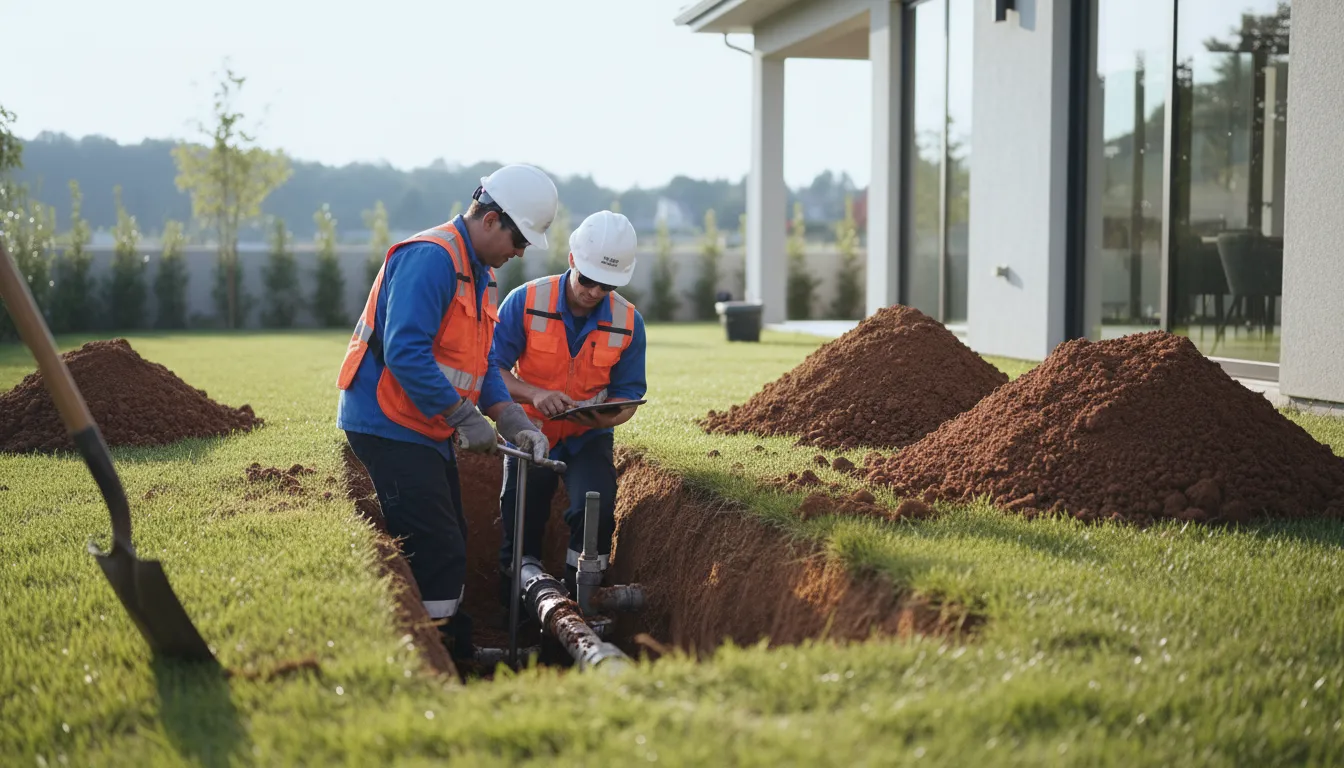
Find the Best Septic System Repair Companies for Your Business
No obligation • Fast responses • Nationwide coverage

Why you can trust Septic Spot
Septic Spot is a leading United States resource for understanding and comparing septic services. Our editors review providers using consistent criteria and verify key business details. Listings and scores are independent, and companies cannot pay to influence our content.
Search providers near you
Top Septic System Repair Companies in Des Plaines, Illinois Ranked
When your home's wastewater treatment system fails, it's more than an inconvenience-it's a pressing environmental and public health concern that requires immediate, expert attention. Septic system repair in Des Plaines involves diagnosing and fixing issues with your private sewage disposal system, from the tank to the drain field, ensuring it operates safely and complies with strict local codes. This guide explains the critical repair process, local regulations, and typical costs, empowering you to make informed decisions and connect with qualified local professionals who can restore your system to proper function.

Suburban Plumbing Sewer Line and Drain Cleaning Experts
9100 Plainfield Rd Suite #9A, Brookfield, IL 60513
Suburban Plumbing Sewer Line and Drain Cleaning Experts is a full-service plumbing company serving Chicago, IL, and the greater Chicagoland area. They provide a wide range of services including septic tank pumping, inspections, repairs, and new system installations, as well as sewer line repairs, drain cleaning, water heater services, and flood control solutions. With over 30 years of experience, their licensed and insured technicians use advanced equipment like hydro jetting and sewer camera inspections to deliver effective plumbing solutions. The company offers 24/7 emergency plumbing services to address urgent issues promptly.
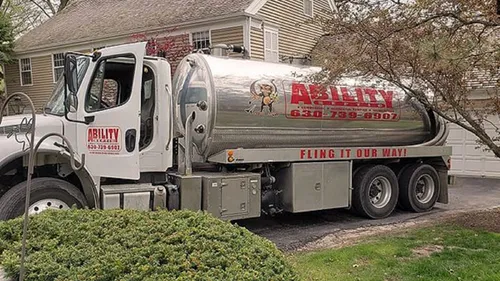
Ability Septic
801 N Raddant Rd, Batavia, IL 60510
Ability Septic is a family-owned septic service provider based near Aurora, IL, serving Batavia and surrounding areas. With over 65 years of experience since 1956, they offer a full range of septic services including pumping, inspection, installation, repair, and drain field maintenance. Their team uses advanced Lenzyme bio-products for eco-friendly septic system solutions and provides 24/7 emergency services to address urgent needs promptly.
Weidner's Septic Service Inc.
Chicago, IL
Weidner's Septic Service Inc. provides septic tank pumping, inspection, repair, and pump replacement services in Chicago, IL. The company handles septic system maintenance and emergency repairs, including pump replacements, with attention to keeping job sites clean and providing helpful advice for system upkeep. Customers have noted their responsiveness and professionalism in addressing septic issues promptly.
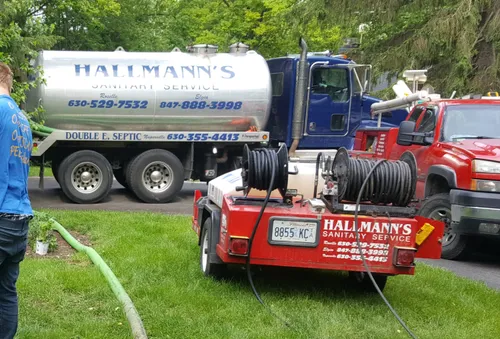
Hallmann Sanitary Service/Hallmann Septic
Chicago, IL
Hallmann Sanitary Service/Hallmann Septic provides septic tank pumping, cleaning, inspections, and system repairs in Chicago, IL. They offer comprehensive maintenance to help keep septic systems functioning properly and provide repair services such as installing baffles and hydro-jetting lines to address system issues.

Zeilinga Services, Inc.
850 Meadowview Crossing #9, West Chicago, IL 60185
Zeilinga Services, Inc. is a septic system company based in Chicago, IL. They provide septic tank pumping, inspection, repair, and installation services, along with drain field repair and septic pump replacement. Their work includes servicing various septic units such as Aqua 02, AquaKleer, and Norweco systems. They perform thorough maintenance tasks like cleaning pumps, changing filters, checking alarms, and conducting sludge tests to determine pumping needs. Zeilinga Services also offers specialized capabilities including jetting, lift station work, TV camera line inspections, and root control treatments.
Understanding Your Septic System and Common Failures
A residential septic system is a self-contained wastewater treatment plant for properties not connected to a municipal sewer line. It typically consists of a septic tank, where solids settle and begin to decompose, and a drain field (or leach field), where treated liquid effluent is dispersed into the soil. In Des Plaines, these systems must comply with the Illinois Private Sewage Disposal Code 1. Failures often manifest as slow drains, sewage backups in the home, soggy ground or standing water over the drain field, or unusually lush grass in that area. These signs indicate that the system is not processing waste effectively, which can lead to groundwater contamination and property damage if not addressed promptly.
The most common issues requiring septic repairs include:
- Tank Problems: Cracked or leaking tanks, damaged inlet/outlet baffles (which keep scum and solids from exiting the tank), or excessive sludge buildup requiring pumping.
- Pipe and Distribution Issues: Broken pipes between the house and tank or within the distribution system, or a malfunctioning distribution box that fails to evenly send effluent to the drain field lines.
- Drain Field Failures: This is often the most serious and costly problem. It can be caused by clogged lateral lines due to biomat buildup, crushed pipes, or soil saturation from high water tables or system overload 2.
The Septic Repair Process in Des Plaines
Repairing a septic system is a regulated process in Cook County. You cannot simply hire any contractor to dig up your yard. The Cook County Department of Public Health (CCDPH) must approve all repairs to private sewage disposal systems. This ensures work is done to code, protecting your investment and community health.
The process generally follows these steps:
- Professional Inspection and Diagnosis: Before any repair can be planned, a licensed professional must conduct a thorough evaluation. This involves locating and uncovering the tank, checking sludge and scum levels, inspecting baffles, and often using a camera to scout the lateral lines. A flow test may also be performed to see how the system handles water 3. This inspection creates the report needed for the next step.
- Permitting with CCDPH: Your septic contractor will typically handle the permit application with the CCDPH, submitting the inspection report and a proposed repair plan. The health department reviews this to ensure the solution meets code requirements. For significant repairs or a system replacement, a site evaluation by the county may also be required 4 5.
- Executing the Repair: Once permitted, the repair work begins. The scope can vary dramatically:
- Minor Repairs: Fixing a broken pipe or replacing a baffle might be completed in a day.
- Drain Field Remediation: Techniques like jetting to clear clogs or installing new lateral lines in a new section of yard (a "repair field") are more extensive.
- Full System Replacement: If the tank is structurally failed or the property cannot support a new drain field, a completely new system design and installation may be necessary 6.
- Final Inspection and Approval: After repair, the CCDPH often requires a final inspection to sign off on the work before the system is buried and put back into service.
Find the perfect septic system repair companies for your needs
Get personalized recommendations and expert advice
Local Regulations and Property Owner Responsibilities
Des Plaines homeowners with septic systems carry specific responsibilities. Primarily, you are responsible for maintaining and repairing the entire private system, including the tank and the lateral lines running to it. If you are selling your home or undertaking significant remodeling that increases wastewater flow, a professional system evaluation is required by law, and scheduling these evaluations often requires a 2-3 week notice 7.
It's crucial to note the distinction between private septic laterals and city sewer laterals. Des Plaines has a "Sewer Fee" ordinance that discusses private sewer laterals connected to the public sanitary sewer. In rare cases where a blockage in a private lateral occurs under a public right-of-way, the city may provide partial reimbursement, but this generally applies to homes connected to the city sewer, not to private septic disposal systems 8. For standalone septic systems, repair costs fall entirely on the property owner.
What to Expect: Costs for Septic Repairs
The cost for fixing your septic system in Des Plaines depends entirely on the problem's nature and scale. Prices can range from a few hundred dollars to tens of thousands.
- Routine Maintenance & Inspection: A standard inspection and tank pumping to prevent problems typically costs between $300 and $600.
- Minor Repairs: Fixing a broken pipe, replacing a damaged baffle, or repairing a distribution box usually falls in the range of $500 to $1,500.
- Major Drain Field Repairs or System Replacement: This is where costs escalate significantly. Repairing or replacing a failing leach field often requires new permits, design, and heavy excavation. Costs frequently range from $5,000 to over $20,000, depending on soil conditions, system size, and the repair method required 9 10.
Always ensure any contractor you hire is licensed by the state of Illinois for private sewage disposal work. Getting multiple detailed estimates based on a thorough inspection is the best way to understand your specific cost outlook.
The Critical Role of Professional Inspection
A professional inspection is the cornerstone of any successful septic repair. It's not just a formality for a real estate transaction; it's a diagnostic tool. A comprehensive inspection follows a detailed process: The inspector will first look for surface evidence like odors or ponding. They then locate and uncover the tank access lids to measure sludge/scum levels and check baffle integrity. The most informative step often involves running a specialized camera through the outlet pipe and lateral lines to visually identify cracks, blockages, or root intrusions 11 12. Finally, they may perform a hydraulic load test by introducing water into the system to see if it drains properly or backs up, indicating a drain field issue 13 14. The resulting report is your roadmap for necessary repairs and is required documentation for the CCDPH permit process.
Choosing the Right Service Professional
Selecting the right company for your septic repair is paramount. Look for a provider with:
- Illinois State Licensing: Verify they are licensed for private sewage disposal system installation, repair, and pumping.
- Local Experience: Familiarity with Des Plaines and Cook County soil types, water tables, and, most importantly, the CCDPH permitting process is invaluable.
- Comprehensive Services: Choose a company that can handle the full spectrum-inspection, diagnosis, permit procurement, repair, and final approval.
- Clear Communication: They should explain the problem, the proposed solution, the cost breakdown, and the regulatory steps in understandable terms.
- Positive Reputation: Check online reviews and ask for references to gauge reliability and quality of work.
Frequently asked questions
Sources
Footnotes
-
Private Sewage Disposal - Illinois Department of Public Health - https://dph.illinois.gov/topics-services/environmental-health-protection/private-sewage-disposal.html ↩
-
What Happens if the Council Inspects a Failed Septic System? - https://www.bevanplumbing.com.au/what-happens-if-the-council-inspects-a-failed-septic-system ↩
-
Septic System Inspections: A Step-by-Step How-To Guide - https://westcoastsanitationinc.com/septic-inspection-service/ ↩
-
Septic - Cook County Department of Public Health - https://cookcountypublichealth.org/environmental-health/water-and-sewage/septic/ ↩
-
§ 52.03 PERMITS. - https://codelibrary.amlegal.com/codes/macoupincounty/latest/macoupinco_il/0-0-0-1136 ↩
-
How to Care for Your Septic System | US EPA - https://www.epa.gov/septic/how-care-your-septic-system ↩
-
Buying and Selling Homes | Septic Systems - Illinois Extension - https://extension.illinois.edu/septic-systems/buying-and-selling-homes ↩
-
9-2-4: SEWER FEE: - American Legal Publishing - https://codelibrary.amlegal.com/codes/desplainesil/latest/desplaines_il/0-0-0-5568 ↩
-
IL Septic Repairs & Installation Services - https://gandlseptic.com/services/septic-system-repairs/ ↩
-
septic-systems.pdf - Illinois Environmental Protection Agency - https://epa.illinois.gov/content/dam/soi/en/web/epa/documents/water/conservation/lake-notes/septic-systems.pdf ↩
-
Comprehensive Septic Inspection for Your Home | Linkhorn Home Inspections - https://www.linkhorninspections.com/blog/what-is-involved-in-a-septic-inspection-why-do-i-need-one/ ↩
-
Septic Inspection Step By Step Guide for Real Estate - https://kristawollen.ca/2024/04/09/septic-inspection-step-by-step-guide-for-real-estate/ ↩
-
Understanding Septic Tank Inspections: A Complete Homeowner's ... - https://septic-masters.com/septic-tank-inspection-homeowner-guide/ ↩
-
Septic System Inspections: A Step-by-Step How-To Guide - https://westcoastsanitationinc.com/septic-inspection-service/ ↩