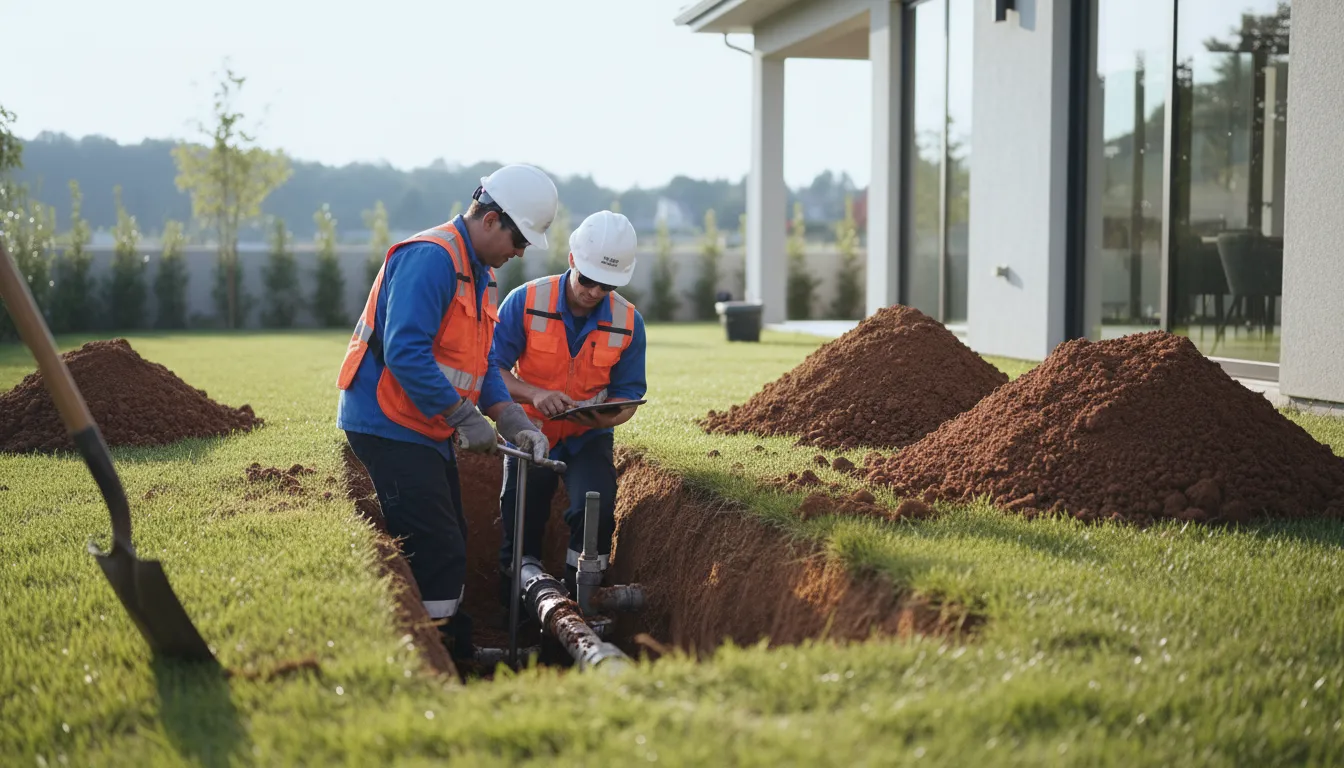
Find the Best Septic System Repair Companies for Your Business
No obligation • Fast responses • Nationwide coverage

Why you can trust Septic Spot
Septic Spot is a leading United States resource for understanding and comparing septic services. Our editors review providers using consistent criteria and verify key business details. Listings and scores are independent, and companies cannot pay to influence our content.
Search providers near you
Top Septic System Repair Companies in Glenview, Illinois Ranked
A failing septic system is more than an inconvenience; it's a public health concern that requires immediate and professional attention. Septic system repair involves diagnosing and fixing issues with your private sewage disposal system, from the tank to the drain field. For Glenview homeowners, navigating this process means understanding local regulations, finding qualified professionals, and ensuring repairs are done correctly to protect your property and community. This guide provides the essential information you need to address septic problems, connect with local repair specialists, and maintain a safe, functional system.

Suburban Plumbing Sewer Line and Drain Cleaning Experts
9100 Plainfield Rd Suite #9A, Brookfield, IL 60513
Suburban Plumbing Sewer Line and Drain Cleaning Experts is a full-service plumbing company serving Chicago, IL, and the greater Chicagoland area. They provide a wide range of services including septic tank pumping, inspections, repairs, and new system installations, as well as sewer line repairs, drain cleaning, water heater services, and flood control solutions. With over 30 years of experience, their licensed and insured technicians use advanced equipment like hydro jetting and sewer camera inspections to deliver effective plumbing solutions. The company offers 24/7 emergency plumbing services to address urgent issues promptly.
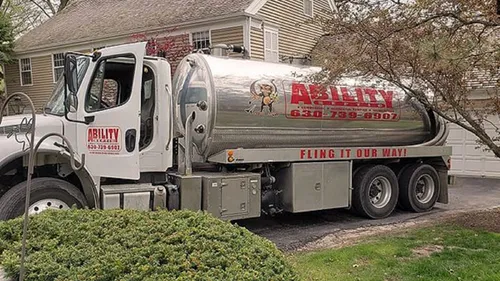
Ability Septic
801 N Raddant Rd, Batavia, IL 60510
Ability Septic is a family-owned septic service provider based near Aurora, IL, serving Batavia and surrounding areas. With over 65 years of experience since 1956, they offer a full range of septic services including pumping, inspection, installation, repair, and drain field maintenance. Their team uses advanced Lenzyme bio-products for eco-friendly septic system solutions and provides 24/7 emergency services to address urgent needs promptly.
Weidner's Septic Service Inc.
Chicago, IL
Weidner's Septic Service Inc. provides septic tank pumping, inspection, repair, and pump replacement services in Chicago, IL. The company handles septic system maintenance and emergency repairs, including pump replacements, with attention to keeping job sites clean and providing helpful advice for system upkeep. Customers have noted their responsiveness and professionalism in addressing septic issues promptly.
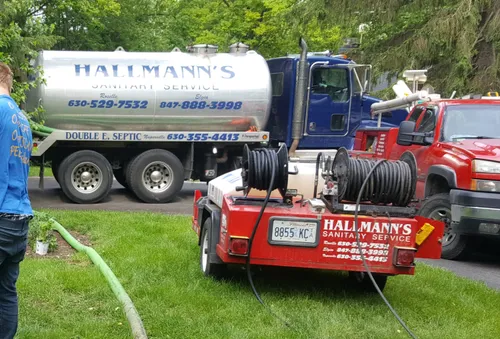
Hallmann Sanitary Service/Hallmann Septic
Chicago, IL
Hallmann Sanitary Service/Hallmann Septic provides septic tank pumping, cleaning, inspections, and system repairs in Chicago, IL. They offer comprehensive maintenance to help keep septic systems functioning properly and provide repair services such as installing baffles and hydro-jetting lines to address system issues.

Zeilinga Services, Inc.
850 Meadowview Crossing #9, West Chicago, IL 60185
Zeilinga Services, Inc. is a septic system company based in Chicago, IL. They provide septic tank pumping, inspection, repair, and installation services, along with drain field repair and septic pump replacement. Their work includes servicing various septic units such as Aqua 02, AquaKleer, and Norweco systems. They perform thorough maintenance tasks like cleaning pumps, changing filters, checking alarms, and conducting sludge tests to determine pumping needs. Zeilinga Services also offers specialized capabilities including jetting, lift station work, TV camera line inspections, and root control treatments.
Understanding Septic Systems and Common Failures
A septic system is an on-site wastewater treatment structure, typically consisting of a septic tank and a soil absorption field (leach field). When functioning properly, it safely processes household waste. However, systems can fail due to age, lack of maintenance, or environmental factors. In Glenview, common signs of trouble include sewage backups in drains, soggy ground or standing water over the drain field, foul odors near the tank or field, and unusually lush grass growth in the area of the leach lines 1. Recognizing these red flags early is crucial to preventing more extensive and costly damage.
Glenview and Cook County Repair Regulations
All septic system repairs in Glenview are regulated by the Cook County Department of Public Health and must adhere to the Illinois Department of Public Health (IDPH) code, specifically Section 905 2 3. This regulatory framework is designed to ensure public health and environmental safety.
The cornerstone of these regulations is the permit requirement. A permit must be obtained from the Cook County Department of Public Health before starting any repair, alteration, or construction on a septic system 4 5 6. This is not a mere formality; it initiates an official process that includes inspections to verify the work meets code. Furthermore, all repairs must be performed by an Illinois Licensed Private Sewage Disposal Installation Contractor 4 5. Hiring a licensed professional is non-negotiable for both legal compliance and the quality of the repair.
It's also important to know that septic permits are non-transferable. If you purchase a home where a repair permit was issued to the previous owner, you cannot use that permit; a new one must be secured for any work you undertake.
Types of Septic Repairs
The scope of septic work can vary widely, from minor adjustments to major excavations. Understanding the common types of repairs helps in discussing options with contractors.
- Tank Repair or Replacement: This can involve fixing broken inlet or outlet baffles, sealing cracks in concrete tanks, or addressing structural failures. If a tank is severely compromised, a full replacement may be necessary.
- Drain Field (Leach Field) Repair: This is often the most complex and expensive type of repair. If the soil has become saturated or biomat (a clogging layer) has formed, the field may fail. Solutions can include repairing or replacing clogged lateral lines, or in some cases, expanding the field to a new location.
- Component Installation: Adding accessories like risers (access ports that extend to the surface) makes future maintenance, inspection, and pumping much easier and is a common upgrade during repair projects 7.
- Emergency Mitigation: In cases of immediate failure where sewage is surfacing, the health department may require immediate, regular pumping as a temporary measure to abate a public health nuisance until a permanent repair can be planned and executed.
The Repair Process: From Inspection to Completion
Addressing a septic issue follows a logical sequence, often starting with a professional evaluation.
- System Inspection and Evaluation: A licensed inspector will conduct a thorough evaluation of the entire system. This typically includes checking tank sludge levels (which should be pumped if they exceed 33% of capacity 8), inspecting the distribution box, and assessing the drain field. Dye tests are commonly used to identify where effluent is leaking from a failing system 9 10. The national average cost for a detailed inspection ranges from $200 to $900.
- Diagnosis and Repair Plan: Based on the inspection, the contractor will diagnose the root cause and propose a repair solution. For significant work like a new drain field, a new soil percolation test may be required to ensure the soil can properly absorb the treated wastewater.
- Permitting: Your licensed contractor will usually handle pulling the required permit from the Cook County Department of Public Health, submitting the repair plan for approval.
- Repair Work and Inspections: The actual repair is performed. The Cook County Health Department requires permit inspections at critical stages of the work to ensure it complies with the approved plan and all health codes.
- Final Approval: Once the work passes final inspection, the system is approved for use.
Find the perfect septic system repair companies for your needs
Get personalized recommendations and expert advice
Costs Associated with Septic System Repairs
Repair costs in Glenview can vary significantly based on the problem's severity and the system's size. It's wise to get multiple estimates from licensed contractors.
- Inspections: As noted, a comprehensive inspection typically costs between $200 and $900.
- Minor Repairs: Fixes like replacing a septic pump, repairing a baffle, or sealing a minor tank crack can range from a few hundred to over $1,000 11.
- Major Repairs or Full Replacement: This is where costs escalate. Replacing a septic tank or installing a new drain field involves heavy equipment, excavation, and materials. These projects can cost several thousand dollars, with more extensive systems in the suburban Chicago area often reaching the higher end of national estimates.
Important Local Considerations
Glenview homeowners should be aware of two critical local policies that can directly impact repair plans.
First, Cook County enforces a mandatory maintenance and evaluation schedule. Systems must be evaluated every 3-5 years, depending on their installation date, to check for excessive sludge buildup. Staying on top of this can help you catch issues early, before they become major failures.
Second, there is a public sewer proximity rule. If a municipal sewer line is within 200 feet of your property line, the health department may require you to abandon your septic system and connect to the public sewer instead of approving a major repair 12 13. This is a crucial factor to investigate early in the process, as connecting to city sewer represents a different scope of work and cost.
Maintaining Your System Post-Repair
After investing in a repair, proper maintenance is key to protecting that investment and avoiding future problems. This includes regular pumping every 3-5 years (or as recommended based on your evaluation), conserving water to avoid overloading the system, and being mindful of what goes down the drains. Avoid flushing chemicals, grease, and non-biodegradable items that can disrupt the bacterial balance in the tank or clog the leach field.
Frequently asked questions
Sources
Footnotes
-
Septic Repair vs. Replacement: A Guide to Costs & Red Flags - https://prosepticri.com/septic-repair-vs-replacement-guide/ ↩
-
Private Sewage Disposal - Illinois Department of Public Health - https://dph.illinois.gov/topics-services/environmental-health-protection/private-sewage-disposal.html ↩
-
Illinois Septic Tank Requirements - https://www.ntotank.com/blog/illinois-septic-tank-requirements ↩
-
Illinois Septic Tank Requirements - https://www.ntotank.com/blog/illinois-septic-tank-requirements ↩ ↩2
-
Septic - Cook County Department of Public Health - https://cookcountypublichealth.org/environmental-health/water-and-sewage/septic/ ↩ ↩2
-
5-2-3: PERMIT REQUIREMENTS: - American Legal Publishing - https://codelibrary.amlegal.com/codes/grundycountyil/latest/grundycounty_il/0-0-0-2457 ↩
-
Septic Inspection: Top 5 Expert Services to Avoid Costly Failures - https://blairnorris.com/septic-inspection/ ↩
-
SEPTIC SYSTEMS OWNERS - Field Street Properties, LLC - https://www.fieldstreetproperties.com/pdf/Septic%20System%20Owners.pdf ↩
-
Guidelines for Addressing a Failing Septic System - https://www.lakecountyil.gov/DocumentCenter/View/4182/Failing-Systems-Brochure-PDF?bidId= ↩
-
Real Estate Septic System Inspections: A Comprehensive Guide - http://www.helmerseptic.com/real-estate-septic-system-inspections-a-comprehensive-guide ↩
-
How Much Does a Septic Inspection Cost? [2026 Data] - Angi - https://www.angi.com/articles/septic-inspection-cost.htm ↩
-
§ 51.05 SEWAGE TREATMENT OR DISPOSAL SYSTEMS. - https://codelibrary.amlegal.com/codes/willcounty/latest/willcounty_il/0-0-0-31672 ↩
-
Onsite Wastewater Treatment Systems (OWTS) - St. Charles County - https://www.sccmo.org/2181/OWTS-FAQs ↩