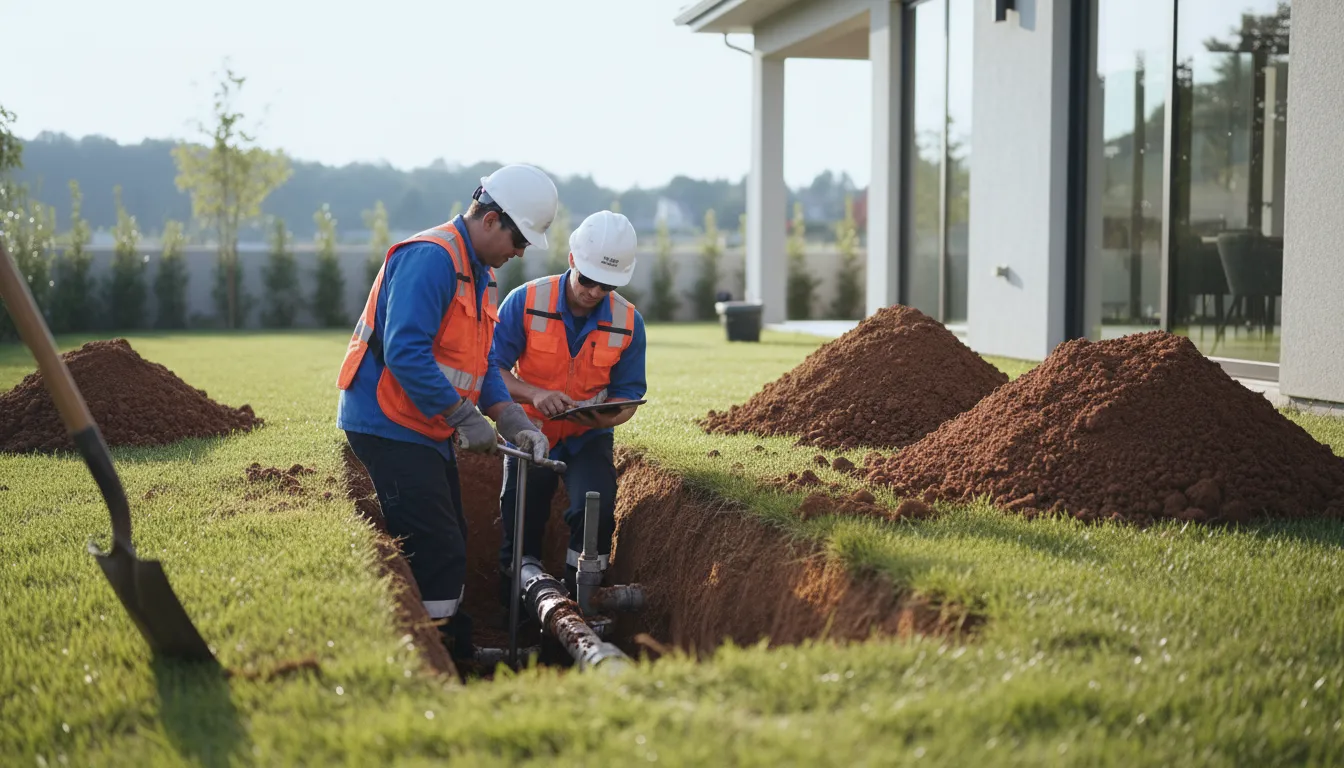
Find the Best Septic System Repair Companies for Your Business
No obligation • Fast responses • Nationwide coverage

Why you can trust Septic Spot
Septic Spot is a leading United States resource for understanding and comparing septic services. Our editors review providers using consistent criteria and verify key business details. Listings and scores are independent, and companies cannot pay to influence our content.
Search providers near you
Top Septic System Repair Companies in Naperville, Illinois Ranked
When your home's private wastewater system fails, it's more than an inconvenience-it's a public health and environmental concern that requires immediate, professional attention. Septic system repair in Naperville is a highly regulated process designed to protect groundwater and community health. This guide explains the critical steps, regulations, and common repair types for homeowners, helping you navigate the process of finding qualified local professionals to restore your system to proper function.
Suburban Plumbing Sewer Line and Drain Cleaning Experts
9100 Plainfield Rd Suite #9A, Brookfield, IL 60513
Suburban Plumbing Sewer Line and Drain Cleaning Experts is a full-service plumbing company serving Chicago, IL, and the greater Chicagoland area. They provide a wide range of services including septic tank pumping, inspections, repairs, and new system installations, as well as sewer line repairs, drain cleaning, water heater services, and flood control solutions. With over 30 years of experience, their licensed and insured technicians use advanced equipment like hydro jetting and sewer camera inspections to deliver effective plumbing solutions. The company offers 24/7 emergency plumbing services to address urgent issues promptly.
Dynamic Septic Service
18600 Rte 59, Shorewood, IL 60404
Dynamic Septic Service is a locally owned company based in Shorewood, Illinois, providing septic pumping, inspection, repair, and installation services in Chicago, IL, and surrounding counties including Will, DuPage, Cook, Kendall, Grundy, and Kankakee. With over 30 years of hands-on experience, they specialize in diagnosing septic system issues and offering clear options for repair or replacement. Their expertise includes routine pumping and complex system repairs, ensuring long-term functionality of septic systems.
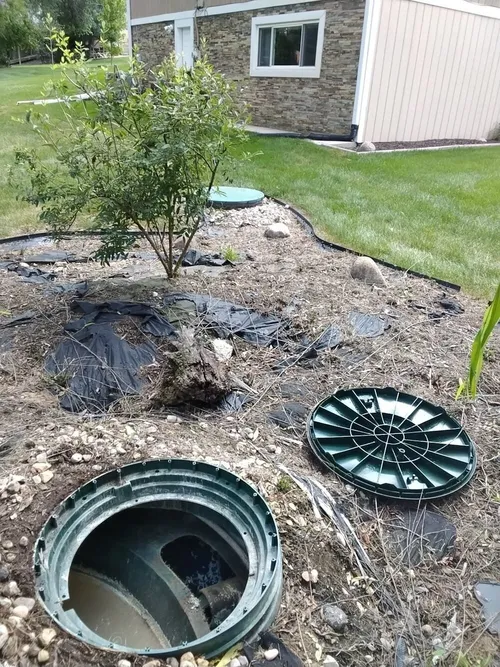
FreeFlow Environmental of Cook County
7030 Centennial Dr Suite 133, Tinley Park, IL 60477
FreeFlow Environmental of Cook County offers septic tank pumping and septic system repair services in Chicago, IL. They serve residential and commercial clients, addressing septic, sewer, and drainage issues with licensed and insured professionals. The company uses advanced technology for septic system repair, pumping, and sewer line cleaning, including no-dig sewer line repairs. Their services cover system maintenance, emergency repairs, and full restorations to ensure efficient operation and prevent backups. FreeFlow Environmental also emphasizes environmental stewardship in their work.
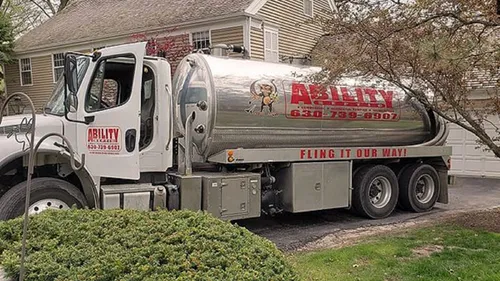
Ability Septic
801 N Raddant Rd, Batavia, IL 60510
Ability Septic is a family-owned septic service provider based near Aurora, IL, serving Batavia and surrounding areas. With over 65 years of experience since 1956, they offer a full range of septic services including pumping, inspection, installation, repair, and drain field maintenance. Their team uses advanced Lenzyme bio-products for eco-friendly septic system solutions and provides 24/7 emergency services to address urgent needs promptly.
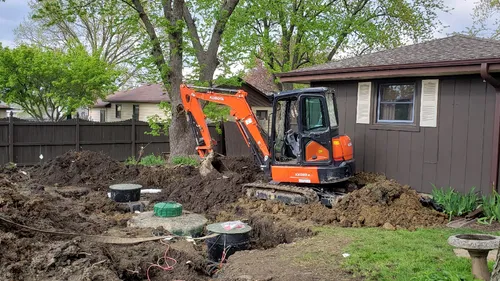
Superior Wastewater Systems, Inc.
2100 Mills Rd, Joliet, IL 60433
Superior Wastewater Systems, Inc. provides septic system repair and septic tank installation services in Chicago, IL. They serve residential, commercial, and industrial clients, offering installation, repair, and maintenance of septic systems. With over 30 years of experience, the company has developed expertise in handling various wastewater system needs.
Understanding Septic System Regulations in Naperville
All septic system maintenance and repair work in Naperville is governed by strict state and local codes. The city is split between DuPage County and Will County, and your property's location determines which health department has jurisdiction. Both counties enforce the Illinois Department of Public Health (IDPH) Private Sewage Disposal Code, but local permit processes and fees may vary.
The cornerstone of these regulations is the permit requirement. No construction, alteration, or significant repair can begin without first obtaining a sewage permit from the relevant county health department 1 2 3. This ensures that all work meets safety and engineering standards. Furthermore, the actual repair work must be performed by a licensed Private Sewage Disposal Installation Contractor 4. Attempting DIY repairs or hiring an unlicensed individual can result in fines, system failure, and liability issues.
Common Types of Septic System Repairs
A "repair" can range from a minor component replacement to a major overhaul of the drainage field. Understanding the scope helps in communicating with contractors and health officials.
- Tank Repairs: This includes replacing damaged or missing inlet/outlet baffles, repairing cracks in the concrete or fiberglass tank, or installing risers for easier future access and pumping. Risers are a common upgrade that bring the tank access lids to the surface, eliminating the need to dig every time service is required.
- Pump Replacement: For systems with a lift station or an Aerobic Treatment Unit (ATU), the sewage pump is a critical mechanical component. When it fails, effluent cannot move to the next stage of treatment, causing backups. ATUs, in particular, require professional servicing every six months by law 5 6.
- Lateral Field (Leach Field) Repair: This is often the most complex and costly type of repair. Symptoms include soggy ground, sewage odors, or effluent surfacing in the yard. Solutions can involve high-pressure jetting to clear biomat clogging, replacing sections of failed pipe, or expanding the absorption area. In some cases, a complete drain field replacement is necessary 7 8.
- System Rejuvenation: Sometimes referred to as "shock treatment" or "terra-lift," this process involves injecting air or specific compounds into the soil absorption area to break down the biomat and improve the soil's ability to infiltrate and treat effluent. It's a less invasive option before committing to full excavation.
The Step-by-Step Repair Process
Navigating a septic repair from discovery to completion involves several key stages.
- System Evaluation and Diagnosis: The first step is always a professional inspection by a licensed contractor or inspector. They will locate the tank, check sludge and scum levels (a tank with solids exceeding 33% of its capacity is a candidate for pumping and further inspection), and assess the condition of the drainage field 9 10. This diagnosis determines the necessary repair scope.
- Soil Evaluation (If Needed): If the repair involves the absorption field, a new soil evaluation (formerly known as a "perc test") is typically required by the health department. A licensed evaluator tests the soil's percolation rate to determine its suitability and size the system correctly. In Will County, this evaluation alone carries a fee of approximately $175.
- Permit Application: Your licensed contractor will prepare and submit repair plans, including the soil evaluation report if applicable, to the county health department for review. You cannot proceed until the permit is issued. The repair permit fee in Will County is approximately $225 for repairs, extensions, or alterations.
- Repair Work and Inspections: Once the permit is in hand, repair work can begin. The health department will conduct mandatory inspections at critical stages, such as after the tank is opened or before new lateral lines are covered. In DuPage County, the inspection fee for repairs is $150 11. Final approval from the inspector is required before backfilling is completed 12.
Find the perfect septic system repair companies for your needs
Get personalized recommendations and expert advice
Costs Associated with Septic Repairs in Naperville
Repair costs vary dramatically based on the problem's severity, soil conditions, and system type. It's essential to get multiple estimates from licensed contractors. Here is a general range based on common repair types:
- Minor Repairs: Fixing or replacing baffles, installing risers, or repairing a small tank crack typically ranges from $500 to $1,500.
- Major Repairs: Partial or complete lateral field line replacement is a significant excavation project. Costs can range from $3,000 to over $10,000, depending on the field's size and accessibility 13.
- Full System Replacement: When a repair is not feasible, or if local codes require an upgrade to a new technology (like an ATU), replacement costs can range from $15,000 to $40,000 or more. This is highly dependent on soil conditions, the need for a mound system, and whether connection to public sewer is mandated 14.
What to Do If You Suspect a System Failure
Acting quickly can prevent environmental contamination and more extensive damage. Signs of failure include:
- Sewage backing up into household drains.
- Gurgling sounds in plumbing.
- Wet, spongy, or bright green grass over the drain field, especially during dry weather.
- Unpleasant odors around the tank or drain field.
If you notice any of these, immediately contact a licensed septic system inspector or repair contractor. You should also notify your local health department:
- DuPage County Health Department: Plan Review Office at (630) 221-7045 15.
- Will County Health Department: Environmental Health Division 16 17.
Maintenance: The Best "Repair" is Prevention
The most cost-effective strategy is proactive maintenance. The Illinois EPA recommends pumping your septic tank every 2-3 years, depending on household size and usage 18. Regular pumping prevents solids from escaping into the drain field, which is the leading cause of field failure. Keeping detailed records of pumping, inspections, and repairs is also crucial, especially if you plan to sell your home, as a passing system inspection is often a contingency in real estate transactions 19.
Frequently asked questions
Sources
Footnotes
-
Private Sewage Disposal - Illinois Department of Public Health - https://dph.illinois.gov/topics-services/environmental-health-protection/private-sewage-disposal.html ↩
-
Illinois Septic Tank Requirements - https://www.ntotank.com/blog/illinois-septic-tank-requirements ↩
-
§ 51.05 SEWAGE TREATMENT OR DISPOSAL SYSTEMS. - https://codelibrary.amlegal.com/codes/willcounty/latest/willcounty_il/0-0-0-31672 ↩
-
Illinois Septic Tank Requirements - https://www.ntotank.com/blog/illinois-septic-tank-requirements ↩
-
Septic Sewage - Kane County Health Department - https://www.kanehealth.com/Pages/Septic-Sewage.aspx ↩
-
§ 51.08 INDIVIDUAL MECHANICAL SEWAGE TREATMENT ... - https://codelibrary.amlegal.com/codes/willcounty/latest/willcounty_il/0-0-0-31758 ↩
-
5-2-3: PERMIT REQUIREMENTS: - American Legal Publishing - https://codelibrary.amlegal.com/codes/grundycountyil/latest/grundycounty_il/0-0-0-2457 ↩
-
septic-systems.pdf - Illinois Environmental Protection Agency - https://epa.illinois.gov/content/dam/soi/en/web/epa/documents/water/conservation/lake-notes/septic-systems.pdf ↩
-
§ 51.05 SEWAGE TREATMENT OR DISPOSAL SYSTEMS. - https://codelibrary.amlegal.com/codes/willcounty/latest/willcounty_il/0-0-0-31672 ↩
-
How to Get Septic to Pass Inspection - https://www.guardianangelinspections.com/how-to-get-septic-to-pass-inspection ↩
-
Sewer and Water Permits | DuPage Co, IL - https://www.dupagecounty.gov/government/departments/public_works/sewer_and_water_permits.php ↩
-
Residential Well & Septic - District Health Department #10 - https://www.dhd10.org/environmental-health/well-septic/residential/ ↩
-
§ 51.10 CONTRACTOR'S LICENSE AND EXAMINATION. - https://codelibrary.amlegal.com/codes/willcounty/latest/willcounty_il/0-0-0-31792 ↩
-
Guidelines for Addressing a Failing Septic System - https://www.lakecountyil.gov/DocumentCenter/View/4182/Failing-Systems-Brochure-PDF?bidId= ↩
-
Sewage | DuPage County Health, IL - https://www.dupagehealth.org/254/Sewage ↩
-
Private Sewage Disposal - Illinois Department of Public Health - https://dph.illinois.gov/topics-services/environmental-health-protection/private-sewage-disposal.html ↩
-
Sign Off Procedures - Will County Health Department - https://willcountyhealth.org/wp-content/uploads/2019/01/Sign-Off-procedures.pdf ↩
-
Septic System Maintenance - Illinois EPA - https://epa.illinois.gov/topics/drinking-water/private-well-users/septic-system-maintenance.html ↩
-
Buying and Selling Homes | Septic Systems - Illinois Extension - https://extension.illinois.edu/septic-systems/buying-and-selling-homes ↩