
Find the Best Septic System Repair Companies for Your Business
No obligation • Fast responses • Nationwide coverage

Why you can trust Septic Spot
Septic Spot is a leading United States resource for understanding and comparing septic services. Our editors review providers using consistent criteria and verify key business details. Listings and scores are independent, and companies cannot pay to influence our content.
Search providers near you
Top Septic System Repair Companies in Oak Lawn, Illinois Ranked
Maintaining a functional septic system is a critical responsibility for homeowners in Oak Lawn. When components fail, timely and compliant septic system repair is essential to protect your property, public health, and the local environment. This resource is designed to help you understand the common issues, the regulated repair process, and how to connect with qualified local professionals who can diagnose and fix problems with your private sewage disposal system.

Suburban Plumbing Sewer Line and Drain Cleaning Experts
9100 Plainfield Rd Suite #9A, Brookfield, IL 60513
Suburban Plumbing Sewer Line and Drain Cleaning Experts is a full-service plumbing company serving Chicago, IL, and the greater Chicagoland area. They provide a wide range of services including septic tank pumping, inspections, repairs, and new system installations, as well as sewer line repairs, drain cleaning, water heater services, and flood control solutions. With over 30 years of experience, their licensed and insured technicians use advanced equipment like hydro jetting and sewer camera inspections to deliver effective plumbing solutions. The company offers 24/7 emergency plumbing services to address urgent issues promptly.
Feikema Plumbing & Sanitation
1854 Ridge Rd, Munster, IN 46321
Feikema Plumbing & Sanitation is a family-owned business based in Munster, IN, serving the Chicago, IL area with plumbing and septic system services. Established in 1956, they offer a wide range of solutions including septic tank pumping, septic system repairs, drain cleaning, water heater installation, and sewer maintenance. Their expertise includes advanced diagnostics using sewer cameras and modern rodding tools. With over 60 years of experience, Feikema Plumbing & Sanitation combines local community focus with licensed, bonded, and insured service.

Allied Water Services
Joliet, IL
Allied Water Services is a septic system repair and installation company based in Joliet, IL. They specialize in comprehensive underground and water management solutions, including septic system repairs, septic tank installations, drainage system design, and waterproofing. The company is equipped to handle challenging soil and water conditions common in the region. Their services cover a broad area including Kankakee, DuPage, Will, Iroquois, Cook, Livingston, and Grundy counties. Allied Water Services emphasizes code compliance and thorough project planning, providing documentation and warranties for their work.
Dynamic Septic Service
18600 Rte 59, Shorewood, IL 60404
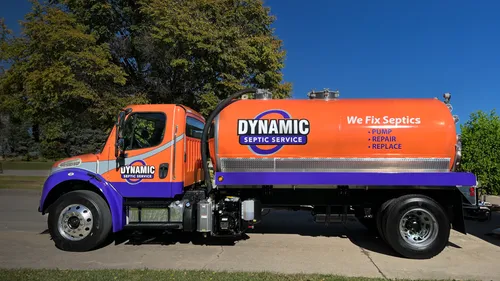
Dynamic Septic Service is a locally owned company based in Shorewood, Illinois, providing septic pumping, inspection, repair, and installation services in Chicago, IL, and surrounding counties including Will, DuPage, Cook, Kendall, Grundy, and Kankakee. With over 30 years of hands-on experience, they specialize in diagnosing septic system issues and offering clear options for repair or replacement. Their expertise includes routine pumping and complex system repairs, ensuring long-term functionality of septic systems.
FreeFlow Environmental of Cook County
7030 Centennial Dr Suite 133, Tinley Park, IL 60477
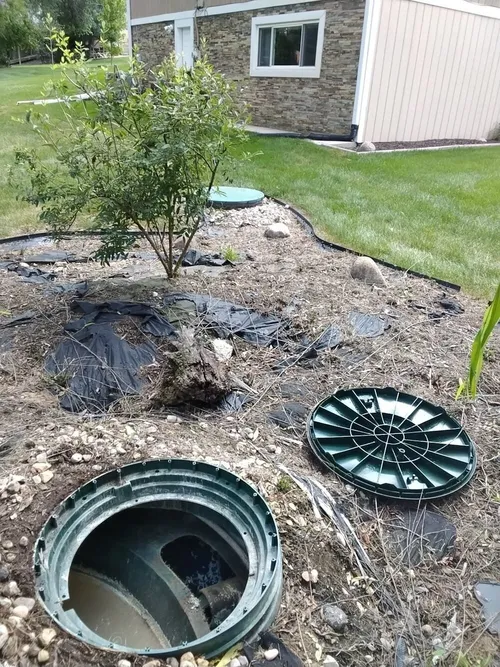
FreeFlow Environmental of Cook County offers septic tank pumping and septic system repair services in Chicago, IL. They serve residential and commercial clients, addressing septic, sewer, and drainage issues with licensed and insured professionals. The company uses advanced technology for septic system repair, pumping, and sewer line cleaning, including no-dig sewer line repairs. Their services cover system maintenance, emergency repairs, and full restorations to ensure efficient operation and prevent backups. FreeFlow Environmental also emphasizes environmental stewardship in their work.
Understanding Oak Lawn's Septic System Regulations
Septic system maintenance and repair in Oak Lawn are governed by a combination of strict local and county codes. The primary goal of these regulations is to prevent groundwater contamination and avoid sewage backups that can pose serious health risks 1. The Cook County Department of Public Health (CCDPH) oversees private sewage systems, and all work must comply with the Illinois State Plumbing Code (Title 77, Part 905)2.
A key regulation is the permit requirement. Before any construction, alteration, or repair begins on a septic system, a permit must be obtained from the CCDPH 3. This is not a mere formality; it ensures that the planned work meets health and safety standards. Furthermore, all repair work must be performed by a state-certified and licensed Private Sewage Disposal Installation Contractor4. Attempting DIY repairs or hiring an unlicensed individual can result in significant fines and may not resolve the underlying issue, leading to more costly problems later.
Oak Lawn also has specific rules for property transfers. The Village requires a point-of-sale sewer inspection prior to the sale of a home to verify there is no improper discharge into the public sewer system 5. For existing systems, regular evaluations are mandated: an initial inspection within three years of installation and follow-up inspections every five years thereafter. These rules underscore the importance of keeping your system in good working order, not just for your own benefit but for community-wide environmental protection.
Common Septic Repairs Needed in Residential Systems
A septic system is a complex assembly of components, and failures can occur at various points. Understanding the common types of septic tank repairs can help you identify potential issues early.
- Pipe Repair or Replacement: The pipes connecting your home to the septic tank and from the tank to the drain field are vulnerable to cracking, blockage from roots, or collapse due to soil shifting or age. Repairing or replacing these lines is a frequent fix.
- Baffle and Filter Replacement: The inlet and outlet baffles inside the tank are crucial. They prevent scum from clogging the inlet pipe and stop solids from flowing out into the drain field. Over time, these can corrode or break off6. Replacing them is a common and vital repair to maintain system efficiency.
- Tank Structural Repairs: Concrete tanks can develop cracks, and steel tank lids can rust through. Issues like a deteriorated lid or riser can create safety hazards and allow surface water to flood the tank, overwhelming the drain field7. Sealing cracks or replacing access ports are essential repairs.
- Drain Field Restoration or Replacement: This is often the most significant and costly repair. If a drain field becomes clogged with biomat or fails due to hydraulic overload, effluent may surface or back up into the house8. Solutions range from specialized rejuvenation techniques to a complete replacement of the absorption field.
- Lift Pump Replacement: For systems where gravity flow isn't possible, a pump lifts effluent to the drain field. When this pump fails, it must be replaced to prevent sewage backups 9.
- Regular Pumping: While not a "repair" in the traditional sense, routine pumping every 3-5 years is a critical maintenance service that prevents system failure by removing accumulated sludge and scum. Neglecting this can lead to much more expensive repairs.
The Professional Inspection and Diagnosis Process
Before any repair can be planned, a thorough diagnosis is required. A professional inspection by a licensed contractor is the first step. This process typically involves10 11 12:
- Locating and Uncovering: The technician will locate the tank, distribution box, and drain field, then excavate to uncover the access lids.
- Evaluating Tank Conditions: They will check the sewage level in the tank. A level that is too high may indicate a drain field blockage, while a level that is too low could signal a leak. They will also measure the sludge and scum layers to determine if pumping is urgently needed.
- Inspecting Components: The structural integrity of the tank, baffles, and pipes is assessed. The technician will look for cracks, corrosion, or damage.
- Assessing the Drain Field: This involves checking for signs of failure, such as soggy, foul-smelling soil or effluent surfacing above the absorption area.
- Providing a Detailed Report: A reputable professional will provide a clear written report outlining their findings, the necessary repairs, and a recommended course of action. This report is often required for permit applications.
Find the perfect septic system repair companies for your needs
Get personalized recommendations and expert advice
Navigating Costs and Permits for Septic Work
The cost of septic system servicing in Oak Lawn varies widely based on the complexity of the problem. It's helpful to have a general understanding of potential expenses, though you should always get detailed quotes from licensed contractors13 14 15.
- Permit and Inspection Fees: The CCDPH permit fee can range from approximately $25 to $300, depending on the scope of the repair16. Inspection fees are often bundled into a contractor's service package or are part of the mandatory point-of-sale inspection process.
- Minor Repairs: Fixing a broken pipe or replacing baffles and filters typically falls in the range of $300 to $900.
- Component Replacement: Replacing a distribution box may cost $500 to $1,500, while a new effluent pump installation can range from $500 to $1,800.
- Major System Work: This is where costs escalate significantly. Repairing or replacing a failing drain field can cost several thousand dollars. A complete septic system replacement, which may be necessary for very old or severely damaged systems, can easily exceed $10,000 to $20,000 or more, depending on soil conditions, system size, and technology used.
The permit process, while an added step, is your safeguard. It ensures the work is done correctly and recorded with the county, which is crucial for your property records and any future sales. Your licensed contractor will usually manage the permit application process on your behalf.
Proactive Maintenance to Avoid Major Repairs
The best strategy for managing your septic system is to prevent major failures from occurring. Consistent, proactive maintenance is far more economical than emergency septic system restoration 17.
- Schedule Regular Pumping: Have your tank pumped by a professional every 3 to 5 years, or as recommended based on your household size and usage.
- Mind What You Flush: Only human waste and toilet paper should go down the drain. Avoid flushing wipes (even "flushable" ones), feminine hygiene products, cooking grease, and chemicals.
- Conserve Water: Spread out water use throughout the day and week. Fix leaky faucets and toilets promptly, and consider installing water-efficient fixtures.
- Protect the Drain Field: Never park vehicles or build structures over the drain field. Direct rainwater drainage systems away from it to prevent saturation.
By following these guidelines and addressing small issues promptly, you can extend the life of your system and avoid the stress and high cost of a full system failure.
Frequently asked questions
Sources
Footnotes
-
Private Sewage Disposal - Illinois Department of Public Health - https://dph.illinois.gov/topics-services/environmental-health-protection/private-sewage-disposal.html ↩
-
Section 905 - Illinois General Assembly - https://www.ilga.gov/ftp/JCAR/AdminCode/077/077009050000200R.html ↩
-
Illinois Septic Tank Requirements - https://www.ntotank.com/blog/illinois-septic-tank-requirements ↩
-
Illinois Septic License & Certification | 2024 Contractor Guide - https://www.servicetitan.com/licensing/septic/illinois ↩
-
SEPTIC SYSTEMS OWNERS - Field Street Properties, LLC - https://www.fieldstreetproperties.com/pdf/Septic%20System%20Owners.pdf ↩
-
Septic Tank Repair in Jacksonville, IL - HRI Plumbing - https://www.hriplumbing.com/sewage/septic-tank-repair-jacksonville-il ↩
-
Septic Repair, Decatur IL | Septic System Repair - Septic Specialist - https://septicspecialistinc.com/septic-repair/ ↩
-
Septic System Maintenance - Illinois EPA - https://epa.illinois.gov/topics/drinking-water/private-well-users/septic-system-maintenance.html ↩
-
G & L Septic | IL Septic Repairs & Installation Services - https://gandlseptic.com/services/septic-system-repairs/ ↩
-
Frequent Questions on Septic Systems | US EPA - https://www.epa.gov/septic/frequent-questions-septic-systems ↩
-
Preparing for Septic Tank Inspection: 7 Key Steps - https://septic911.com/preparing-for-septic-tank-inspection/ ↩
-
A Complete Guide to Septic System Inspections | GAI Inc - https://www.guardianangelinspections.com/complete-guide-septic-system-inspection ↩
-
Septic pump services: inspections, repairs & installs [get help] - https://www.asi365.net/SepticPumpServices ↩
-
Guidelines for Addressing a Failing Septic System - https://www.lakecountyil.gov/DocumentCenter/View/4182/Failing-Systems-Brochure-PDF?bidId= ↩
-
CHAPTER 8 SEPTIC SYSTEMS - American Legal Publishing - https://codelibrary.amlegal.com/codes/countrysideil/latest/countryside_il/0-0-0-22472 ↩
-
Sewers - Welcome to Village of Oak Lawn, IL - https://www.oaklawn-il.gov/departments/public_works/sewers/index.php ↩
-
Why Maintain Your Septic System | US EPA - https://www.epa.gov/septic/why-maintain-your-septic-system ↩