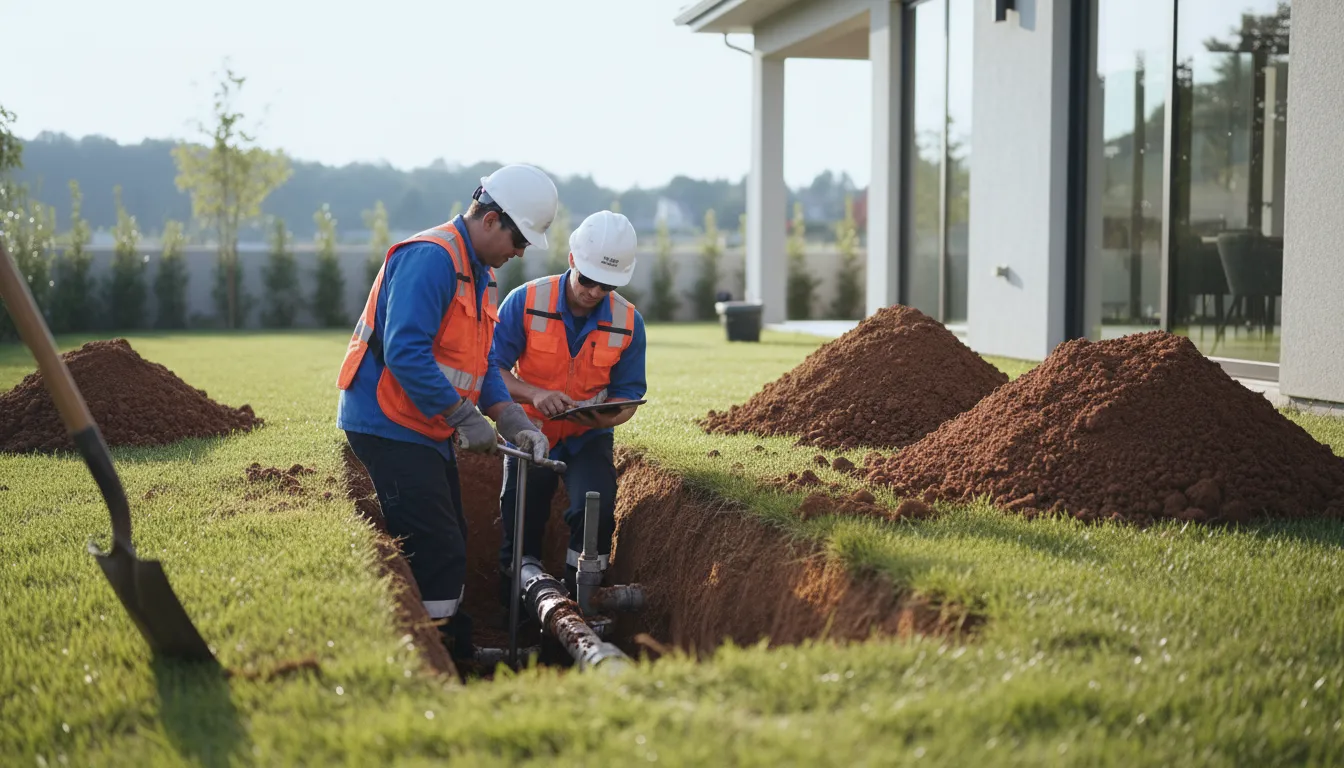
Find the Best Septic System Repair Companies for Your Business
No obligation • Fast responses • Nationwide coverage

Why you can trust Septic Spot
Septic Spot is a leading United States resource for understanding and comparing septic services. Our editors review providers using consistent criteria and verify key business details. Listings and scores are independent, and companies cannot pay to influence our content.
Search providers near you
Best Septic System Repair Companies in Louisiana Ranked
A failing septic system is more than an inconvenience; it's a public health and environmental concern. In Louisiana, with its unique challenges of high water tables and varied soil conditions, ensuring your onsite wastewater system functions correctly is critical. This guide provides clear, practical information on the repair process, state regulations, and costs to help you navigate finding a qualified professional to restore your system to proper working order.
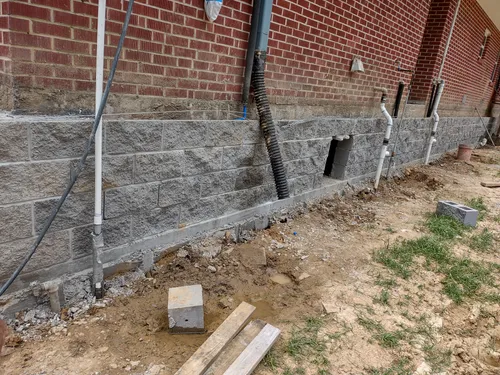
Michelli's Septic Installation & Maintenance
13316 Old Baton Rouge Hwy, Hammond, LA 70403
Michelli's Septic Installation & Maintenance is a construction company based in New Orleans, LA, specializing in septic system repair, installation, and maintenance. They serve a broad area throughout Louisiana, including major cities such as Baton Rouge, Shreveport, and Lafayette. The company handles projects of various sizes, from residential septic systems to large-scale water treatment plants and concrete collection lines. Michelli's offers gravel, dirt, and sand delivery and hauling as part of their services. They emphasize tailored solutions and collaboration to meet client needs across diverse project types.
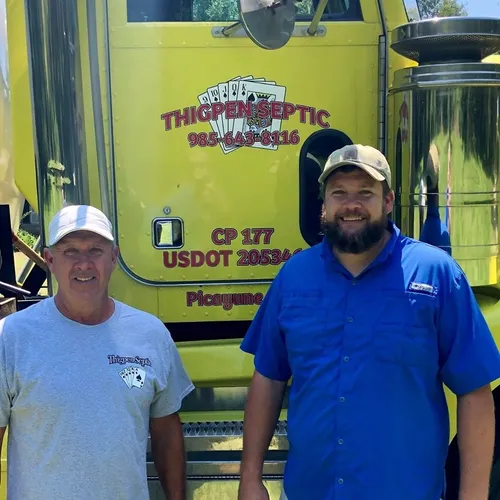
Thigpen Septic Tank Services, LLC
102 Trey Thigpen Rd, Picayune, MS 39466
Thigpen Septic Tank Services, LLC is a family-owned septic company serving New Orleans, LA. Since 1973, they have provided a full range of septic services including tank pumping, system installation, repairs, and drain field replacement. With over 50 years of experience, they handle both residential and commercial septic needs with a focus on quality and attention to detail.

Bordelon Septic Systems Inc
1066 US-171, Stonewall, LA 71078
Bordelon Septic Systems Inc provides septic tank pumping, repair, and installation services in Shreveport, LA. They serve DeSoto, Caddo, and Bossier parishes, along with surrounding areas. Their services include installation of residential and commercial sewer treatment systems, septic tank pumping, and maintenance contracts. The company handles service and repairs for various sewer treatment systems.
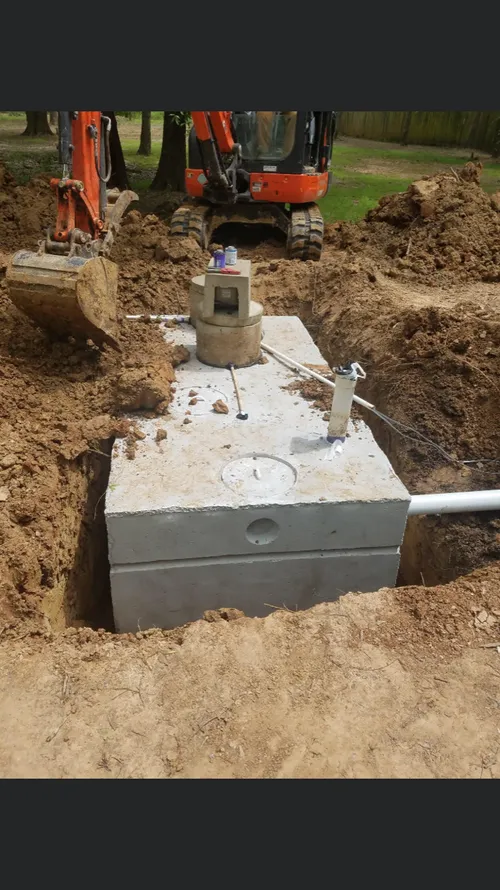
Nattin Septic Service
Shreveport, LA
Nattin Septic Service provides a range of septic system services in Shreveport, LA, and surrounding areas including Bossier City, Benton, Bossier Parish, and Caddo Parish. They handle septic tank pumping, inspections, repairs, and installations, ensuring septic systems operate properly and helping prevent sewage problems. Their capabilities include septic pump repair and replacement, as well as addressing sprinkler, pump, line, or wiring issues related to septic systems. The company offers free estimates for septic system installations and serves both homeowners and property owners in the region.
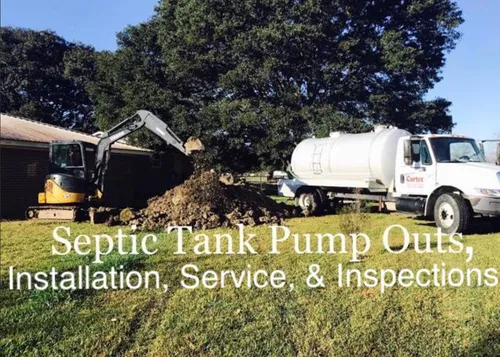
Marcus Cortez Services LLC
Lafayette, LA
Marcus Cortez Services LLC is a family-owned company providing septic and sewer installations, repairs, and maintenance in Lafayette, LA, and the wider Acadiana area. Established in 2015, they offer a range of services including septic tank pumping, system inspections, and new septic system installations. Their team is experienced in handling various septic and sewer needs with a personalized approach to each property. Marcus Cortez Services LLC serves multiple locations around Lafayette, ensuring septic systems function efficiently and reliably.
Understanding Louisiana's Septic System Regulations
All repairs, replacements, or modifications to a residential septic system in Louisiana are regulated by the Louisiana Department of Health (LDH). The state's primary goal is to protect groundwater and public health, which means most repair work cannot begin without official approval.
A key rule is that any work altering the system's capacity, effluent quality, or operation requires a permit from the LDH's Office of Public Health (OPH). This includes seemingly minor changes. The approval process typically involves submitting a site plan and may require an inspection by an OPH representative or an authorized agent before the repair is finalized and backfilled.
When is a Repair Needed?
Recognizing the signs of a failing system early can prevent more extensive and costly damage. Common indicators include:
- Slow drains or sewage backups in household fixtures.
- Soggy ground or standing water over the drain field, especially with a foul odor.
- Unusually lush, green grass over the drain field area.
- Gurgling sounds in your plumbing.
If you notice any of these signs, it's time to consult a licensed professional for an assessment. Ignoring problems can lead to groundwater contamination, property damage, and enforcement action from local health authorities.
The Repair Process: From Permit to Completion
Navigating a septic repair in Louisiana involves several defined steps. Understanding this workflow can help you manage the project effectively.
- Initial Assessment: A licensed installer or qualified sanitarian evaluates the system to diagnose the problem and determine the necessary repairs.
- Permit Application: The professional will prepare and submit a permit application, including a site plan, to the local OPH office for review.
- Approval & Inspection: Once the permit is approved, repair work can commence. Critical stages of the work, such as the open excavation before new drain field media is added, will likely require an inspection.
- System Abandonment (if applicable): If the repair involves installing a new tank or drain field, the old components must be properly abandoned. This involves pumping out the old tank and filling it with soil or another inert material to prevent collapse.
- Final Approval: After the repair passes inspection and the site is restored, the OPH will issue a final approval for the system to be placed back into service.
Working with Licensed Professionals
Louisiana law specifies who can perform septic system work. For conventional, gravity-fed systems (non-mechanical), a property owner may install or repair their own system. However, they cannot hire an unlicensed contractor to do the work for them 1.
For any system involving mechanical components, such as pumps, aerators, or advanced treatment units (ATUs), the work must be performed by a state-licensed installer. Furthermore, mechanical systems come with a mandatory 2-year maintenance policy that must be upheld by a licensed maintenance provider 2. Always verify a contractor's license with the LDH before hiring them.
Find the perfect septic system repair companies for your needs
Get personalized recommendations and expert advice
Louisiana's Environmental Challenges and Solutions
The state's geography directly impacts septic system design and repair.
- High Water Tables: In areas with seasonally or perpetually high groundwater, a standard drain field can fail because it cannot properly treat effluent. The solution is often to build an elevated drain field (a "mound" or "bed") above the natural ground level or to install a mechanical treatment system that provides a higher level of purification before discharge.
- Soil Conditions: Repair work should never be conducted in wet soil, as this leads to compaction and reduces the soil's ability to treat wastewater. If soil smearing occurs during excavation, the surfaces must be raked to restore permeability.
- System Types: While conventional systems are preferred, a failing system in poor soil may have to be replaced with an Advanced Treatment Unit (ATU). These systems treat wastewater to a higher standard, making them suitable for challenging sites but also adding complexity and cost.
Critical Setbacks and Prohibitions
When planning a repair, strict distance requirements, known as setbacks, must be followed. These are non-negotiable for permit approval:
- 50 to 100 feet from any water well (the distance depends on the well type and system).
- 10 feet from property lines.
- 25 feet from potable water lines 3.
It is also prohibited for septic system effluent to discharge onto the ground surface. Any repair must ensure all wastewater is contained and treated within the permitted system components 4.
Understanding Repair and Replacement Costs
Costs for septic work in Louisiana vary significantly based on the parish, site accessibility, and the extent of the problem. The figures below are general estimates to help you budget.
- Minor Repairs: Fixing a damaged baffle, replacing a pump, or unclogging a line typically ranges from $500 to $1,500.
- Tank Replacement: Installing a new conventional septic tank can cost between $2,000 and $5,000, depending on size and material.
- Drain Field Rejuvenation or Replacement: This is a major repair, often involving new distribution lines and soil media. Costs generally fall between $3,000 and $7,000 or more.
- Full System Replacement / Mechanical Unit: Completely replacing a failed system, especially with an advanced mechanical treatment unit (ATU) to handle poor soils, is the most expensive option. Prices often range from $8,000 to $15,000 or higher 5 6.
Maintaining Your Repaired System
Once your system is repaired, proper maintenance is key to preventing future failures. This includes regular pumping of the tank (typically every 3-5 years), conserving water to avoid overloading the system, and avoiding flushing harmful chemicals or non-biodegradable materials. For mechanical systems, adhering to the required maintenance contract is legally mandatory.
Frequently asked questions
Sources
Footnotes
-
Wastewater Installers: Definitions and Permit Specifications - https://www.lsuagcenter.com/articles/page1763050885007 ↩
-
Information Packet for Applicants - Louisiana Department of Health - https://ldh.la.gov/assets/oph/Center-EH/sanitarian/onsitewastewater/PlanReMechTreat.pdf ↩
-
Louisiana Administrative Code Title 51 Part XIII. Sewage Disposal ... - https://ldh.la.gov/assets/oph/Center-EH/sanitarian/onsitewastewater/454.pdf ↩
-
Louisiana Administrative Code Title 51 Part XIII. Sewage Disposal ... - https://ldh.la.gov/assets/oph/Center-EH/sanitarian/onsitewastewater/7608.pdf ↩
-
Onsite Sewage Treatment System Maintenance, Health and ... - https://www.deq.louisiana.gov/assets/docs/Enviroschool/EnviroschoolOnsiteSewage-web.pdf ↩
-
osww installer workshop - Louisiana Department of Health - https://ldh.la.gov/assets/oph/Center-EH/sanitarian/onsitewastewater/OSWWINSTALLERstudyguide.pdf ↩