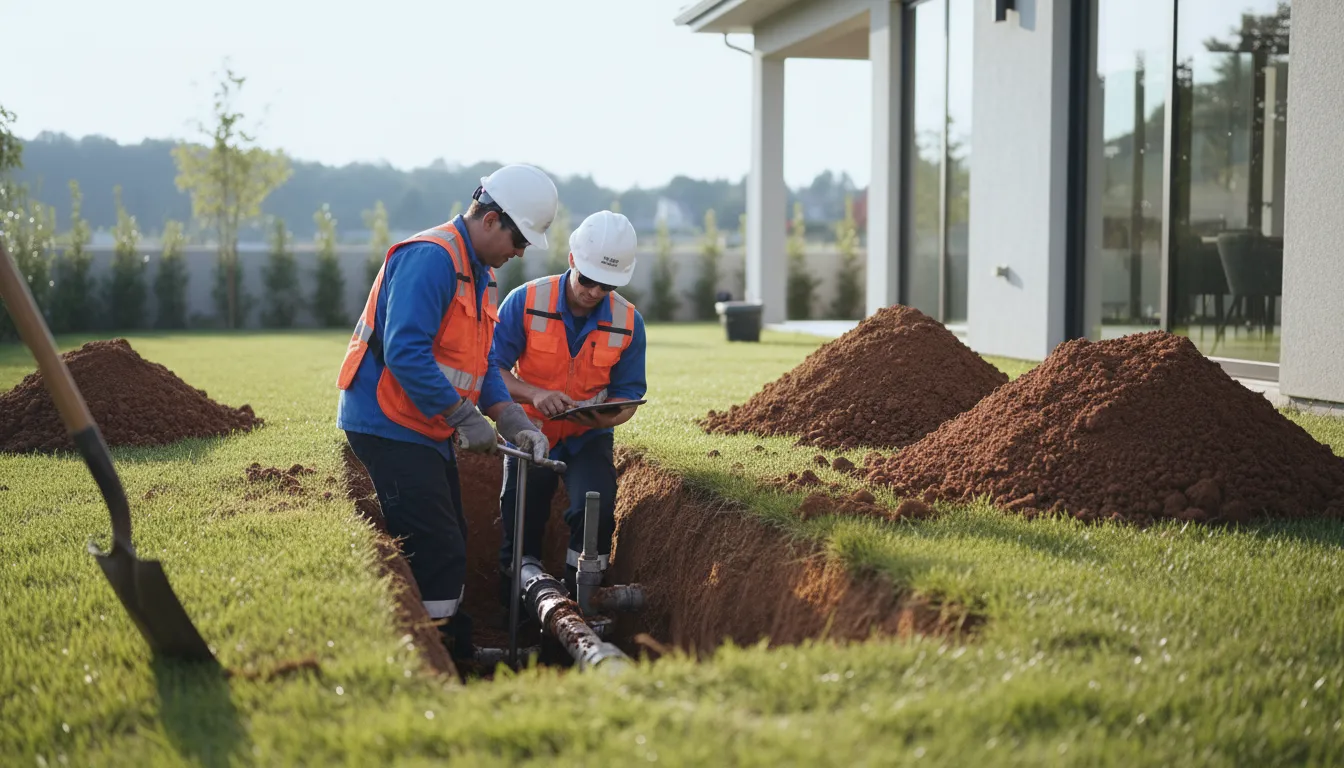
Find the Best Septic System Repair Companies for Your Business
No obligation • Fast responses • Nationwide coverage

Why you can trust Septic Spot
Septic Spot is a leading United States resource for understanding and comparing septic services. Our editors review providers using consistent criteria and verify key business details. Listings and scores are independent, and companies cannot pay to influence our content.
Search providers near you
Top Septic System Repair Companies in New Orleans, Louisiana Ranked
When your home's onsite wastewater treatment system fails, it's more than an inconvenience-it's a potential health hazard and a regulatory issue. In New Orleans, where high water tables and unique soil conditions are common, septic system repair is a specialized field governed by strict state and local health codes. This guide explains the critical aspects of maintaining and fixing your septic system, from understanding local regulations to identifying common problems. You can use this information to find qualified, licensed professionals who can diagnose issues and perform the necessary corrective work to keep your system functioning safely and legally.
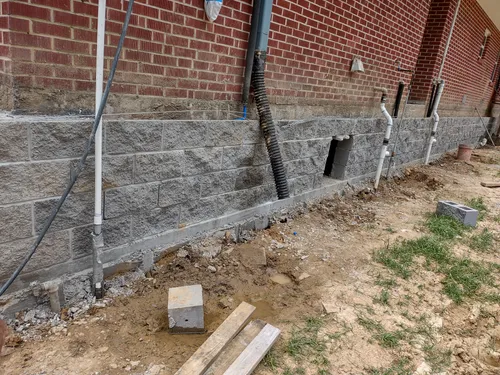
Michelli's Septic Installation & Maintenance
13316 Old Baton Rouge Hwy, Hammond, LA 70403
Michelli's Septic Installation & Maintenance is a construction company based in New Orleans, LA, specializing in septic system repair, installation, and maintenance. They serve a broad area throughout Louisiana, including major cities such as Baton Rouge, Shreveport, and Lafayette. The company handles projects of various sizes, from residential septic systems to large-scale water treatment plants and concrete collection lines. Michelli's offers gravel, dirt, and sand delivery and hauling as part of their services. They emphasize tailored solutions and collaboration to meet client needs across diverse project types.
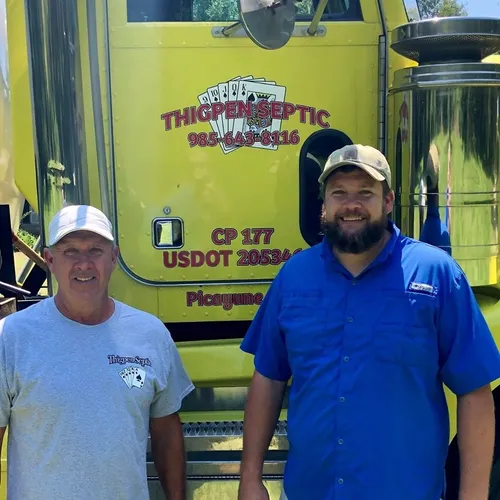
Thigpen Septic Tank Services, LLC
102 Trey Thigpen Rd, Picayune, MS 39466
Thigpen Septic Tank Services, LLC is a family-owned septic company serving New Orleans, LA. Since 1973, they have provided a full range of septic services including tank pumping, system installation, repairs, and drain field replacement. With over 50 years of experience, they handle both residential and commercial septic needs with a focus on quality and attention to detail.
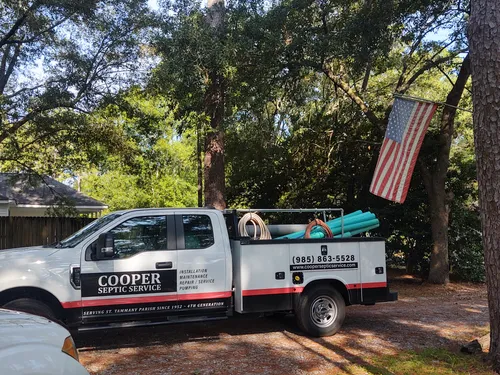
Cooper Septic Service
202 Brett Dr, Slidell, LA 70461
Cooper Septic Service is a fourth-generation septic system repair company serving New Orleans, LA, and the surrounding St. Tammany Parish area. They offer residential and commercial septic solutions with a focus on smart, sensible, and affordable repairs. The company stays current with regulations and provides detailed communication throughout the repair process, ensuring customers understand the work being done.
Pounds Sewer Systems
20378 LA-36, Covington, LA 70433
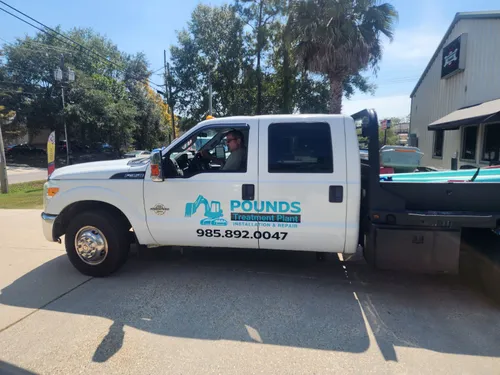
Pounds Sewer Systems is a family-owned business serving New Orleans, LA, and surrounding areas with septic tank installation, sewer treatment plant systems, and septic system repair. The company offers residential and commercial services, including pump replacement, drain line repair, and installation of lift stations and spray irrigation systems. Established in 1997, Pounds Sewer Systems continues a legacy of four generations in the septic and sewer system industry, originally started in the early 1950s. They are licensed and insured in both Louisiana and Mississippi and provide service that includes obtaining necessary permits and site planning.
Nathan's Septic Service
New Orleans, LA
Nathan's Septic Service provides a full range of septic system services in New Orleans, LA, including cleaning, inspections, repairs, and installations. Serving St. Bernard, Jefferson, and St. Tammany Parishes, the locally owned company employs licensed professionals to ensure septic systems function properly. Their expertise includes certified septic tank inspections and customized new tank installations. Nathan's Septic Service has built a reputation for quality and customer satisfaction across the region.
Understanding New Orleans Septic System Regulations
Repairing a septic system in New Orleans is not a DIY project. The Louisiana Department of Health (LDH) heavily regulates all onsite wastewater systems to protect public health and groundwater. A permit is required for any repair, replacement, or modification of an existing system. Furthermore, all repair work must be performed by an LDH-licensed installer or contractor. This is crucial because improper repairs can lead to groundwater contamination, which is a significant concern in the region's porous soils.
For homes with Mechanical Treatment Plants (MTPs) or Aerobic Treatment Units (ATUs)-common in areas with poor soil drainage-regulations are even more specific. Upon installation, these systems require a two-year service contract with a licensed professional. After that period, homeowners must either maintain a service contract or obtain homeowner certification from the LDH to perform only minor maintenance tasks themselves. Inspections by LDH sanitarians are also mandated for non-mechanical systems before they can be covered after repair 1.
Two critical rules every homeowner should know: First, effluent can never be discharged onto the ground surface, into gutters, or ditches. Second, if a system is being replaced, any abandoned septic tank must be pumped by a licensed hauler and either removed or filled with soil before the new system can be approved 2 3. Always contact the LDH regional office or a licensed professional to secure the proper permit before starting any corrective work on your system 2.
Common Septic Repairs in the New Orleans Area
The humid, low-lying environment of Southeast Louisiana presents specific challenges for septic systems. Understanding the most frequent types of repairs can help you identify issues early.
- Pumping and Cleaning: This is preventive maintenance, not a repair per se, but it's foundational. Routine removal of sludge and scum prevents solids from overflowing into the drain field, which is a leading cause of system failure 4. In New Orleans, this must be done by a licensed contractor.
- Aerobic System (ATU) Component Repair: For homes with mechanical systems, common fixes include replacing failed air compressors, clogged aerators, faulty control panels, or malfunctioning submersible pumps. These components are essential for introducing oxygen to break down waste.
- Baffle Replacement: The inlet and outlet baffles inside the septic tank are crucial for controlling the flow of wastewater and preventing scum and sludge from escaping. These can crack or deteriorate over time and need replacement.
- Drain Field Rehabilitation: This is often the most complex and costly repair. It can involve fixing clogged absorption trenches, replacing collapsed or root-intruded distribution pipes, or installing modern gravelless distribution chambers to restore proper effluent dispersal 5.
- Tank Replacement: Concrete tanks can crack, deteriorate, or become undersized for the home's use. Full tank replacement is a major repair that involves excavation, proper abandonment of the old tank, and installation of a new, permitted unit 6.
- Sewer Line Replacement: Especially in older New Orleans homes, the pipe connecting the house to the septic tank (the sewer line) may be made of corroded cast iron or clay. Tunneling under a home's slab to replace this line with modern PVC is a specialized but sometimes necessary repair.
Find the perfect septic system repair companies for your needs
Get personalized recommendations and expert advice
The Professional Inspection Process
Before any repair can be accurately scoped, a thorough inspection is essential. A professional inspection in New Orleans typically follows a detailed process to diagnose the root cause of a problem.
- System Locating & Access: The technician will first locate the tank and drain field, which may require probing or electronic locating equipment if records are unclear. They will then excavate to expose the tank lid and inspection ports.
- Visual and Physical Inspection: The tank is opened, and the interior is checked for structural cracks, leaks, and the condition of the baffles. The drain field area is surveyed for signs of surfacing effluent or soggy ground.
- Sludge and Scum Level Measurement: Using specialized tools, the inspector measures the depth of sludge at the bottom and scum at the top of the tank. This determines if pumping is urgently needed and assesses the tank's overall health.
- Hydraulic Load or Dye Test: Water is run through the household plumbing to load the system. In some cases, dye may be added. The inspector then checks for backups in the house, leaks at the tank, or slow absorption in the drain field, indicating a clog or failure 7.
- Mechanical Component Check: For ATU systems, the inspector will test pumps, floats, alarm systems, and aerators to ensure all electrical and mechanical parts are functioning correctly 8.
This comprehensive evaluation provides a clear roadmap for any necessary septic system servicing or corrective action.
Factors Influencing Repair Costs
The cost to fix a septic system in New Orleans varies widely based on the system type, the extent of damage, and the required materials and labor. Permitting and design fees from the LDH also contribute to the overall expense.
- Basic Pumping: While a maintenance service, pumping costs depend on tank size and accessibility but is generally the least expensive service call requiring a licensed hauler 9.
- Inspection Fees: These are often bundled into a diagnostic service call fee. If the homeowner has already located and exposed the tank lid, the cost may be lower 10.
- Component Repairs: Replacing a single part, like a pump or aerator in an ATU, involves the part cost and labor. It is typically more affordable than structural repairs 11 12.
- Drain Field Repairs: Addressing problems in the soil absorption area is more involved. Costs can range significantly based on whether it's a simple pipe repair, a partial field rejuvenation, or a complete replacement 13 14.
- Full System Replacement: This is the most expensive scenario. It requires soil testing, a new system design by a licensed engineer, LDH permits, excavation, and installation of a new tank and drain field compliant with current codes.
Given this range, obtaining multiple estimates from licensed professionals for any significant repair is a prudent step.
Maintaining Your System to Avoid Major Repairs
Proactive care is the most cost-effective strategy. For conventional systems, this means pumping the tank every 3-5 years, conserving water, and avoiding flushing harmful chemicals or non-biodegradables. For mechanical ATU systems, adherence to the required maintenance contract is not just a recommendation-it's a legal obligation to ensure alarms, aerators, and pumps are checked regularly 15 16 17. Proper maintenance significantly extends the life of your drain field, the most valuable and expensive component of your onsite wastewater system 18.
Frequently asked questions
Sources
Footnotes
-
51 PUBLIC HEALTH―SANITARY CODE Part XIII. Sewage ... - https://ldh.la.gov/assets/oph/Center-EH/sanitarian/onsitewastewater/StudyMaterialOSWWInstWk.pdf ↩
-
Septic Services in New Orleans - https://www.septicserviceneworleans.com/ ↩ ↩2
-
Information Packet for Applicants - Louisiana Department of Health - https://ldh.la.gov/assets/oph/center-eh/sanitarian/onsitewastewater/plansreviewpacketformechanicaltreatmentsystems.pdf ↩
-
Septic Services - New Orleans, LA | Quick Fix Septic - https://www.septicserviceneworleans.com/ ↩
-
Preparing for Septic Tank Inspection: 7 Key Steps - https://septic911.com/preparing-for-septic-tank-inspection/ ↩
-
Septic Tank Installation and Repair | Kenner, LA - https://www.petersonplumbingnola.com/septic-service ↩
-
How to Inspect a Private Septic System - https://www.youtube.com/watch?v=URhIPaX-csA&t=20 ↩
-
Information Packet for Applicants - Louisiana Department of Health - https://ldh.la.gov/assets/oph/center-eh/sanitarian/onsitewastewater/plansrepackmectreat.pdf ↩
-
Chapter 185. Board of Health Regulations ... - Orleans, MA - https://www.town.orleans.ma.us/DocumentCenter/View/236/Orleans-MA-Draft-BOH-Transition-Rules-2019-09-04-PDF ↩
-
Septic System Inspections in South Orleans, MA | SewerMan - https://sewerman.com/south-orleans-ma/services/oil-to-gas-conversions/ ↩
-
Information Packet for Applicants - (For Septic Tanks with Secondary ... - https://ldh.la.gov/assets/oph/Center-EH/sanitarian/onsitewastewater/ApplicationPacketforSepticTankswithSecondaryTreatment.pdf ↩
-
plumbing repair New Orleans, LA - https://www.plumbersinneworleans.com/ ↩
-
Louisiana Administrative Code - https://ldh.la.gov/assets/oph/Center-EH/sanitarian/onsitewastewater/8145.pdf ↩
-
Professional Septic Tank Installation in New Orleans, LA - https://www.plumbersinneworleans.com/septic-tank-installation ↩
-
Mechanical Sewage System - Minor & Major Repairs - https://www.calcasieu.gov/services/planning-development/sewage-inspection-program/mechanical-sewer-inspection-program ↩
-
Onsite Sewage Treatment System Maintenance, Health and ... - https://www.deq.louisiana.gov/assets/docs/Enviroschool/EnviroschoolOnsiteSewage-web.pdf ↩
-
How to Care for Your Mechanical Sewer System - https://www.calcasieu.gov/services/planning-development/sewage-inspection-program/do-s-don-ts ↩
-
Septic System Maintenance in Rural Louisiana - https://smjplumbing.com/septic-system-maintenance-in-rural-louisiana-your-comprehensive-guide/ ↩