Find the Best Septic System Repair Companies for Your Business
No obligation • Fast responses • Nationwide coverage

Why you can trust Septic Spot
Septic Spot is a leading United States resource for understanding and comparing septic services. Our editors review providers using consistent criteria and verify key business details. Listings and scores are independent, and companies cannot pay to influence our content.
Search providers near you
Top Septic System Repair Companies in Baton Rouge, Louisiana Ranked
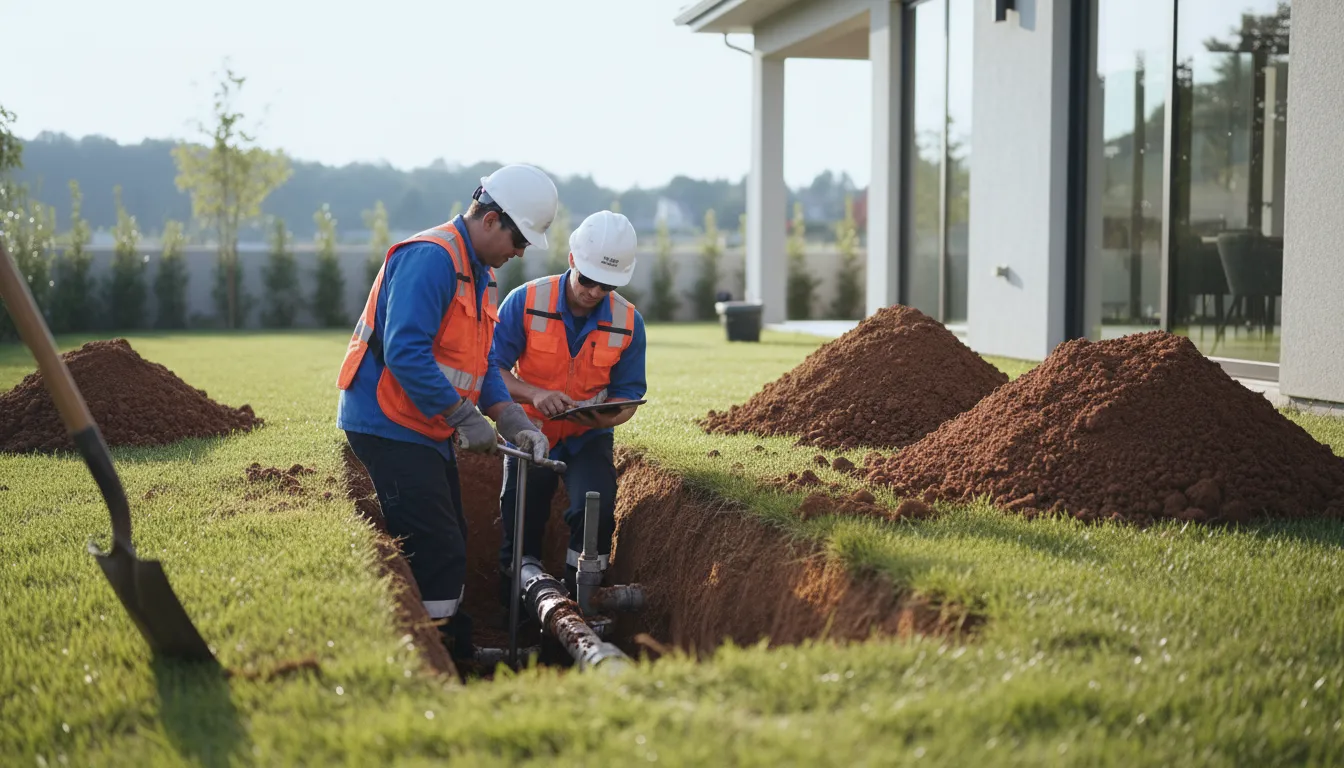
Maintaining a functional septic system is crucial for the health, safety, and property value of any home not connected to a municipal sewer line. In Baton Rouge, where soil conditions and local regulations present unique challenges, understanding your septic system's needs is especially important. When issues like wet spots in the yard, slow drains, or unpleasant odors arise, timely and professional septic system repair is essential. This guide explains the local repair process, regulations, and common solutions to help you navigate finding qualified service providers in the Baton Rouge area.

Southern Wastewater Louisiana Septic Cleaning and Pump Out
36981 Twin Oaks Dr, Denham Springs, LA 70706
Southern Wastewater Louisiana Septic Cleaning and Pump Out is a family owned and operated business serving Baton Rouge, LA, and surrounding areas including Livingston Parish, Denham Springs, Hammond, Walker, and Zachary. They specialize in septic tank pump outs, septic sewer cleaning, and minor septic system repairs. With over 25 years of experience installing and maintaining sewer treatment systems and septic tanks, they also offer emergency and weekend services to address urgent septic issues. Their team can help manage sludge buildup and blockages to prevent sewer backups and provide maintenance advice tailored to each system's needs.
Ollie’s Septic Cleaning & Repair
Baton Rouge, LA
Ollie's Septic Cleaning & Repair is a family-owned business serving Baton Rouge, LA, with over 30 years of experience in septic system services. They provide septic tank pumping, inspections, repairs, and installations, focusing on maintaining effective septic systems for their community. Their capabilities include thorough septic tank cleaning and sewage pump-outs, ensuring proper system function and longevity.
Riverside Septic & Waste
30210 LA-16, Amite City, LA 70422
Riverside Septic & Waste is a septic tank pumping, repair, and installation company serving Baton Rouge, LA. With over 40 years of experience, they provide a full range of septic services including manufacturing concrete tanks onsite, installing new residential and commercial systems, and repairing existing septic systems. Their facility also includes a DEQ-approved sludge processing plant that accepts sludge from other haulers, and they manufacture commercial concrete tanks starting at 2,000 gallons for various applications. Riverside Septic & Waste combines manufacturing, installation, repair, and waste processing all in one location.
Understanding Septic System Failures
A failing septic system is more than an inconvenience; it's a public health hazard and an environmental concern. In Baton Rouge and across Louisiana, common signs of trouble include sewage backing up into household drains, soggy ground or standing water over the drainfield, foul odors around the tank or yard, and unusually lush grass growth over the absorption area. These symptoms often indicate that the system is overloaded, clogged, or that the drainfield has reached the end of its functional life. Given the region's high water table and often clay-heavy soils, systems here can be particularly susceptible to failure if not properly maintained.
Baton Rouge and Louisiana Regulatory Framework
All residential septic system repairs, modifications, and replacements in Baton Rouge are strictly regulated by the Louisiana Department of Health (LDH) Office of Public Health. Local oversight is provided by the East Baton Rouge Parish sanitarian. A core rule is that a permit must be obtained from the LDH before any modification, repair, or replacement of an individual sewerage system begins 1. This ensures all work meets the state sanitary code designed to protect groundwater and public health.
Crucially, repairs must be performed by a licensed installer. The only exception is for a property owner performing work on their primary residence, and even then, they must meet specific educational requirements, pass a certification exam, and receive approval from the Office of Public Health 2. Furthermore, if an old system is being replaced, abandoned tanks or oxidation ponds must be properly pumped out and filled with soil or removed entirely. New components must also adhere to strict setback rules, such as being typically 50 feet from a private well and 10 feet from property lines 3.
The Step-by-Step Repair Process
When you suspect a problem, a structured process led by professionals is required to diagnose and fix the issue in compliance with state law.
- Locate and Diagnose: A licensed professional will first locate all system components (tank, drainfield). They then conduct a thorough inspection to identify the root cause, which could be a clogged inlet/outlet, broken baffles, crushed pipes, or a completely failed drainfield.
- Pump-Out for Assessment: To properly inspect the tank's interior and assess its structural integrity, a licensed sewage hauler will typically pump out the tank.
- Soil Evaluation (If Needed): If the drainfield has failed, a soil evaluation or percolation ("perc") test may be required. This test determines the soil's absorption rate and is critical for designing a new or replacement absorption field that will function properly 4.
- Permitting and Sanitarian Inspection: Once a repair plan is developed, your licensed installer will submit the necessary plans and obtain the permit from LDH. A state sanitarian will inspect the proposed repair or replacement site before construction begins and then perform a final inspection upon completion to approve the work 5.
Common Types of Septic Repairs in Baton Rouge
The scope of necessary work can vary widely, from minor fixes to major system overhauls.
- Tank Maintenance and Minor Repairs: This includes routine pumping (recommended every 3-5 years) to prevent system failure 6. Minor fixes involve replacing broken baffles or effluent filters, repairing cracked pipes, or installing risers for easier future access and inspection.
- Drainfield Rehabilitation or Replacement: This is often the most significant and costly repair. If the soil absorption area is clogged with biomat or has physically failed, it may need to be replaced. Solutions can include installing new field lines in a different area, adding an expansion to the existing field, or constructing a mounded system above the natural grade 7 8.
- System Upgrade to Aerobic Treatment: In areas of Baton Rouge with poor soil drainage-a common issue in Louisiana-a failing conventional septic system may need to be replaced with an Aerobic Treatment Unit (ATU) or other mechanical system 9. These systems use oxygen to break down waste more efficiently and can be required by the health department in problematic soils. Note that mechanical systems require a maintenance contract, with inspection reports submitted to the local health unit every six months.
Find the perfect septic system repair companies for your needs
Get personalized recommendations and expert advice
Understanding Repair and Replacement Costs
Septic system repairs represent a significant home investment, with costs often reaching thousands of dollars depending on the complexity 10. It's helpful to understand the general cost landscape:
- Inspection: A standard septic inspection in Baton Rouge typically ranges from $200 to $900. More detailed inspections for real estate transactions tend to average around $550 11.
- Pump-Out: Routine maintenance pumping generally costs between $250 and $500 12.
- Repairs: Minor repairs like replacing a filter or baffle are on the lower end of the cost spectrum. Major repairs, such as repairing extensive piping or rehabilitating a portion of the drainfield, can cost several thousand dollars.
- System Replacement: A full conventional system replacement or an upgrade to an aerobic treatment system is a major project. Costs can range from several thousand to tens of thousands of dollars, heavily influenced by soil conditions, system type, and property layout 13.
Maintaining Your System Post-Repair
After a successful repair, proper maintenance is key to preventing future failures and protecting your investment. Adhere to a regular pumping schedule based on household size and tank capacity. Be mindful of what goes down your drains-avoid flushing non-biodegradable items, chemicals, grease, and excessive use of garbage disposals. Conserve water to avoid hydraulically overloading the system. For systems with mechanical components like aerobic units, strictly follow the required maintenance contract with a licensed professional 14 15.
Disclaimer: Regulations and requirements can change. It is highly recommended to contact the East Baton Rouge Parish Health Unit for the most current, site-specific regulations before proceeding with any septic system work 16.
Frequently asked questions
Sources
Footnotes
-
Information Packet for Applicants - Louisiana Department of Health - https://ldh.la.gov/assets/oph/center-eh/sanitarian/onsitewastewater/plansrepackmectreat.pdf ↩
-
HOMEOWNER CERTIFICATION INSTRUCTIONS - https://ldh.la.gov/assets/oph/Center-EH/sanitarian/onsitewastewater/HomeownerInstallorMaintenancePacket03-09-10.pdf ↩
-
Onsite Wastewater Program | Louisiana Department of Health - https://ldh.la.gov/bureau-of-sanitarian-services/wastewater ↩
-
Louisiana Administrative Code - https://ldh.la.gov/assets/oph/Center-EH/sanitarian/onsitewastewater/8145.pdf ↩
-
Detailed Explanation of Permitting Requirements - LSU AgCenter - https://www.lsuagcenter.com/topics/family_home/home/design_construction/laws%20licenses%20permits/getting%20a%20permit/detailed-explanation-of-permitting-requirements ↩
-
How to Inspect a Private Septic System - https://www.youtube.com/watch?v=URhIPaX-csA&t=20 ↩
-
Louisiana Administrative Code Title 51 Part XIII. Sewage Disposal ... - https://ldh.la.gov/assets/oph/Center-EH/sanitarian/onsitewastewater/3020.pdf ↩
-
What is the TOST Program? - https://static1.squarespace.com/static/595e6f5a197aeaae91c1bedd/t/59f8bb38084665aa7880e8fd/1509473080736/TOST+brochure+revised+2015.pdf ↩
-
Information Packet for Applicants - (For Septic Tanks with Secondary ... - https://ldh.la.gov/assets/oph/Center-EH/sanitarian/onsitewastewater/ApplicationPacketforSepticTankswithSecondaryTreatment.pdf ↩
-
osww installer workshop - Louisiana Department of Health - https://ldh.la.gov/assets/oph/Center-EH/sanitarian/onsitewastewater/OSWWINSTALLERstudyguide.pdf ↩
-
How Much Does a Septic Inspection Cost? [2026 Data] - Angie's List - https://www.angi.com/articles/septic-inspection-cost.htm ↩
-
Septic Systems 101 - Provided by Town & Parish Realty - https://townandparish.com/baton-rouge-home-buyer/septic-systems-101/ ↩
-
Septic System 101 for Homeowners - RISMedia's Housecall - http://blog.rismedia.com/2022/septic-system-101-for-homeowners/ ↩
-
Information Packet for Applicants - https://ldh.la.gov/assets/oph/Center-EH/sanitarian/onsitewastewater/PlanReMechTreat.pdf ↩
-
Onsite Sewage Treatment System Maintenance, Health and ... - https://www.deq.louisiana.gov/assets/docs/Enviroschool/EnviroschoolOnsiteSewage-web.pdf ↩
-
State of Louisiana - https://ldh.la.gov/assets/oph/Center-EH/sanitarian/onsitewastewater/7056.Rev9-13-10.pdf ↩