
Find the Best Septic System Repair Companies for Your Business
No obligation • Fast responses • Nationwide coverage

Why you can trust Septic Spot
Septic Spot is a leading United States resource for understanding and comparing septic services. Our editors review providers using consistent criteria and verify key business details. Listings and scores are independent, and companies cannot pay to influence our content.
Search providers near you
Top Septic System Repair Companies in Lincoln, Nebraska Ranked
When your home's onsite wastewater treatment system fails, it's more than an inconvenience-it's a potential health hazard and environmental concern. In Lincoln and Lancaster County, septic system repair is a strictly regulated process designed to protect our groundwater and public health. This guide is designed to help you understand the repair process, from identifying common problems to navigating local regulations and finding certified professionals who can restore your system to proper function.

Nebraska Septic
Lincoln, NE
Nebraska Septic is a septic tank inspection, repair, and installation company based in Lincoln, NE. The business is led by Steven Lewis, a master installer and inspector for wastewater treatment systems in Nebraska. Nebraska Septic handles septic emergencies and offers thorough assessments to help customers determine the best course of action. The company provides 24/7 emergency service to address urgent septic issues promptly.

Lincoln Demolition & Excavation
900 N 162nd St, Lincoln, NE 68527
Lincoln Demolition & Excavation is a locally owned company based in Lincoln, NE, specializing in septic tank installation, repair, inspection, and maintenance. They also provide drainage solutions such as French drains and drain tiles to address water issues. The company is a State of Nebraska Certified Master Installer and serves both commercial and residential clients across Lincoln and surrounding areas. Their services include excavation, demolition, concrete work, grading, and water and sewer repair, with a focus on solving leaks, breaks, and backups efficiently.
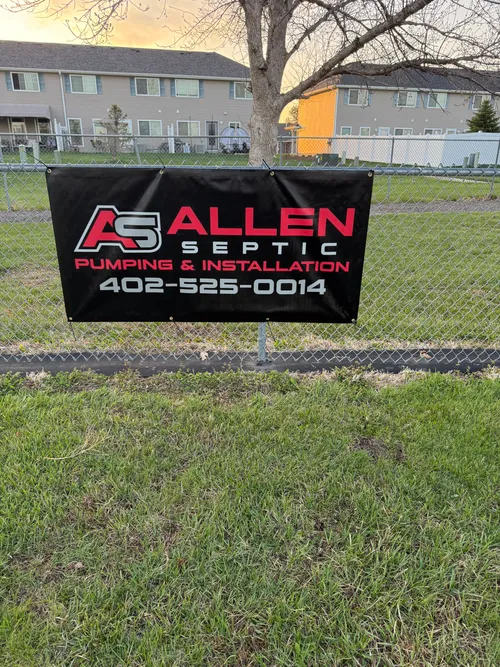
Allen Septic
240 W 3rd St, Douglas, NE 68344
Allen Septic is a septic service provider based in Lincoln, NE, offering a range of services including septic tank pumping, system repair, installation, and lagoon maintenance. They work with both residential and commercial clients to ensure septic systems meet specific property needs. The company uses modern technology such as sewer inspection cameras and electronic line locators to accurately locate and inspect septic systems. They also provide main line cleaning with professional-grade equipment to clear blockages and maintain system flow. Allen Septic offers 24/7 emergency services to address urgent septic issues promptly.
Understanding Septic System Failures
A failing septic system can manifest in several ways, some obvious and others more subtle. Recognizing these signs early can prevent more extensive and costly damage. Common indicators include:
- Sewage Backups: Slow-draining fixtures, gurgling pipes, or sewage backing up into household drains.
- Drainfield Issues: Wet, soggy, or spongy areas in your yard, especially over the drainfield. Unpleasant odors or unusually lush, green grass over the leach field can also signal a problem.
- Standing Water: Pools of grey or black water surfacing in your yard.
- Nitrate Contamination: While not visible, high nitrate levels in well water can indicate a failing system is contaminating groundwater.
In Lincoln, a system is considered "failed" if it cannot treat and dispose of wastewater without creating a nuisance or public health threat. This strict definition is why timely repair and maintenance are critical.
The Professional Inspection: Your First Step
Before any repair can be planned, a thorough inspection by a certified professional is essential. This isn't a casual look; it's a detailed diagnostic process. A proper inspection for repair purposes typically includes 1 2:
- Locating and Opening the System: The technician will locate the tank and distribution box, then open all manhole covers (not just inspection pipes) for a complete view.
- Tank Examination: Checking for structural integrity (cracks, corrosion), measuring sludge and scum levels, and ensuring inlet and outlet baffles are intact and functional.
- Hydraulic Load Test: Running water in the home to confirm proper flow into the tank and out to the drainfield, checking for blockages or backups.
- Drainfield Assessment: Walking the entire drainfield area to identify surfacing effluent, soggy soil, or other signs of failure.
- Detailed Report: You should receive a written report explaining the findings, the cause of failure, and all recommended repair or replacement options.
This inspection, often referred to as a Class H inspection, may be required for property transfers and provides the blueprint for any necessary corrective action.
Common Septic Repairs in Lincoln
Not all system failures require a full replacement. Many issues can be resolved with targeted repairs performed by a certified installer or pumper. Common septic repairs in the area include:
- Baffle or Pipe Repair: The baffles in your tank are crucial for preventing scum and sludge from escaping into the drainfield. Replacing broken inlet or outlet baffles or repairing the pipe between the tank and drainfield are common fixes.
- Distribution Box Leveling: Over time, the distribution box (D-box) can settle or tilt, causing uneven wastewater distribution to the drainfield lines. Re-leveling the D-box can restore proper function 3.
- Riser Installation: Adding access risers from the tank lids to the ground surface is a proactive repair that makes future inspections, pumping, and maintenance much easier and less invasive 4.
- Drainfield Rehabilitation: If the problem is isolated to part of the leach field, options like jetting to clear clogged pipes or even replacing specific lateral lines may be possible. This is often a solution when sewage is just beginning to surface 5.
- Holding Tank Installation: On properties with severe space constraints or where a conventional system cannot meet modern setback requirements, installing a holding tank may be the only legal repair option. This is a non-discharge tank that requires very frequent pumping.
Find the perfect septic system repair companies for your needs
Get personalized recommendations and expert advice
Navigating Lancaster County Regulations and Permits
Septic system work in Lincoln is not a DIY project. It is heavily regulated by the Lincoln-Lancaster County Health Department (LLCHD) and the Nebraska Department of Environment and Energy (NDEE) to protect public health and water quality 6 7.
- Certified Professionals Required: All design, installation, inspection, pumping, and repair work must be performed by a Master or Journeyman installer/pumper certified by the NDEE. Always verify a contractor's certification.
- Permit Requirements: For most repairs, an Onsite Wastewater Treatment System Alteration Permit is required from the Health Director. This includes replacing the tank or soil absorption system, extending laterals, or any work that alters the system's design. However, a permit is not required for minor repairs like fixing a baffle or pipe, though it must still be done by a certified pro 8 9.
- Critical Setbacks: Regulations enforce strict distances between septic components and water sources. For example, septic tanks must be at least 100 feet from surface water or private wells and 1,000 feet from community water supply wells. If an existing system doesn't meet current setbacks, repair options become limited 10.
- The Path for a Failed System: If a system fails and cannot be repaired to meet code, the property owner typically has a few paths: applying for a variance, connecting to public sewer if available, installing a holding tank, or working with a Professional Engineer on an alternative treatment system design 11 12.
Understanding Repair and Replacement Costs
Costs for septic work can vary widely based on the system size, soil conditions, accessibility, and the extent of the problem. As a guideline based on regional data 13:
- Professional Inspection: Costs vary but is an essential investment for an accurate diagnosis.
- Routine Pumping: Recommended every 3-5 years, this is a maintenance cost, not a repair.
- Minor Repairs: Fixing baffles or pipes can range from a few hundred to over a thousand dollars.
- Major System Replacement: When a repair isn't feasible, full system replacement is a significant investment. As of 2021, costs in the region for a conventional system replacement can range from $10,000 to $50,000, depending on the technology and site conditions 14.
The most crucial step is to get detailed, written estimates from multiple NDEE-certified contractors. They should outline the scope of work, materials, timeline, and how they will handle the permitting process with Lancaster County.
Maintaining Your System Post-Repair
Once your system is repaired, proper maintenance is key to preventing future failures and protecting your investment. This includes regular pumping every 3-5 years, conserving water to avoid overloading the system, avoiding flushing harmful chemicals or non-biodegradables, and protecting the drainfield area from heavy vehicles or deep-rooted plants 15. A well-maintained septic system can last for decades, providing reliable wastewater treatment for your home.
Frequently asked questions
Sources
Footnotes
-
Frequent Questions on Septic Systems | US EPA - https://www.epa.gov/septic/frequent-questions-septic-systems ↩
-
Septic Tank Testing & Inspection | What to Expect Guide | Blog - https://www.blueribbonseptic.com/blog/septic-tank-testing-and-inspection ↩
-
Minimum Operation and Maintenance Needs for Sewage Facilities Treatment Components When Used with Conventional Onlot Treatment - https://greenport.pa.gov/elibrary/PDFProvider.ashx?action=PDFStream&docID=9121643&chksum=&revision=0&docName=COMPONENT+2M+%28SEWAGE+MANAGEMENT+PROGRAM%29+MINIMUM+O+%26amp%3B+M+NEEDS&nativeExt=pdf&PromptToSave=False&Size=202513&ViewerMode=2&overlay=0 ↩
-
Midway Services, Inc. | Septic Repair, Maintenance | Lincoln DE - https://www.midwayseptics.com/services/repair-and-maintenance.php ↩
-
Our Services at Nebraska Septic - NebraskaSeptic.com - https://nebraskaseptic.com/our-services-at-nebraska-septic/ ↩
-
regulating on-site wastewater treatment systems - https://www.lancaster.ne.gov/DocumentCenter/View/1829/R-15-0004-PDF ↩
-
All About DWEE: Onsite Septic Systems - https://dee.nebraska.gov/news-events/press-releases/all-about-dwee-onsite-septic-systems ↩
-
Lincoln Municipal Code - enCodePlus - https://online.encodeplus.com/regs/lincoln-ne/doc-viewer.aspx?secid=10857 ↩
-
Onsite Wastewater Fees, Certifications, & Permits | DWEE NE - https://dee.nebraska.gov/water-quality/wastewater/onsite-wastewater-program/professional-certification/onsite-wastewater-fees-certifications-permits ↩
-
Onsite Wastewater Treatment Facilities: Just for Homeowners - https://dee.nebraska.gov/water/surface-water/wastewater/just-homeowners ↩
-
Septic Systems on Small Lots Title 124 - Onsite Wastewater ... - https://dee.nebraska.gov/sites/default/files/publications/12-038_Septic_Systems_on_Small_Lots_Fact_Sheet.pdf ↩
-
Repair Fact Sheet - https://dee.nebraska.gov/sites/default/files/publications/12-035_Repair_Fact_Sheet.pdf ↩
-
Septic System Repair: Essential Guidelines for Homeowners - https://smartsepticpros.com/blog/septic-system-repair-guidelines/ ↩
-
Comprehensive Guide to Caring for Your Home Septic System - https://www.lincolntown.org/DocumentCenter/View/85918/Care-of-Septic-Systems ↩
-
What You Need to Know About Septic Systems - https://www.upnest.com/post/septic-systems/ ↩